


The Christians
Faith, suffering, and the long argument with God.
7 books

Loading...
Prestige · $2.99/month
Chapter audio, theme analysis, and downloads
The classics we forgot: , and more — summaries in audio.
The greatest books were never simple. They held freedom and fate in the same sentence, love and cruelty in the same character, truth and illusion on the same page. These are the works that don't resolve. They reveal. Read them not for answers, but for the questions that finally make sense of your life.
Ranked by pages read in the last seven days · as of November 23, 2026
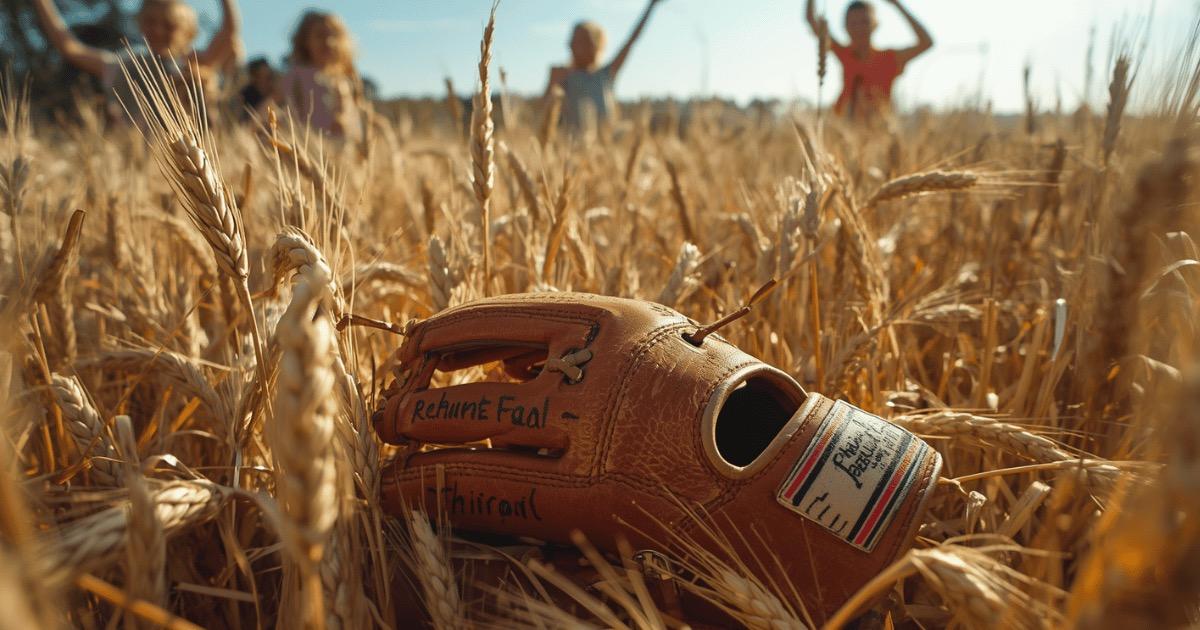
J.D. Salinger
Grief, Phoniness & Growing Up
Holden leaves Pencey before Christmas and wanders New York for three days, naming everything phony while he cannot stop grieving Allie. At the carousel Phoebe grabs the gold ring and he cries because children fall. Salinger asks whether you can protect innocence without controlling the people you love.

George Eliot
Self-Deception, Marriage & Unhistoric Good
In a Via Sistina boudoir Dorothea sobs while Casaubon stays at the library. Lydgate marries Rosamond and learns that disdain for ledgers will not pay Dover. Eliot asks how much good can be done in rooms no history will name.

Charles Dickens
Ambition, Shame & Redemption
A convict dripping in a London sitting-room names himself as the maker of Pip's gentleman costume. The fortune Miss Havisham never promised paid for polish while Joe waited at the forge. Dickens asks what worth costs when a boy learns to hide the people who loved him without it.
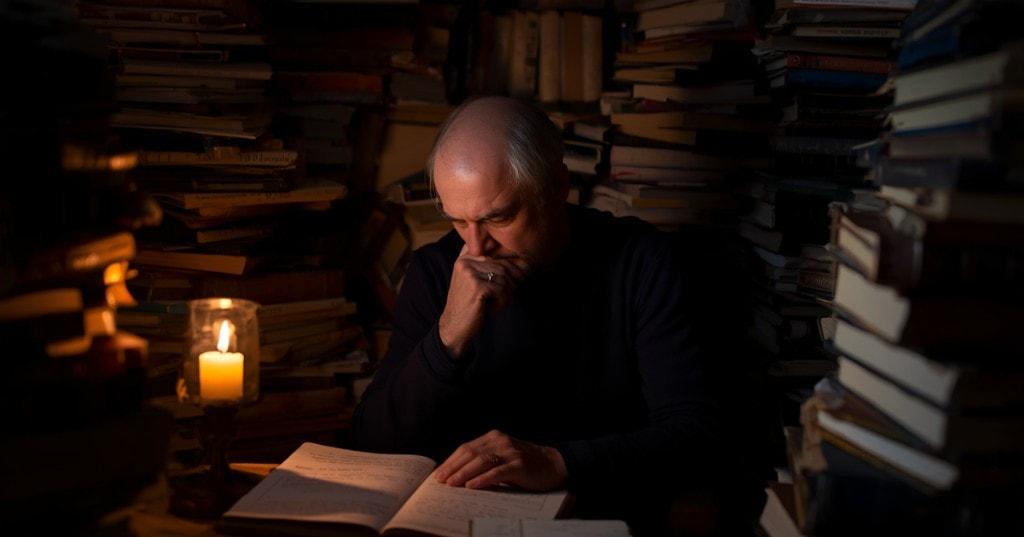
Fyodor Dostoevsky
Spite, Free Will & Self-Sabotage
The first sentence names a sick man, a spiteful man. Then he admits he is probably lying. He paints Liza a future of dignity, then rages and offers money when she comes to his room. Dostoevsky asks whether seeing yourself this clearly makes you free, or only crueler.
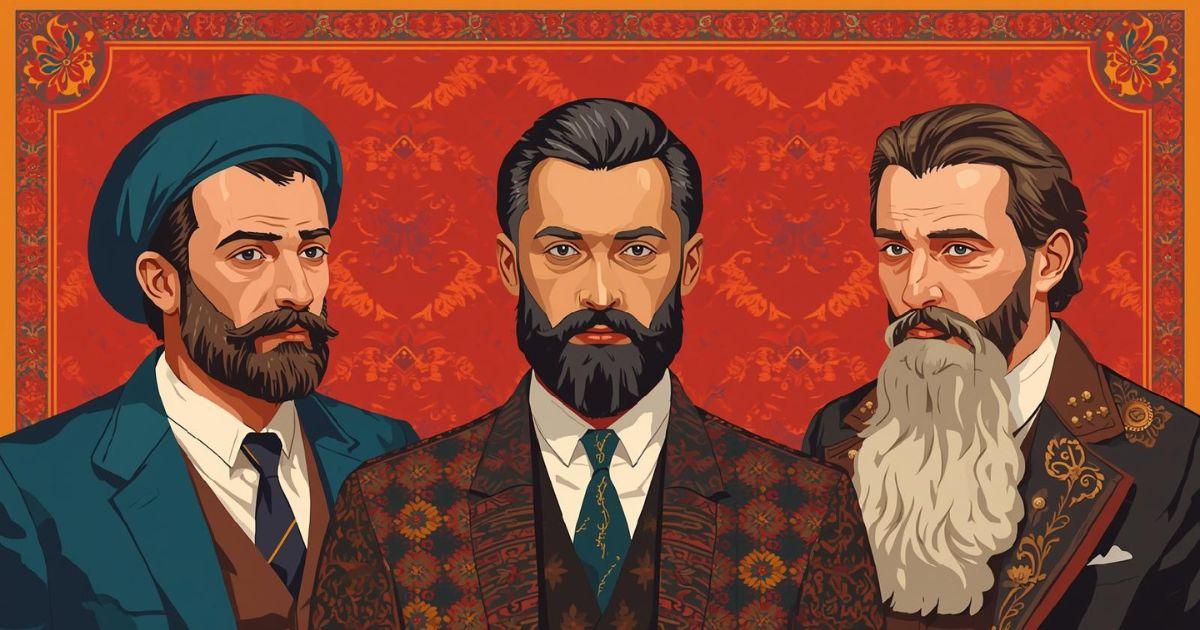
Fyodor Dostoevsky
Faith, Doubt & Family
Dmitri wants three thousand roubles and says he will kill his father. Ivan returns his monastery ticket and tells the parable of the Grand Inquisitor. Smerdyakov murders Fyodor with a paperweight while Alyosha tries to love in deeds, not dreams. Dostoevsky asks whether you answer for the ideas you set loose.

Dante Alighieri
Exile, Justice & the Afterlife
Midway through the journey of his life, Dante finds himself in a dark wood and cannot name the turning. Virgil leads him through a gate that says abandon all hope; Beatrice later refuses to flatter him. Dante asks what justice looks like when every habit has already become a body.

Boethius
Fortune, Identity & Providence
Lady Philosophy drives the muses out of a prison cell at Pavia and refuses to let Boethius keep rehearsing the titles Fortune took. The wheel turns; the sentence still waits. Boethius asks what is left to want when office, wealth, and reputation can vanish in a night.
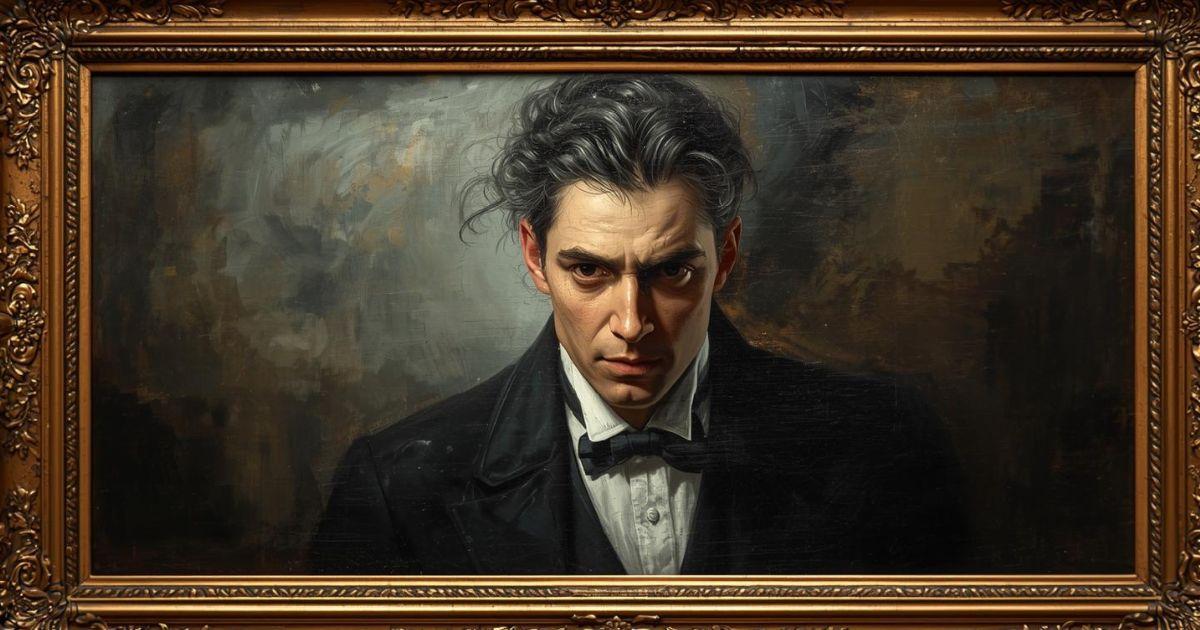
Oscar Wilde
Vanity, Influence & Hidden Corruption
Wet paint still drying, Dorian wishes the canvas would age so his face never has to. London keeps inviting the same beautiful young man to dinner while every cruelty collects in a locked schoolroom. Wilde asks what a culture that worships surfaces will forgive, as long as the cheekbones stay.
Alexandre Dumas
Betrayal, Revenge & Mercy
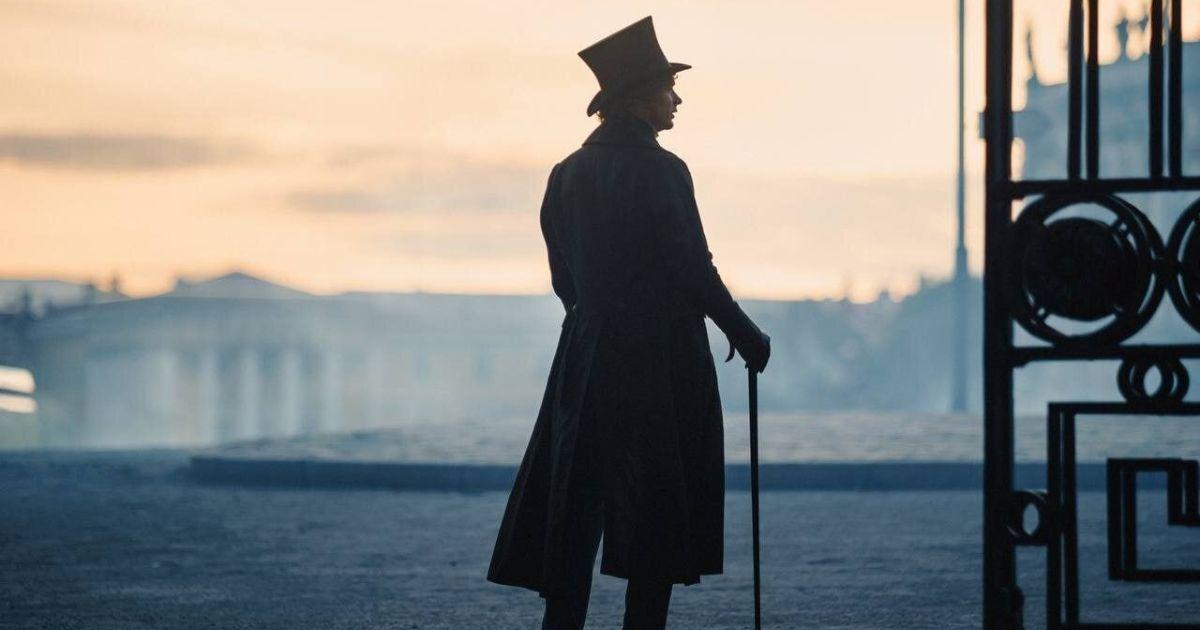
Edmond Dantès is taken from his wedding feast on a charge he does not understand. Fourteen years in the Château d'If later, he escapes as the Count and turns every instrument of justice against the men who buried him. Dumas asks what revenge costs when you finally have the power to play God.
Plato
Justice, Power & the Good Life
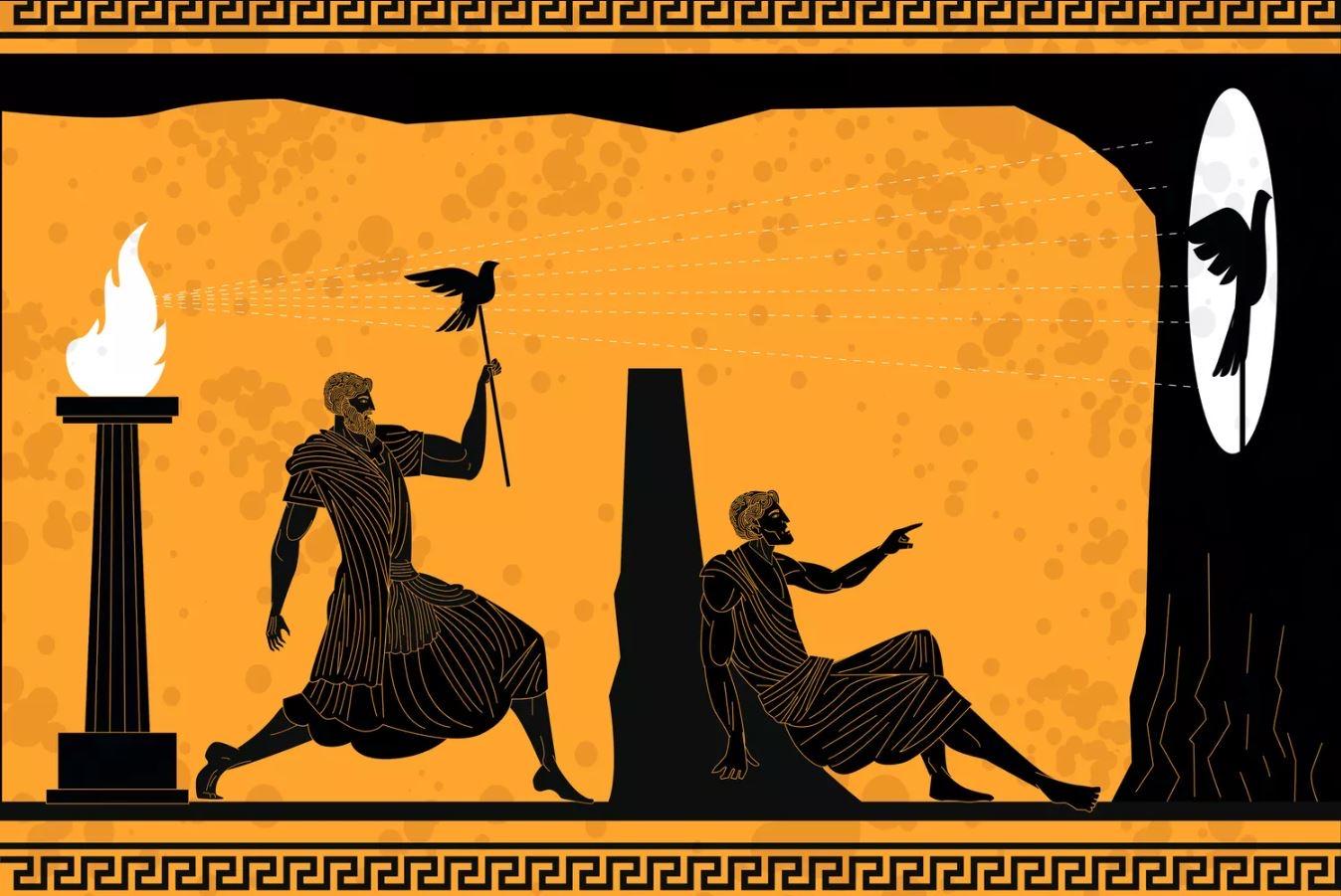
In Cephalus's house the first answer to justice is tell the truth and pay your debts, until a borrowed sword in a mad friend's hand already breaks it. Glaucon demands the ring of Gyges and a just man ruined on the rack. Plato asks whether you would still choose the good if nobody could see, and nobody could punish.

Homer
Homecoming, Cunning & Loyalty
Calypso offers Odysseus immortality on her island; he chooses a mortal wife and a kingdom he has not seen in twenty years. He returns in rags, strings the bow suitors cannot bend, and Penelope tests him with a bed built around an olive tree. Homer asks what home costs when pride keeps wrecking the ships that carry you there.
Charles Dickens
Revolution, Sacrifice & Redemption
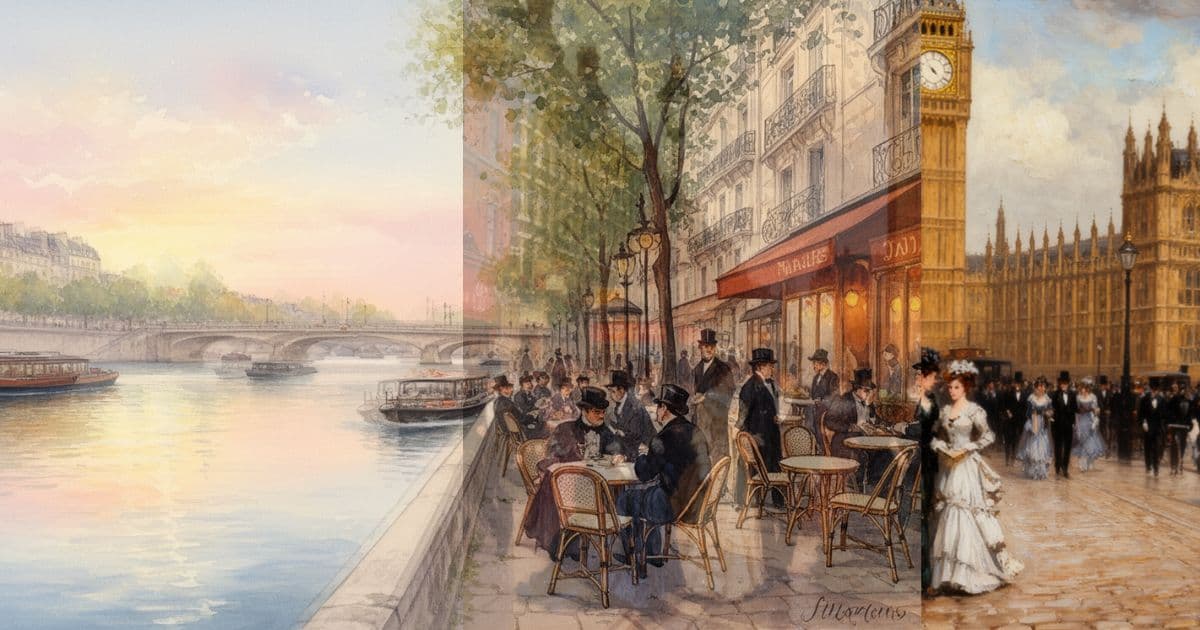
A wine cask breaks in Saint Antoine and someone writes BLOOD on the wall. Carton wastes years at the Old Bailey until one face pays Darnay's debt. Dickens asks what revolution costs when the ledger will not close.
Never read a classic before? These are short, plain, and forgiving of a slow first chapter.

Charles Dickens

Russell H. Conwell

King Solomon (attributed)

Jane Austen

Hermann Hesse

Plato

Buddha

Epictetus
When a question will not leave you alone, start with a theme. Each shelf gathers classics that face it without soft answers.
78 books
You keep score of what people owe you — and dodge what you owe them. These classics ask what you owe when no one is watching, or when silence would be easier.
A Christmas Carol · Divine Comedy · Hamlet · Mi Último Adiós · Symposium · The Consolation of Philosophy · The Picture of Dorian Gray · Washington Square · +70 more
Explore73 books
Who are you when the audience leaves? These classics strip titles, roles, and borrowed beliefs until something quieter remains — or until the mask becomes the face.
A Doll's House · Emma · King Lear · Siddhartha · The Handmaid's Tale · The Scarlet Pimpernel · Wuthering Heights · +66 more
Explore47 books
You want to change, but old habits keep winning. These classics treat growth as practice under pressure — who you become when comfort is gone and no one is grading you.
A Christmas Carol · Jane Eyre · Pride and Prejudice · The Death of Ivan Ilyich · Walden · +42 more
Explore47 books
The world decides things about you before you speak — class, money, accent, address. These classics show how that sorting works, who it protects, and what it costs to step out of place.
A Christmas Carol · Gulliver's Travels · Pride and Prejudice · The Idiot · War and Peace · +42 more
Explore34 books
Something breaks you, and the world keeps going. These classics do not sell easy comfort — they ask how to keep a mind intact through loss, pain, and the days after.
A Sicilian Romance · Les Misérables · The Dhammapada · Wuthering Heights · +30 more
Explore27 books
You say you want freedom, then protect every cage that feels like home. These classics ask what you are actually free to choose — and what you only pretend to choose.
A Doll's House · On Liberty · The Blue Castle · Walden · +23 more
Explore25 books
Wanting someone is easy. Wanting what is bad for you is the plot. These classics follow attachment that remakes you — and the wreckage when it will not let go.
A Room with a View · Madame Bovary · The Gambler · Wuthering Heights · +21 more
Explore24 books
Getting what you want is only the first act. These classics watch authority hollow people out — charm turning to control, competence to cruelty, silence into permission.
A Sicilian Romance · King Lear · Robinson Crusoe · The Three Musketeers · +20 more
Explore15 books
You will not keep everything you are building. These classics face endings without theatre — legacy, grief, waste, and what will be left of you if you wait too long.
A Christmas Carol · Ecclesiastes · Moby-Dick · War and Peace · +11 more
ExploreSix recently amplified classics — newest first.
 EN
Charles Dickens · 1838
A room can feed you and still be pricing you. A parish officer, a magistrate, an undertaker, and a man with a warm fire ...

Henrik Ibsen · 1879
Nora Helmer comes home on Christmas Eve with a tree, parcels, and a packet of macaroons she hides from her husband. From...
 EN
Niccolò Machiavelli · 1531
A free city does not last because one founder finished the design on day one. Machiavelli will not marvel at Rome's empi...
 EN
Leo Tolstoy · 1886
During an interval in the Melvinski trial, Peter Ivanovich learns from a newspaper notice that Ivan Ilyich Golovin has d...
 EN
Alexander Pope · 1711
People repeat that a little learning is a dangerous thing and treat the line as a bumper sticker. Pope wrote it inside a...
 EN
Oscar Wilde · 1895
Lane lays tea in Algernon's morning-room while the piano sounds next door. Jack Worthing has come up from Hertfordshire ...
Not a SparkNotes recap. Hear the chapter summary. Then open the book.
| Feature | Wide Reads | SparkNotes / CliffsNotes |
|---|---|---|
| Built for | Why the chapter still matters — after class. | A recap your teacher has already heard. |
| To read | Guides, original text, and questions — free, no account. | Plot summaries often free; deeper notes often paywalled. |
| Chapter summary | Hear it first: pronunciations and a context intro. Prestige; try chapter 1. | Silent notes. You guess the names. |
| Original text | Beside the guide — after the listen. | Usually a summary only. |
| After the plot | Patterns you can recognise in work, family, or power. | The notes stay inside the book. |
The books that hold the pattern. Pick a book and follow the lesson.
Revise quick judgments when new evidence arrives, from the assembly room to Pemberley and the letter.
Pride and Prejudice
Explore
Pride and Prejudice
Watch water in chapter 8 and the soft overcoming the hard in chapter 78, then stop forcing what alignment would have done.
Tao Te Ching
Explore
Tao Te Ching
Watch Elinor carry Barton in silence and Marianne refuse to moderate a feeling, then see what each defense costs by Cleveland.
Sense and Sensibility
Explore
Sense and Sensibility
Watch convent novels, the viscount's cigar case, Lagardy's voice, and the walk to Rodolphe when tenderness is a mask for a bill.
Madame Bovary
Explore
Madame Bovary
Sit with chapter 3's ranking of attacks, then chapter 6's water, and break resistance before you spend a siege.
The Art of War
Explore
The Art of War
Open at chapter 1's two lists, then the Romagna, and see how a seat is won before you decide how it is lost.
The Prince
Explore
The Prince
Identify when intellectual justifications are masking harmful behavior before thought becomes action
Crime and Punishment
Explore
Crime and Punishment
Credit Verus, Rusticus, and Antoninus by name: gentleness, Epictetus, and a ruler who never mistakes flattery for respect.
Meditations
Explore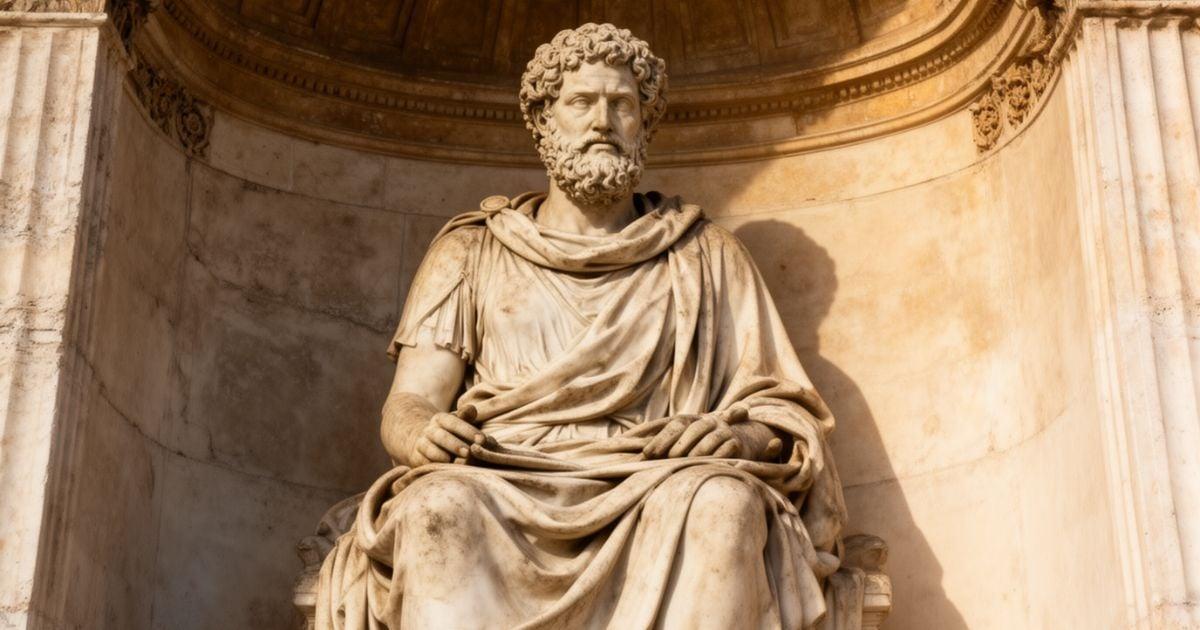
Meditations
Sit on the moors, then hear I am Heathcliff behind the settle after she has already accepted Edgar.
Wuthering Heights
Explore
Wuthering Heights
Watch Phillotson's cart, the unanswered college letters, and the Remembrance Day speech show a gate that looks open from a distance.
Jude the Obscure
Explore
Jude the Obscure
Start with a writer, or a tradition. Then follow the books.
Faith, suffering, and the long argument with God.
7 books


What you control. What you don't. How to stay human.
4 books


Stillness, strategy, and the mind that trains itself.
6 books


Self-reliance, the river, and the dream that will not hold.
6 books


Irony, revenge, and the desire that outruns the life.
5 books


The moor, the fog, and the self that will not stay assigned.
6 books


Conscience, the family, and the idea that walks out of the study.
7 books


Rage, homecoming, and the question of how a life should be lived.
6 books
The minds behind the books. Pick a writer and follow their shelf.


1844–1900
The self must be hammered into shape — or inherited lies will do it for you.
2 books
The skills these books teach — organized so you can find the one you need tonight.


The attachment that remakes you — and the wreckage when it will not let go.
4 skills

Grief, passion, and the feelings you have to hold without letting them run you.
4 skills


The railroad under the rails. Who the structure is using, and who it was built for.
4 skills
Love that builds, love that consumes, and the difference you have to learn in time.
4 skills


Free to read · No account required
What Wide Reads is, who it's for, and how it's different.
Wide Reads transforms classic literature into navigational maps for modern life. Using guided chapter notes, we break down each chapter to reveal timeless patterns, essential life skills, and modern applications—all in plain English, free of academic jargon.
Yes, Wide Reads is completely free with audio narration. Access all 126+ classic literature guides, chapter-by-chapter analysis with audio, the Essential Life Index, and discussion questions without any account required. No subscriptions, no paywalls—just wisdom that has stood the test of centuries.
Wide Reads is built for students seeking deeper understanding, educators looking for teaching resources, families building cultural capital together, and anyone who wants the power of classic literature without the academic fog.
The Essential Life Index maps every chapter of classic literature to 8 essential life skills: Communication, Emotional Intelligence, Leadership, Decision Making, Relationships, Resilience, Ethics, and Self-Discovery. It helps you find exactly which chapters teach the skills you need.
Unlike summary sites, Wide Reads focuses on life application, not just plot. We show you the patterns that repeat in real life, connect themes to modern situations, and map every chapter to practical skills. It's not about passing a test—it's about gaining wisdom for life. Full comparison: https://widereads.com/wide-reads-vs-sparknotes
Essential Library
Search by title, author, or life skill — results appear as you type.
Try or
Browse the curated library. · 126+ booksEditorial series
Collision pairs the bestseller with the source that made the move first — what the modern book promised, what the older voice already knew, and where the two ledgers disagree.
Today's Headlines applies the same reading to this morning's wire. The life truth: The side that holds the ground can keep its own answer out of sight. The Book of Five Rings, and The Art of War named it before the dateline. Read today's edition
Earlier installments
Today · Headlines
November 15, 2026
The White House said on Friday that Donald Trump, Xi Jinping and Vladimir Putin will hold the first three-way meeting between the leaders of the United States, China and Russia on 19 November, on the sidelines of the APEC summit in Shenzhen. The Kremlin confirmed it on Saturday. Washington says nuclear arms reduction and the war with Iran will be discussed, but not Ukraine, and a senior US official said no agreement is expected. China, the host, has not publicly confirmed the meeting.
The life truth
The side that holds the ground can keep its own answer out of sight.
How it relates to today's headline
Saturday's news is an announcement with one voice missing. Washington named the date, the city and the agenda: nuclear arms, the war with Iran, and no Ukraine. Moscow confirmed within a day. Trump flies to the Philippines on Tuesday for the ASEAN summit, reaches Shenzhen late on Wednesday, and meets Xi alone on Thursday before the three sit down together. There is no separate meeting with Putin on the schedule. Reuters reports that no agenda or format had been agreed by Friday, and that Beijing is wary of hosting a meeting some are already calling a new Yalta. China's state media has reported the bilateral talks and said nothing about the trilateral one.
Read full analysisSaturday's news is an announcement with one voice missing. Washington named the date, the city and the agenda: nuclear arms, the war with Iran, and no Ukraine. Moscow confirmed within a day. Trump flies to the Philippines on Tuesday for the ASEAN summit, reaches Shenzhen late on Wednesday, and meets Xi alone on Thursday before the three sit down together. There is no separate meeting with Putin on the schedule. Reuters reports that no agenda or format had been agreed by Friday, and that Beijing is wary of hosting a meeting some are already calling a new Yalta. China's state media has reported the bilateral talks and said nothing about the trilateral one.
Miyamoto Musashi's The Book of Five Rings opens its Fire Book with position, not attack. Keep the sun at your back. Indoors, keep the entrance on your right and the light behind you. Stand so the enemy cannot see your rear, and take a place where you can move freely. Two of the three leaders in Shenzhen have already told the world what they want from the room. The third owns the room, and has not yet said whether he will sit in it. Musashi would read that silence as position, not hesitation.
Sun Tzu's The Art of War puts the same work earlier. In the first chapter, the general who wins makes many calculations in his temple before the battle is fought, and the general who loses makes few. Announcing a summit is not the same as calculating one. A visitor who names the agenda in public has shown his hand before the doors close. The host who waits has spent nothing yet.
The useful question before Thursday is not whether three leaders will be photographed together. It is who will leave Shenzhen having given away less than they came with, and whether that was decided days before anyone walked in.

The Book of Five Rings
The life truth
Musashi's Fire Book wins before the cut: the sun at your back, the entrance on your right, your rear out of sight. Shenzhen's host holds all three while the guests announce their plans.
Read guide
The Art of War
The life truth
Sun Tzu's general counts in the temple before the battle; a leader who names the agenda in public has done his counting where everyone can see.
Read guideWide Reads Press · Original Works
Book One
A Guide for the Uncertain, the Searching, and the Magnificently Confused
by Arvin Lioanag
Drawn from the literature of every age, a guide for the moments when you don't know which way to go. The classics survived because they mapped something true about being lost. This book shows you where the map leads.
Book Two
The Ten Paradoxes from Those Who Knew Pain
by Arvin Lioanag
Every wound produces a paradox. Surrender to get stronger. Lose yourself to find yourself. The darkness before the dawn isn't metaphor — it's the map. The classics survived because they were written by people who knew this from the inside.
Book Three
Literature's Greatest Lessons on the Heart
by Arvin Lioanag
From Austen to Tolstoy, what the greatest writers understood about love that no one else will tell you. Why we choose the wrong person. Why we stay. What real love actually demands, and what it quietly gives back.
The originals are waiting. Step into the paradox hub when you are ready.
Into the ParadoxesJoin our newsletter and receive timeless wisdom, modern applications, and deep dives into the classics—delivered straight to your inbox every week.
No spam. Unsubscribe anytime. We respect your privacy.
You deserve more.
$2.99/month
Everything in a free subscribed account, plus downloads, chapter audio, theme analysis, and member perks.


