
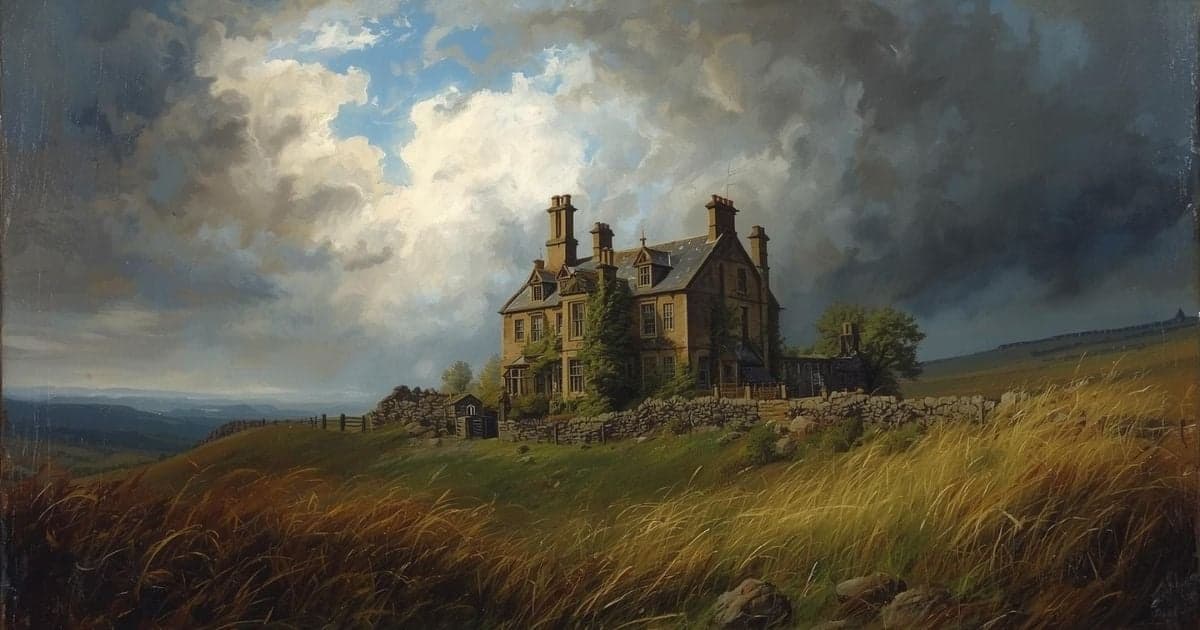
Heathcliff does not fail to feel Catherine's death. He fails to let the feeling become a past. The howl among the trees, the opened coffin, the night walks: each is a way of keeping her in the present tense so he will not have to live in a world where she is only a grave.
Edgar grieves too. He keeps to his room, then raises the daughter. The difference is not the size of the love. It is whether the loss is allowed to become memory, or whether it is used as a reason to haunt a house, a child, and a second generation.
Lockwood's last look at the three headstones wants the earth to be quiet. The country tales refuse him. Brontë will not give you a clean lesson about moving on. She will show you what a refusal to grieve costs everyone who still has to sleep under the same roof.
The Central Lesson
Unresolved grief is not the same as deep love. Heathcliff's howl is real, and so are the eighteen years he spends keeping Catherine available as a haunting, a coffin, and a reason to wreck two houses. Edgar's quieter mourning still lets a child grow up. The usable distinction is whether the loss is allowed to become memory, or whether it remains a claim on the living. If the wake never closes, someone else in the house will have to live inside it.
Prestige deep dive
A Psychological Reading of Wuthering Heights
Wuthering Heights shows a bond that makes two children into one self, so grief cannot be mourned and returns as possession until a later pair learns to remain two people.
Read the full psychological readingApplying This to Your Life
Feeling It Is Not the Same as Finishing It
Heathcliff feels more than anyone in the novel. He also never converts the feeling into a life that can continue. If your grief still needs the person available, in a locked room, a relic, or a nightly route, you are keeping a wake, not mourning.
Do Not Charge the Living for the Dead
Cathy is taken to the Heights the night after Edgar's funeral. Isabella flees through snow in the same winter Catherine is buried. Ungrieved loss looks for a substitute or a scapegoat. The people still in the house are not the person you lost, and they cannot pay that debt.
Let Memory Replace Haunting
Edgar keeps a private mourning and still raises a child. Cathy and Hareton plant flowers where Joseph's bushes were. A finished grief can still hurt. It just stops requiring the dead to walk in, and it leaves the living a morning that is not a séance.
Other lessons in this book
More life-skill deep dives from the same classic.
Breaking Cycles of Intergenerational Trauma
See Cathy teach Hareton to read by firelight after she first mocked his books, and watch a cycle fail to inherit the howl.
7 chapters·Explore AnalysisNavigating Class Barriers and Social Mobility
Hear it would degrade her to marry him, then meet the gentleman who comes back rich with the same injury still open.
8 chapters·Explore AnalysisRecognizing Destructive Love vs. Healthy Passion
Sit on the moors, then hear I am Heathcliff behind the settle after she has already accepted Edgar.
10 chapters·Explore AnalysisRecognizing When Passion Has Become Possession
Hold the ice-cold hand at the boarded window, the four blue marks, and the opened coffin.
7 chapters·Explore AnalysisUnderstanding How Revenge Destroys the Avenger
Watch the cards take Hindley's money, then the forced marriage and the open window: both estates arrive and the winner starves.
13 chapters·Explore Analysis
Continue exploring
Explore this theme
The same lessons in other books
See how other books teach the same life skills.
The Idiot
Maintaining Goodness Without NaivetySit with Myshkin on the train in chapter 1: honesty with no angle, and a city that can only call it idiocy.
Northanger Abbey
Separating Fiction from RealityStop letting Gothic plots supply the story: laundry bills become clues, an old abbey becomes a crime scene, and real cruelty arrives without a villain's mask.
The Blue Castle
Building a Life of Your OwnLeave Elm Street for Mistawis, lock a house that is yours, and keep the Blue Castle after the excuse to live is withdrawn.
Where the lesson lives in the book
The Ghost Who Will Not Stay Buried
Lockwood's first night at the Heights ends with a child's hand at the broken pane and a name sobbed through the wind: Catherine Linton, lost on the moor twenty years. Heathcliff, hearing the dream, wrenches the window and begs her to come in. The house has been keeping a wake that never closed.
Key Insight:
Unresolved grief turns a locked room into a shrine. Heathcliff does not want the chamber used because it is still a place he might catch her. A loss you will not finish will colonize the furniture.
The Howl Among the Trees
Catherine dies two hours after bearing a seven-months daughter, never waking enough to miss Heathcliff or know Edgar. Heathcliff, drenched among the trees, prays she haunt him, dashes his head against a trunk, and howls. Nelly swaps the locket curl. Edgar keeps to his room.
Key Insight:
Two men lose the same woman on the same night and start two different griefs. Edgar withdraws into a private mourning that still leaves him a father. Heathcliff turns the loss into a command that she remain available.
Winter After the Funeral
After Friday's burial, winter buries the moors. Edgar keeps to his room. Nelly minds the wailing infant. Isabella bursts in from the snow, cut and bruised, burning Heathcliff's ring. The house that should be sitting shiva is already producing the next casualty of a grief that has become rage.
Key Insight:
Ungrieved loss does not stay in the mourner. It walks into the next room as cruelty. Isabella's flight is what happens when a man uses a funeral season as fuel instead of as an ending.
Eighteen Years and an Opened Coffin
The night after Edgar's funeral, Heathcliff tells Nelly he opened Catherine's coffin years before and still feels her just out of reach. He has structured two decades around a presence he will not convert into memory. Cathy is taken to the Heights as if the living could pay the debt of the dead.
Key Insight:
Time alone does not metabolize grief. Heathcliff has had eighteen years and spent them keeping the loss raw. A grief you refuse to finish will start charging the next generation.
The Night Walks Nelly Cannot Stop
When Lockwood returns, the Heights has flowers and firelight, but Nelly still has the story of Heathcliff walking out after dark and coming back with a strange gladness. The living have begun a new life in the same rooms. He is still keeping hours with someone who is not there.
Key Insight:
A household can start healing while the mourner is still on the moor. That split is the warning: other people will move on around you, and your night walks will not look like loyalty to them. They will look like a refusal to rejoin the living.
He Stops Eating and Stares at Air
Heathcliff sees Cathy and Hareton laugh over primroses and starts as if at a ghost. He tells Nelly he was on hell's threshold yesterday and is within sight of heaven today. He refuses food. The grief has finally crowded out revenge because it has crowded out appetite itself.
Key Insight:
Unresolved grief can look like purpose for years, then suddenly look like starvation. When the only remaining project is reunion with the dead, ordinary hunger, work, and company become insults.
Three Headstones and the Quiet Earth
Heathcliff dies before dawn in the panelled bed, the window open to the rain. They bury him without a minister, as he wished. Lockwood visits the three headstones and wonders how anyone could imagine unquiet slumbers in that quiet earth. Country tales still say a man and a woman walk the moor.
Key Insight:
The book offers two endings at once. The earth looks quiet. The stories do not. That is what ungrieved love leaves behind: a landscape that other people can call peaceful, and a rumor that the dead were never allowed to finish dying.