Notes from Underground
Fyodor Dostoevsky
0:000:00
0:00 / 0:00

Prestige · $2.99/month
Chapter audio, theme analysis, and downloads
Fyodor Dostoevsky
0:00 / 0:00
The first sentence names a sick man, a spiteful man, an unattractive man. Then the speaker admits he is probably lying, and that the lie is the point. Dostoevsky published Notes from Underground in 1864. Seeing yourself this clearly does not make you free. It can make you crueler. The confession still sounds like therapy. It works like a weapon instead.
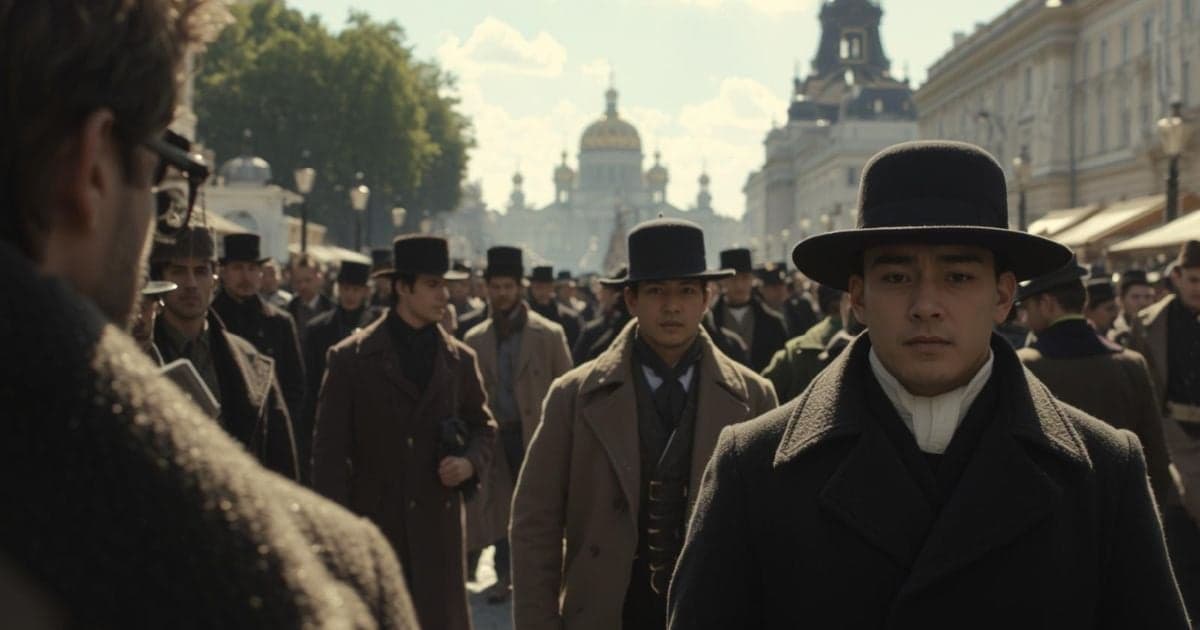
The Underground Man is forty, a retired collegiate assessor living on six thousand roubles in a wretched Petersburg room. He is too conscious to become anything definite, and he treats that failure as proof of intelligence. At twenty-four he is the same man with less money and more theater: he rehearses bumping an officer, crashes a dinner where Simonov and three schoolfellows do not want him, and hunts them through wet snow. Liza is the young woman in the brothel who believes the speech about dignity. Apollon is the servant he cannot command. The imagined gentlemen he argues with in Part I never leave the room.
He refuses a doctor out of spite and feuds eighteen months over a clanking sword. He calls consciousness a disease and envies the bull who acts without a second thought. He says twice two makes four is the beginning of death, and that people will smash a crystal palace just to prove they are not piano keys. At twenty-four he prepares all night for a dinner that humiliates him, races a sledge through wet snow, and finds Liza. He paints her a future of love so exact she weeps. Days later she comes to his room. He rages, offers money, and drives her out. She leaves the crumpled note. He stays underground.
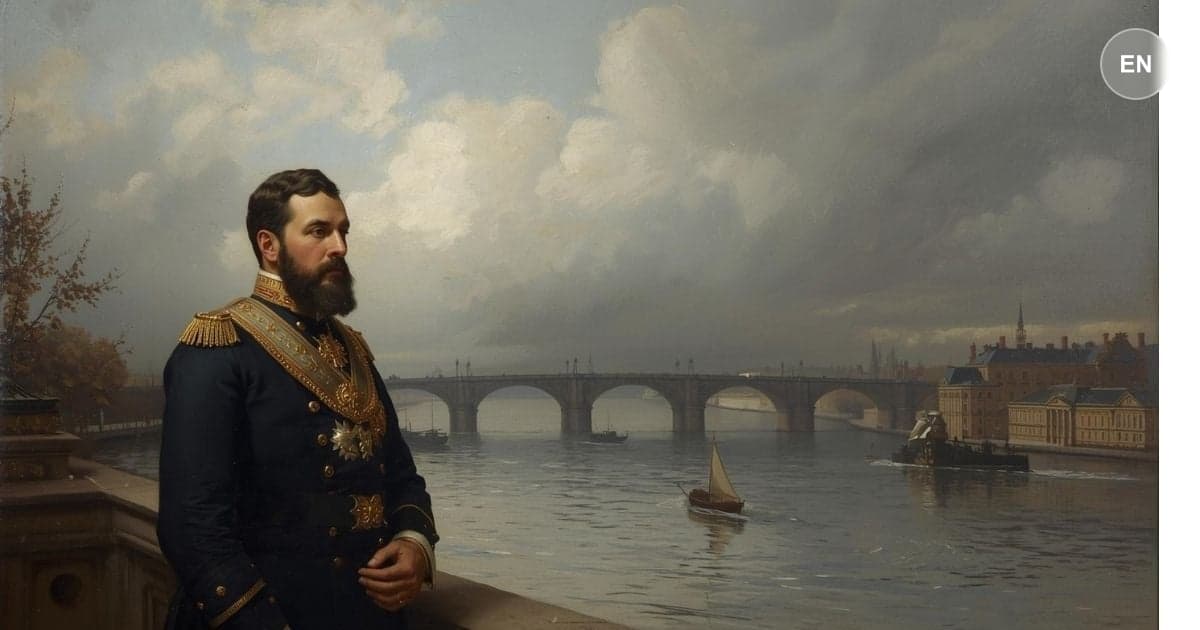
Dostoevsky is answering Nikolai Chernyshevsky's What Is to Be Done?, the fashionable claim that once people understand their rational self-interest they will choose virtue and build a perfect society. He had stood before a firing squad, served four years in a Siberian prison, and watched people choose suffering they could name. He never treats the Underground Man as a villain you can dismiss, or as a prophet you should copy. The man knows the kind act and still performs the cruel one. Insight is not the cure. It is the weapon he turns on himself and on anyone who gets close enough to see him. A theory built to flatter its believer was exactly what a Siberian barracks had already taught him not to trust.
Spite already names the method. The notebook splits: Part I argues with imagined gentlemen until thinking itself is the disease, then Part II spends the same mind on a dinner and a girl who believed him. Breaking the Analysis Paralysis Loop is the liver left untreated, the mouse against the bull, and the claim that only fools can become anything: insight worn as a reason not to move. Seeing Through Intellectual Pride is consciousness as rank, the dinner he forces his way into after preparing all night, superiority that cannot survive being seen. Holding a Grievance as Identity is the eighteen-month sword feud, the rehearsed bump of an officer, and the sledge through wet snow until a slight is a self. Understanding Free Will vs. Rational Self-Interest is twice two makes four as an insult, people smashing a crystal palace to prove they are not piano keys in Chernyshevsky's perfect system. Reading Performed Vulnerability is the opening admission that he is probably lying, the toothache moans, the masks when Liza knocks on the wretched room. Recognizing Self-Sabotage Patterns is the speech about dignity she believes, then the rage, the offered money, and the crumpled note he stays underground to keep.
She leaves the crumpled note. He stays underground. A man can diagnose himself with surgical care and still use the diagnosis as a reason not to move. The crystal palace stays unbuilt. Wide Reads stores summaries, quotes, and audio through all twenty-one chapters, from a liver left untreated out of spite to the wet snow after the dinner no one wanted him at.
We meet our narrator: a 40-year-old former government clerk, now retired on a small inheritance, liv...
The Underground Man opens with a question he left hanging at the end of Chapter 1: why couldn't he e...
This chapter delivers the book's most memorable image: the bull and the mouse. The "direct" man, the...
The chapter opens mid-argument. An imagined voice mocks him: "Ha, ha, ha! You will be finding enjoym...
The chapter opens by picking up directly from Chapter 4's closing question about self-respect. He cl...
This is the shortest chapter in Part I and the funniest. It opens with a sigh: if only he had done n...
The Underground Man dismisses his sluggard fantasy as "golden dreams" and pivots to his most sustain...
The chapter opens with a voice cutting in: "Science has succeeded in so far analysing man that we kn...
The Underground Man opens with a concession: he is joking, he knows his jokes are not brilliant, but...
The shortest chapter in Part I and its closing argument. The Underground Man turns the crystal palac...
The last chapter of Part I opens with what sounds like a conclusion: the long and short of it is tha...
Published 1864
Fyodor Dostoevsky (1821-1881) was born in Moscow, the son of a doctor, and sent to a military engineering school he hated. In 1849 he was arrested with the Petrashevsky Circle, stood before a firing squad, and received a last-minute reprieve. Four years of hard labor in Siberia and more years of forced service followed. Epilepsy, gambling, and the deaths of his first wife and his brother belong to the same season as this book.
Notes from Underground appeared in 1864 as a direct attack on Chernyshevsky's rational utopia. The unnamed narrator, spiteful and paralyzed, became the template for the modern antihero. Dostoevsky went on to Crime and Punishment, The Idiot, Demons, and The Brothers Karamazov.
His gift was refusing the comforting claim that people will do the good once they understand it. He had seen prisoners and officials choose dignity over advantage, and cruelty over peace. This short book is where he first said it plainly: freedom matters more to us than happiness, and the deepest suffering is often inflicted by the person who sees himself most clearly.
Fyodor Dostoevsky speaks to the moment when you can name your own trap with total precision and still stay inside it: the grievance you keep polishing instead of settling, the insight that feels like progress while nothing in your life actually moves, the honesty about your own cruelty that somehow never becomes kindness. Notes from Underground names what self-awareness costs when it replaces action instead of producing it.
Plot, characters, and themes — plus audio, source text, and patterns you can use after class
Two ways in
Chapter by chapter, with audio. The meaning arrives because you experienced it — not because someone listed bullet points.
Start with this.
The actual words the author wrote, alongside every summary. Use the guide, then step into the source.
Then step into the source.
Either way, the door opens inward.
— and most of all, Why does this matter?
Purchase the complete book to access all chapters and support classic literature
Available in paperback, hardcover, and e-book formats
Free to read • No account required

Weekly insights from the classics. Amplify Your Mind.
We focus on public domain classics because these timeless works belong to everyone. No paywalls, no restrictions—just wisdom that has stood the test of centuries, freely accessible to all readers.
Public domain books have shaped humanity's understanding of love, justice, ambition, and the human condition. By amplifying these works, we help preserve and share literature that truly belongs to the world.
© 2026 Wide Reads™. All Rights Reserved.
Intelligence Amplifier™ and Wide Reads™ are proprietary trademarks of Arvin Lioanag.
Copyright Protection: All original content, analyses, discussion questions, pedagogical frameworks, and methodology are protected by U.S. and international copyright law. Unauthorized reproduction, distribution, web scraping, or use for AI training is strictly prohibited. See our Copyright Notice for details.
Disclaimer: The information provided on this website is for general informational and educational purposes only and does not constitute professional, legal, financial, or technical advice. While we strive to ensure accuracy and relevance, we make no warranties regarding completeness, reliability, or suitability. Any reliance on such information is at your own risk. We are not liable for any losses or damages arising from use of this site. By using this site, you agree to these terms.
Sit with Liza after the speech: she believes him, then he rages, offers money, and drives her out.
Self-sabotage starts before the destruction. It starts when a real encounter arrives and the identity that needed isolation has to decide whether…
Deep dives
Hear why twice two makes four can feel like an insult, and why people smash a crystal palace to stay free.
I refuse to consult a doctor from spite. That you probably will not understand. Well, I understand it, though.
Tell a real confession from the performance of honesty: the opening lies, the toothache moans, the masks when Liza knocks.
I was lying when I said just now that I was a spiteful official. I was lying from spite.
Trending search questions mapped to the six lessons in this novel—what readers actually ask Google about the Underground Man, Liza, the crystal palace, the officer feud, and why insight alone never sets him free.
A forty-year-old retired clerk writes out forty years of resentment in a notebook nobody asked for, admitting in the first lines that he is probably lying and that the lie is the point. Part I argues with imagined critics about why intelligence keeps him from choosing anything at all. Part II spends the same mind on a dinner nobody wanted him at and a young woman named Liza who believes a speech he never meant to keep. Dostoevsky published it in 1864 as a direct attack on the idea that reason alone makes people good.
Explore Breaking the Analysis Paralysis LoopHe tells you in the opening pages: he is a sick man, a spiteful man, an unattractive man, and he says so before the reader can decide it alone. Refusing a doctor out of spite and feuding eighteen months over a clanking sword are not asides. They are proof that naming his own cruelty clearly has never once stopped him from acting on it.
Explore Seeing Through Intellectual PrideLiza is the young woman in the brothel who believes the speech he makes about dignity and a better life. Days after he paints her that future, she comes to his room to take him up on it. He panics, rages, offers her money instead of the closeness she came for, and drives her out into the wet snow. She leaves a crumpled note behind, and he stays underground.
Explore Recognizing Self-Sabotage PatternsIt stands for Chernyshevsky's promise of a perfectly rational society, one so well designed that nobody would ever choose to be unhappy inside it. The Underground Man insists people would rather smash the palace than live as piano keys inside someone else's tidy arithmetic. Saying twice two makes four is meant as an insult in this book, not a comfort, because it is the kind of truth that leaves no room to choose otherwise.
Explore Understanding Free Will vs. Rational Self-InterestAn officer who clanks his sword through the office refuses to treat him as anyone worth noticing, so the Underground Man carries on a feud with him for eighteen months until the man finally stops clanking it. He later admits the whole campaign was not real spite at all, only a way to fill days that would otherwise sit empty. Keeping the grudge alive turned out to matter more to him than winning it.
Explore Holding a Grievance as IdentitySix lessons run through the book: break the analysis paralysis loop before insight becomes a reason not to move; see through intellectual pride that mistakes consciousness for rank; recognize self-sabotage patterns in the way he treats Liza; understand free will against the promise that pure reason will make you good; read performed vulnerability, since even his confession is a kind of performance; and notice how a grievance can turn into an identity when nothing else defines you. Those six patterns, not spite alone, are why the book still answers modern searches.
What makes him indispensable is that he had already tested the claim he is attacking. In 1849 he was arrested with the Petrashevsky Circle, sentenced to death, and stood before a firing squad before a last-minute reprieve arrived, then served four years of hard labour in a Siberian prison camp. He wrote Notes from Underground in 1864 as a direct answer to Nikolai Chernyshevsky's promise that once people understand their own rational self-interest they will choose virtue and build a perfect society. Dostoevsky had watched prisoners choose suffering they could name over the comfort that logic said they should want.
Few writers have earned the right to diagnose self-knowledge this coldly. Dostoevsky does not let the Underground Man's insight function as an excuse, and he does not let the reader enjoy the diagnosis from a safe distance either: the book insists that seeing your own patterns clearly is not the same as escaping them, and that the harder step is always the small, unflattering act the theory keeps postponing.