
Love & Romance in Classic Literature
Book index for love and romance; the full theme guide lives on the Love & Relationships pillar. Each title links to chapter guides and life-skill deep dives.
Full Love & Romance guide
Love & Relationships
Explore the authoritative hub for love & romance across classic literature.
Books Exploring Love & Romance
Romantic love in the classics is never only private feeling. It intersects with money, class, family approval, reputation, and the slow revelation of another person's character.
A Room with a View
E.M. Forster • 1908
Anna Karenina
Leo Tolstoy • 1877
A Russian aristocrat abandons her marriage for a forbidden passion and pays a price that reveals how society punishes women for what it forgives in men.
Dark Night of the Soul
Saint John of the Cross • 1578
Dracula
Bram Stoker • 1897
Dracula by Bram Stoker: free 27-chapter gothic guide to ignored warnings, institutional predators, and collective courage. Summaries, quotes, themes, and audio.
Far from the Madding Crowd
Thomas Hardy • 1874
Fathers and Sons
Ivan Turgenev • 1862
Jane Eyre
Charlotte Brontë • 1847
Madame Bovary
Gustave Flaubert • 1857
Emma Bovary's romantic fantasies, debts, and affairs destroy a provincial marriage. Flaubert's 1857 realism still maps delusion and consumption today.
Northanger Abbey
Jane Austen • 1817
Persuasion
Jane Austen • 1817
Persuasion by Jane Austen: free 24-chapter guide to second chances, constancy, and trusting your judgment. Summaries, quotes, and audio.
Sense and Sensibility
Jane Austen • 1811
Sense and Sensibility by Jane Austen: free 50-chapter guide to heartbreak, reason vs feeling, and economic survival. Summaries, quotes, and audio.
Symposium
Plato • -385
The Age of Innocence
Edith Wharton • 1920
The Blue Castle
L. M. Montgomery • 1926
The Divine Comedy
Dante Alighieri • 1320
The Divine Comedy: free 100-canto guide through Inferno, Purgatorio, and Paradiso. Canto summaries, key quotes, moral themes, and life lessons with audio.
The Gambler
Fyodor Dostoevsky • 1866
The Great Gatsby
F. Scott Fitzgerald • 1925
The Idiot
Fyodor Dostoevsky • 1869
The Interior Castle
Saint Teresa of Ávila • 1577
Villette
Charlotte Brontë • 1853
War and Peace
Leo Tolstoy • 1869
Life-skill deep dives
What classic books teach about love & romance — chapter-by-chapter analysis.
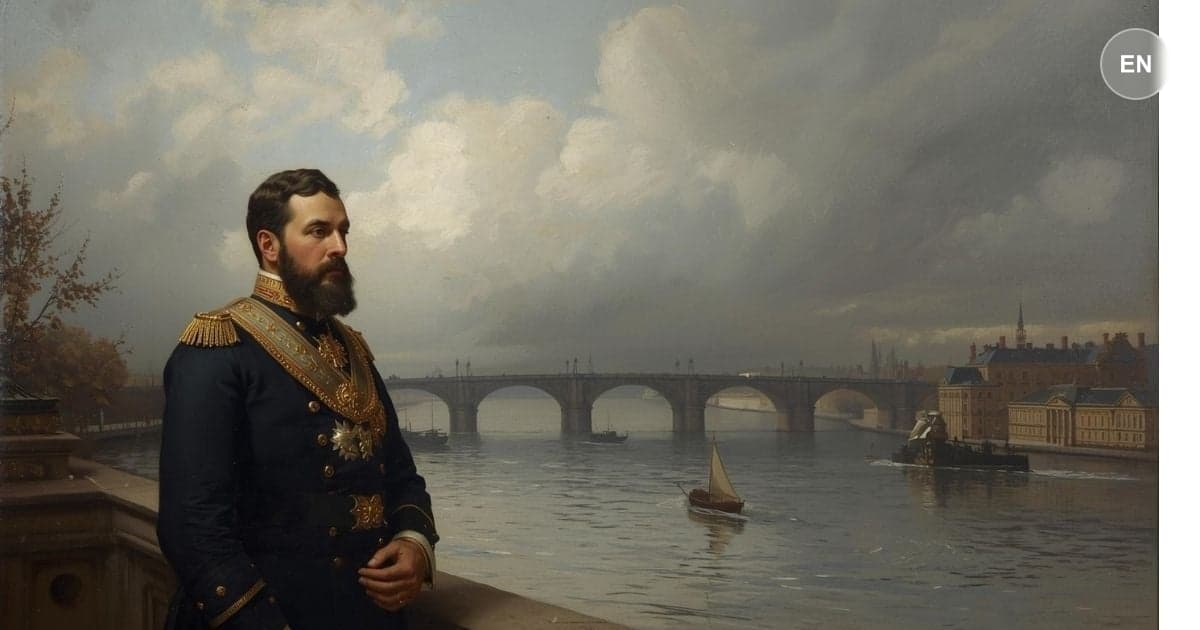
The Idiot
A Child, They Called HimThe Epanchin women prepare to pity a charity case. He answers without a costume. They call that childhood. It is not.
Northanger Abbey
A Drawer Full of BillsCatherine stays up for a manuscript. Dawn shows a folded counterpane and bills. The hunger for a plot is older than the books that sold her one.
The Blue Castle
A Dust-Pile of Your OwnValancy never wanted a sapphire castle. She wanted a corner no older girl could scrape onto Olive's pile.The Blue Castle
A Finished Town StoryDeerwood prefers a closed case. Cissy is disgrace until she dies. Barney is a jailbird until the money, then a prize.
Persuasion
A Name That Cannot PaySir Walter recites rank as if it were climate. A lease, navy pay, and Bath prove it was only a habit that had stopped covering the bills.
Jane Eyre
A New ServitudeJane prays for liberty and gets an advertisement. Brontë treats independence as work you can carry when no one offers to keep you.Jane Eyre
A Previous MarriageGrace Poole is one cover story. A missionary marriage is another. Brontë shows two plots that need Jane to stop asking questions.Persuasion
Advice With No ExpiryLady Russell's caution was accurate at nineteen. The damage is that the same model is still running at twenty-seven, on a different man.
Dracula
Alone for Your Own SafetyA locked castle and a kind exclusion do the same job: leave one person without witnesses.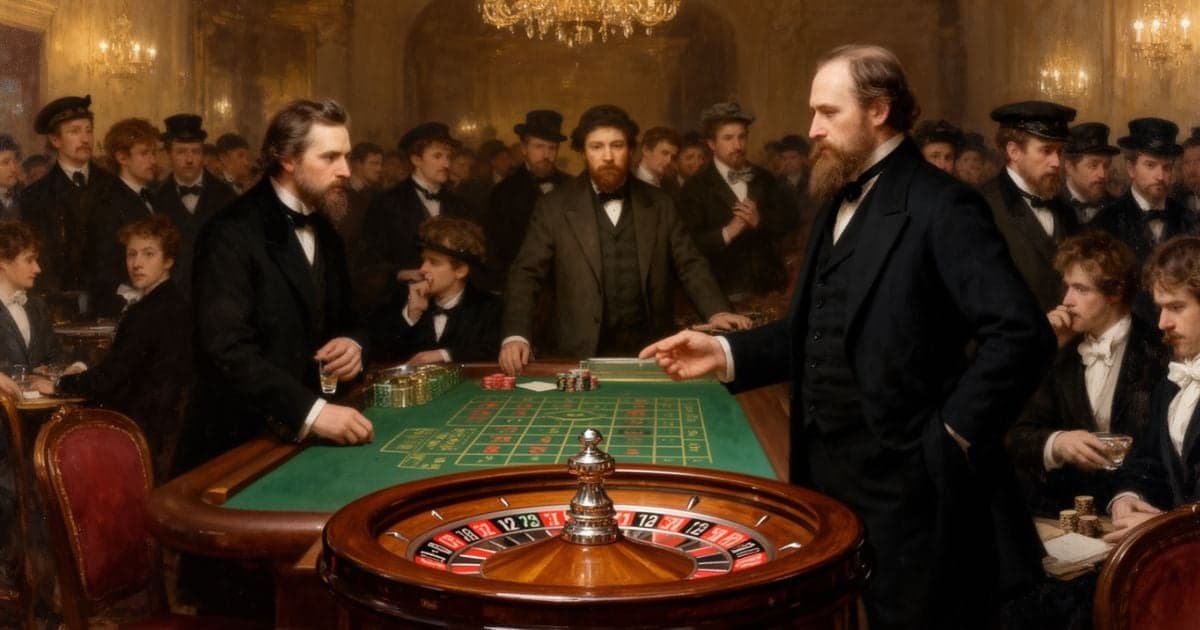
The Gambler
An Hour That Cannot Buy HerHe asks her to wait one hour, then storms in with two hundred thousand francs. Cash cannot purchase what the hour promised.
Far from the Madding Crowd
Authority You Exercise FirstShe takes the farm before anyone grants the title. Authority here is a morning you show up, not a permission you wait for.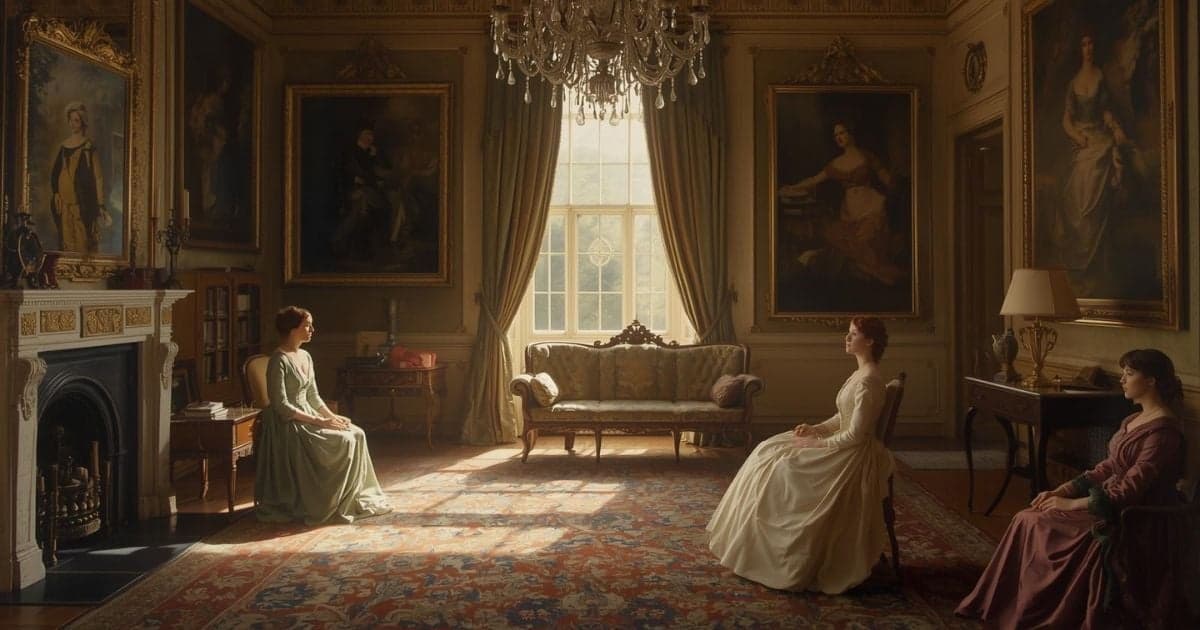
Sense and Sensibility
Balancing Emotion and ReasonEach Defense Has a CostElinor treats composure as loyalty. Marianne treats volume as truth. Eight chapters from Norland to Cleveland show what each defense costs.
Anna Karenina
Balancing Passion and ResponsibilitySeryozha's birthday, Karenin's public face, a divorce that never arrives. Desire spends people who did not choose it.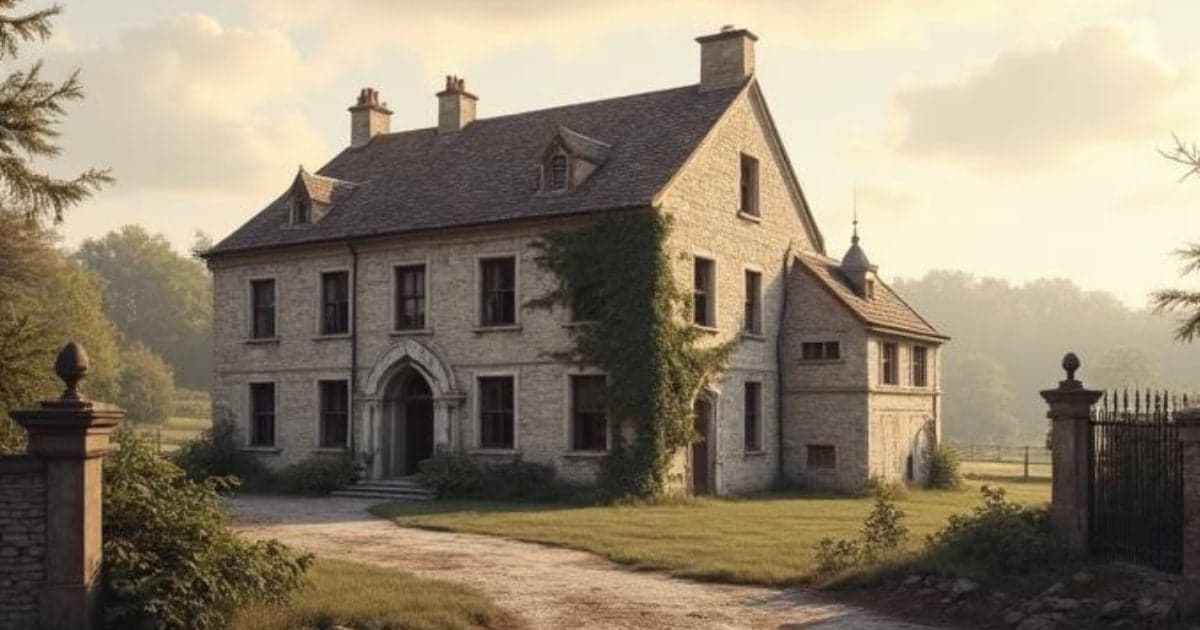
Villette
Being Truly SeenGraham looks through Lucy; Paul will not. Eight chapters on visibility after years of armor.
Wuthering Heights
Breaking Cycles of Intergenerational TraumaYoung Cathy and Hareton refuse to perpetuate inherited hatred—how Wuthering Heights shows the courage required to break destructive family patterns.Villette
Building a Life from NothingFifteen pounds, a London morning, a hire she was never offered: eight chapters on a life nobody can revoke.
War and Peace
Building Authentic RelationshipsThe dance, Anatole's trap, the epilogue kitchen: eight chapters on love that outlasts performance.
The Interior Castle
Camping With the SentinelsAn orderly third-mansion life can still bargain. Teresa tests it with a small loss, not a vision.
A Room with a View
Choosing the Wrong PersonCecil proposes three times and poses her as a Leonardo. Why Lucy says yes to the room.
The Age of Innocence
Clarity Without a DoorEllen sees the cost and refuses. Archer sees the cost and wants a door that is not there. Clarity is not a key.
Symposium
Climbing Past PossessionThe Vast Sea of BeautyBirth in beauty, a sea of beauty, and Alcibiades, who wanted Socrates and did not get him.Far from the Madding Crowd
Constancy Without a ClaimLove that does the work without billing you for it. Proof arrives in years, not in a scene you can applaud.Wuthering Heights
Dealing with Unresolved GriefHeathcliff howls among the trees, opens the coffin, and walks the night for eighteen years. What ungrieved loss does to a house in Wuthering Heights.
The Divine Comedy
Delay Is Not a TerraceCasella's song stops the climb. Cato sends them running. Change is a schedule, not a mood you announce from the shore.