
Society & Class in Classic Literature
Book index for society and class; the full theme guide lives on the Social Class & Status pillar. Each title links to chapter guides and life-skill deep dives.
Full Society & Class guide
Social Class & Status
Explore the authoritative hub for society & class across classic literature.
Books Exploring Society & Class
Class in literature is more than income. It is speech, education, marriage prospects, shame, and the subtle art of knowing your place or refusing it.
A Christmas Carol
Charles Dickens • 1843
A Room with a View
E.M. Forster • 1908
A Tale of Two Cities
Charles Dickens • 1859
Acres of Diamonds
Russell H. Conwell • 1915
Alice Adams
Booth Tarkington • 1921
Anna Karenina
Leo Tolstoy • 1877
A Russian aristocrat abandons her marriage for a forbidden passion and pays a price that reveals how society punishes women for what it forgives in men.
Candide
Voltaire • 1759
Das Kapital
Karl Marx • 1867
Dead Souls
Nikolai Gogol • 1842
Evelina, Or, the History of a Young Lady's Entrance into the World
Fanny Burney • 1778
Far from the Madding Crowd
Thomas Hardy • 1874
Great Expectations
Charles Dickens • 1861
Gulliver's Travels
Jonathan Swift • 1726
Gulliver's Travels by Jonathan Swift: free 39-chapter guide to Lilliput, Brobdingnag, and the Houyhnhnms. Summaries, quotes, and audio.
Hard Times
Charles Dickens • 1854
Hard Times is Dickens's 36-chapter attack on facts-only schools and Coketown mills: Gradgrind's children, Stephen Blackpool, and a bank robbery show what a society loses when it values only what it can measure.
Heart of Darkness
Joseph Conrad • 1899
Jude the Obscure
Thomas Hardy • 1895
Madame Bovary
Gustave Flaubert • 1857
Emma Bovary's romantic fantasies, debts, and affairs destroy a provincial marriage. Flaubert's 1857 realism still maps delusion and consumption today.
Middlemarch
George Eliot • 1871
Middlemarch by George Eliot: free 86-chapter guide to self-deception, marriage, and unhistoric good. Summaries, quotes, and audio.
North and South
Elizabeth Gaskell • 1854
Notes from Underground
Fyodor Dostoevsky • 1864
Notes from Underground by Dostoevsky: free 21-chapter guide to spite, free will, and self-sabotage. Summaries, quotes, themes, and audio.
On Liberty
John Stuart Mill • 1859
On Liberty by John Stuart Mill: free 5-chapter guide to the harm principle, free speech, and majority tyranny. Summaries, quotes, themes, and audio.
Persuasion
Jane Austen • 1817
Persuasion by Jane Austen: free 24-chapter guide to second chances, constancy, and trusting your judgment. Summaries, quotes, and audio.
Pride and Prejudice
Jane Austen • 1813
Pride and Prejudice follows Elizabeth Bennet and Mr. Darcy through wrong first impressions, class pressure, and hard-won self-knowledge in Jane Austen's 1813 novel of wit, marriage, and moral repair.
Tess of the d'Urbervilles
Thomas Hardy • 1891
The Age of Innocence
Edith Wharton • 1920
The Analects
Confucius • -479
The Analects by Confucius: free 20-book guide to ren, ritual, and the junzi. Chapter summaries, key sayings, discussion questions, and audio.
The Autobiography of Benjamin Franklin
Benjamin Franklin • 1793
Franklin's Autobiography (1793): free 10-chapter guide to self-improvement, the 13 virtues, and civic life. Summaries, quotes, and audio.
The Catcher in the Rye
J.D. Salinger • 1951
The Catcher in the Rye by J.D. Salinger: free 26-chapter guide to alienation, grief, phoniness, and growing up. Summaries, quotes, and audio.
The Gambler
Fyodor Dostoevsky • 1866
The Grapes of Wrath
John Steinbeck • 1939
The Grapes of Wrath by John Steinbeck: free 30-chapter guide to migration, dignity, labour, and family under economic collapse. Summaries, quotes, and audio.
The Great Gatsby
F. Scott Fitzgerald • 1925
The Handmaid's Tale
Margaret Atwood • 1985
The Handmaid's Tale by Margaret Atwood: free 46-chapter guide to control, resistance, and survival under Gilead. Summaries, quotes, and audio.
The House of Mirth
Edith Wharton • 1905
The Idiot
Fyodor Dostoevsky • 1869
The Iron Heel
Jack London • 1908
The Jungle
Upton Sinclair • 1906
The Mill on the Floss
George Eliot • 1860
The Moonstone
Wilkie Collins • 1868
The Moonstone by Wilkie Collins: 40-chapter detective guide to unreliable narrators, colonial guilt, and a stolen diamond. Summaries, quotes, and audio.
The Picture of Dorian Gray
Oscar Wilde • 1890
The Republic
Plato • -375
The Scarlet Letter
Nathaniel Hawthorne • 1850
The Theory of Moral Sentiments
Adam Smith • 1759
Life-skill deep dives
What classic books teach about society & class — chapter-by-chapter analysis.
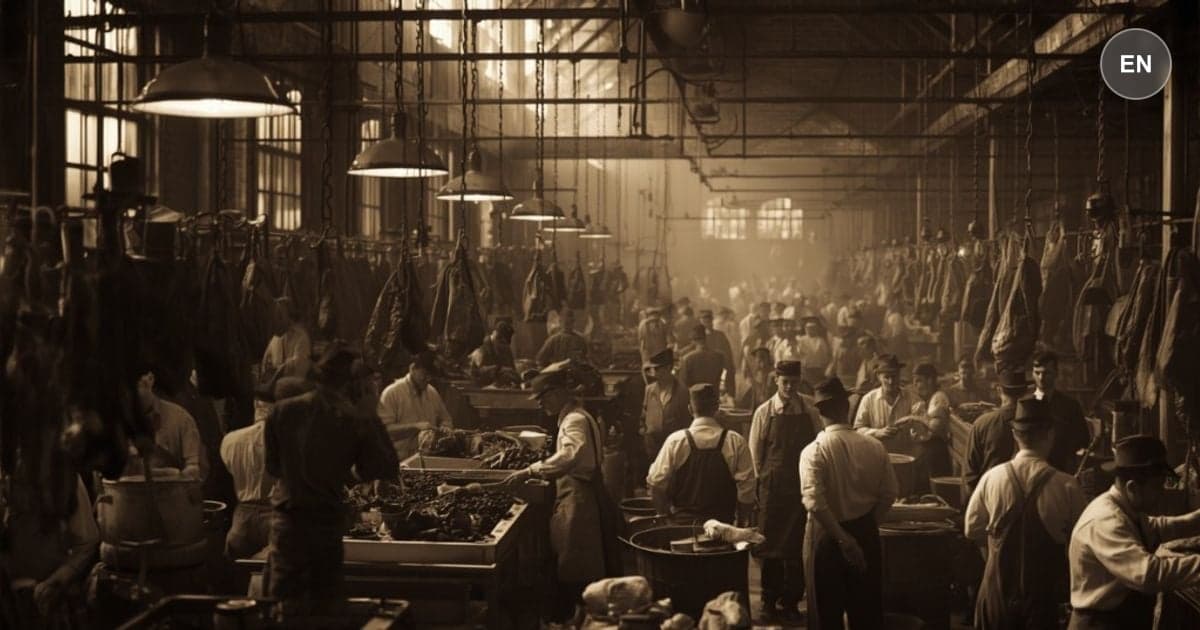
The Jungle
A Bill He Cannot ChangeTwo grafter sets call themselves parties. A hundred-dollar bill has nowhere safe to sleep. The city is another packing house.
The Idiot
A Child, They Called HimThe Epanchin women prepare to pity a charity case. He answers without a costume. They call that childhood. It is not.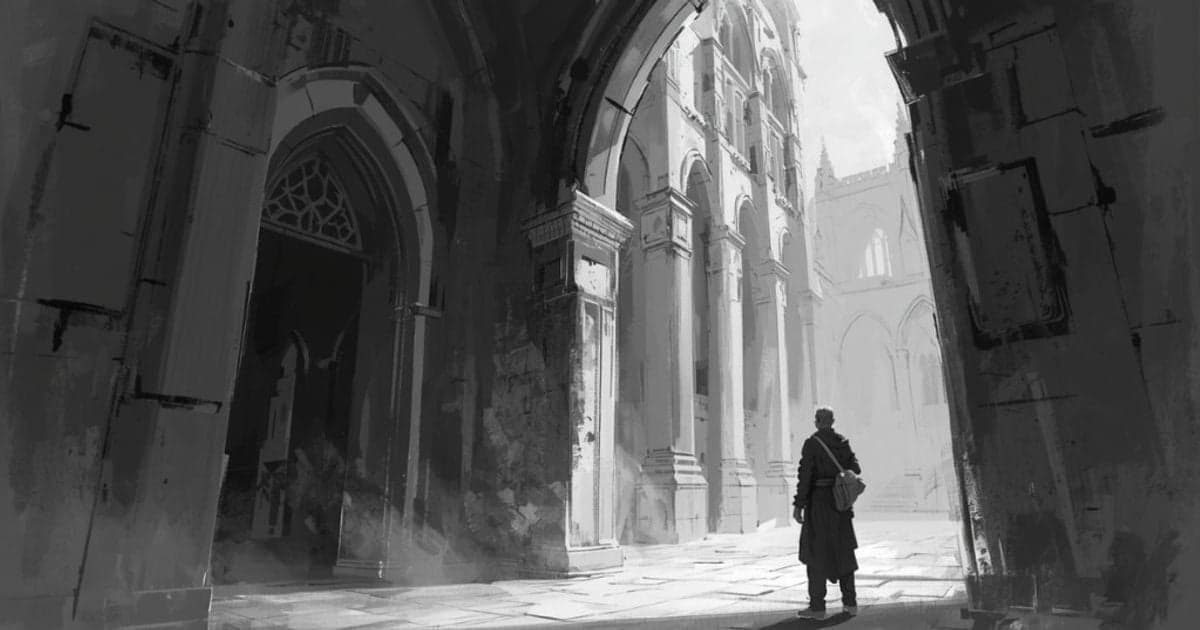
Jude the Obscure
A Complete Smashing UpA Saturday walk loses its Latin. Dimples and a crisis do the filing. Hardy tracks a capture that later returns as a wet lodging and a bottle.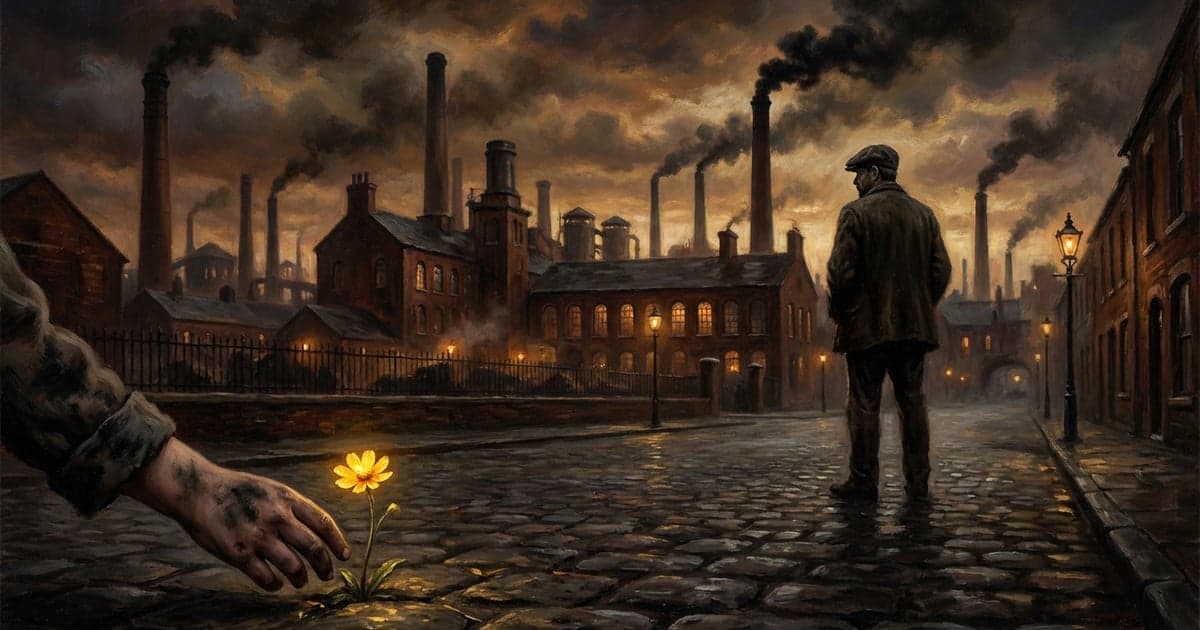
Hard Times
A Hand with a NameStephen will not be a Hand or a vote. Dickens follows a weaver both camps discard, then a pit that still has to hear his name.
A Tale of Two Cities
A House He Would Rather Keep Than EnterCarton tells Lucie he would die to keep a life she loves. Then he does it, and asks for nothing.A Tale of Two Cities
A Jackal Who Finally Keeps the BriefCarton does Stryver's briefs and drinks the rest. Then the Conciergerie asks for those years.A Tale of Two Cities
A Ledger That Will Not CloseMadame Defarge knits past the guilty man to the child. Revenge that will not close the ledger.
Great Expectations
A Life Cast Before ArrivalA convict wants a gentleman. A jilted woman wants a weapon. Pip lives both plots until the costume no longer fits.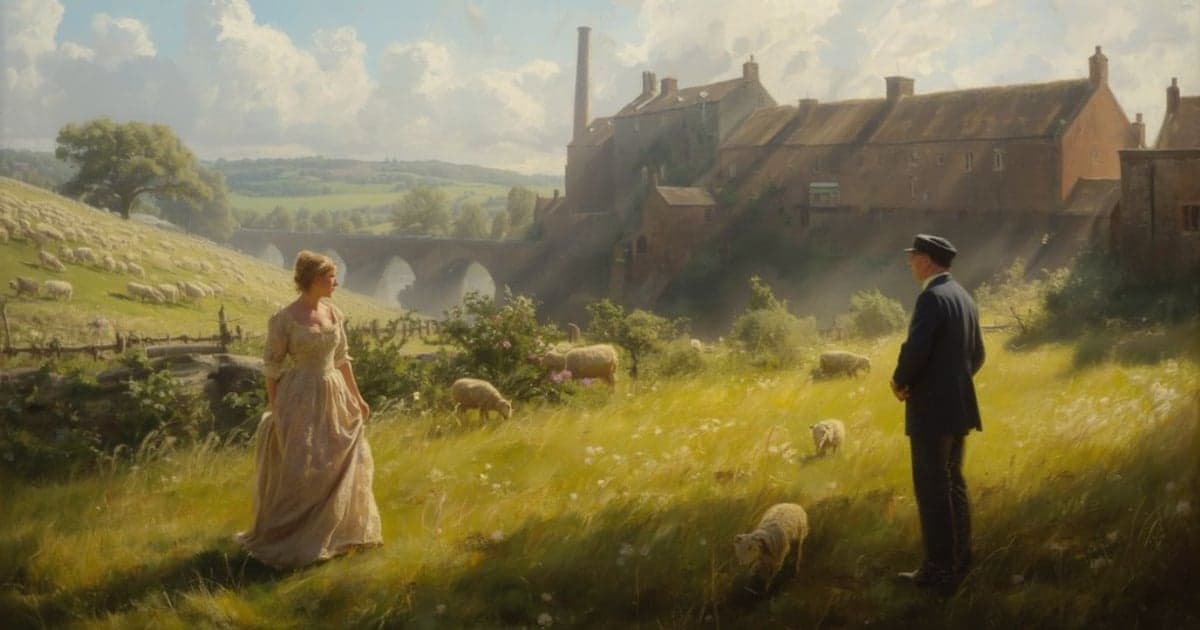
North and South
A Living Becomes a LieHale can keep the pulpit if he stays quiet. Margaret can keep her name if she lets Frederick be taken. Gaskell prices the honest act.
Persuasion
A Name That Cannot PaySir Walter recites rank as if it were climate. A lease, navy pay, and Bath prove it was only a habit that had stopped covering the bills.
Tess of the d'Urbervilles
A Picture That Could Not ForgiveAngel loves a daughter of Nature until the woman in front of him has a history. Mercy is what a principle does when it costs.North and South
A Romance on a PayrollCotton fluff, a strike that starves, capital that can restart a mill. Gaskell will not let love cancel a wage or manners pass for a class theory.A Tale of Two Cities
A Room That Has Already ChosenThe Old Bailey wants a hanging. Paris wants a grindstone. A crowd that has already decided.Great Expectations
A Story That Fit Too WellThe fortune arrives with a silence about who pays. Pip fills the blank with Satis House because that story flatters him.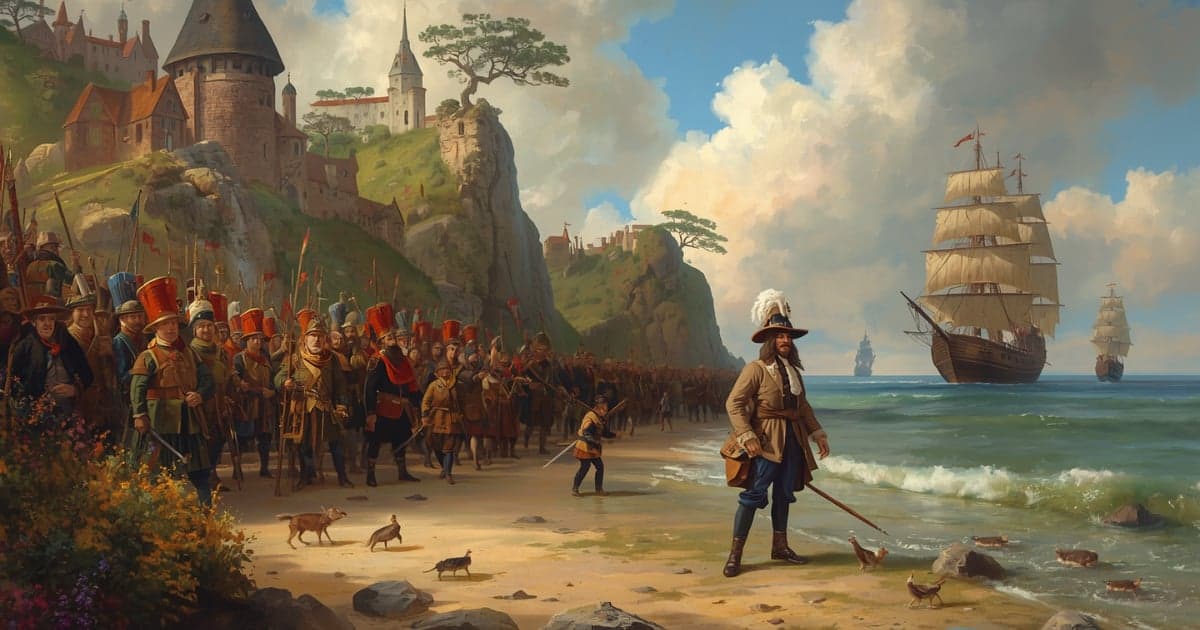
Gulliver's Travels
A Summary That ConvictsA king takes notes on England until praise becomes a brief. Swift shows the outsider's calm account as the test you cannot win by volume.A Tale of Two Cities
A Tossed Coin Comes Back as a CityA wine cask. BLOOD on a wall. A coin for a dead child. How contempt becomes a city.Persuasion
Advice With No ExpiryLady Russell's caution was accurate at nineteen. The damage is that the same model is still running at twenty-seven, on a different man.
Heart of Darkness
All Europe Made HimKurtz is not a jungle accident. He is talent plus ideology plus nobody who can say no, written in a shaking hand.
Evelina, Or, the History of a Young Lady's Entrance into the World
Already a VerdictA ballroom writes your character before you speak. One overheard minute can spend a standing you have not earned.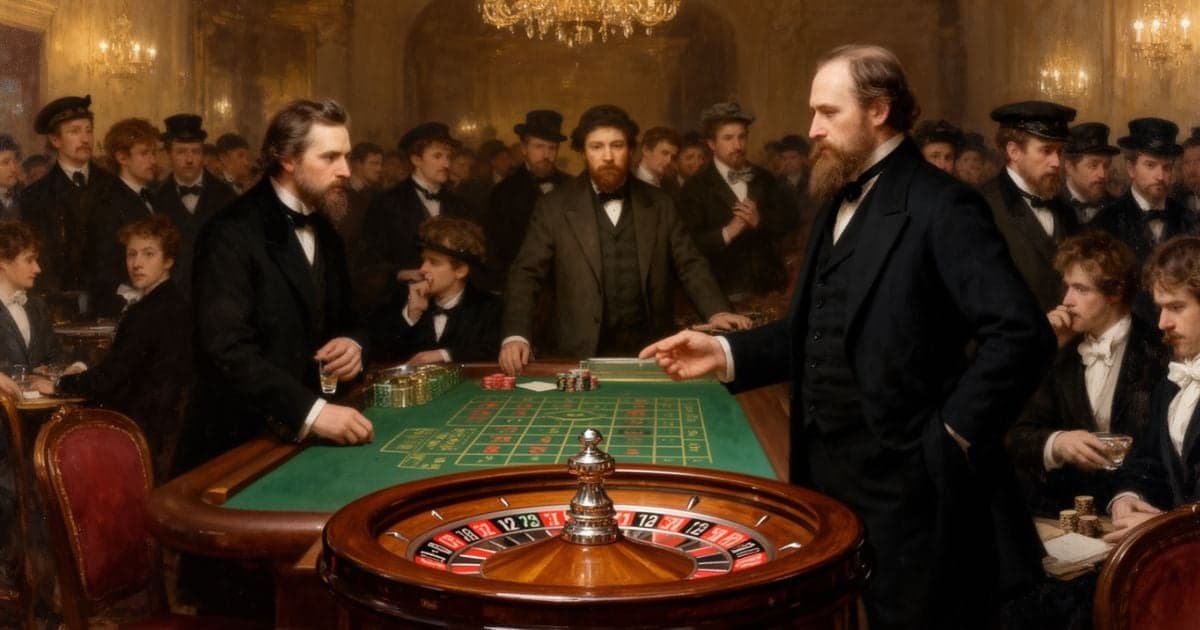
The Gambler
An Hour That Cannot Buy HerHe asks her to wait one hour, then storms in with two hundred thousand francs. Cash cannot purchase what the hour promised.
The Mill on the Floss
An Odor Round HerThe bazaar already had a word for her face. Dr Kenn could not change the shape of bonnets. An odor did the rest.
The Moonstone
An Unendurable NuisanceGodfrey calls charity a nuisance once the audience is a curtain. Watch what the public saint says when he thinks you are gone.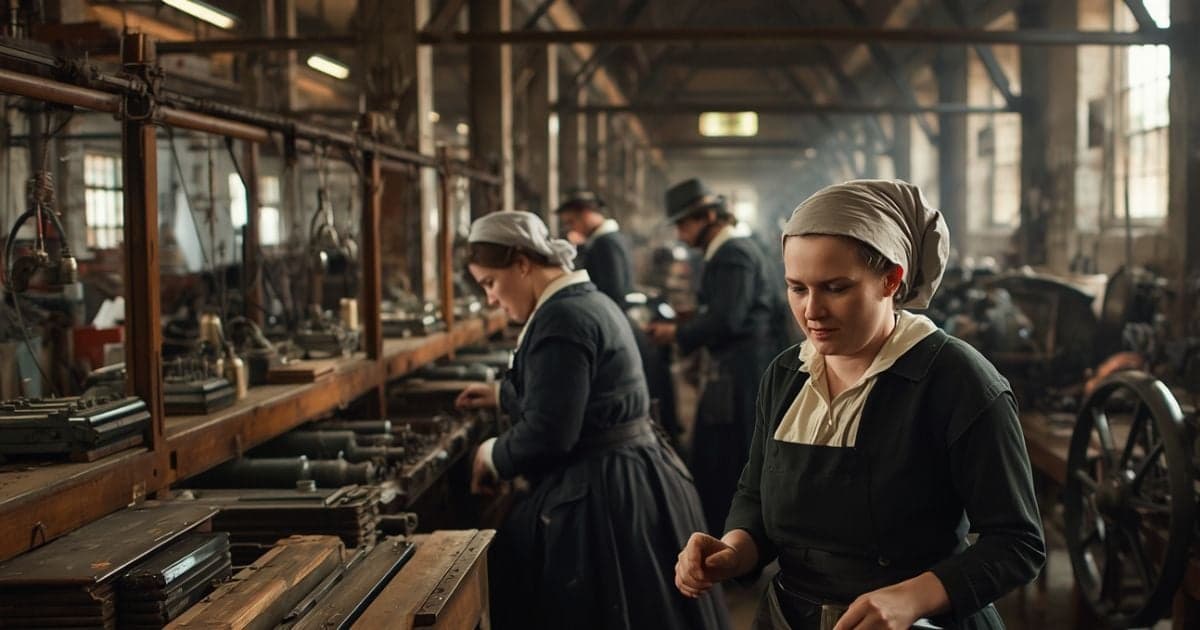
Das Kapital
Analyzing Class InterestsMr. Peel arrives with capital. There is no servant to fetch water from the river.
A Christmas Carol
Answering for Those Who Depend on YouFifteen shillings, a cold office, Tiny Tim's chair. Five staves on the lives tied to your wage.