
Lessons
Lessons from Wuthering Heights
Six lessons from this classic work, traced chapter by chapter.
0:00 / 0:00
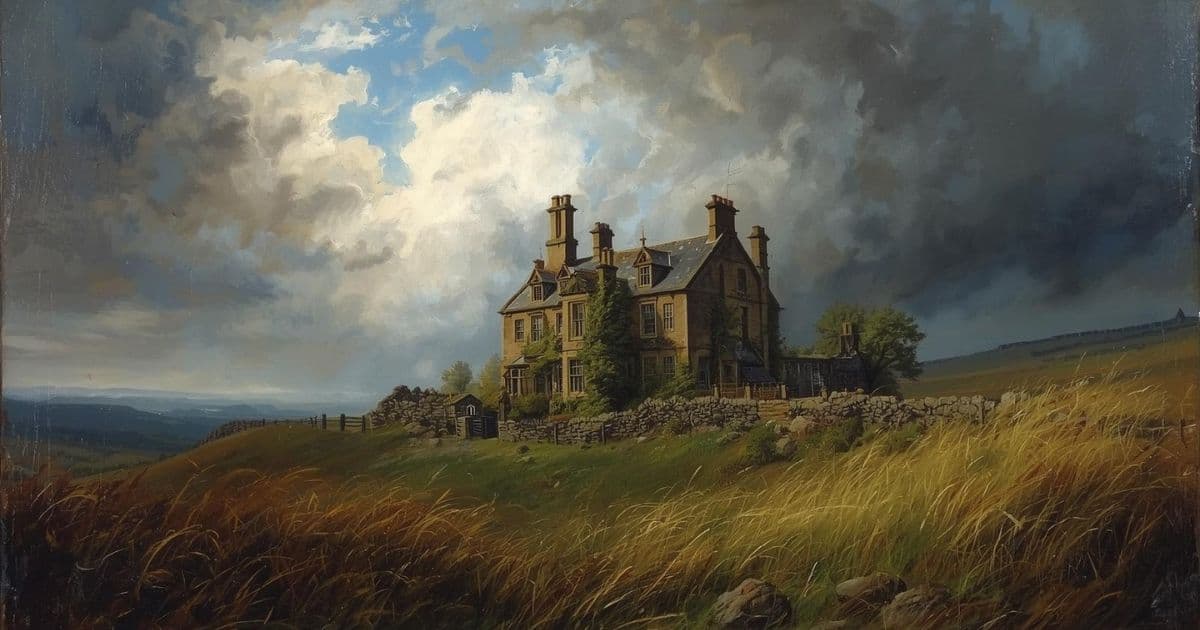
A fir branch taps the boarded window of a chamber Heathcliff keeps shut. Mr. Lockwood has rented Thrushcross Grange in 1801 and ridden over the moors to meet his landlord. The house is stone, carved with 1500 and Hareton Earnshaw. Dogs attack. Joseph curses. Hospitality arrives with closed teeth. Lockwood sleeps where the ledge is cut with Catherine Earnshaw, Catherine Heathcliff, and Catherine Linton. He breaks the glass and catches an ice-cold child's hand. Let me in, the voice sobs. Catherine Linton, lost on the moor twenty years. He grinds the wrist on the broken pane until blood soaks the bedclothes. Emily Brontë published Wuthering Heights in 1847 under the name Ellis Bell. The wound the book will not close is that a guest who wanted a bed is made to hold the dead, and the living have refused to let each other go.
Continue the summary
Nelly Dean is the housekeeper who was in every room and now tells Lockwood how it got that way. An old farmer walks to Liverpool one harvest morning and comes back with a dirty, ragged child he names Heathcliff and favours over his own son. Hindley, once the heir, drives the foundling to outdoor labour, strips the lessons, and flogs him when he and Catherine skip church. Catherine Earnshaw runs the moors with Heathcliff, then comes home from Thrushcross Grange refined and laughing at his clothes. Edgar Linton proposes with a gentleness that can be lived in. His sister will later take a marriage for a romance and learn it is open war. A new generation inherits both houses and the contempt stored in them. The pressure among them is not who loves hardest. It is who gets to stay human after love has already named itself as identity, property, and revenge.
One Sunday they spy through the Grange window. A dog bites Catherine. She stays five weeks and comes home a lady. Edgar proposes. Behind the settle she tells Nelly she has accepted, then says it would degrade her to marry Heathcliff now. That sentence is the hinge. Heathcliff is listening. He leaves on it and does not hear what follows: that her love for Edgar is foliage, that her love for Heathcliff is rock, that she is Heathcliff. She waits at the gate through thunder until midnight. Three years later Edgar leads her to Gimmerton Chapel. Heathcliff returns in September, transformed and rich, wins Hindley's money at cards, and lodges at the Heights. He persuades Edgar's sister to elope, then she flees across the snow after a thrown dinner-knife. Catherine fasts behind a barred door, tears the pillow, and calls across the moor. He comes on a Sunday while Edgar is at church. They clutch until his grip leaves four blue marks. About midnight she bears a seven-months daughter and dies two hours later without waking. Heathcliff, drenched among the trees, prays she haunt him, dashes his head against a trunk, and howls. Years later he opens the coffin. He takes the Heights when Hindley drinks himself to death, degrades the next heir as Hindley once degraded him, and forces his own dying son into a marriage that blocks Edgar's will.
Brontë is not writing a courtship that needs a better proposal. She is writing what a class wound and an overheard word do when nobody will grieve them. Reviewers called the book violent and strange. She nested the story inside Lockwood's visit and Nelly's memory so a stranger arrives as a trespasser and has to sit through two generations before the house will explain itself. The ending is earned because the second generation does not inherit the howl. Cathy, who mocked Hareton's ignorance, offers to teach him to read. They study by firelight. Heathcliff stops eating, stares at something invisible, and dies before dawn in the panelled bed, the window open to the rain, his face fixed in an exulting sneer. They bury him without a minister. Lockwood visits the three headstones and wonders how anyone could imagine unquiet slumbers in that quiet earth. Country tales still say a man and a woman walk the moor.
A childhood on the moors looks like companionship until the Grange window and the degrade line teach Catherine that intensity is not a life two people can share. Recognizing Destructive Love vs. Healthy Passion is that gap: I am Heathcliff, said after she has already accepted Edgar, a bond that refuses a separate self. Navigating Class Barriers and Social Mobility rides the same sentence, then the gentleman who returns rich with the injury still open. Once he is back, Understanding How Revenge Destroys the Avenger takes the cards, the forced marriage of young Cathy to dying Linton, and the open window: both houses arrive and the winner will not eat. Recognizing When Passion Has Become Possession is already in Lockwood's bed, then in the four blue marks and the opened coffin. Dealing with Unresolved Grief is the howl among the trees and the night walks that never end. Breaking Cycles of Intergenerational Trauma is the only release the book will grant: Cathy teaching Hareton to read by firelight instead of inheriting contempt.
Three names stay cut in a window-ledge. A fir branch still finds the pane. Wide Reads records summaries, quotes, and audio across all thirty-four chapters, from a child's wrist on broken glass to three headstones in a churchyard that Lockwood wants to call quiet.
Why this matters
People still arrive when intensity has been mistaken for a life plan, when an overheard sentence outruns the fuller truth, or when a family keeps handing the same wound to the next child. Brontë does not offer a better proposal scene. She shows what happens when grief stays loud, revenge wins both houses, and someone finally chooses to teach instead of mock. This guide keeps the moors tied to rooms, ledges, and bodies you can recognise.
Prestige deep dive
A Psychological Reading of Wuthering Heights
Wuthering Heights shows a bond that makes two children into one self, so grief cannot be mourned and returns as possession until a later pair learns to remain two people.
- A Child Brought Home Without a Surname
- I Am Heathcliff Is Not a Compliment
- He Leaves on the Half He Heard
Theme breakdowns
Explore the lessons
Wuthering Heights is a story about a boarded window and an ice-cold hand: Lockwood rents Thrushcross Grange in 1801, sleeps where three Catherines are carved in the ledge, and grinds a child's wrist on broken glass until Nelly Dean must explain how an overheard degrade line and a class wound turned love into property, revenge, and a second generation that finally teaches Hareton to read by firelight.
Each card traces a pattern through named chapters — summaries, quotes, and key insights tied to the scenes that prove it. Start with the featured lessons, then open the deep dives below.
Deep dives
Chapter-by-chapter breakdowns
Breaking Cycles of Intergenerational Trauma
See Cathy teach Hareton to read by firelight after she first mocked his books, and watch a cycle fail to inherit the howl.
Navigating Class Barriers and Social Mobility
Hear it would degrade her to marry him, then meet the gentleman who comes back rich with the same injury still open.
Continue Exploring
Guides, life skills, and the full library.More ways to read Wuthering Heights: guides, life skills, and the wider library.