
Suffering & Resilience in Classic Literature
Classic authors do not treat pain as decoration. They ask what suffering reveals, what it destroys, and what kind of person emerges on the other side.
These books span grief, exile, illness, poverty, and spiritual desolation. They offer no guaranteed happy ending, but they do show patterns of endurance, meaning-making, and the limits of sheer willpower.
Books Exploring Suffering & Resilience
Hard seasons arrive without a syllabus. These stories do not replace professional help, but they do offer language for loss and models of dignity when life refuses to improve on schedule.
A Sicilian Romance
Ann Radcliffe • 1790
A Tale of Two Cities
Charles Dickens • 1859
Anna Karenina
Leo Tolstoy • 1877
A Russian aristocrat abandons her marriage for a forbidden passion and pays a price that reveals how society punishes women for what it forgives in men.
As I Lay Dying
William Faulkner • 1930
Candide
Voltaire • 1759
Crime and Punishment
Fyodor Dostoevsky • 1866
Crime and Punishment is Dostoevsky's 41-chapter novel of a St. Petersburg student who murders to prove a theory: guilt, confession, and Siberia.
Dark Night of the Soul
Saint John of the Cross • 1578
Frankenstein
Mary Shelley • 1818
Jude the Obscure
Thomas Hardy • 1895
King Lear
William Shakespeare • 1608
King Lear by Shakespeare: free 24-scene guide to flattery, a failed succession, and the heath. Summaries, quotes, and audio.
Les Misérables: Essential Edition
Victor Hugo • 1862
Letters from a Stoic
Seneca (Lucius Annaeus Seneca) • 65
Madame Bovary
Gustave Flaubert • 1857
Emma Bovary's romantic fantasies, debts, and affairs destroy a provincial marriage. Flaubert's 1857 realism still maps delusion and consumption today.
Moby-Dick
Herman Melville • 1851
Paradise Lost
John Milton • 1667
Paradise Lost by John Milton: free 12-book guide to Satan's rebellion, Eden, and the fall. Summaries, quotes, themes, and audio.
Robinson Crusoe
Daniel Defoe • 1719
Robinson Crusoe by Daniel Defoe: free 19-chapter guide to survival, isolation, and rebuilding after loss. Summaries, quotes, and audio.
The Bhagavad Gita
Vyasa • -400
The Book of Job
Anonymous • -600
The Consolation of Philosophy
Boethius • 524
The Count of Monte Cristo
Alexandre Dumas • 1844
The Count of Monte Cristo by Alexandre Dumas: wrongful imprisonment, hidden fortune, and methodical revenge. Free 117-chapter guide with summaries and audio.
The Dhammapada
Buddha • -300
The Dhammapada is the Buddha's 26-chapter verse handbook for the mind: thought shapes life, hatred does not end by hatred, and practice outranks recitation. Free chapter summaries, key quotes, and life lessons with audio.
The Divine Comedy
Dante Alighieri • 1320
The Divine Comedy: free 100-canto guide through Inferno, Purgatorio, and Paradiso. Canto summaries, key quotes, moral themes, and life lessons with audio.
The Economic Consequences of the Peace
John Maynard Keynes • 1919
The Enchiridion
Epictetus • 125
The Enchiridion by Epictetus: free 51-chapter Stoic handbook on control, judgment, and inner freedom. Summaries, quotes, themes, and audio.
The Idiot
Fyodor Dostoevsky • 1869
The Jungle
Upton Sinclair • 1906
The Mill on the Floss
George Eliot • 1860
The Odyssey
Homer • -700
The Picture of Dorian Gray
Oscar Wilde • 1890
The Scarlet Letter
Nathaniel Hawthorne • 1850
Ulysses
James Joyce • 1922
Life-skill deep dives
What classic books teach about suffering & resilience — chapter-by-chapter analysis.

Les Misérables: Essential Edition
A Bad ExampleFantine's child is a line on a form. Hugo shows how a prosperous town can still price a mother out of work and call it example.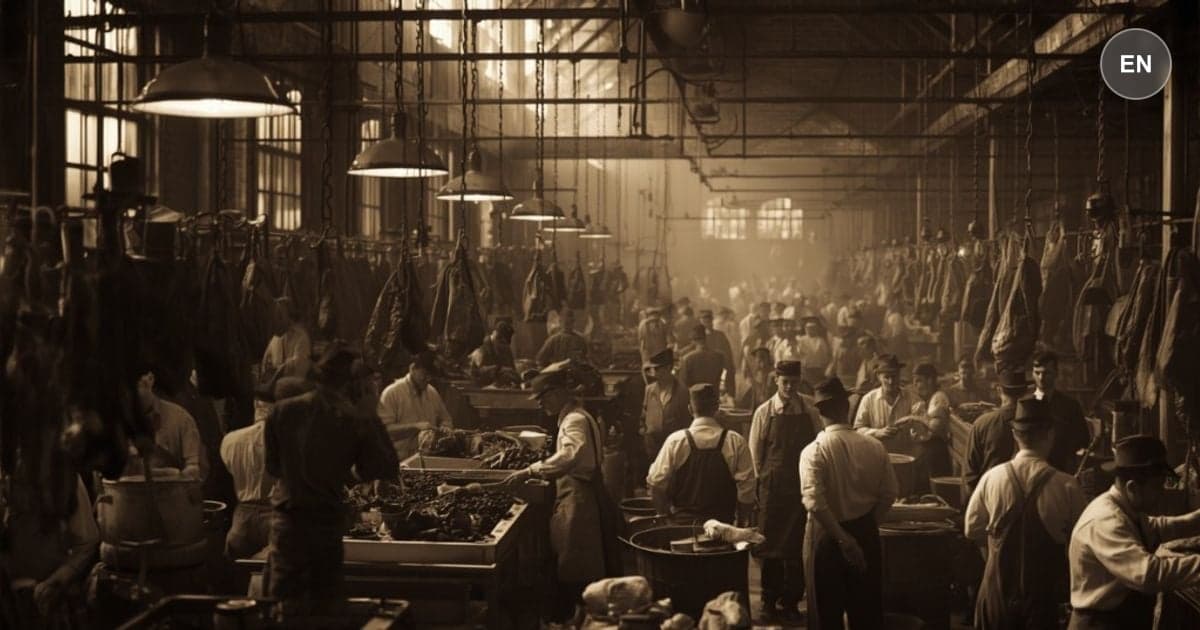
The Jungle
A Bill He Cannot ChangeTwo grafter sets call themselves parties. A hundred-dollar bill has nowhere safe to sleep. The city is another packing house.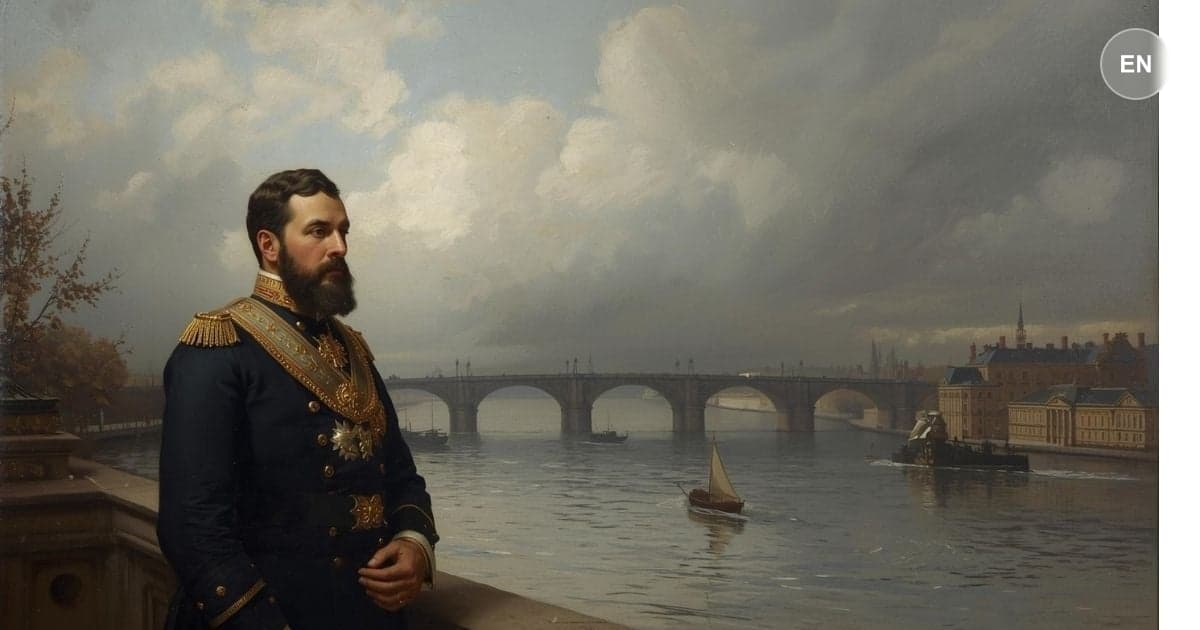
The Idiot
A Child, They Called HimThe Epanchin women prepare to pity a charity case. He answers without a costume. They call that childhood. It is not.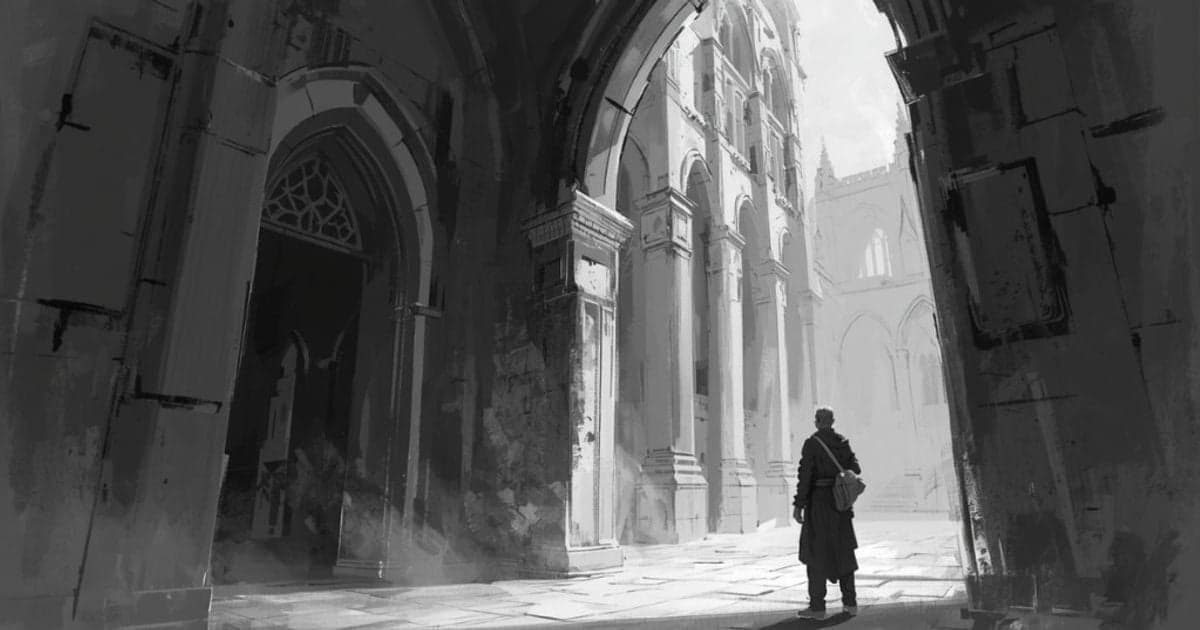
Jude the Obscure
A Complete Smashing UpA Saturday walk loses its Latin. Dimples and a crisis do the filing. Hardy tracks a capture that later returns as a wet lodging and a bottle.
A Tale of Two Cities
A House He Would Rather Keep Than EnterCarton tells Lucie he would die to keep a life she loves. Then he does it, and asks for nothing.A Tale of Two Cities
A Jackal Who Finally Keeps the BriefCarton does Stryver's briefs and drinks the rest. Then the Conciergerie asks for those years.Les Misérables: Essential Edition
A Just ManMyriel lives on less so others can eat. Hugo prices mercy as a daily allocation, then as the life Valjean later refuses to take.
The Enchiridion
A Lame Leg, a Free WillLameness stops a leg. It does not stop a will. Stop treating a handsome horse as if the beauty were yours.A Tale of Two Cities
A Ledger That Will Not CloseMadame Defarge knits past the guilty man to the child. Revenge that will not close the ledger.A Tale of Two Cities
A Room That Has Already ChosenThe Old Bailey wants a hanging. Paris wants a grindstone. A crowd that has already decided.A Tale of Two Cities
A Tossed Coin Comes Back as a CityA wine cask. BLOOD on a wall. A coin for a dead child. How contempt becomes a city.
The Consolation of Philosophy
A Wheel That Only RoseFortune's job is to give and take. A wheel that only rose would not be a wheel, and Boethius had cashed the upswing.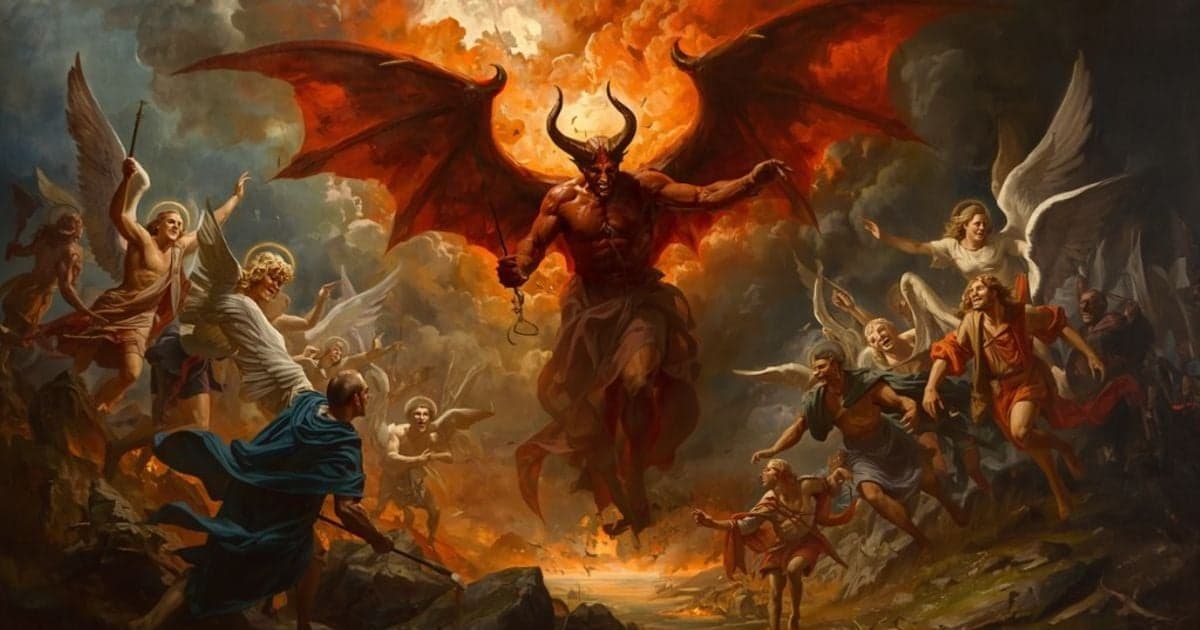
Paradise Lost
A Wound Called LibertyConscience agrees. Pride answers. The most dangerous principle is the one that cannot survive looking small.Les Misérables: Essential Edition
A Yellow PassportA gendarme does not return a salute. Hugo shows how a completed sentence still walks through town as a finished person.
King Lear
According to My BondBurgundy recalculates when the dowry falls. Cordelia's bond looks like a snub. Shakespeare prices a toast against a person who will not bid.
The Bhagavad Gita
Acting Without AttachmentDo the Work, Drop the FruitKrishna gives Arjuna the act and withholds the fruit. Full commitment stays. Ownership of the result does not.Paradise Lost
After the Line Is CrossedSome doors close in the will before they close in the world. After that, the work is walking, not undoing.
The Mill on the Floss
An Odor Round HerThe bazaar already had a word for her face. Dr Kenn could not change the shape of bonnets. An odor did the rest.
The Dhammapada
Awake Among the SleepersDeath takes the distracted flower-gatherer like a flood on a sleeping village. One awake day outweighs a century of drift.
Anna Karenina
Balancing Passion and ResponsibilitySeryozha's birthday, Karenin's public face, a divorce that never arrives. Desire spends people who did not choose it.The Mill on the Floss
Behind the TubFive dark minutes behind the tub. Pride loses. The adult novel is still that attic, asking to be loved again.
Villette
Being Truly SeenGraham looks through Lucy; Paul will not. Eight chapters on visibility after years of armor.The Enchiridion
Bound Like a SheepKiss a mortal. Hold the estate as travelers hold an inn. When the captain calls, run, or be carried bound like a sheep.
Letters from a Stoic
Bravery Even to LiveIllness nearly ended him. What stopped the knife was his father, not a theory. Hardship is not the misery; naming it is.