
Richard III

William Shakespeare
0:00 / 0:00
Richard, Duke of Gloucester, steps forward the moment England has peace and tells you he will not keep it. Now is the winter of our discontent made glorious summer by this sun of York, and he will not live in it. He calls himself deformed, unfinished, unfit for sport, and chooses villainy out loud: since he cannot prove a lover, he is determined to prove a villain. Shakespeare staged the play around 1592. The man who tells you exactly what he is will still get a crown, because a court, a family, and a city keep saying yes.
Richard is the youngest brother of King Edward IV: sharp, theatrical, and so sure that grievance licenses anything that he recruits the audience as witness before he recruits a single ally. Lady Anne walks beside Henry VI's coffin, the widow of a man Richard killed, and still takes his ring. George, Duke of Clarence, believes the wounded brotherhood and walks into the Tower. Buckingham builds the theater that makes a crown look like a duty, then asks for a pause and is discarded. Queen Elizabeth sees the pattern and still has to speak it in public before anyone will hear. Lord Hastings says if at a council table and is beheaded before dinner. Around them Shakespeare places the two princes in the Tower, Tyrrell who can do the work Buckingham will not, Margaret who names the curse early, and Richmond, who arrives only when the hunt has already eaten the court.
Richard turns Edward against Clarence with a drunken prophecy that G will murder the king's heirs. He stops Anne at the coffin, lends her the sword, and calls the conquest an experiment he will not keep. Hired murderers drown Clarence in a malmsey-butt. Edward dies. The princes arrive. Elizabeth flees into sanctuary. At a Tower council Richard shows a withered arm, accuses witchcraft, and has Hastings killed for the word if. With Buckingham he parades the head to the Mayor, sends a script to Guildhall that Edward's children are bastards, then takes a prayer book, stands between two bishops, and plays the reluctant maid until they force the crown on him. Once king, he tests Buckingham: the princes must die. Buckingham hesitates. Tyrrell does not. The boys are smothered. Richard then courts Elizabeth for her daughter's hand and offers to bury the murdered princes in the girl's womb. The night before Bosworth the ghosts tell him to despair and die. He wakes asking whether Richard loves Richard, then will not withdraw. He cries a horse, a horse, my kingdom for a horse, and dies fighting. Derby plucks the crown from the dead temples.
Shakespeare wrote the play from Tudor sources that needed Richard to be a monster. He never treats the hunchback as a cartoon, or the wooing as a cute test, or Bosworth as simple justice arriving on schedule. Charm without empathy is not a personality. It is a method. Brotherhood, piety, and grief all become tools the moment someone needs them to be. What remains is not a sermon against ambition. It is a picture of how a predator narrates his own hunt, and of how a court keeps applauding until there is nobody left in the room but the man who wrote the script.
The first pressure is already in that opening speech: he names the villainy and recruits the audience as witness before he recruits a single ally. Recognizing Sociopathic Charm is the funeral ring, the prayer book between two bishops, and the speed that feels like fate until you notice there is no self underneath it. Understanding Manipulation Tactics is Clarence's arrest, Hastings's if, and the Guildhall script that makes people feel responsible for their own destruction. Protecting Yourself from Predators is Elizabeth's verbal duel and Buckingham's pause, then who gets discarded the moment they hesitate. Detecting Performative Emotion is the weeping over Hastings's head and the kneel as if the crown were a burden. Recognizing Triangulation is blaming the Queen's faction, splitting allies, and making himself the only safe person in the room. Seeing Through Strategic Vulnerability is deformity used as permission, humility used as a mask, and the reluctant-king act that forces a yes.
He takes a prayer book, stands between two bishops, and plays the reluctant maid until they force the crown on him. The night before Bosworth the ghosts tell him to despair and die. He wakes asking whether Richard loves Richard. He cries a horse, a horse, my kingdom for a horse, and dies fighting. Derby plucks the crown from the dead temples. Wide Reads keeps summaries, quotes, and audio on all twenty-five scenes, from that winter of discontent to the last unpaid ride.
Lessons from Richard III
Theme-by-theme chapter breakdowns of the essential skills in this classic work.
Lessons from Richard III
Theme-by-theme chapter breakdowns of the essential skills in this classic work.Deep dives
Chapter-by-chapter breakdowns
Protecting Yourself from Predators
Sit with Elizabeth's verbal duel and Buckingham's pause, then notice who gets discarded the moment they hesitate.
Why strew'st thou sugar on that bottled spider, whose deadly web ensnareth thee about?
Detecting Performative Emotion
See Richard weep over Hastings's head and kneel with a prayer book: feeling performed for the room, not felt.
It cannot be, for he bewept my fortune, and hugged me in his arms, and swore with sobs.
Table of Contents
Act I, Scene 1: The Deformed Villain's Opening
Richard opens alone and tells you exactly who he is before anyone else can. England has peace at las...
Act I, Scene 2: The Seduction of Lady Anne
Anne follows Henry VI's coffin and curses his killer with deformed children and a miserable widow's ...
Act I, Scene 3: The Court Intrigue Begins
Queen Elizabeth, Rivers, and Grey wait on news of the sick King and fear Richard as Protector if Edw...
Act I, Scene 4: Clarence's Murder
Clarence tells the Tower keeper he has passed a miserable night. In his dream he escapes with Glouce...
Common Questions About Richard III
Trending search questions mapped to the lessons in this play—what readers actually ask Google about Richard's opening speech, Lady Anne, the princes in the Tower, Bosworth, and a horse for a kingdom.
What is Richard III about?
Shakespeare's early history play: Richard, Duke of Gloucester, names his villainy in the opening speech and hunts a crown through Clarence's murder, Hastings's if, a Guildhall script, and a prayer book between two bishops. Lady Anne takes his ring beside Henry VI's coffin. Buckingham builds the theater until he hesitates over the princes. Tyrrell smothers the boys. Richard dies at Bosworth crying a horse, my kingdom for a horse.
Explore Recognizing Sociopathic CharmWhy does Richard woo Lady Anne in Richard III?
She walks beside Henry VI's coffin, widow of a man Richard killed, and still takes his ring. He stops her at the funeral, lends her the sword, and calls the conquest an experiment. The scene is Shakespeare's proof that charm without empathy is a method: grief, piety, and outrage all become tools the moment someone needs them to be.
Explore Recognizing Sociopathic CharmWhat does "Now is the winter of our discontent" mean in Richard III?
Richard's opening line: England has peace under his brother Edward IV, made glorious summer by this sun of York, and Richard will not live in it. Winter is his grievance, not the season. He chooses villainy out loud because he cannot prove a lover, and recruits the audience as witness before he recruits a single ally.
Explore Seeing Through Strategic VulnerabilityWho killed the princes in the Tower in Richard III?
Richard orders the deaths once king. Buckingham hesitates when asked to do the work. Tyrrell does not. The boys are smothered offstage, and Richard later offers to bury the murdered princes in their sister's womb when he courts Elizabeth for her daughter's hand. The play never treats the murder as a mystery. It treats hesitation as the line between accomplice and disposable tool.
Explore Protecting Yourself from PredatorsHow does Richard III die in Richard III?
At Bosworth Field the night before battle, ghosts tell him to despair and die. He wakes asking whether Richard loves Richard, then will not withdraw. Richmond's army closes in. Richard cries a horse, a horse, my kingdom for a horse, and dies fighting. Derby plucks the crown from the dead temples. The throne that isolated the man who lied his way onto it ends with no kingdom left to buy escape.
Explore Understanding Manipulation TacticsWhat life lessons does Richard III teach?
Six lessons run through the play: recognise sociopathic charm that arrives too fast and has no self underneath; understand manipulation that makes people feel responsible for their own destruction; protect yourself when hesitation gets you discarded; detect emotion performed for the room, not felt; see triangulation that makes one person the only safe ally; and read strategic vulnerability used as permission for a crown. Those skills, not a Tudor sermon, are why the play still answers modern searches.
About William Shakespeare
Published 1597
William Shakespeare (1564-1616) was born in Stratford-upon-Avon, the son of a glover who held town office and then lost it. He became an actor, a shareholder in the Lord Chamberlain's Men, and the writer whose histories, comedies, and tragedies filled the Globe.
Richard III belongs to the early 1590s, likely 1592-1593, when the history cycle was still a live argument about how the Tudors got the throne. The play was immediately popular, performed and printed more often than any of his other histories in his lifetime. Audiences came for a villain who talks to them.
He was writing under the dynasty that had killed Richard at Bosworth Field. The Tudors needed a monster to make Henry VII's claim look like rescue. Shakespeare drew on Thomas More's History of King Richard III for the hunchback, the murders, and the theatrical tyrant. What he built is not a chronicle. Richard names the role, recruits the audience as witness, and turns grief, piety, and brotherhood into tools. Whether the real king was this cruel is a historian's fight. The character is psychologically exact: charm without empathy, grievance used as permission, and a throne that isolates the man who lied his way onto it.
Why William Shakespeare Matters Today
William Shakespeare speaks to the moment the most persuasive person in the room names their grievance as permission: the colleague who recruits you as witness before asking for anything, the charm that arrives too fast at a funeral, the triangulation that makes one person the only safe ally. Richard III opens with winter of our discontent and a villain who tells you exactly what he is, then still gets a crown because the court keeps saying yes.
What makes him indispensable is that he never treats Richard as a cartoon hunchback. He wrote under the Tudors who needed a monster at Bosworth, but built a predator who narrates his own hunt: Anne takes the ring, Hastings says if and is beheaded before dinner, Buckingham hesitates over the princes and is discarded, Tyrrell does not hesitate. Charm without empathy is not a personality. It is a method. Brotherhood, piety, and grief all become tools.
The play was the most popular of his histories in his lifetime because audiences came for a villain who talks to them. Readers still search the opening speech, Lady Anne, and a horse for a kingdom because the skills are modern: recognise sociopathic charm, understand manipulation, protect yourself from predators, detect performative emotion, see triangulation, and read strategic vulnerability used as a mask. The throne isolates the man who lied his way onto it until the only thing left to buy is escape.
More by William Shakespeare in Our Library
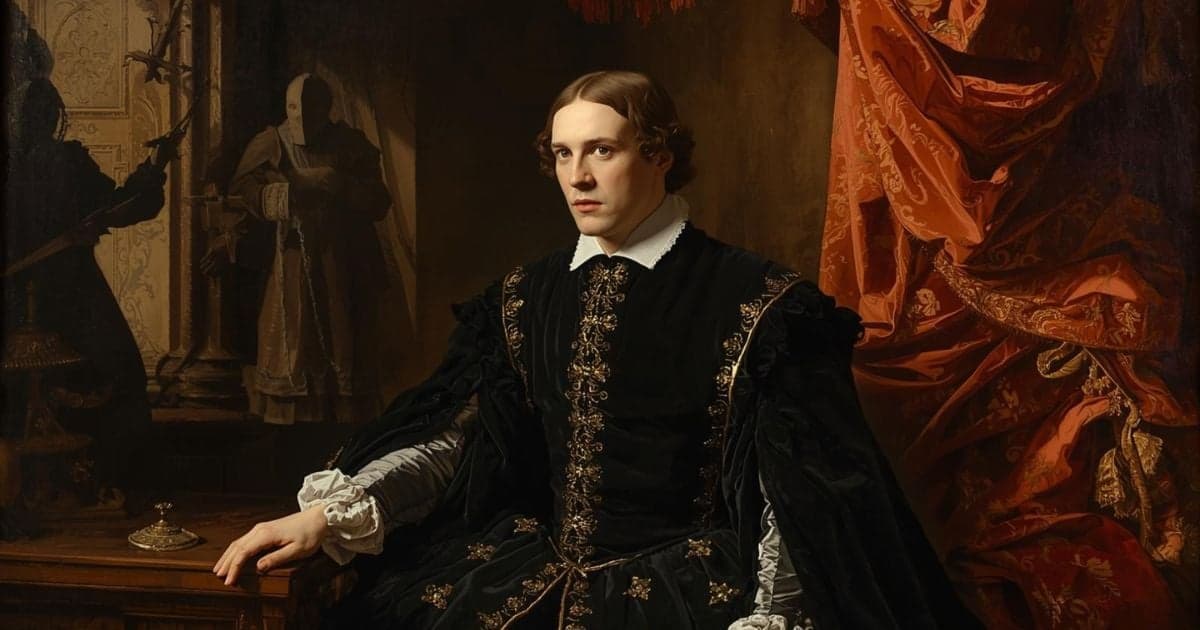
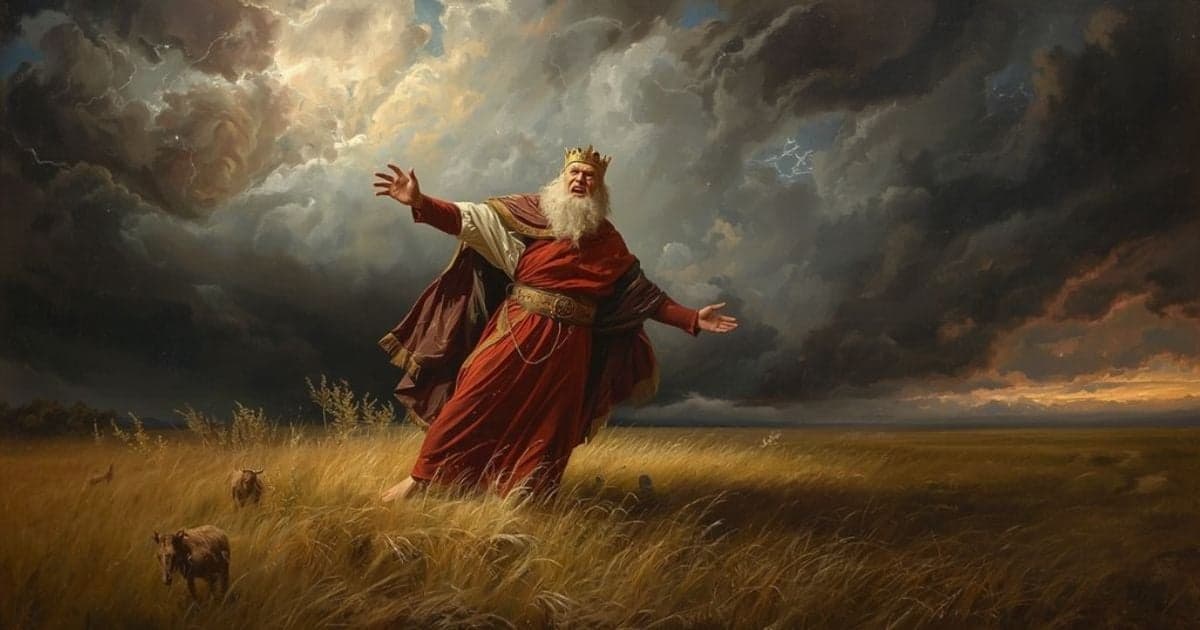
Wide Reads is different.
Plot, characters, and themes — plus audio, source text, and patterns you can use after class
Two ways in
Read & listen to the summary
Chapter by chapter, with audio. The meaning arrives because you experienced it — not because someone listed bullet points.
Start with this.
Read the original text
The actual words the author wrote, alongside every summary. Use the guide, then step into the source.
Then step into the source.
Either way, the door opens inward.
— and most of all, Why does this matter?
Get the Full Book
Purchase the complete book to access all chapters and support classic literature

Available in paperback, hardcover, and e-book formats
You Might Also Like
Free to read • No account required