
Read at 11pm. Discuss at Dinner.
Pride and Prejudice is on the dinner table—your daughter's college reading list. She's engrossed, asking what a passage means. You want to meet her there, but you've heard the title your whole life and still couldn't tell her what it's about. Between work and getting dinner on the table, who has time for a 200-year-old novel? Her questions intrigue you anyway. That's where we come in.
Listen while you read
Chapter summaries in audio—plain language, about two minutes each, no academic jargon.
Turn the patterns into dinner-table conversation. Cultural capital the whole family can share.
Literature that fits your life, not the other way around.
Built for conversation at the dinner table, not solo reading. Parents and grandparents go first—they set the tone the rest of the family follows. Time it with the school year, when your teen is already studying the book in class.
Popular picks with life skills to take away
Audio summaries for quick understanding, written in plain language—and encouragement to read the actual book.
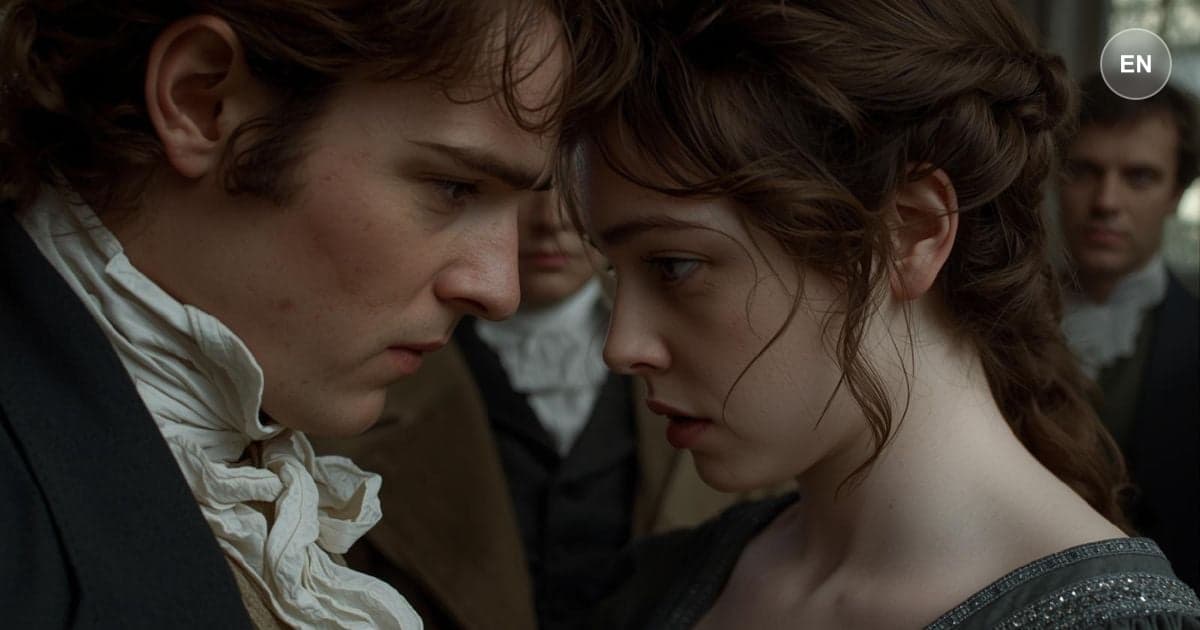
Pride and Prejudice
First impressions, pride, and reading the room

The Odyssey
Loyalty, patience, and finding your way home

The Enchiridion
What is yours to control when life is not fair

A Tale of Two Cities
Sacrifice and what you owe other people

Meditations
Staying steady under pressure

The Brothers Karamazov
Family conflict, faith, and moral responsibility
The Truth
This is Cultural Capital
It's how progressive families stay progressive—and the basic foundation of genuine education.
The Myth
Classic literature is too hard for busy families
The Truth
Classic literature feels hard because most guides were written for professors, not parents coming off a double shift. We write in plain English—no academic jargon, no footnotes you have to decode first. Read at 11pm when you're exhausted. Skim one chapter on your phone while dinner simmers. Still understand what the book is actually about and what it means for your family. You don't need a literature degree. You need explanations that work when you're tired—and that's exactly what we built.
The Myth
My kids will learn this in school
The Truth
School teaches the plot—who married whom, what happened at the end, enough to pass the test. Wide Reads reveals the life skills buried in every chapter: how people manipulate, where power actually sits, what pride costs before love can begin. Your kids are already reading these books. The question is whether they're learning to recognize manipulation in real life, read a room, or spot when someone's desperation becomes their problem. That's the layer school rarely has time for—and what your family can discuss at dinner tonight.
The Myth
This is just for educated families
The Truth
Nobody dreams of being uneducated. The most educated families tend to be progressive—stable careers, strong morals, values that hold from one generation to the next. That's cultural capital: knowledge gatekept for centuries that still opens doors today. Wide Reads puts it within reach of any family—no literature degree required. If that wasn't your inheritance, be the one who starts it for your kids.
The Myth
We don't have time to read together
The Truth
You have the time—you're spending it scrolling. Trade an hour of TikTok or Facebook for something that upgrades your family together. You don't need a marathon. One chapter when you can. One pattern recognized at dinner. One conversation that sticks. That rhythm compounds into wisdom your family carries long after the feed moves on.
Start here
Begin Reading
Four books families reach for first—school lists, dinner-table talk, and life skills you can use the same week.
Minimum Effort
Wide Reads Is Minimum Effort Reading
Every guide includes plain-English audio summaries. Listen while you cook, commute, or wind down—then show up at dinner actually knowing what the book is about.
Audio Summaries
Every chapter has a plain-English audio summary. Listen instead of slogging through footnotes—same understanding, a fraction of the effort.
Fits the Cracks in Your Day
Five minutes in the car line. Ten minutes folding laundry. Enough to keep up with what your kids are reading without carving out an evening.
Deep Dive and Read
When you're ready to go further, send the original chapter text straight to your email. Read the real book on your own time—no hunting for editions or downloads.
Ready for Dinner
Walk into the conversation knowing the story—and the life skills buried inside it. Audio first, discuss second.
The Method
How Families Use This
Literature that works with your schedule, not against it.
Read When You Can
11pm after your shift. Sunday morning coffee. Waiting at practice. Plain English that works when you're tired.
Discuss at Dinner
Patterns become conversation starters. 'Remember the Pride and Prejudice pattern? I saw that at work today.'
Connect Generations
Parents and kids reading the same books. Grandparents sharing insights. Wisdom that flows both ways.
Build Life Skills
Every chapter teaches Communication, Emotional Intelligence, Decision Making, Relationships—skills that transfer to real life.
Family Time
Dinner Table Conversations That Transform
Real discussions about patterns you recognize. Share insights. Connect literature to your actual life.
Family Discussion Starter:
“Remember when we judged the new neighbor before we met them? That's the Pride and Prejudice pattern. How do we stay open to changing our minds?”
Real Life Connection:
Discussing job interviews, meeting new people, dating—where first impressions lock us into positions that are hard to change.
Family Discussion Starter:
“When your boss dumps their crisis on you, that's transferred desperation. How do we protect ourselves while staying compassionate?”
Real Life Connection:
Talking about workplace dynamics, family obligations, toxic relationships—recognizing when someone's desperation becomes your problem.

Family Discussion Starter:
“Which parts of yourself are you editing to fit in? What contradictions do we accept without question?”
Real Life Connection:
Discussing authenticity, peer pressure, social expectations—learning to distinguish helpful guidance from control disguised as care.

What Your Family Learns
Lessons from Every Chapter
These aren't just stories. Every chapter teaches skills that transfer to real life.
Communication
Reading between the lines, detecting unstated messages, articulating complex ideas.
Emotional Intelligence
Recognizing emotions, understanding motivations, developing empathy.
Decision Making
Assessing risks, evaluating options, making strategic choices.
Leadership
Leading with influence, taking responsibility, providing guidance.
"The families who see patterns together build wisdom that lasts generations. The ones who discuss at dinner carry it forward."
This is how cultural capital is built.
Behind every great family is someone who saw the patterns first. Be that person.
Want the wisdom distilled?
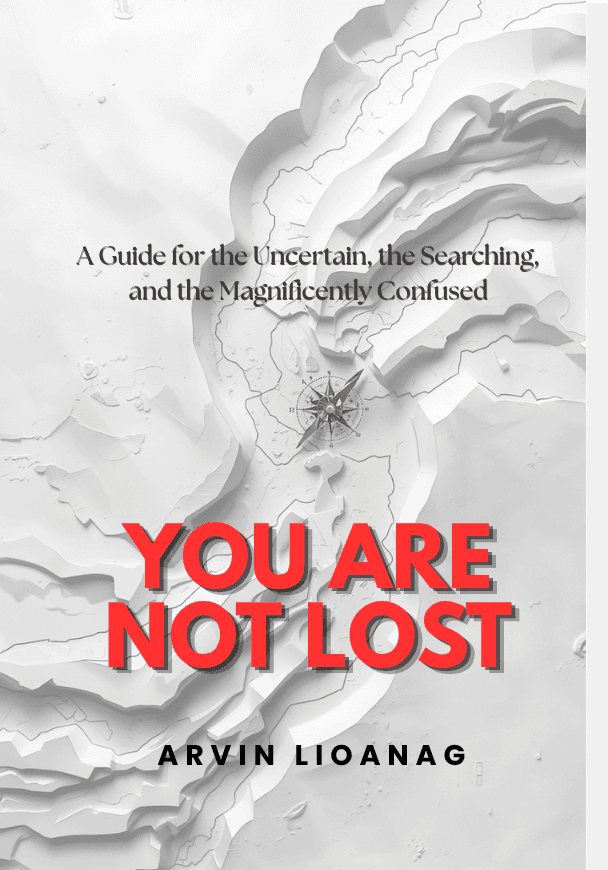
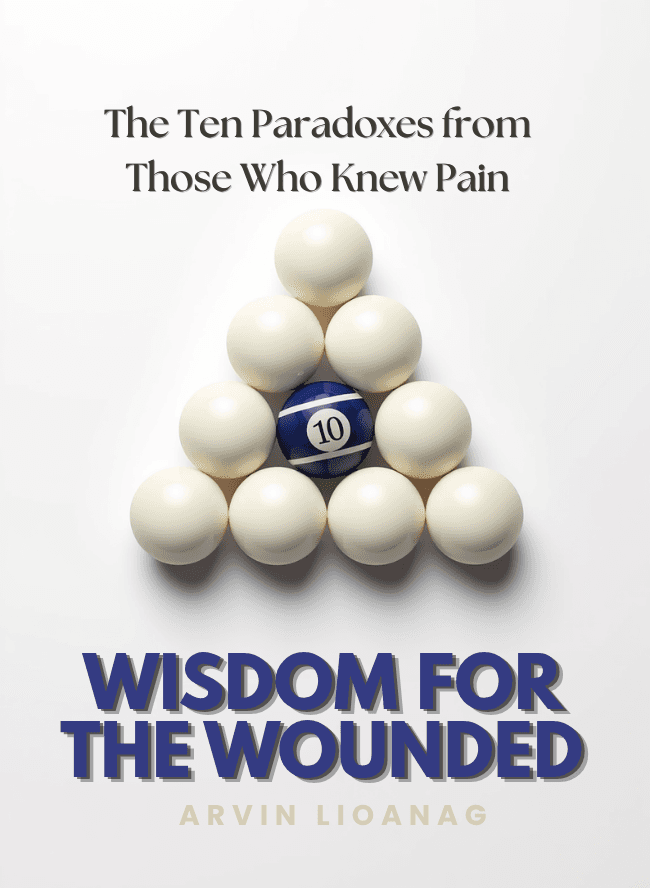
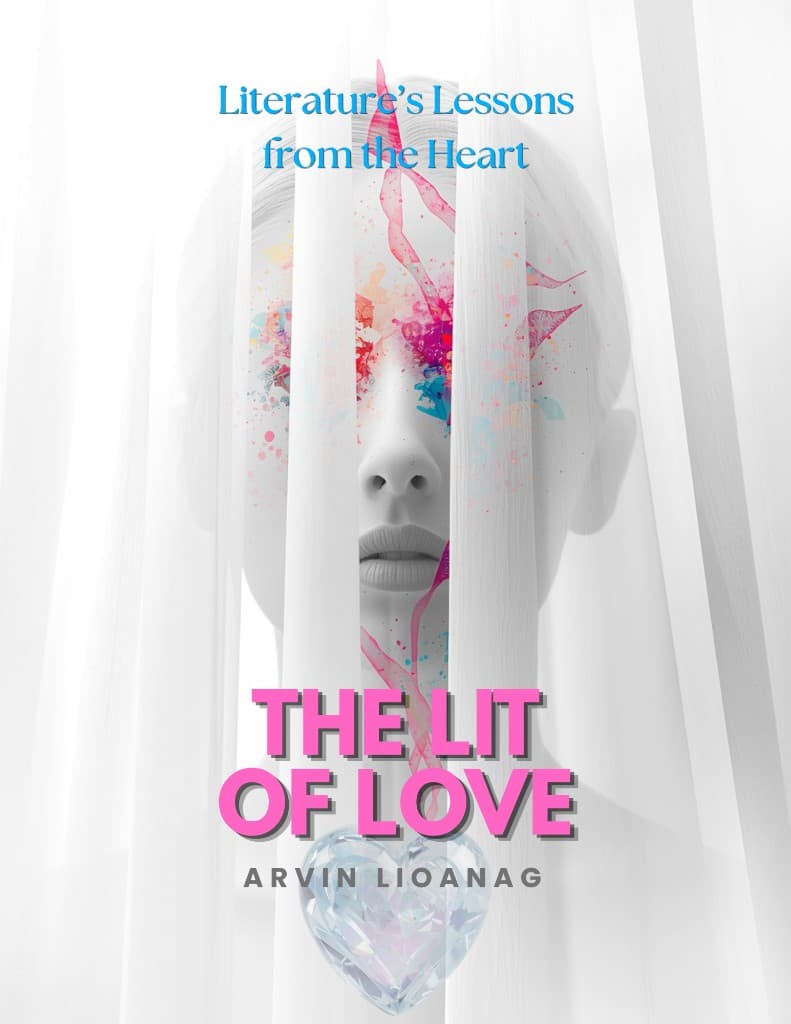
Beyond chapter guides, we've written original books that pull the deepest contradictions out of the classics—the ones families end up living through. Stoics, Tao, Dostoevsky, Austen, all braided into modern reads.
Common Questions
How busy families use chapter audio, plain-language summaries, and dinner-table conversation.
How can busy families use Wide Reads?
Read chapters at 11pm after your shift—our plain English explanations work when you're tired. Then use the patterns as dinner table conversation starters. One chapter, one conversation, builds wisdom over time.
Can children use Wide Reads?
Yes. While the original classics may challenge younger readers, our analysis is written in accessible language. Parents can guide discussions, and the patterns translate to experiences kids understand.
Why should our family read classic literature?
Classic literature builds cultural capital—the shared knowledge that opens doors. Discussing Dickens at dinner, referencing Austen's patterns, understanding Dostoevsky's psychology—this is education that compounds across generations.