
The Interior Castle
Saint Teresa of Ávila
0:00 / 0:00
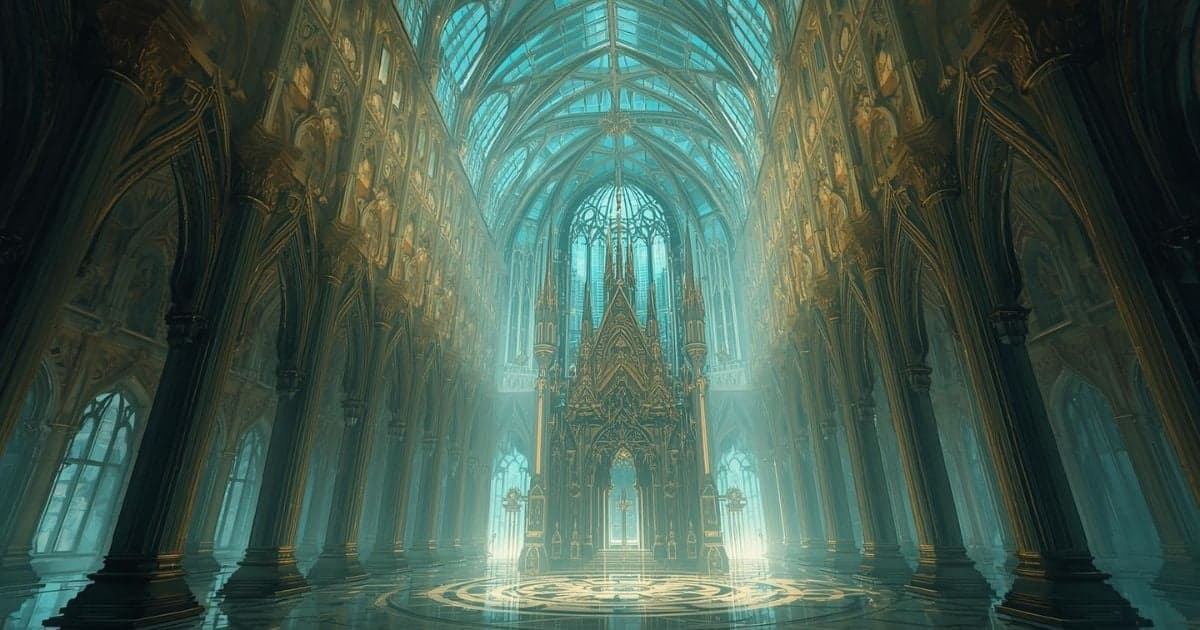
While she is begging God for words, because obedience has laid the book on her and she does not know how to begin, the image arrives. The soul is a castle of a single diamond, or of a very transparent crystal, with rooms above, below, and beside, and a principal chamber at the center where God and the soul hold their most secret intercourse. Most people never go in. They live in the courtyard with the sentinels, caring for the body as if it were the house, and they do not ask who dwells in the most delightful place. Prayer is the gate. Lips moving through a learned rote, with no one addressed, are not prayer. Teresa of Ávila finished the map in the convent of St. Joseph at Ávila in 1577, on the Vigil of St. Andrew. What follows is how far a soul can walk in its own house.
Teresa is the reluctant teacher: sixty-two, ill, founding reformed houses, writing after churchmen took her Life because they feared a woman's visions. The addressees are enclosed Carmelites who already pray and still bring reptiles in with them. The courtyard soul is palsied, so used to earthly matters that it imitates the creatures outside and cannot retire into its own heart. The third-mansion soul hates venial sin, loves penance and good order, and still resembles the rich young man who wanted perfection and walked away sorrowful. The King at the center is not a prize reserved for the holiest. The silkworm of the fifth mansions must die in its own cocoon before it can fly. They do not lack rooms. They already live in the castle and treat the outer wall as the dwelling.
Chapter 1 draws the diamond and names the gate. Souls without prayer are like bodies that have hands and cannot use them. The first rooms in the basement are a gain, and they are still full of reptiles that keep a beginner from seeing the building. Chapter 2 covers the diamond with a black cloth: mortal sin, a tree planted by foul water, fruit that poisons what it feeds. The third mansions greet those who fear the Lord and live like soldiers whose walls can still be breached. Dryness there often comes from hidden bargaining. They want God's presence without His dominion. Chapter 4 tests whether a small loss or a slight contempt unmasks the attachment under the habit. The hinge is that no one forces the higher rooms. The Lord of the castle admits you. Chapter 6 sets two fountains in one garden. One is filled through pipes and aqueducts by meditation and labor. The other rises from the spring, calm, unlocatable, overflowing the faculties without the work a person can brag about. Chapter 9 is the silkworm. It feeds, it spins, it dies in Christ as in a cocoon, and it comes out a white butterfly that longs to suffer and to bring others to God, then finds the cross still waiting. Chapter 10 will not let union become a private rank. Love the neighbor, or the butterfly dies after laying a few eggs. The last mansions are spiritual marriage: God moves in, Martha and Mary keep house together, and the epilogue leaves a door open for the sister called out to serve the prioress.
Teresa is not writing another confiscated Life. She is cutting a teaching text in two months, under obedience, for women who have little recreation and a great deal of work. The ending refuses a finished mystic. She named seven mansions and then said each one contains gardens, fountains, and labyrinths she has not mapped. Humility is the beloved virtue. Souls who think themselves unworthy of the third mansion may be given the fifth sooner. She will not let a rapture stand in for the next kindness, or a vision stand in for service to the prioress.
The first pressure is already in that courtyard: a life spent polishing the outer wall, then surprised that the King feels far. Mapping Your Inner Landscape is the diamond itself, the rooms never entered, and the disgrace of knowing a body better than a soul. The cost of camping with the sentinels is a kind of palsy. Moving Beyond Surface Self-Help is the reptiles walked in with, and the tidy third-mansion life that still bargains. Navigating Stages of Growth is refusing to skip floors after the rich young man leaves, and letting each mansion name its own work, including the cocoon that cannot be hurried. Dryness and a wandering mind look like failure. Maintaining Contemplative Practice is staying at the gate when the aqueduct runs dry and the words feel borrowed. Distinguishing True Progress from False is the spring that rises by itself versus the pipes kept in repair, and the visions that must be tested before they become a title. Integrating Inner and Outer Life is the last rooms: a butterfly that still has to love the neighbor, Martha still working, and a door held open when prayer is interrupted by service.
Teresa is glad the labor is finished, and she still will not shove a soul through a door the Lord has shut. Wide Reads sets summaries, quotes, and audio on all twenty-seven chapters. What remains is a castle her sisters may walk without asking leave, and a door held open for the one called out to serve.
Lessons from The Interior Castle
Theme-by-theme chapter breakdowns of the essential skills in this classic work.
Lessons from The Interior Castle
Theme-by-theme chapter breakdowns of the essential skills in this classic work.Mapping Your Inner Landscape
Stand in chapter 1's diamond castle and admit how many rooms have never been entered, while the body gets all the care.
I thought of the soul as resembling a castle, formed of a single diamond or a very transparent crystal, and containing many…
Moving Beyond Surface Self-Help
Watch the first rooms fill with reptiles, then the third mansion praise an orderly life that still bargains with God.
Many souls live in the courtyard of the building where the sentinels stand, neither caring to enter farther, nor to know who…
Deep dives
Chapter-by-chapter breakdowns
Navigating Stages of Growth
Stay with the rich young man in the third mansion, then the silkworm that cannot skip the cocoon.
I thought of the soul as resembling a castle, formed of a single diamond or a very transparent crystal, and containing many…
Distinguishing True Progress from False
Set the two fountains of chapter 6 side by side, then test the visions that arrive before they become a rank.
True perfection consists in the love of God and our neighbour, and the better we keep both these commandments, the more perfect…
Table of Contents
The Soul as Castle
Teresa opens The Interior Castle under obedience, begging God for words to teach her sisters about p...
The Soul's Journey from Darkness to Light
Teresa first shows mortal sin eclipsing the soul's inner sun, like a diamond covered by black cloth ...
The Danger of Spiritual Complacency
Teresa greets souls who reach the third mansions with the psalm blessing on those who fear the Lord,...
Testing Our True Detachment
Teresa examines souls who seem advanced yet crumble under moderate trials. She knows many who lived ...
When Your Mind Wanders During Prayer
Entering the fourth mansions, Teresa says matters turn supernatural and asks the Holy Spirit to spea...
Common Questions About The Interior Castle
Trending search questions mapped to the six lessons in this book: what readers actually ask Google about the castle metaphor, the silkworm and cocoon, the two fountains, the mill that clacks during prayer, and why the book ends with Martha still working.
What does the castle represent in The Interior Castle?
Teresa pictures the soul as a castle made of a single diamond or transparent crystal, with many rooms, just as heaven has many mansions, and a central chamber where God and the soul meet. Most people never go past the courtyard, where sentinels stand guard, because they know their own body better than they know who lives inside them. The castle is not a destination to build. It is the house a person already occupies and has never fully entered.
Explore Mapping Your Inner LandscapeWhat does the silkworm symbolize in The Interior Castle?
In the fifth mansions, Teresa compares the soul's growth to a silkworm that feeds, spins its own cocoon, and dies inside it before emerging as a white butterfly. The soul, like the silkworm, has to do the unglamorous work of building its own confinement, in prayer and self-denial, before any change can happen. The butterfly that emerges does not rest; it immediately longs to suffer for others and finds the cross still waiting.
Explore Navigating Stages of GrowthWhat is the difference between the two fountains in The Interior Castle?
In the fourth mansions, Teresa sets two ways of filling a garden's basin. One is filled slowly through pipes and aqueducts, built and kept running by a person's own effort in meditation. The other rises straight from a spring at the center, calm and overflowing without the labor a person can take credit for. That second fountain marks prayer moving from something you do to something that happens to you.
Explore Distinguishing True Progress from FalseWhat does Teresa mean by "let the mill clack on" in The Interior Castle?
When a beginner's mind wanders during prayer, Teresa tells her sisters to let the mill clack on while they grind the wheat: keep working with will and intellect even while the imagination makes noise. She refuses the common verdict that a distracted mind means a person has no interior life. Love matters more than silencing the thoughts, and the noise is proof the machinery is running, not proof that prayer has failed.
Explore Maintaining Contemplative PracticeWhy does The Interior Castle end with Martha still working?
The final mansions describe spiritual marriage, the closest union with God Teresa can map, and she still ends the book with Martha, the biblical sister who chose housework over sitting with Christ, kept busy alongside Mary. A soul that reaches the innermost room is not excused from serving the prioress or loving the neighbour. The last door Teresa leaves open is for the sister who gets called out of prayer to go do the washing.
Explore Integrating Inner and Outer LifeWhat life lessons does The Interior Castle teach?
Six lessons run through the book: map the inner life you already occupy instead of only tending the body; test an orderly, rule-following life for the quiet bargaining underneath it; let each stage of growth, including the silkworm's cocoon, do its own necessary work without skipping ahead; tell a spring that rises on its own from a fountain kept running by your own effort; stay at prayer through dryness and a wandering mind instead of treating noise as failure; and remember that even the deepest union with God still leaves Martha's work waiting. Those skills, not a private mystical experience, are why the book still answers modern searches.
About Saint Teresa of Ávila
Published 1577
Saint Teresa of Ávila (1515-1582) was a Spanish Carmelite nun, mystic, reformer, and Doctor of the Church whose writings on prayer and spiritual development are considered masterpieces of both Christian mysticism and Spanish Golden Age literature. Born Teresa Sánchez de Cepeda into a converso family (Jewish converts to Christianity), she entered the Carmelite monastery of the Incarnation in Ávila at age twenty, where she would spend decades navigating both mystical experiences and the politics of religious life.
Teresa was no ethereal contemplative disconnected from practical concerns. She was a brilliant administrator, founding seventeen reformed Carmelite convents across Spain despite constant opposition from church authorities, rival religious orders, and her own deteriorating health. She reformed the Carmelite order alongside Saint John of the Cross, advocating for a return to contemplative practice, simplicity, and authentic spiritual experience over empty ritual.
The Interior Castle, written when Teresa was sixty-two and just five years before her death, represents the culmination of her understanding of the spiritual life. She wrote it in just two months under obedience to her confessor, despite severe illness and endless administrative duties. Unlike her earlier autobiography, which church authorities had confiscated, The Interior Castle was designed as a teaching text: practical, systematic, and accessible. Her influence extends far beyond Christianity into psychology, contemplative practice, and any serious exploration of consciousness and human development.
Why Teresa of Ávila Matters Today
Teresa of Ávila speaks to the moment self-improvement starts to feel like another performance you have to get right: the meditation app you open and close without ever arriving anywhere, the retreat you attend and then return from unchanged, the sense that your inner life is a project you keep postponing until the outer one is tidy. The Interior Castle names that trap through a soul that already lives inside a diamond castle and spends its days maintaining the courtyard instead of walking further in.
What makes her indispensable is that she wrote the map from inside a life that had every reason to stay in the courtyard. She was sixty-two, ill, running seventeen reformed convents across Spain, and writing under the same church suspicion that had already gotten one of her books confiscated for the offence of a woman recording her own visions. She finished The Interior Castle in two months, under obedience, for sisters who had almost no time to read it. The book is not theory handed down from comfort. It is a system built by someone who had to keep functioning while she wrote it.
Readers who have never opened a catechism still find her map useful, because she is not really writing about God so much as about attention: what it costs to know your own house better than you know your own body, and what a wandering, noisy mind actually proves about the work you are doing. Centuries of psychologists and contemplative teachers have borrowed her castle, her fountains, and her silkworm without always naming her, because she got there first, and got there exact.
Wide Reads is different.
Plot, characters, and themes — plus audio, source text, and patterns you can use after class
Two ways in
Read & listen to the summary
Chapter by chapter, with audio. The meaning arrives because you experienced it — not because someone listed bullet points.
Start with this.
Read the original text
The actual words the author wrote, alongside every summary. Use the guide, then step into the source.
Then step into the source.
Either way, the door opens inward.
— and most of all, Why does this matter?
Get the Full Book
Purchase the complete book to access all chapters and support classic literature

Available in paperback, hardcover, and e-book formats
You Might Also Like



Free to read • No account required