
The Idiot
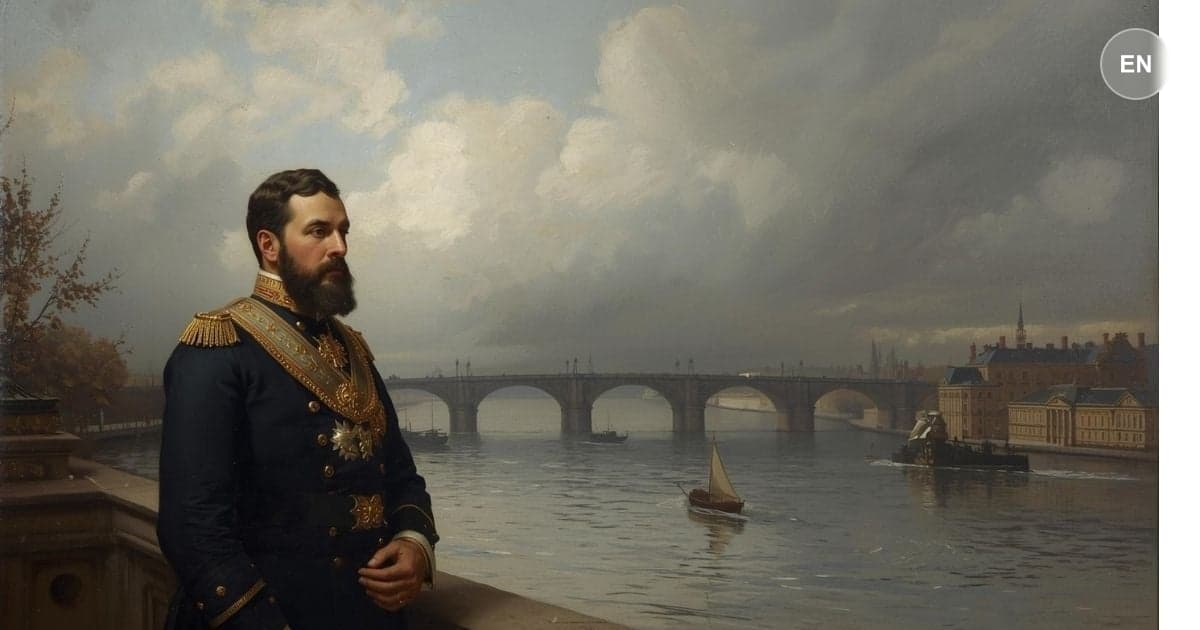
Fyodor Dostoevsky
0:00 / 0:00
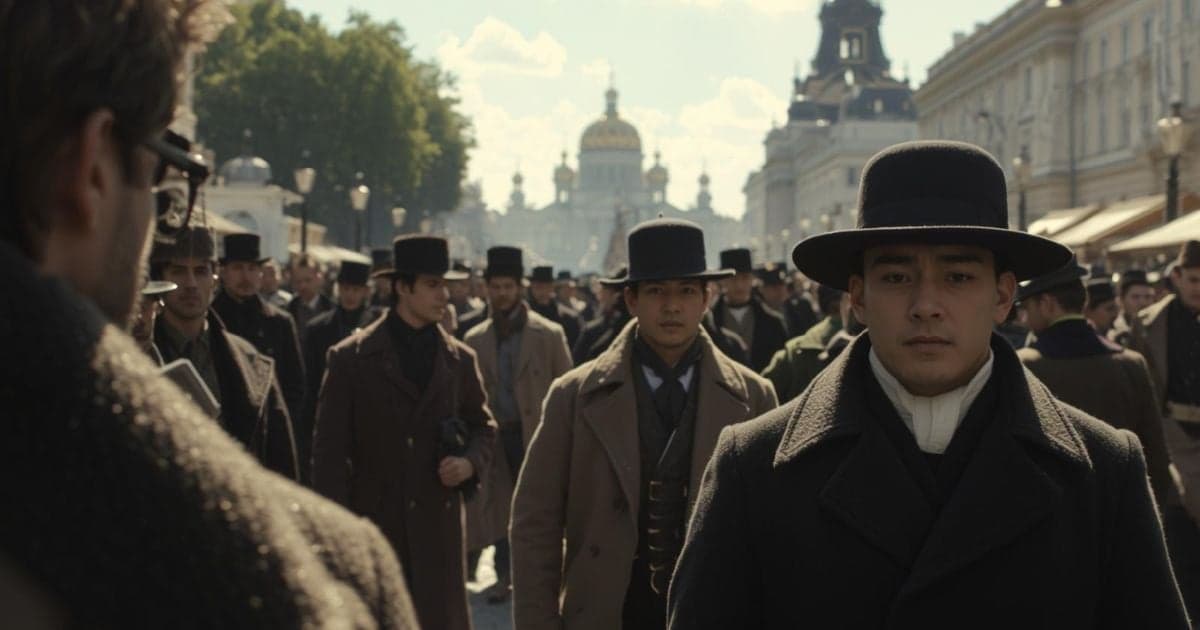
Prince Myshkin shares a third-class carriage into Petersburg with the man who will later sit beside a murdered woman and wait for morning. Parfyon Rogozhin talks about Nastasya Filippovna as if love were a hunt, and Myshkin answers every rude question about his epilepsy, his poverty, and the letter he sent the Epanchins. Dostoevsky, writing in exile between seizures, began the novel in 1868. The one man in the city with no angle is the one everyone calls a fool.
Myshkin is the prince: epileptic, just back from a Swiss clinic, so honest that strangers treat honesty as a trick. Nastasya Filippovna is the woman Totsky raised as a kept girl and then tried to marry off with a dowry, beautiful enough that rooms rearrange themselves around her shame. Rogozhin is the merchant's son who will spend a hundred thousand roubles, a knife, and a Holbein Christ on the same obsession. Aglaya Epanchin is the youngest daughter who recites Pushkin's Poor Knight and cannot decide whether Myshkin is a saint or a humiliation. Ganya wants the dowry more than the bride. General Epanchin manages his household like a rumor. Lizaveta Prokofievna shouts the truth and then regrets the shout. Lebedeff sells gossip as friendship. Ippolit, the dying boy, tries to make a last scene into meaning. The only opponent who never leaves the page is the claim that goodness is just another performance.
The train names two futures in one compartment. At the Epanchins, a charity case turns out to have a mind, and Aglaya starts watching him. At Nastasya's birthday, Rogozhin's packet of a hundred thousand is thrown into the fire, and Myshkin offers marriage without a calculation attached. Pavlofsk brings the newspaper libel, the Poor Knight recitation, the Holbein in Rogozhin's house, and the exchange of crosses that does not make them safe. Ippolit fails his suicide and keeps talking. Aglaya's dinner for Princess Belokonskaya becomes a public test Myshkin cannot pass. The wedding to Nastasya never happens. Rogozhin takes her. Morning finds the prince on the floor beside the body, stroking the murderer's hair, until Schneider's old verdict returns and the clinic takes him back.
Dostoevsky never treats the prince as a mascot for niceness, or Nastasya as a puzzle a kind man can solve, or Rogozhin as a villain who simply chose badly. He wrote the book after the death of his infant daughter, in debt, between fits, trying to invent a positively good man and then refusing to protect him. What remains is not a sermon that innocence wins. It is a picture of how a city that lives by angles will call the man without one an idiot, and how compassion without a limit can sit up all night and still not stop the knife.
The train is the first pressure. Maintaining Goodness Without Naivety is the third-class carriage, Marie's village, and a city that can only call honesty idiocy. Distinguishing Intensity from Depth is Rogozhin's hundred thousand thrown into the fire set against Myshkin's offer of marriage with no calculation attached. Reading Authenticity vs Performance is the Poor Knight, the truth game, and Aglaya's dinner for Belokonskaya, a public test he cannot pass. Recognizing Destructive Love is the Holbein in Rogozhin's house, the crosses that do not make them safe, and the house on Gorokhovaya opened in the morning. Knowing Compassion's Limits is the choice that wrecks Aglaya: he will not abandon Nastasya, and the wedding never happens. Setting Boundaries With Compassion is the yes that cannot become a no, from the fire to the vigil on the floor beside the body, stroking the murderer's hair.
A Holbein Christ hangs in Rogozhin's house. A packet of a hundred thousand goes into the fire. Morning finds the prince on the floor beside the body, stroking the murderer's hair. Wide Reads carries summaries, quotes, and audio through all fifty chapters, from a wet November carriage to the morning the door is forced.
Lessons from The Idiot
Six lessons from this classic novel.
Lessons from The Idiot
Six lessons from this classic novel.Deep dives
Chapter-by-chapter breakdowns
Distinguishing Intensity from Depth
Set Rogozhin's knife and packet against Myshkin's offer: heat is not the same thing as a life.
If they had but known why, at this particular moment, they were both remarkable persons, they would undoubtedly have wondered at the…
Reading Authenticity vs Performance
Hear the Poor Knight, the truth game, and the dinner for Belokonskaya, and tell a person from a scene.
He is quite a child, not to say a pathetic-looking creature.
Table of Contents
The Prince Meets His Future
On a damp November train into Petersburg, Prince Myshkin shares a third-class carriage with Parfyon ...
The General's Household
Prince Myshkin arrives at General Epanchin's house on the Litaynaya and meets suspicion before he me...
An Awkward Introduction and Hidden Motives
In General Epanchin's study Myshkin insists he came only to make acquaintance, not to beg, and nearl...
Family Dynamics and Hidden Agendas
Dostoevsky pauses the present action to map the Epanchin household and the Nastasya Filippovna scand...
First Impressions and Hidden Depths
Mrs. Epanchin expects a pathetic charity case and meets a hungry, courteous man who fascinates her. ...
The Prince's Story of Marie
In the Epanchin drawing room Prince Myshkin finally tells the story of his Swiss village years. He l...
The Portrait's Power
The Epanchins delight in Myshkin's Marie story until conversation turns to faces and secrets. Mrs. E...
Living Arrangements and Family Tensions
Myshkin moves into the Ivolgins' cramped third-floor flat, where taking lodgers humiliates Gania but...
When Worlds Collide at Home
Nastasia Philipovna storms into the Ivolgin flat for the first time, mocking the broken bell and ins...
When Money Meets Pride
Rogozhin bursts in with Lebedeff and a rowdy band, calling Gania a blackguard and demanding whether ...
The Art of Sincere Apology
Prince Myshkin retreats to his room after the Ivolgin parlor chaos, and young Colia follows to comfo...
Common Questions About The Idiot
Trending search questions mapped to the six lessons in this novel—what readers actually ask Google about Prince Myshkin, Nastasya Filippovna, Rogozhin, the Holbein Christ, why Myshkin is called an idiot, and the ending on the floor.
What is The Idiot about?
Dostoevsky's 1869 novel follows Prince Lev Nikolayevich Myshkin, an epileptic man just back from a Swiss clinic, into Petersburg society that has no category for honesty without an angle. He meets Rogozhin on a third-class train, offers marriage to Nastasya Filippovna without calculating a dowry, fails Aglaya's public test, and ends on the floor beside a murdered woman, stroking the murderer's hair. The book asks whether a positively good man can survive a city built on calculation.
Explore Maintaining Goodness Without NaivetyWho is Prince Myshkin in The Idiot?
He is the "idiot" of the title: a prince with no fortune, fresh from treatment abroad, who answers rude questions about his fits and his poverty as if truth were ordinary conversation. The Epanchins prepare to pity a charity case and find a mind. Society calls him a child because he has no costume. Dostoevsky wrote him after his infant daughter Sonya died, trying to invent a beautiful man and refusing to protect him from the plot.
Explore Maintaining Goodness Without NaivetyWhy is Myshkin called an idiot in The Idiot?
Not because he lacks intelligence. He reads faces, remembers Marie's village, and sees through Ganya's dowry hunt before anyone names it. Petersburg calls him an idiot because he has no angle: he will not perform contempt, bargain with shame, or treat Nastasya as a problem to solve. The nickname is society's verdict on a man who walks into rooms that run on calculation and still tells the truth.
Explore Reading Authenticity vs PerformanceWho is Nastasya Filippovna in The Idiot?
The woman Totsky raised as a kept girl and then tried to marry off with a dowry. On her birthday Rogozhin's packet of a hundred thousand roubles is thrown into the fire, and Myshkin offers marriage without a ledger attached. She cannot accept safety without punishing the men who priced her, chooses Rogozhin, and dies in his house on Gorokhovaya. She is not a puzzle a kind man can solve. She is a person who has learned that every rescue still comes with a bill.
Explore Recognizing Destructive LoveWhat happens at the end of The Idiot?
The wedding to Nastasya never happens. Rogozhin takes her. Morning finds the prince on the floor beside the body, stroking the murderer's hair, until Schneider's old verdict returns and the clinic takes him back. Aglaya marries a Polish count and breaks. Ippolit fails his suicide and keeps talking. Dostoevsky does not let goodness win. He lets it be real and still not be enough to stop the knife.
Explore Knowing Compassion's LimitsWhat life lessons does The Idiot teach?
Six lessons run through the novel: maintain goodness without naivety in rooms that call honesty idiocy; recognise destructive love in the fire, the Holbein, and the house police open in the morning; distinguish intensity from depth when heat is offered as a life; read authenticity against performance in the Poor Knight and Belokonskaya's dinner; know compassion's limits when the yes cannot become a no; and set boundaries with compassion before the vigil cannot stop the knife. Those skills, not a saint's fable, are why the book still answers modern searches.
About Fyodor Dostoevsky
Published 1869
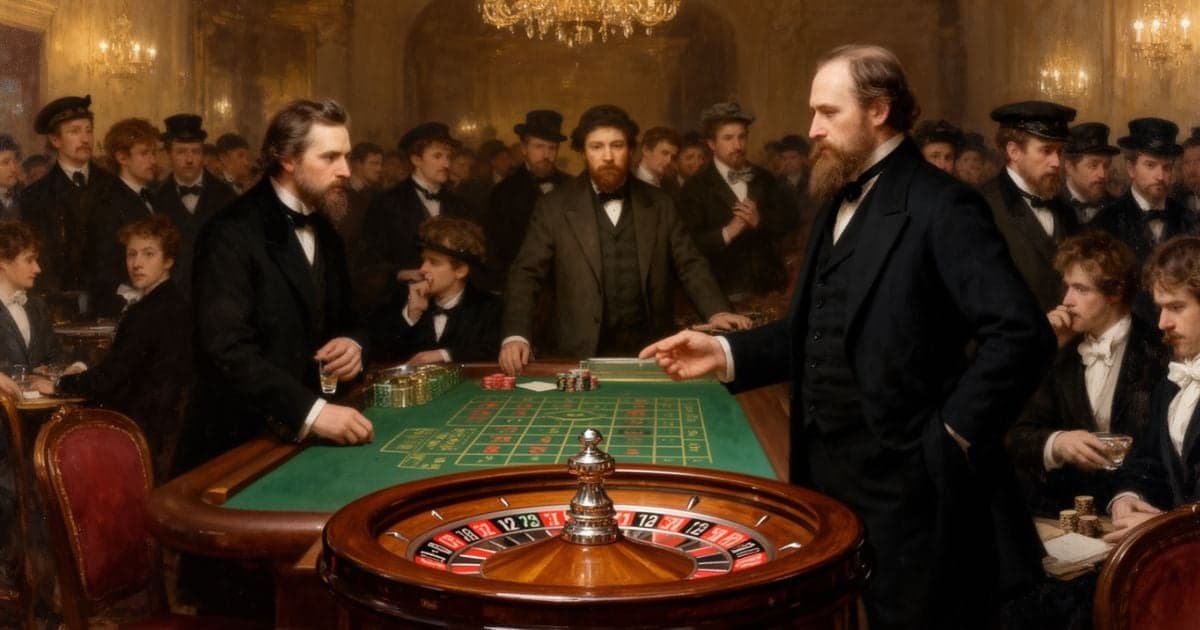
Fyodor Mikhailovich Dostoevsky (1821-1881) was a Russian novelist who treated conscience as a plot. He survived a mock execution, four years in a Siberian prison, and epilepsy that arrived without warning. By the late 1860s he was in Europe, fleeing creditors, gambling, and writing to stay ahead of the next seizure.
The Idiot was composed in 1868 and 1869 after the death of his infant daughter Sonya. He told his niece he wanted to depict a positively beautiful man, then refused every ending that would make that man safe. Myshkin is not a tract. He is an experiment the author was willing to lose.
The book still finds readers who have been called naive for telling the truth in a room that runs on angles, and who have watched someone they tried to save choose the fire anyway. Dostoevsky's gift is refusing the cheap moral. He lets goodness be real and still not be enough.
Why This Author Matters Today
Fyodor Dostoevsky speaks to the moment when telling the truth in a room that runs on angles gets you called naive: the kindness that has no costume, the rescue that cannot become a boundary, the compassion that sits up all night and still cannot stop the knife. The Idiot names what happens when a person without a calculation walks into Petersburg and society decides that honesty must be idiocy.
What makes him indispensable is that he wrote this from inside grief, not from a safe distance. He composed the novel in 1868 and 1869 after the death of his infant daughter Sonya, in debt, between epileptic fits, telling his niece he wanted to depict a positively beautiful man and then refusing every ending that would make that man safe. Myshkin is not a tract for niceness. He is an experiment the author was willing to lose.
Few novelists have earned the right to test goodness this ruthlessly. Dostoevsky does not let the prince win, and he does not let the reader enjoy the diagnosis from a safe distance either: the book insists that compassion without a limit can wreck Aglaya, that Nastasya is not a puzzle a kind man can solve, and that the Holbein on Rogozhin's wall is still hanging when morning finds the prince on the floor beside the body.
More by Fyodor Dostoevsky in Our Library

Wide Reads is different.
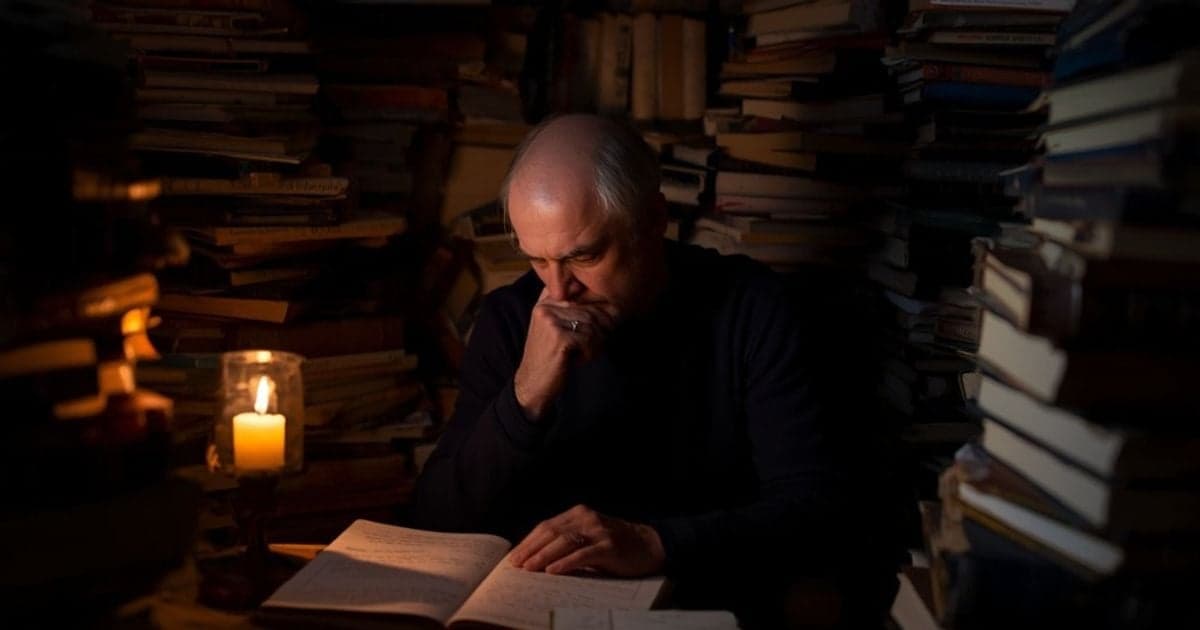
Plot, characters, and themes — plus audio, source text, and patterns you can use after class
Two ways in
Read & listen to the summary
Chapter by chapter, with audio. The meaning arrives because you experienced it — not because someone listed bullet points.
Start with this.
Read the original text
The actual words the author wrote, alongside every summary. Use the guide, then step into the source.
Then step into the source.
Either way, the door opens inward.
— and most of all, Why does this matter?
Get the Full Book
Purchase the complete book to access all chapters and support classic literature

Available in paperback, hardcover, and e-book formats
You Might Also Like
Free to read • No account required