
Prestige · $2.99/month
Chapter audio, theme analysis, and downloads
AI analyzes literary techniques in seconds. Only you can teach students to navigate life using literature's wisdom.
Your role isn't diminished—it's elevated. From gatekeeper to amplifier. From content deliverer to life navigator.
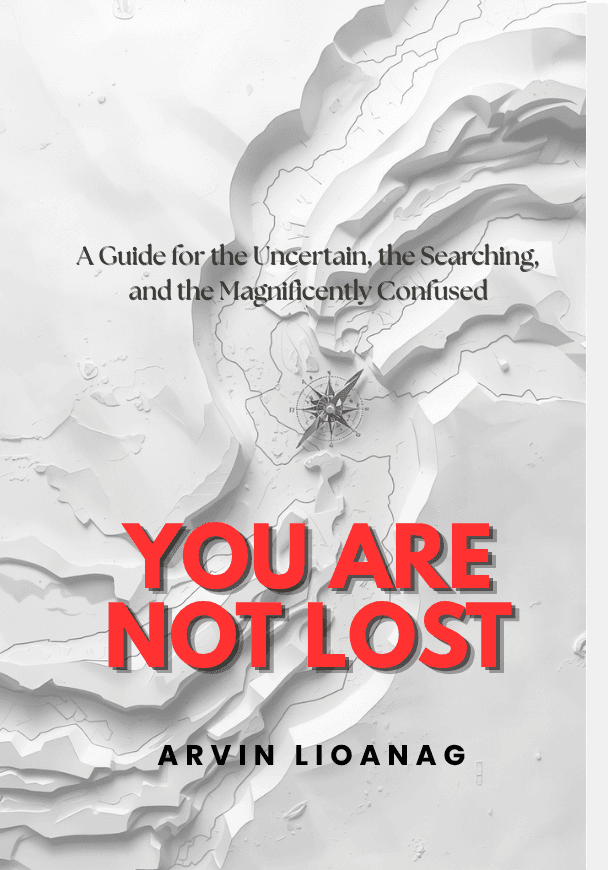
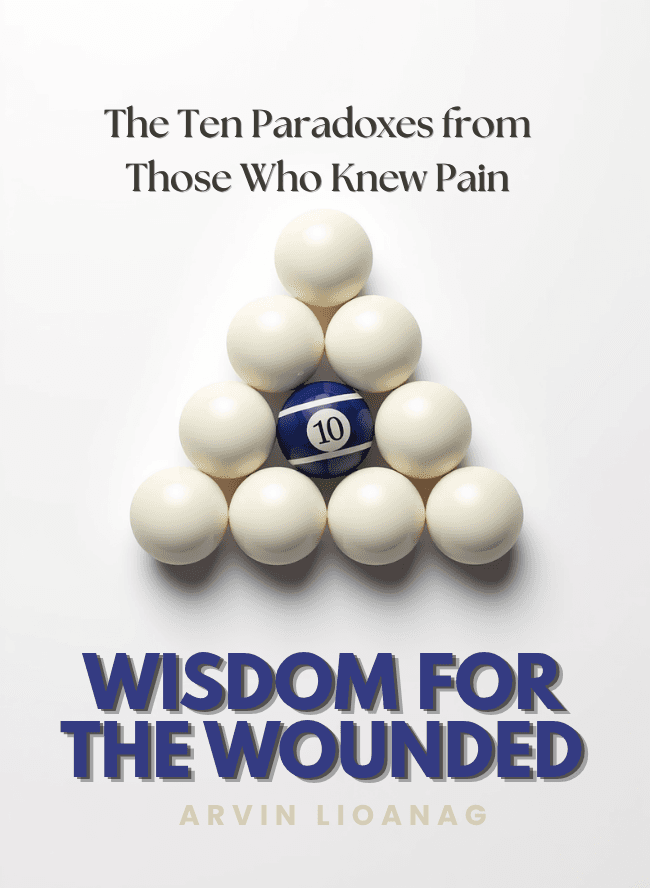
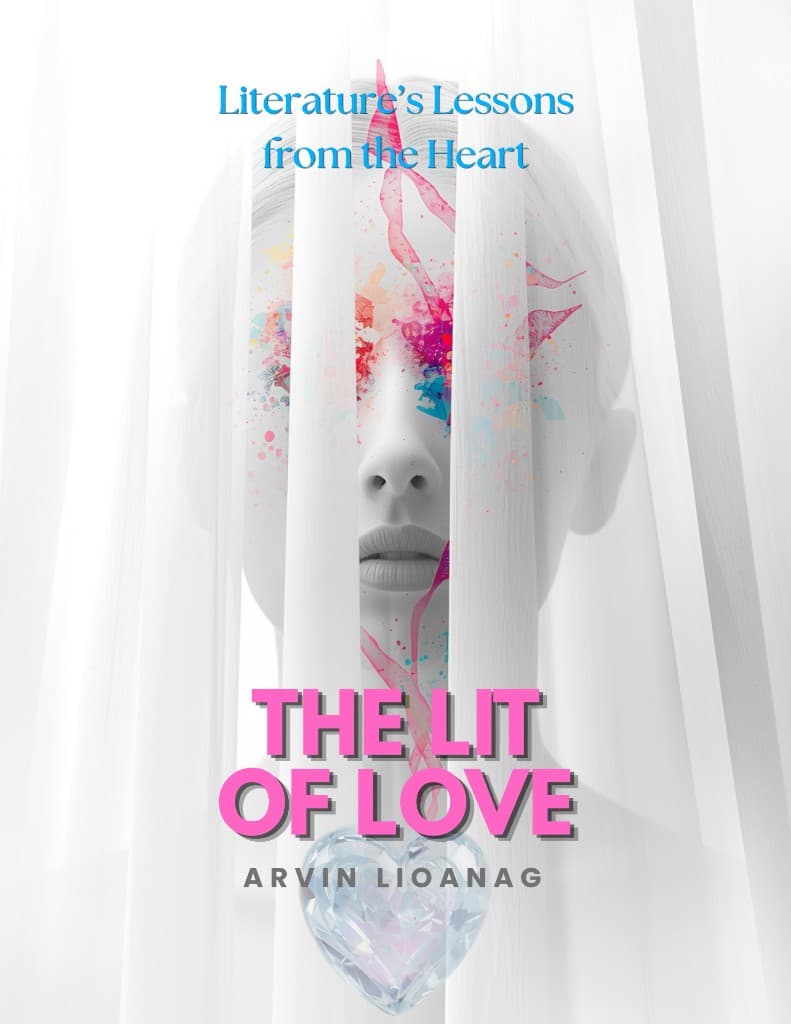
Beyond chapter guides, we've written original books that pull the deepest contradictions out of the classics—perfect supplemental reading, seminar texts, or springboards for the questions you actually want to ask in class.
The Educational Shift
Old Question:
"Can you analyze this text?"
AI does this better. Value: Low.
New Question:
"Can you use this wisdom?"
Only humans can do this. Value: Infinite.
Your Elevated Role
The model where you hide insights until students discover them? Obsolete. Here's what works now.
Give the framework first. Guide application second. Students arrive prepared; you facilitate exploration, not extraction.
Show students where to look, what patterns matter, how to apply wisdom to their actual lives. This requires you—not a chatbot.
You know Marcus is struggling with identity. You see Sarah navigating family pressure. You match the right text to the right moment.
When everyone shares the framework, discussion becomes infinite exploration. Your classroom transforms into a thinking laboratory.
The Human Advantage
Instantly and better than humans:
Students can get this from ChatGPT in seconds. Traditional analysis exercises are now meaningless.
Requires human intelligence:
This requires lived experience, relationship, context. This is what you teach.
The Real Problem
You ask a question. Silence. Eyes drop to desks. Students who didn't read pray they won't be called on. Students who DID read aren't sure they understood.
The anxiety is palpable. Even "prepared" students can't articulate what the chapter conveyed. They read words. They missed meaning.
Bell rings. Most leave the way they came—confused, disconnected, relieved it's over. They memorized nothing because they understood nothing.
Students arrive having read the chapter AND the IA analysis. They actually understand what happened and why it matters.
You ask a question. Hands go up.Not guessing—real insight. They connect text to their own lives.
Bell rings. Students who engaged leave knowing they learned something real. They can name a pattern. Apply it. That feeling keeps them coming back.
Traditional discussion: prepared students answer, unprepared students hide. No collaboration—they're not working with the same tools.
The IA approach changes everything.Ask "Where do you see this pattern in YOUR life?" and suddenly every student has something to offer. Work, family, relationships—experiences everyone has.
A student who struggled with the text shares a workplace story. A student who understood deeply connects it back to the literature. They teach each other.
Here's what's remarkable: Even students who haven't read the book—who have no idea who Austen was—can participate. The discussion isn't about 1813 England. It's about thought patterns they recognize, in language they understand.
And perhaps that student returns next class having read more chapters than assigned— because something hit real, and they needed to see where the story goes.That's the magic: reading becomes choice, not force.
Real collaboration isn't "who has the right answer." It's "what have we all lived that illuminates this human truth?"
Students arrive prepared because the material is accessible. No more hiding.
Everyone contributes from their own experience. Different perspectives enrich understanding.
Students leave knowing they gained something. The bell rings and they feel smarter.
In Practice
Students arrive with the framework. You facilitate application to real life.
Before Wide Reads:
'What do you think Austen means by the opening line?' Silence. Wrong guesses. Eventually you reveal the irony.
With Wide Reads:
Students arrive knowing Mrs. Bennet's desperation comes from real financial terror. They've read about how panic creates cognitive filters that reduce complex decisions to simple transactions.
Your Discussion Question:
'Where do you see this pattern in your own life? In job searching? Dating apps? Family pressure about careers?'
Result: Students apply the framework to news articles, workplace dynamics, relationship patterns. The insight transfers everywhere.
Before Wide Reads:
'Why does the convict threaten Pip?' Students guess. Some get close. You explain how power operates through vulnerability.
With Wide Reads:
Students arrive understanding that desperate people transfer pressure to whoever has less power to resist.
Your Discussion Question:
'When has someone else's crisis become your crisis because you couldn't say no? How do you protect yourself while staying compassionate?'
Result: Students recognize the pattern in workplace dynamics, family obligations, toxic relationships. They learn to navigate it.
Before Wide Reads:
'What's Twain satirizing about civilization?' Mixed responses about hypocrisy and racism.
With Wide Reads:
Students arrive knowing the Widow's contradictions (bans smoking, takes snuff) reveal how rules often serve power, not principle.
Your Discussion Question:
'Which parts of yourself are you editing to fit in? What contradictions do you accept without question at work or home?'
Result: Students learn to distinguish helpful guidance from control disguised as care. They protect their authentic core.
The Teaching Framework
Teach students to recognize patterns, anticipate where they lead, and navigate them successfully.
"This is the Pride and Prejudice pattern—first impressions creating rigid positions."
"If neither side shows humility, this leads to missed connection and regret."
"Like Darcy, I can show humility first. Like Elizabeth, I can question my assumptions."
When students can NAME the pattern, PREDICT where it leads, and NAVIGATE it successfully— that's amplified intelligence.
The point
AI alone is just information. The amplification happens when humans engage together.
Pattern recognition, frameworks, analysis, historical context
Discussion, application, lived experience, synthesis, judgment
= Amplified Intelligence
Neither works alone. Both together create something greater.
Original text + IA analysis
With framework already understood
"Where do you see this in YOUR life?"
Understanding deepens through shared exploration
IA gives answers. Discussion explores implications. When everyone shares the same framework, discussion becomes infinite exploration. Not "students guessing what teacher knows"—everyone using shared tools to examine their own lives. That's where magic happens.
Context about your specific students' lives
Recognition of which student needs which book when
Facilitation that connects text to real experience
Modeling how educated adults use literary wisdom
The human relationship that makes learning stick
Common Questions
Real answers to the questions keeping literature teachers up at night.
You stop teaching summary and start teaching application.
Yes, AI can summarize Pride and Prejudice in seconds. It can identify themes, explain irony, and even write analysis essays. That's exactly why traditional literature education is obsolete.
But here's what AI cannot do: Help Marcus (your student with the overbearing boss) recognize that he's on the Pride and Prejudice road—where first impressions have calcified into rigid positions that are costing him a promotion. AI can't help Sarah see that her financial panic is creating the same tunnel vision Mrs. Bennet had.
Your new role: Give students the framework (AI helps here), then facilitate the application to their actual lives (only you can do this). The question shifts from "What does this text mean?" to "Where are you walking this same road?"
Only if you're still assigning work AI can do.
"Analyze the use of irony in Chapter 3" → AI writes this in 10 seconds. Assignment is meaningless.
"Describe a time when your first impression of someone was completely wrong. What made you reconsider? How does Elizabeth's journey with Darcy illuminate your experience?" → AI can't do this. It doesn't know your student's life.
The shift: Stop assessing comprehension (AI handles that). Start assessing application, synthesis, and personal insight. When students must connect the text to their own lived experience, AI can't help them cheat—it can only help them think.
Everything that matters.
When students arrive already knowing that "Mrs. Bennet's desperation creates tunnel vision," you're not wasting 20 minutes getting them to that insight through painful Socratic questioning.
Instead, you ask: "Who in your life makes decisions from desperation? How does that pattern affect the advice they give you? When have YOU made choices from panic that you later regretted?"
What's left: Facilitation of rich discussion. Connection to student lives. Modeling how educated adults use literary wisdom. Creating the human relationship that makes learning transformative. These are the things that matter—and AI can't do any of them.
Assess application, not recall.
Here are assessment approaches that work:
The key: If AI can do the assignment, it's not worth assigning. Design work that requires human experience, judgment, and application.
Frame it as skill development, not content delivery.
Every administrator knows AI has disrupted education. Most are looking for teachers who've adapted, not teachers clinging to obsolete methods.
Position your class this way: "Students learn to recognize patterns in human behavior, predict consequences, and navigate complex situations. They develop critical thinking that transfers to workplace dynamics, relationships, and civic engagement. Literature becomes a thinking toolkit for life, not a set of facts to memorize and forget."
The pitch: "I'm preparing students for a world where AI handles information. I teach them what AI can't do: apply wisdom to their actual lives."
That frustration usually comes from not understanding.
Most students resist literature because it feels irrelevant and confusing. When they can actually understand what's happening—and see it playing out in their own lives—resistance often transforms into interest.
The Wide Reads approach actually helps the "just want to pass" students more than traditional teaching. Clear frameworks, plain-English explanations, and modern applications make comprehension faster. When it clicks, the work gets easier.
Our promise to them: "You might come here just to pass. You might leave actually caring. And either way, you'll understand the material better than you ever have before."
Pick one book. Assign one chapter with our guide. Change one discussion question.
Start small. One chapter, one class, one shift in questioning. Then expand based on what works for your students.
Our library grows thoughtfully. You might discover a book worth teaching that no curriculum ever considered—a work that speaks urgently to this moment, or connects unexpectedly to your students' lives.
This kind of discovery—amplifying overlooked works, making difficult texts accessible, revealing patterns across centuries—never could have happened without AI. We can now do in days what once took scholars years.
The canon isn't fixed. Great literature keeps revealing itself. AI helps us see it.
"The roads your students walk were mapped centuries ago. You're not teaching literature. You're giving them maps for life."
The dates change. The roads don't.
Teaching Resources
Each book includes discussion questions, lesson plan ideas, and modern connection activities ready for your classroom.
Jane Austen
Grades: 9-12, College
Charles Dickens
Grades: 10-12, College
Charlotte Brontë
Grades: 10-12, College
William Shakespeare
Grades: 11-12, College
Mary Shelley
Grades: 9-12, College
Fyodor Dostoevsky
Grades: 11-12, College
Emily Brontë
Grades: 10-12, College
Nathaniel Hawthorne
Grades: 10-12, College
Herman Melville
Grades: 11-12, College
Leo Tolstoy
Grades: 11-12, College
Every chapter: ready-to-use frameworks, discussion questions, modern adaptations. Your classroom, transformed.
Free access • No account required • Ready for your classroom tomorrow