Free study guide · no paywall
Pride and PrejudiceStudy Guide
by Jane Austen (1813)
Pride, prejudice, and a marriage market that never stops counting, mapped across 61 chapters and six lessons.
Start here
Plot, characters & chapter jump
61 chapter summaries · 8 key figures · discussion questions · quotes · free
Plot summary
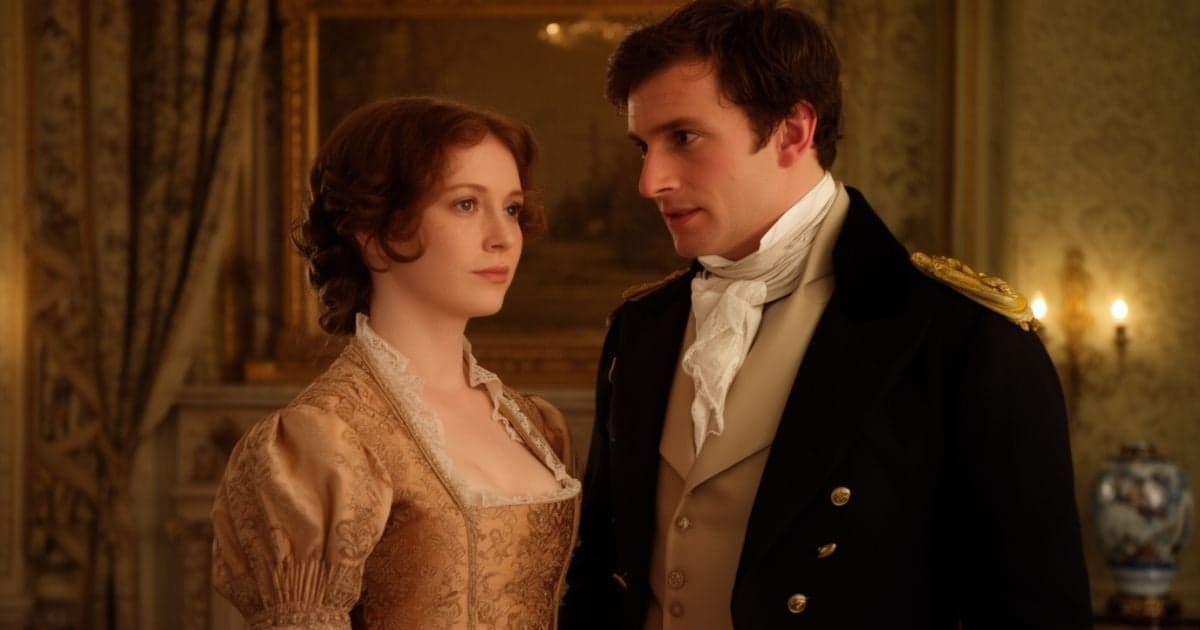
At a country ball, Mr. Darcy tells Bingley that Elizabeth Bennet is tolerable, but not handsome enough to tempt him — and she overhears every word. Through Collins's proposal, Wickham's charm, a disastrous proposal at Hunsford, the letter that names the fraud, Lydia's elopement, and a plain second proposal at the end, Austen tracks how pride and first impressions harden into certainty until both Elizabeth and Darcy stop performing long enough to be corrected. They marry; the comedy of errors becomes a match earned, not lucky.
Key characters
Jump to chapter
- Chapter 1Truth universally acknowledged
- Chapter 3Tolerable, but not handsome enough
- Chapter 18Netherfield ball confrontation
- Chapter 34Disastrous proposal at Hunsford
- Chapter 36The letter that rewrites everything
- Chapter 43Pemberley and the housekeeper's truth
- Chapter 47Lydia's elopement
- Chapter 58Second proposal, plain at last
What readers search for
Common questions about Pride and Prejudice
Why does Elizabeth hate Mr Darcy in Pride and Prejudice?
She overhears him at the Meryton assembly call her "tolerable, but not handsome enough to tempt me," and every later encounter confirms the verdict she already made. His reserve reads as contempt; his interference in Jane's happiness looks like cruelty dressed as concern. The novel's skill is not that she was wrong to notice his pride—it is that she stops checking new evidence once the first story flatters her wit.
Challenging First ImpressionsWhy does Elizabeth refuse Darcy's first proposal in Pride and Prejudice?
Because he proposes by confessing love while listing every reason rank and family should have stopped him—and he names his role in separating Jane and Bingley without apology. Elizabeth refuses the insult, not the man she has not yet met. The scene is pride meeting prejudice in real time: his armor of superiority, her certainty that she already knows him.
Recognizing When Pride Masks VulnerabilityIs Mr Darcy arrogant or romantic in Pride and Prejudice?
Both are on the page, and Austen refuses to let charm erase the method. At Netherfield his silence and the assembly remark look like rank talking. At Pemberley his housekeeper describes daily kindness; after Lydia's elopement he fixes the disaster without asking for credit. Adaptations sell brooding romance; the novel stages guarded wealth afraid of being used—and the slow repair once pride stops masquerading as judgment.
Recognizing When Pride Masks VulnerabilityWhy does Elizabeth believe Wickham's story in Pride and Prejudice?
Because it confirms what she already suspects about Darcy—and Wickham delivers it with wounded manners, a militia coat, and just enough detail to feel like testimony. Elizabeth never checks the ledger; she rewards the story that flatters her prejudice. The Hunsford letter is the hinge: fraud named, interference admitted, and her own vanity exposed in the same paragraphs.
Reading Performative CivilityWhy does Charlotte marry Mr Collins in Pride and Prejudice?
Because the entail leaves her with almost no room to wait for feeling. Collins offers a roof, a parish, and security at twenty-seven when romance has not arrived on a schedule she can afford. Elizabeth wants love; Charlotte wants a home. Austen does not mock the choice—she shows how class pressure writes marriages when income, not inclination, decides who is "prudent."
Navigating Social Class PressureFast track
Short on time? Start here
Eight scenes hold Austen's argument together: the opening irony, the insult Elizabeth overhears, the Netherfield ball, two proposals, the letter that names Wickham's fraud, Pemberley, Lydia's elopement, and the plain second proposal at the end. Read these first if you need the plot spine before all sixty-one chapters.
Chapter 1
Truth universally acknowledged
Chapter 3
Tolerable, but not handsome enough
Chapter 18
Netherfield ball confrontation
Chapter 34
Disastrous proposal at Hunsford
Chapter 36
The letter that rewrites everything
Chapter 43
Pemberley and the housekeeper's truth
Chapter 47
Lydia's elopement
Chapter 58
Second proposal, plain at last
Full coverage
Everything in this study guide
The same surfaces readers expect from a traditional study guide — plot, characters, themes, quotes, and homework help — grouped across 3 parts, with audio and the source text on every chapter. Free, no paywall.
Plot overview
Summary, context, and why the book still matters
61 chapter summaries
Every chapter with audio narration
8 key figures
Who drives the plot and what each one does
6 lessons
Themes traced to scenes, not generic labels
15+ important quotes
Verified lines with chapter links and analysis
Discussion questions
Five per chapter, with suggested answers for class and essays
Original text
Author's words beside every summary
This is not a plot cheat sheet. Wide Reads walks Pride and Prejudice as Austen's comedy of errors about first impressions, class pressure, and the cost of performing certainty. Use the volume-by-volume path below, follow the six lesson deep dives when a theme hooks you, and open individual chapters for summaries, quotes, and audio.
For plot and theme questions about Pride and Prejudice, see Common Questions on the book page.
How to use this guide
How to Read This Book with Wide Reads
Start with the ballroom
Read Volume I (Chapters 1–23) for the opening line, Darcy's fatal remark, Wickham's charm, and Collins at the door. You need the entail and the first impressions before Kent can rewrite them.
Follow the hinge
Volume II (Chapters 24–42) holds Rosings, the disastrous proposal, and the letter that names the fraud. Volume III (Chapters 43–61) turns through Pemberley, Lydia's elopement, and the plain second proposal.
Let the lessons carry you
When a chapter raises a question you cannot shake, whether pride masking vulnerability, performative civility, or holding a no under family pressure, jump to the matching lesson page, then return to the chapter list.
Plot & context
Book Overview
One remark at a country ball sets the whole novel in motion. Mr. Darcy tells his friend Bingley that Elizabeth Bennet is tolerable, but not handsome enough to tempt him, and she overhears every word. She returns the insult with interest rather than tears, and their mutual contempt looks settled by the time the music stops. It's 1813, Jane Austen's second published novel, and the joke, which takes the rest of the book to land, is that neither of them has any idea how wrong they are.
Elizabeth Bennet is the second of five daughters: quick-witted, allergic to pretension, and so confident in her own judgment that she rarely thinks to check it. Fitzwilliam Darcy is wealthy, reserved, and guarded enough against fortune-hunters that his silence reads as contempt to everyone who hasn't earned his trust. Jane, gentle and hopeful, falls for Darcy's amiable friend Bingley, who is easily talked out of his own feelings. George Wickham arrives in a militia coat and a grievance, charming the whole neighborhood before anyone thinks to check his story. Mr. Collins, the clergyman who stands to inherit the Bennet estate, courts Elizabeth with the enthusiasm of a man reciting lines written by his patroness, the imperious Lady Catherine de Bourgh. Around them, Mrs. Bennet campaigns loudly for husbands, Mr. Bennet retreats into irony, and Charlotte Lucas, Elizabeth's clear-eyed friend, quietly chooses security over sentiment.
Collins proposes and Elizabeth refuses him three times before he'll believe it; days later, Charlotte accepts him for the roof over her head. Wickham tells Elizabeth a wounded, detailed story about Darcy's cruelty, and she believes it because it flatters what she already suspects. Darcy proposes at Hunsford by confessing love while listing every reason rank and family should have stopped him, and Elizabeth refuses him on the spot. The letter he writes the next morning, naming Wickham's fraud and his own interference in Jane's happiness, is the hinge the whole novel turns on. Months later at Pemberley, Elizabeth sees a version of Darcy his own household describes with real affection. Then Lydia elopes with Wickham, Darcy quietly fixes the disaster without asking for credit, and Lady Catherine storms Longbourn to forbid a match that hasn't even been announced, only to hand Elizabeth the opening she needed.
Austen builds all of it across three volumes on top of an unforgiving marriage market: the Bennet estate is entailed away from the daughters, so their futures depend entirely on husbands with income and respectability. She never treats the central misunderstanding as a cute plot device. Elizabeth's cleverness defends her from disappointment until it nearly costs her the one man who actually deserves her regard. Darcy's pride protects his rank until it makes him complicit in real cruelty toward people who trusted him. The happy ending isn't luck; it's earned, because both of them eventually stop performing certainty long enough to be corrected.
Read the full summary on the book page →
Why this book now
People still arrive when a clever first read hardens into certainty, when class anxiety shapes every invitation and refusal, or when family pressure treats a boundary as negotiation. Austen does not offer a better proposal scene. She shows what it costs to defend a story against evidence, and what changes when both people stop performing long enough to be corrected. This guide keeps Longbourn, Hunsford, and Pemberley tied to rooms and choices you can recognize.
About Jane Austen
Jane Austen (1775-1817) was born in Steventon, Hampshire, the seventh of eight children in a clerical family that lived on the edge of genteel comfort. Her father kept a large library and encouraged her reading and early scribbling. She never married, never left the domestic world of sisters, visits, and village gossip for long, and turned that narrow social stage into one of the sharpest observatories in English fiction. She began writing as a teenager, filling notebooks with parodies of fashionable novels and sketches of proud heroines who talk too much and know too little. Sense and Sensibility appeared in 1811. Pride and Prejudice followed in 1813, originally drafted as First Impressions in the 1790s and revised across nearly two decades. Her name did not appear on the title page during her lifetime. Readers knew the books as by a Lady. Austen's world looks small until you notice what she does inside it. She watches people perform for advantage, confuse flattery with affection, and build self-serving stories that keep discomfort at a distance. That habit of mind, trained in a parsonage and refined at quiet writing tables, produced a novel where misunderstanding is not a plot gimmick but a portrait of how we protect ourselves from change. She died at forty-one in Winchester, but the book has never stopped finding readers who recognize their own prejudices in Elizabeth's wit and Darcy's slow repair.
Themes with proof
Lessons from Pride and Prejudice
Six mechanisms Austen tests in every ballroom and drawing room: pride masking vulnerability, first impressions that harden into certainty, class pressure on every marriage choice, self-awareness after the Hunsford letter, performative civility from Collins and Wickham, and boundaries when family treats refusal as negotiation. Each spoke ties named scenes to chapter proof.
Recognizing When Pride Masks Vulnerability
Pride is the armor both Elizabeth Bennet and Mr. Darcy wear against the fear of being truly seen. Across eight chapters spanning Netherfield's drawing room to Pemberley's grounds, Austen traces how a disastrous proposal, an unguarded letter, and a housekeeper's candid testimony strip away every defense, until pride finally gives way to the vulnerability real love demands.
Elizabeth found herself quite equal to the scene, and could observe the three ladies before her composedly.
Challenging First Impressions
The novel's original title was First Impressions, and for good reason. Ten chapters chart how quickly Elizabeth's confident first read of Wickham's charm and Darcy's coldness hardens into certainty, and how much evidence, humility, and re-reading of the same facts it takes before she can admit her initial judgment was wrong.
It is a truth universally acknowledged, that a single man in possession of a good fortune must be in want of a…
Deep dives
Chapter-by-chapter breakdowns
Navigating Social Class Pressure
13 chapters showing how money and rank quietly shape every invitation, dismissal, and marriage prospect—even when no one says it aloud.
You must know that I am thinking of his marrying one of them.
Developing Self-Awareness
14 chapters tracing Elizabeth's journey from unshakeable confidence to the humility of knowing herself—and seeing her own blind spots.
The people most confident in their judgment are often the least aware of their own biases. Elizabeth's intelligence makes her feel immune…
Reading Performative Civility
9 chapters revealing how to tell sincere regard from polished performance—when manners are a script for access, advantage, or control.
She is tolerable; but not handsome enough to tempt me.
Setting Boundaries Under Family Pressure
7 chapters on holding a line when your household treats refusal as negotiation—and the cost when a parent never sets one.
Can I speak plainer? Do not consider me now as an elegant female intending to plague you, but as a rational creature…
Character guide
Key Figures
Who drives the plot, what each one wants, and why they matter to the argument of the book.
Elizabeth Bennet
Second daughter whose wit defends her from disappointment until it nearly costs her the one man who deserves her regard.
Fitzwilliam Darcy
Wealthy and guarded; his reserve reads as contempt until the letter and Pemberley show what pride was hiding.
Jane Bennet
Gentle eldest sister whose feeling for Bingley is nearly undone by distance, letters, and Darcy's interference.
George Wickham
Militia charmer whose wounded story confirms Elizabeth's prejudice until the Hunsford letter names the fraud.
Mr. Bennet
Ironist father who retreats from his daughters' futures until Lydia's elopement shows what passivity costs.
Mrs. Bennet
Campaigner for husbands whose economic panic reads as vulgarity to rooms that already looked down on the Bennets.
Charlotte Lucas
Clear-eyed friend who accepts Collins for a roof and teaches Elizabeth that security and sentiment are not the same choice.
Lady Catherine de Bourgh
Darcy's aunt who wears rank like armor and storms Longbourn to forbid a match that has not been announced.
Memorable lines
Key Quotes
Verified passages with chapter links — the lines teachers and essays keep returning to.
“It is a truth universally acknowledged, that a single man in possession of a good fortune must be in want of a wife”
“My dear Mr. Bennet,” said his lady to him one day, “have you heard that Netherfield Park is let at last”
“I hope Mr. Bingley will like it, Lizzy.”
“If I had known as much this morning, I certainly would not have called on him. It is very unlucky; but as I have actually paid the visit, we cannot escape the acquaintance now”
“She is tolerable: but not handsome enough to tempt _me_; and I am in no humour at present to give consequence to young ladies who are slighted by other men”
“His character was decided. He was the proudest, most disagreeable man in the world, and everybody hoped that he would never come there again”
““He is just what a young-man ought to be,” said she, “sensible, good-humoured, lively; and I never saw such happy manners! so much ease, with such perfect good breeding!””
“I know you do: and it is _that_ which makes the wonder. With _your_ good sense, to be so honestly blind to the follies and nonsense of others!”
“Oh, the eldest Miss Bennet, beyond a doubt: there cannot be two opinions on that point”
“Poor Eliza! to be only just _tolerable”
“in love without encouragement. In nine cases out of ten, a woman had better show _more_ affection than she feels”
“Happiness in marriage is entirely a matter of chance.”
“No, my dear, you had better go on horseback, because it seems likely to rain; and then you must stay all night”
“I shall be very fit to see Jane--which is all I want.”
“Yes, all of them, I think. They all paint tables, cover screens, and net purses”
Class & essay prep
Discussion Questions
Sample prompts drawn from the chapter guides — each with suggested answers for seminars and written work.
What does Austen's opening line mean when it says a wealthy single man 'must be in want of a wife,' and who actually holds that belief?
From Chapter 1Why does Mrs. Bennet treat Bingley's arrival as an emergency even before she has met him?
From Chapter 1What has Mr. Bennet already done before his wife and daughters learn of it, and how does he finally break the news?
From Chapter 2Why does Mr. Bennet draw out the conversation with mock lectures on introductions and Mary before admitting the visit is already paid?
From Chapter 2What makes Mr. Bingley popular at the Meryton assembly while Mr. Darcy loses the room's goodwill before the evening ends?
From Chapter 3What does Elizabeth overhear Mr. Darcy say about her, and how does she handle it afterward?
From Chapter 3What does Jane believe about the Bingley sisters, and what does Elizabeth see in their behavior at the assembly?
From Chapter 4Why does Elizabeth find it remarkable that Jane, with her good sense, is so blind to the follies of others?
From Chapter 4What does Charlotte Lucas report overhearing about Mr. Bingley's preference at the assembly?
From Chapter 5Why does Elizabeth say she could forgive Darcy's pride if he had not mortified hers?
From Chapter 5What practical advice does Charlotte give Elizabeth about Jane's growing attachment to Mr. Bingley?
From Chapter 6Why does Charlotte say happiness in marriage is entirely a matter of chance, and how does Elizabeth respond?
From Chapter 6What financial fact about the Bennet estate is explained at the start of the chapter, and why does it matter for the daughters?
From Chapter 7How does Mrs. Bennet arrange for Jane to go to Netherfield on horseback instead of in the carriage?
From Chapter 7How do Miss Bingley and Mrs. Hurst talk about Elizabeth once she leaves the room after dinner?
From Chapter 8Chapter by chapter
All Chapters
Grouped by 3 sections — the same structure as the book hub.
Volume I
Chapters 1–23 · Netherfield to first refusal
Ch. 1 · Chapter ITruth universally acknowledged
Marriage, in the world Austen opens, is not romance: it is a financial system, and the families surrounding any wealthy newcomer have already decided ...
Ch. 2 · Chapter II
The person who holds the information holds the room. Mr. Bennet has already called on Bingley, among the earliest in the neighborhood, but he told his...
Ch. 3 · Chapter IIITolerable, but not handsome enough
A ballroom is where a whole neighborhood decides who matters in an evening, and one careless sentence can fix a reputation for years. The Bennets stil...
Ch. 4 · Chapter IV
The person you are trying to protect often hears the warning as an insult to their judgment, not a gift. Alone after the ball, Jane finally admits how...
Ch. 5 · Chapter V
One insult, repeated in the right company, can outlast the party it came from. Sir William Lucas, knighted after trade and a mayoral speech, now lives...
Ch. 6 · Chapter VI
You can miss what is happening right in front of you when you are busy protecting someone else, or still answering an old insult. The Longbourn and Ne...
Ch. 7 · Chapter VII
When someone you love is sick, you stop caring how you look getting to them. The chapter first names the pressure underneath everything: Mr. Bennet's ...
Ch. 8 · Chapter VIII
Sympathy in the room and contempt in the hallway are often the same household. Elizabeth remains at Netherfield nursing Jane, who is no better by dinn...
Ch. 9 · Chapter IX
One relative's performance can confirm every prejudice the room already held. Jane is somewhat better; Elizabeth sends for her mother to judge the sit...
Ch. 10 · Chapter X
Social power often goes to whoever refuses the script the room expects. Jane continues slowly to mend at Netherfield; in the evening Elizabeth joins t...
Ch. 11 · Chapter XI
Attention is currency in a drawing room, and some people spend it on performance while others win it by refusing to perform. After dinner Elizabeth br...
Ch. 12 · Chapter 12
Knowing when to leave can matter as much as knowing when to show up. Elizabeth writes to Longbourn for the carriage; Mrs. Bennet, who wanted the girls...
Ch. 13 · Chapter XIII
The law that passes your home to a male heir stays abstract until a named cousin arrives with apologies and a travel date. At breakfast Mr. Bennet tea...
Ch. 14 · Chapter XIV
The person who speaks in a powerful patron's voice often mistakes their approval for their own worth. After dinner Mr. Bennet scarcely speaks until th...
Ch. 15 · Chapter XV
A marriage scheme and a silent feud can collide in the same afternoon, and only one of them will feel like a joke. The narrator sums up Mr. Collins: n...
Ch. 16 · Chapter XVI
When someone offers the story behind a stare, it can feel like insight before it is proof. The Bennet sisters and Mr. Collins arrive at Mrs. Philips's...
Ch. 17 · Chapter XVII
Telling a friend the story you believe and hearing them refuse to pick a villain tests whether your certainty is evidence or appetite. Elizabeth tells...
Ch. 18 · Chapter XVIIINetherfield ball confrontation
One crowded evening can lock in a false story when absence reads as guilt, rivals tell you what you want to hear, and your family performs every mista...
Ch. 19 · Chapter XIX
When someone needs your yes to complete their life script, your clear no becomes data they reinterpret until a louder authority stops them. Mr. Collin...
Ch. 20 · Chapter XX
When you say no, the people around you may rewrite your answer before they accept it. Mrs. Bennet, waiting in the vestibule, congratulates herself and...
Ch. 21 · Chapter XXI
A charming excuse and a friendly letter can rewrite the same day before anyone checks the facts. After the Collins proposal, he stays stiff and silent...
Ch. 22 · Chapter XXII
When the problem you rejected becomes someone else's solution, friendship gets tested faster than romance. At the Lucases' dinner Charlotte listens to...
Ch. 23 · Chapter XXIII
Painful news often becomes public theatre before you find the words to say you already knew. Elizabeth sits with her family still reflecting on Charlo...
Volume II
Chapters 24–42 · Kent, proposal, and letter
Ch. 24 · Chapter XXIV
Official news can close a hope you were still nursing in a single polite sentence. Caroline Bingley's letter opens with the party settled in London fo...
Ch. 25 · Chapter XXV
Holiday visits compress grief, family blame, and flirtation into one noisy house. Collins leaves after a week with Charlotte, planning a swift return ...
Ch. 26 · Chapter XXVI
One season can stack every emotional test at once: a warning about imprudence, a friend's wedding, cruel letters from town, and a charmer pivoting to ...
Ch. 27 · Chapter XXVII
Quiet months can still reset the board: travel plans, a last charming goodbye, and a future promised in mountains instead of men. January and February...
Ch. 28 · Chapter XXVIII
Arrival in someone else's power network can feel like adventure before you see who holds the invitations. Elizabeth's journey to Hunsford is new and i...
Ch. 29 · Chapter XXIX
Collins coaches the party for Rosings all day, but Elizabeth walks in unawed while everyone else fears the great lady's wrath. He revels in displaying...
Ch. 30 · Chapter XXX
Sir William leaves Hunsford after a week, satisfied that Charlotte is comfortably settled with Collins and Lady Catherine as neighbours. Elizabeth is ...
Ch. 31 · Chapter XXXI
Easter finally brings an invitation to Rosings, almost a week after Darcy and Colonel Fitzwilliam arrive. Fitzwilliam has called often at the parsonag...
Ch. 32 · Chapter XXXII
Elizabeth is alone at the parsonage writing to Jane when Mr. Darcy walks in without warning, and neither has a buffer for the awkwardness that follows...
Ch. 33 · Chapter XXXIII
Elizabeth keeps meeting Mr. Darcy alone in the park at Hunsford, though she told him the grove was her favourite haunt. After a third encounter he wal...
Ch. 34 · Chapter XXXIVDisastrous proposal at Hunsford
A proposal delivered as condescension can trigger total rejection, and both parties leave more certain and more wrong. At the parsonage Elizabeth re-r...
Ch. 35 · Chapter XXXV
When speech has failed, the powerful put their case in writing and embed the evidence in the chapter itself. The morning after the proposal Elizabeth ...
Ch. 36 · Chapter XXXVIThe letter that rewrites everything
Hostile first reading can defend a story long after the evidence has turned. Elizabeth did not expect a renewal of Darcy's offers, but reads his lette...
Ch. 37 · Chapter XXXVII
After a rupture, social life continues while the mind works overtime in private. Darcy and Fitzwilliam leave Rosings the next morning; Collins waits n...
Ch. 38 · Chapter XXXVIII
You can leave one world performing normal gratitude while carrying knowledge you cannot yet share. On her last Saturday at Hunsford, Collins meets Eli...
Ch. 39 · Chapter XXXIX
New private knowledge can meet old public chaos when you cannot warn without breaking another trust. In the second week of May Elizabeth, Jane, and Ma...
Ch. 40 · Chapter XL
Trusted confession can clear half a burden while half must stay buried until the injured party can speak for themselves. Elizabeth tells Jane the chie...
Ch. 41 · Chapter XLI
You can see catastrophe clearly, plead with authority, and still be dismissed with a joke. The regiment's last days in Meryton bring universal grief e...
Ch. 42 · Chapter XLII
You can name a parent's failure clearly and still love them, then find the geography of your life pointing toward someone you hoped to avoid. Elizabet...
Volume III
Chapters 43–61 · Pemberley to epilogue
Ch. 43 · Chapter XLIIIPemberley and the housekeeper's truth
Elizabeth tours Pemberley expecting Darcy absent and finds the estate, and everyone who keeps it, arguing against every story she has believed about i...
Ch. 44 · Chapter XLIV
When someone you rejected keeps showing up kind to your relatives, private feeling catches up in a hurry. Elizabeth expects Georgiana the day after Pe...
Ch. 45 · Chapter XLV
Caroline Bingley's jealousy greets Elizabeth at Pemberley before Darcy walks in, and every planted insult that afternoon will turn against the woman w...
Ch. 46 · Chapter XLVI
Bad news can arrive at the one hour when private hope has just become possible, and the person who walks in is the one whose regard you most fear to l...
Ch. 47 · Chapter XLVIILydia's elopement
On the way home you argue hope against knowledge, and arrival shows every character's crisis style at once. Leaving Lambton, Mr. Gardiner leans toward...
Ch. 48 · Chapter XLVIII
When crisis stalls, bad letters and neighbourhood gossip fill the void, and a parent home without answers jokes because he cannot fix what he failed t...
Ch. 49 · Chapter XLIX
Relief arrives with numbers that do not add up, and the household splits between those who count the cost and those who order wedding muslin. Two days...
Ch. 50 · Chapter L
After scandal is papered over, one parent counts the cost, another throws a party, and the clearest-eyed child realizes love arrived exactly when conn...
Ch. 51 · Chapter LI
The person who caused disgrace performs a victory lap, and an offhand name reveals someone else paid the real price. Lydia's wedding day brings her an...
Ch. 52 · Chapter LII
The letter explains what pride and money did in secret, and the person you once favoured tests whether you will still play along. Elizabeth reads Mrs....
Ch. 53 · Chapter LIII
When the man you wronged and the man you still want arrive together in your mother's drawing room, every word becomes a landmine. Wickham leaves satis...
Ch. 54 · Chapter LIV
You read every signal from someone who hurt you by helping you, and the room's layout decides more than your courage. After the first visit Elizabeth ...
Ch. 55 · Chapter LV
Obvious matchmaking finally works, and the sister who helped everyone else gets her win while you cheer without one of your own. Darcy has gone to Lon...
Ch. 56 · Chapter LVI
Power arrives to forbid your future, and calm refusal without boasting can be the strongest answer. A week after Jane's engagement, Lady Catherine arr...
Ch. 57 · Chapter LVII
After a power play against you, you trace the gossip and then your parent jokes about the one person you cannot explain. Elizabeth cannot shake Lady C...
Ch. 58 · Chapter LVIIISecond proposal, plain at last
After intimidation fails, gratitude opens the truth, and two people who wounded each other name it and choose again. Darcy returns to Longbourn with B...
Ch. 59 · Chapter LIX
Private certainty becomes public only when each gatekeeper must be convinced on their own terms. Elizabeth hides the walk from everyone but Jane; at n...
Ch. 60 · Chapter LX
Settled love turns the awkward past into shared comedy and the vulgar present into something endured together. Elizabeth teases Mr. Darcy into account...
Ch. 61 · Chapter LXI
Endings that reward growth without pretending everyone reforms. Mrs. Bennet is happy for all her maternal feelings the day she got rid of her two most...
Using this guide
Study Guide FAQ
How to use Wide Reads for class, essays, and revision — and how this guide compares to traditional study sites.
Why Wide ReadsWhat makes this different from SparkNotes or CliffsNotes?
Traditional study guides summarise what happened in Pride and Prejudice. This guide gives you that coverage: all sixty-one chapters, eight key figures, four quotes per chapter, and five discussion questions with suggested answers. Wide Reads adds Recognizing When Pride Masks Vulnerability and Challenging First Impressions traced through scenes like the Hunsford letter and the Netherfield ball insult. Summaries include audio; the original text sits beside every chapter. Free, no paywall.
Is Pride and Prejudice hard to read?
Pride and Prejudice is rated intermediate difficulty. Our chapter-by-chapter analysis breaks down complex passages, explains historical context, and highlights key themes to make the text more accessible. Each chapter includes summaries, character analysis, and discussion questions to deepen your understanding.
Can I use this study guide for essays and homework?
Yes — use this reading guide alongside Pride and Prejudice, not instead of it. Wide Reads exists to show you why the book still matters: lessons, chapter summaries with audio, and life skills you can carry into real life. That context can sharpen essays on themes, characters, and quotes. Always read Jane Austen's original text, though. We are the guide at the trailhead; the classic is still the point.
Begin at the opening line
Chapter 1 opens with a truth universally acknowledged that turns ironic the moment a wealthy single man actually arrives in the neighborhood. Each chapter adds summaries, quotes, audio, and the life-skill thread that makes this comedy of errors yours.
Wide Reads is different.
Plot, characters, and themes — plus audio, source text, and patterns you can use after class
Two ways in
Read & listen to the summary
Chapter by chapter, with audio. The meaning arrives because you experienced it — not because someone listed bullet points.
Start with this.
Read the original text
The actual words the author wrote, alongside every summary. Use the guide, then step into the source.
Then step into the source.
Either way, the door opens inward.
— and most of all, Why does this matter?
Continue Exploring
Guides, life skills, and the full library.More ways to read Pride and Prejudice: guides, life skills, and the wider library.