Chapter 24
Official news can close a hope you were still nursing in a single p...
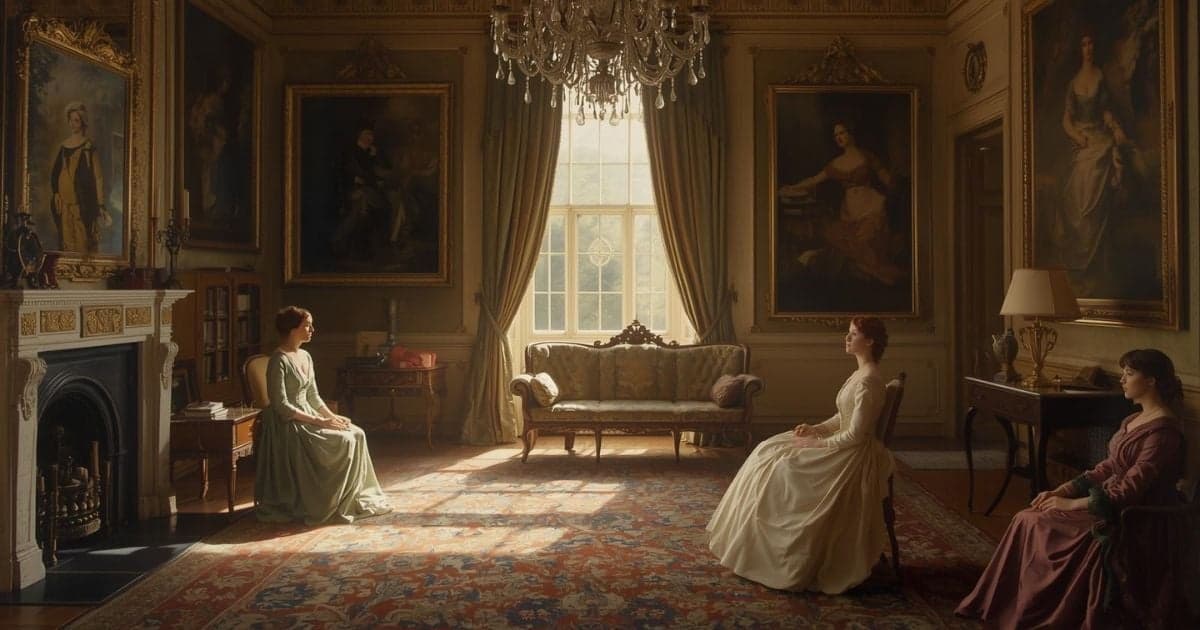
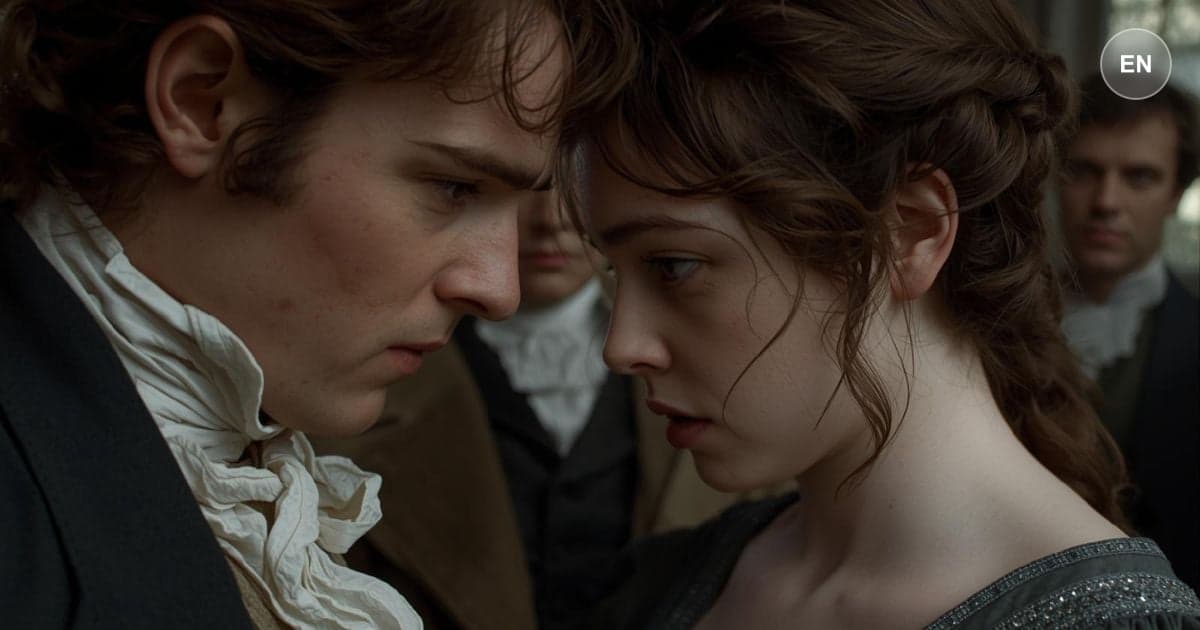
[Illustration] Miss Bingley’s letter arrived, and put an end to doubt. The very first sentence conveyed the assurance of their being all settled in London for the winter, and concluded with her brother’s regret at not having had time to pay his respects to his friends in Hertfordshire before he left the country. Hope was over, entirely over; and when Jane could attend to the rest of the letter, she found little, except the professed affection of the writer, that could give her any comfort. Miss Darcy’s praise occupied the chief of it. Her many attractions were again dwelt on;…
Public-domain chapter text, formatted for reading.
Master this chapter. Complete your experience
Purchase the complete book to access all chapters and support classic literature
Available in paperback, hardcover, and e-book formats
Now let's explore the literary elements.
Key Quotes & Analysis
"Hope was over, entirely over;"
Context: After reading the opening of Caroline Bingley's letter
Austen's blunt closure—no gradual fade; the letter ends doubt in a single stroke.
In Today's Words:
Sometimes reality hits like a brutal email notification. The hope you've been clinging to just vanishes completely, no gradual letdown or mixed signals. Like when that promotion you thought was yours goes to someone else, or when your startup's biggest client suddenly cancels their contract. The uncertainty ends, but not how you wanted it to.
"that it has not been more than an error of fancy on my side, and that it has done no harm to anyone but myself"
Context: Confiding in Elizabeth about Bingley
Jane's moral self-blame protects others' reputations at her own expense—Elizabeth knows better.
In Today's Words:
Jane's basically saying she misread the whole situation and takes full responsibility for getting her hopes up. It's like when you think a work relationship means more than it does, then blame yourself for being naive instead of calling out their mixed messages. Classic people-pleasing move, protecting everyone's reputation except your own feelings.
"selfishness is prudence, and insensibility of danger security for happiness"
Context: Refusing Jane's defense of Charlotte's marriage
Elizabeth names the rationalization Charlotte lives by—and rejects Jane's universal goodwill when it erases integrity.
In Today's Words:
Elizabeth's calling out the toxic mindset that puts self-interest above everything else. She's saying some people think being selfish is just smart business, and staying emotionally detached keeps you safe. It's the startup culture mentality where cutting people off is seen as strategic rather than heartless. She's not buying that rationalization at all.
"I must think your language too strong in speaking of both,"
Context: From the second half of the chapter
This line anchors the chapter's closing movement and shows how social pressure and private feeling collide in the scene.
In Today's Words:
In today's language, the passage says: I must think your language too strong in speaking of both, Readers still recognize the same dynamic when pride, strategy, or family pressure turns a private moment into public consequence. The pattern still shows up in offices, families, and neighborhoods today, where the same pressure narrows what people can
Thematic Threads
Letter as weapon
In This Chapter
Caroline's winter settlement and Georgiana praise
Development
Bingley plot's public turning point
In Your Life:
When has a warm message delivered a cold fact in the first line?
Self-blame vs clarity
In This Chapter
Jane's error of fancy
Development
Contrasts Elizabeth's sharper reading
In Your Life:
When have you blamed your own feelings to avoid judging someone else?
Weak resolution
In This Chapter
Elizabeth on Bingley
Development
Prepares contempt before Darcy's proposal
In Your Life:
When has someone's inability to say no cost someone who trusted them?
Charlotte revisited
In This Chapter
Elizabeth's unaccountable
Development
Friendship wound meets marriage pragmatism
In Your Life:
Can you condemn a choice and still love the person?
Wickham's campaign
In This Chapter
Open dislike of Darcy
Development
Neighbourhood prejudice hardens
In Your Life:
When did a charismatic storyteller make everyone hate someone you barely knew?
You now have the context. Time to form your own thoughts.
Discussion Questions
This is not a test. Five prompts guide you through the chapter, from how it opens to how it closes, so you notice context and rhythm rather than facts to memorize. Sit with each question in your own words. When you see "One way to read it," treat it as a starting point, not the only answer.
- 1
What does the first sentence of Miss Bingley's letter establish, and how does Jane respond?
analysis • surfaceOne way to read it
It says the party is settled in London for the winter and Charles regrets leaving without paying his respects. Jane reads that hope is over, entirely over, before she can take comfort from the rest.
- 2
How does Elizabeth interpret Bingley's conduct and the role of his friends?
analysis • mediumOne way to read it
She still believes he is fond of Jane but blames his easiness of temper and want of resolution, especially in conjunction with Darcy. She denies deliberate cruelty but calls the result thoughtlessness that hurts Jane.
- 3
When have you downplayed your own hurt to protect people around you from worrying?
application • mediumOne way to read it
Think of calling a disappointment only an error of fancy, saying a breakup harmed no one but yourself, or Jane claiming her mother's talk of Bingley pains her more than the loss itself.
- 4
Jane begs Elizabeth not to sink her opinion of Bingley, and Elizabeth stops pressing. What does that exchange show about how love and loyalty limit judgment?
application • deepOne way to read it
Elizabeth sees manipulation and weakness; Jane cannot believe sisters would oppose a real attachment. Elizabeth respects Jane's need to think well of Bingley and drops the argument rather than wound her further.
- 5
What effect does Mr. Wickham's frequent visits and general unreserve have on the neighbourhood's view of Mr. Darcy?
reflection • deepOne way to read it
Wickham's charm and openness make Darcy the local villain while only Jane allows unknown extenuating circumstances. Public opinion hardens around the story Elizabeth already prefers before Darcy can answer it.
Critical Thinking Exercise
First Line, Full Spin
Find a message (email, text, letter) where the opening stated a hard fact and the rest tried to soften or redirect blame. Write the fact, the spin, whose feelings were protected, and whether you blamed yourself as Jane does or assigned responsibility as Elizabeth does.
Consider:
- •What changed after the first sentence—plans, hope, timelines?
- •Did you minimize harm to preserve someone else's reputation?
- •Who told a side story that made the neighbourhood pick a villain?
Coming Up Next...
Chapter 25: Chapter XXV
Mrs. Bennet will urge a summer trip to town for the girls, and Elizabeth will refuse to hope that seeing Bingley again can undo what the letter has done. Mr. Collins dominates the opening movement.