Wide Reads
Literature MattersLife IndexEducators
Sign in
Where to Begin
Pride and Prejudice - Chapter 25

Jane Austen

Pride and Prejudice

Chapter 25

Home›Books›Pride and Prejudice›Chapter 25
Previous
25 of 61
Next

Summary

Chapter 25

Pride and Prejudice by Jane Austen

0:000:00
Listen to Next Chapter

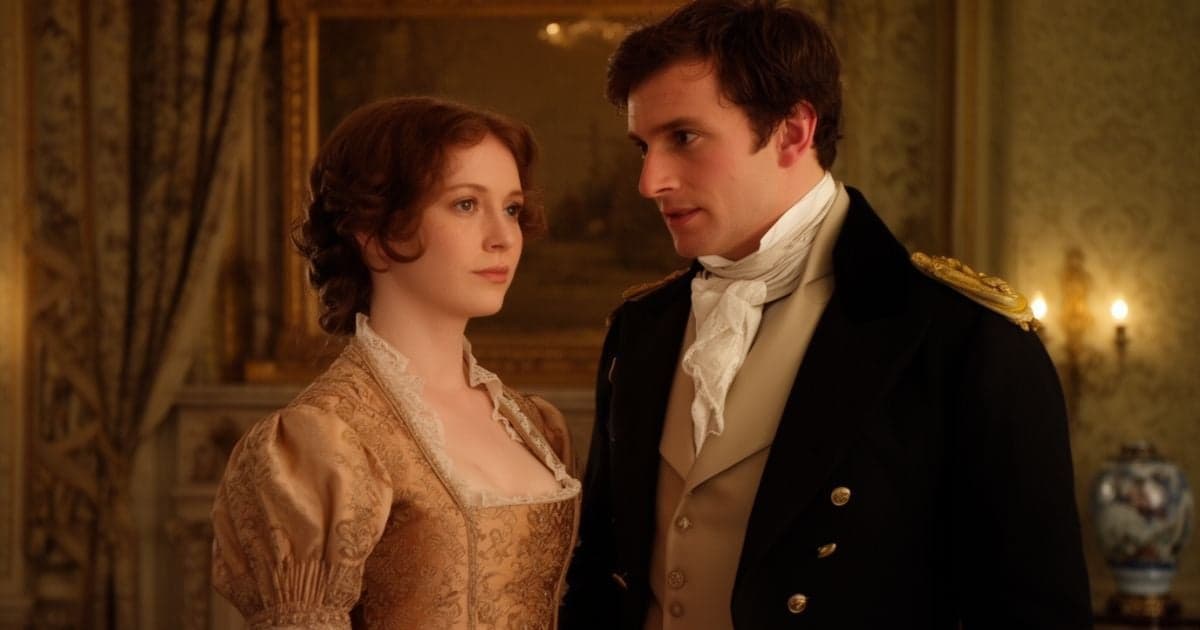
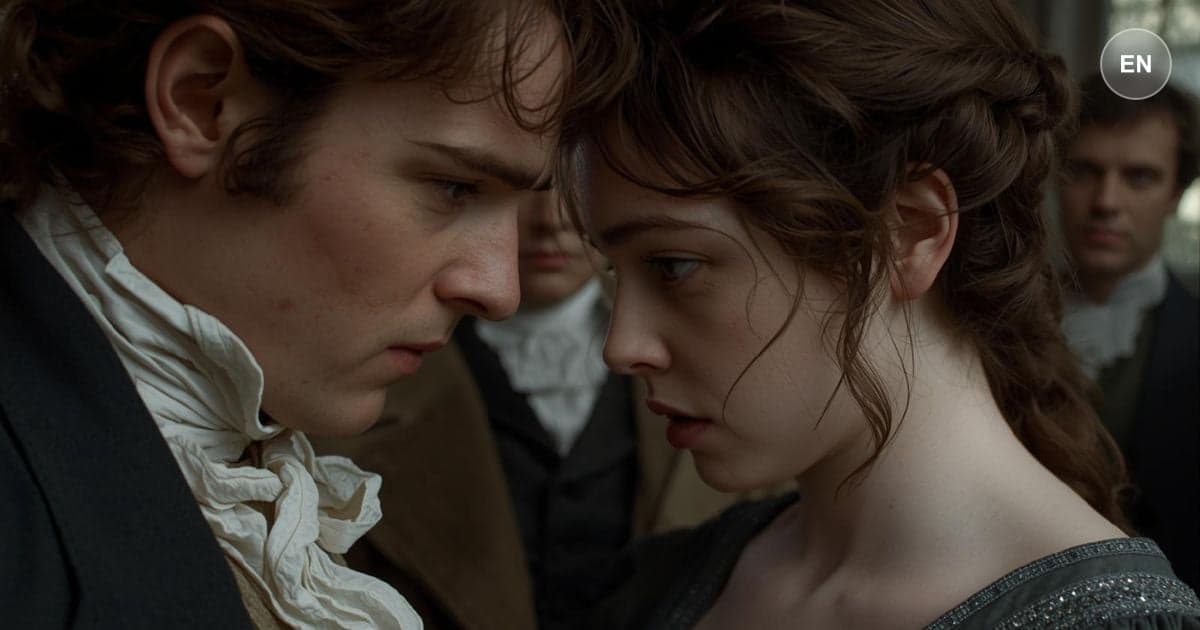
Elizabeth receives a shocking letter from Mr. Darcy that turns her world upside down. After his failed proposal, Darcy writes to defend himself against her accusations. He reveals the truth about Wickham - that Wickham actually tried to elope with Darcy's fifteen-year-old sister Georgiana for her fortune, and that Darcy had to intervene to protect her. Darcy also explains his role in separating Jane and Bingley, admitting he believed Jane didn't truly care for his friend based on her reserved behavior. As Elizabeth reads and re-reads the letter, she's forced to confront uncomfortable truths about her own judgment. She realizes she's been blind to Wickham's true character, charmed by his smooth talk while dismissing Darcy based on wounded pride and first impressions. The letter forces Elizabeth into painful self-reflection - she sees how her prejudice against Darcy made her believe the worst about him while ignoring red flags about Wickham. This chapter marks Elizabeth's crucial turning point. She begins to understand that her quick judgments and pride in her own discernment have led her astray. The confident young woman who thought she could read people like books discovers she's been completely wrong about two very important men. Darcy's letter doesn't just defend his actions - it holds up a mirror to Elizabeth's own flaws. She starts to see how her family's behavior might appear to outsiders and why Darcy had concerns about Jane's feelings. This moment of self-awareness is devastating but necessary for Elizabeth's growth. She's learning that true understanding requires looking beyond surface impressions and examining her own motivations.

Coming Up in Chapter 26

Elizabeth struggles to process everything Darcy has revealed, questioning everything she thought she knew about the people around her. Her entire understanding of recent events begins to crumble as she faces some hard truths about herself.

Share it with friends

Previous ChapterNext Chapter
GO ADS FREE — JOIN US
Original text
complete·1,535 words
I

[llustration]

After a week spent in professions of love and schemes of felicity, Mr. Collins was called from his amiable Charlotte by the arrival of Saturday. The pain of separation, however, might be alleviated on his side by preparations for the reception of his bride, as he had reason to hope, that shortly after his next return into Hertfordshire, the day would be fixed that was to make him the happiest of men. He took leave of his relations at Longbourn with as much solemnity as before; wished his fair cousins health and happiness again, and promised their father another letter of thanks.

1 / 11

Master this chapter. Complete your experience

Purchase the complete book to access all chapters and support classic literature

Read Free on GutenbergBuy at Powell'sBuy on Amazon

As an Amazon Associate, we earn a small commission from qualifying purchases at no additional cost to you.

Available in paperback, hardcover, and e-book formats

GO ADS FREE — JOIN US

Why This Matters

Connect literature to life

Skill: Testing Your Own Judgment

This chapter teaches how to recognize when your confidence in reading people might be your biggest blind spot.

GO ADS FREE — JOIN US

Now let's explore the literary elements.

Key Quotes & Analysis

"How despicably have I acted! I, who have prided myself on my discernment!"

— Elizabeth Bennet

Context: Elizabeth's reaction after reading Darcy's letter and realizing her misjudgments

This moment of self-awareness marks Elizabeth's crucial character development. She recognizes that her pride in being a good judge of character was actually her greatest weakness, leading her to trust Wickham and dismiss Darcy.

"Till this moment, I never knew myself."

— Elizabeth Bennet

Context: Elizabeth's devastating realization about her own character flaws

This represents the novel's central theme about self-knowledge. Elizabeth discovers that true understanding requires honest self-examination, not just judgment of others. It's a painful but necessary step toward maturity.

"I have no wish of denying that I did everything in my power to separate my friend from your sister."

— Mr. Darcy

Context: Darcy's honest admission in his letter about interfering with Jane and Bingley

Darcy's directness shows his integrity - he doesn't make excuses but explains his reasoning. This honesty contrasts sharply with Wickham's manipulative charm and begins to show Elizabeth Darcy's true character.

Thematic Threads

Prejudice

In This Chapter

Elizabeth confronts how her prejudice against Darcy made her believe Wickham's lies and dismiss Darcy's true character

Development

Evolves from social prejudice to personal bias - now it's about Elizabeth's flawed judgment, not just class differences

In Your Life:

When have you let your first impressions of someone blind you to evidence that contradicted your initial judgment?

Self-Knowledge

In This Chapter

Elizabeth experiences painful self-reflection, realizing she's been wrong about her ability to judge character accurately

Development

Major breakthrough - Elizabeth moves from confident in her perceptions to questioning everything she thought she knew

In Your Life:

Can you think of a time when you discovered you were completely wrong about something you felt certain about - how did that shake your confidence?

Truth vs Appearance

In This Chapter

Darcy's letter reveals the gap between how things appeared and what actually happened with both Wickham and Jane/Bingley

Development

Deepens from social appearances to personal deceptions - the stakes become more intimate and damaging

In Your Life:

Have you ever found out that a situation you thought you understood completely was actually very different from what it appeared to be?

Communication

In This Chapter

Darcy's written letter succeeds where his spoken words failed, allowing Elizabeth to process difficult truths privately

Development

Shows how the medium of communication affects the message - writing allows for reflection that conversation didn't

In Your Life:

When has writing out your thoughts (or receiving a written message) helped you process something difficult that face-to-face conversation couldn't accomplish?

Pride

In This Chapter

Elizabeth's pride in her own judgment prevented her from seeing the truth about both men until forced to confront facts

Development

Shifts from Darcy's social pride to Elizabeth's intellectual pride - both forms blind us to reality

In Your Life:

What's an example of when your confidence in your own abilities or judgment actually prevented you from seeing an important truth?

GO ADS FREE — JOIN US

You now have the context. Time to form your own thoughts.

Discussion Questions

  1. 1

    What specific information in Darcy's letter completely changed Elizabeth's understanding of both him and Wickham?

  2. 2

    How did Elizabeth's first impressions create a mental filter that made her miss obvious red flags about Wickham's character?

  3. 3

    Think about someone you initially misjudged - what made you finally see them differently, and how long did it take?

  4. 4

    When you realize you've been wrong about someone important, what's your strategy for rebuilding that relationship or protecting yourself?

  5. 5

    Why do we humans cling so tightly to our first impressions even when new evidence suggests we're wrong?

Critical Thinking Exercise

The Evidence Audit

Think of someone you have a strong opinion about - positive or negative. Write down three specific pieces of 'evidence' that support your view of them. Now challenge each piece: What other explanations could there be for their behavior? What contradictory evidence have you been ignoring or explaining away? Finally, identify one concrete action you could take to test whether your impression might be incomplete.

Consider:

  • •Look for patterns where you've had to create increasingly complex explanations for someone's actions to maintain your original impression
  • •Pay attention to information you've been unconsciously filtering out because it doesn't fit your narrative about this person
  • •Consider how your own emotional state or circumstances when you first met this person might have colored your judgment

Coming Up Next...

Chapter 26

Elizabeth struggles to process everything Darcy has revealed, questioning everything she thought she knew about the people around her. Her entire understanding of recent events begins to crumble as she faces some hard truths about herself.

Continue to Chapter 26
Previous
Chapter 24
Contents
Next
Chapter 26

Continue Exploring

Pride and Prejudice Study GuideTeaching ResourcesEssential Life IndexBrowse by ThemeAll Books
Social Class & StatusLove & RelationshipsIdentity & Self-Discovery

You Might Also Like

Great Expectations cover

Great Expectations

Charles Dickens

Explores personal growth

Anna Karenina cover

Anna Karenina

Leo Tolstoy

Explores society & class

The Great Gatsby cover

The Great Gatsby

F. Scott Fitzgerald

Explores personal growth

Jane Eyre cover

Jane Eyre

Charlotte Brontë

Explores personal growth

Browse all 47+ books

Share This Chapter

Know someone who'd enjoy this? Spread the wisdom!

TwitterFacebookLinkedInEmail

Read ad-free with Prestige

Get rid of ads, unlock study guides and downloads, and support free access for everyone.

Subscribe to PrestigeCreate free account
Intelligence Amplifier
Intelligence Amplifier™Powering Wide Reads

Exploring human-AI collaboration through books, essays, and philosophical dialogues. Classic literature transformed into navigational maps for modern life.

2025 Books

→ The Amplified Human Spirit→ The Alarming Rise of Stupidity Amplified→ San Francisco: The AI Capital of the World
Visit intelligenceamplifier.org
hello@widereads.com

WideReads Originals

→ You Are Not Lost→ The Last Chapter First→ The Lit of Love→ Wealth and Poverty→ 10 Paradoxes in the Classics · coming soon
Arvintech
arvintechAmplify your Mind
Visit at arvintech.com

Navigate

  • Home
  • Library
  • Essential Life Index
  • How It Works
  • Subscribe
  • Account
  • About
  • Contact
  • Authors
  • Suggest a Book
  • Landings

Made For You

  • Students
  • Educators
  • Families
  • Readers
  • Literary Analysis
  • Finding Purpose
  • Letting Go
  • Recovering from a Breakup
  • Corruption
  • Gaslighting in the Classics

Newsletter

Weekly insights from the classics. Amplify Your Mind.

Legal

  • Privacy Policy
  • Terms of Service
  • Cookie Policy
  • Accessibility

Why Public Domain?

We focus on public domain classics because these timeless works belong to everyone. No paywalls, no restrictions—just wisdom that has stood the test of centuries, freely accessible to all readers.

Public domain books have shaped humanity's understanding of love, justice, ambition, and the human condition. By amplifying these works, we help preserve and share literature that truly belongs to the world.

A Pilgrimage

Powell's City of Books

Portland, Oregon

If you ever find yourself in Portland, walk to the corner of Burnside and 10th. The building takes up an entire city block. Inside is over a million books, new and used on the same shelf, organized by color-coded rooms with names like the Rose Room and the Pearl Room. You can lose an afternoon. You can lose a weekend. You will find a book you have been looking for your whole life, and three you did not know existed.

It is a pilgrimage. We cannot find a bookstore like it anywhere on earth. If you read the classics, and you ever get the chance, go. It belongs on every reader's bucket list.

Visit powells.com

We are not in any way affiliated with Powell's. We are just a very big fan.

© 2026 Wide Reads™. All Rights Reserved.

Intelligence Amplifier™ and Wide Reads™ are proprietary trademarks of Arvin Lioanag.

Copyright Protection: All original content, analyses, discussion questions, pedagogical frameworks, and methodology are protected by U.S. and international copyright law. Unauthorized reproduction, distribution, web scraping, or use for AI training is strictly prohibited. See our Copyright Notice for details.

Disclaimer: The information provided on this website is for general informational and educational purposes only and does not constitute professional, legal, financial, or technical advice. While we strive to ensure accuracy and relevance, we make no warranties regarding completeness, reliability, or suitability. Any reliance on such information is at your own risk. We are not liable for any losses or damages arising from use of this site. By using this site, you agree to these terms.