Chapter 17
Telling a friend the story you believe and hearing them refuse to p...
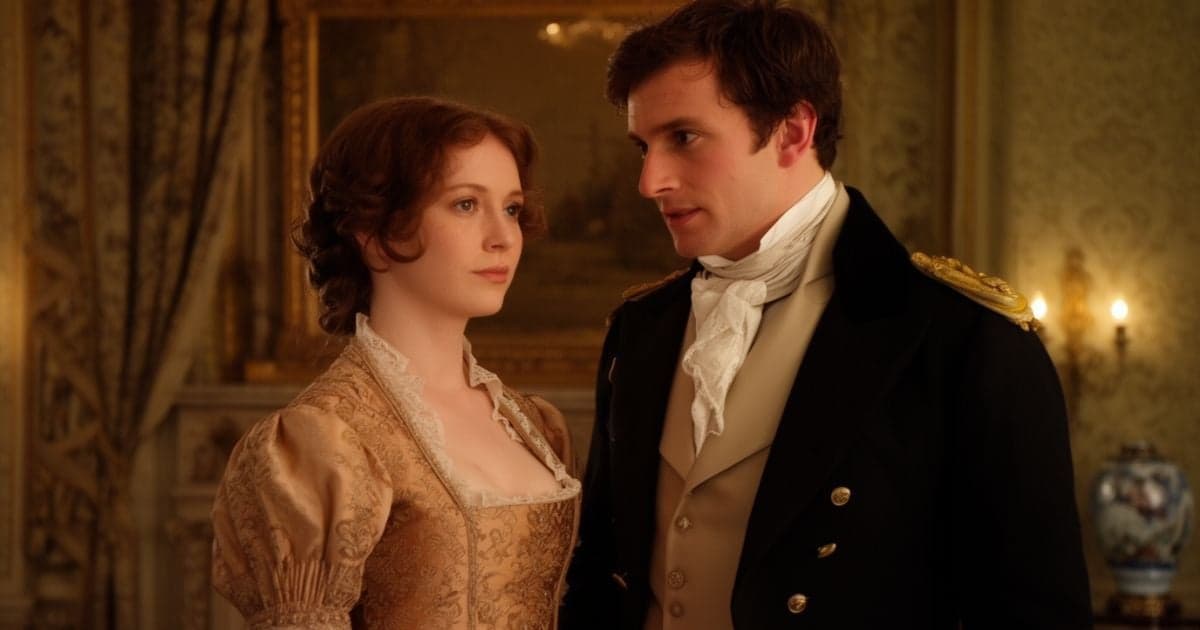
[Illustration] Elizabeth related to Jane, the next day, what had passed between Mr. Wickham and herself. Jane listened with astonishment and concern: she knew not how to believe that Mr. Darcy could be so unworthy of Mr. Bingley’s regard; and yet it was not in her nature to question the veracity of a young man of such amiable appearance as Wickham. The possibility of his having really endured such unkindness was enough to interest all her tender feelings; and nothing therefore remained to be done but to think well of them both, to defend the conduct of each, and throw…
Public-domain chapter text, formatted for reading.
Master this chapter. Complete your experience
Purchase the complete book to access all chapters and support classic literature
Available in paperback, hardcover, and e-book formats
Now let's explore the literary elements.
Key Quotes & Analysis
"It is, in short, impossible for us to conjecture the causes or circumstances which may have alienated them, without actual blame on either side"
Context: After Elizabeth reports Wickham's account of Darcy
Jane's moral generosity: she will not assign blame even when the story demands a villain.
In Today's Words:
We can't really know what went wrong between them without getting both sides of the story. Maybe neither person is completely at fault here. Sometimes workplace conflicts or relationship drama looks black and white from the outside, but there are usually complicated reasons behind every falling out that we don't see.
"Jane listened with astonishment and concern: she knew not how to believe that Mr"
Context: Arguing with Jane in the shrubbery
Elizabeth's asymmetric proof: detail and manner convince her; she challenges Darcy to deny, not Wickham to prove.
In Today's Words:
I find it much easier to believe Bingley was manipulated than that Wickham would invent such a detailed story with specific names and facts. If Darcy wants to clear his name, he should speak up and deny it himself. You could see the genuine honesty in Wickham's expression when he told me everything.
"ins in the course of the evening; and I take this opportunity of soliciting yours, Miss Elizabeth, for the two first dances especially; a preference which I trust my cousin Jane will attribute to the right cause, and not to any disrespect for her"
Context: After learning he may dance at the Netherfield ball
Comic catastrophe for Elizabeth's Wickham plans and a public signal that Collins marks her as his choice.
In Today's Words:
Elizabeth, I'd like to request the first two dances with you at tonight's gathering. I hope Jane won't take offense, as this simply reflects my desire to become better acquainted with you specifically. I'm confident she'll understand my intentions are entirely proper and suitable for the occasion.
"While I can have my mornings to myself,"
Context: From the second half of the chapter
This line anchors the chapter's closing movement and shows how social pressure and private feeling collide in the scene.
In Today's Words:
In today's language, the passage says: While I can have my mornings to myself, Readers still recognize the same dynamic when pride, strategy, or family pressure turns a private moment into public consequence. The pattern still shows up in offices, families, and neighborhoods today, where the same pressure narrows what people can see before anyone
Thematic Threads
Sisterly contrast
In This Chapter
Jane's charity versus Elizabeth's certainty about Wickham and Darcy
Development
Continues from Ch. XVI's secret
In Your Life:
When has a friend refused to agree with your villain—and were they right to wait?
Prejudice hardening
In This Chapter
Elizabeth wants the ball to confirm Darcy's guilt in looks and behaviour
Development
Sets up Ch. XVIII disappointment
In Your Life:
When have you attended an event mainly to validate what you already believe?
Unwanted suitor
In This Chapter
Collins's two first dances and Hunsford hint
Development
Proposal approaching
In Your Life:
When did someone publicize interest before you agreed privately?
Social invitation as plot
In This Chapter
Netherfield ball fixed for Tuesday
Development
Central set piece for the next chapter
In Your Life:
When has one invitation rearranged everyone's hopes in a household?
Appearance and belief
In This Chapter
Jane trusts Wickham's looks; Elizabeth trusts his detail
Development
Both insufficient tests of truth
In Your Life:
What besides manner and specificity do you require before you judge someone's enemy?
You now have the context. Time to form your own thoughts.
Discussion Questions
This is not a test. Five prompts guide you through the chapter, from how it opens to how it closes, so you notice context and rhythm rather than facts to memorize. Sit with each question in your own words. When you see "One way to read it," treat it as a starting point, not the only answer.
- 1
What does Elizabeth tell Jane about Wickham, and how does Jane try to resolve the conflict between the two men?
analysis • surfaceOne way to read it
Elizabeth repeats Wickham's story about the denied living. Jane cannot believe Darcy so unworthy of Bingley's regard, so she tries to think both men deceived by interested misrepresenters rather than blame either directly.
- 2
Why does Elizabeth accept Mr. Collins for the two first dances at the Netherfield ball, and what does that reveal about his intentions?
analysis • mediumOne way to read it
Those dances were the ones she had meant to give Wickham. Collins solicits them without scruple, and Elizabeth accepts with bad grace, realizing he marks her as his chosen wife and future mistress of Hunsford.
- 3
When have you tried to stay fair to two people in conflict while a friend wanted you to choose a villain?
application • mediumOne way to read it
Think of refusing to condemn one side in a breakup, a workplace feud, or a family split when someone you trust is pressing you to see malice where you still see missing information.
- 4
Bingley and his sisters deliver the ball invitation in the shrubbery and are civil only to Jane. What does each sister hope the ball will bring her?
application • deepOne way to read it
Jane hopes for time with Bingley; Elizabeth hopes to dance with Wickham and read guilt in Darcy's face; Kitty and Lydia care chiefly that it is a ball. The same event serves different plots for nearly everyone invited.
- 5
What does Jane's refusal to condemn Wickham or Darcy reveal about the limits of good nature as a method of finding truth?
reflection • deepOne way to read it
Jane's generosity protects her from cruelty but also from judgment. By assuming both men must be more innocent than they appear, she cannot help Elizabeth test whether Wickham's story will survive scrutiny.
Critical Thinking Exercise
The Friend Who Won't Pick a Side
Describe a time you told someone a convincing story about a third person and they refused to condemn anyone. Were you right to want agreement? What evidence had you actually checked?
Consider:
- •Did you ask the accused party for their version before repeating the story?
- •What would Jane need to hear to doubt Wickham—and what would you need?
- •Who else claimed your time or attention before you could verify the account?
Coming Up Next...
Chapter 18: Chapter XVIII
At Netherfield Wickham is missing, Darcy asks Elizabeth to dance, and Collins makes her miserable for two dances, while jealousy and rain sharpen every feeling. Elizabeth entered dominates the opening movement. The next chapter turns that pressure into a scene you cannot read only as background.