Wide Reads
Literature MattersLife IndexEducators
Sign in
Where to Begin

Chapter XVIII — Pride and Prejudice

Pride and Prejudice - Chapter XVIII

Jane Austen

Pride and Prejudice

Chapter XVIII

Home›Books›Pride and Prejudice›Chapter 18
Previous
18 of 61
Next

Analysis by the Wide Reads editorial team·Reviewed against the source text·Updated November 27, 2025

Summary

Chapter XVIII

Pride and Prejudice by Jane Austen

0:000:00
Listen to Next Chapter

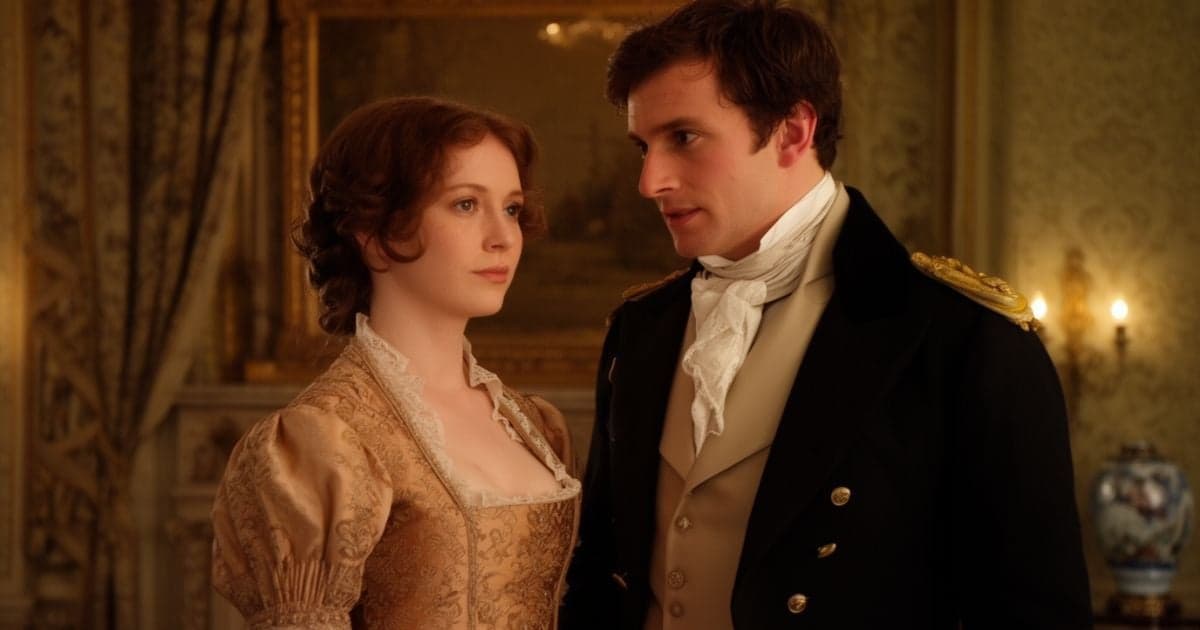
One crowded evening can lock in a false story when absence reads as guilt, rivals tell you what you want to hear, and your family performs every mistake in public. Elizabeth arrives at Netherfield expecting Wickham and finds him absent. Mr. Denny says he went to town; his smile suggests he avoided Darcy. Disappointment sharpens her anger before she can be civil to Darcy. The two first dances with Collins are mortification; an officer praises Wickham. Darcy asks Elizabeth to dance; she accepts without thinking, then tells Charlotte she is determined to hate him.

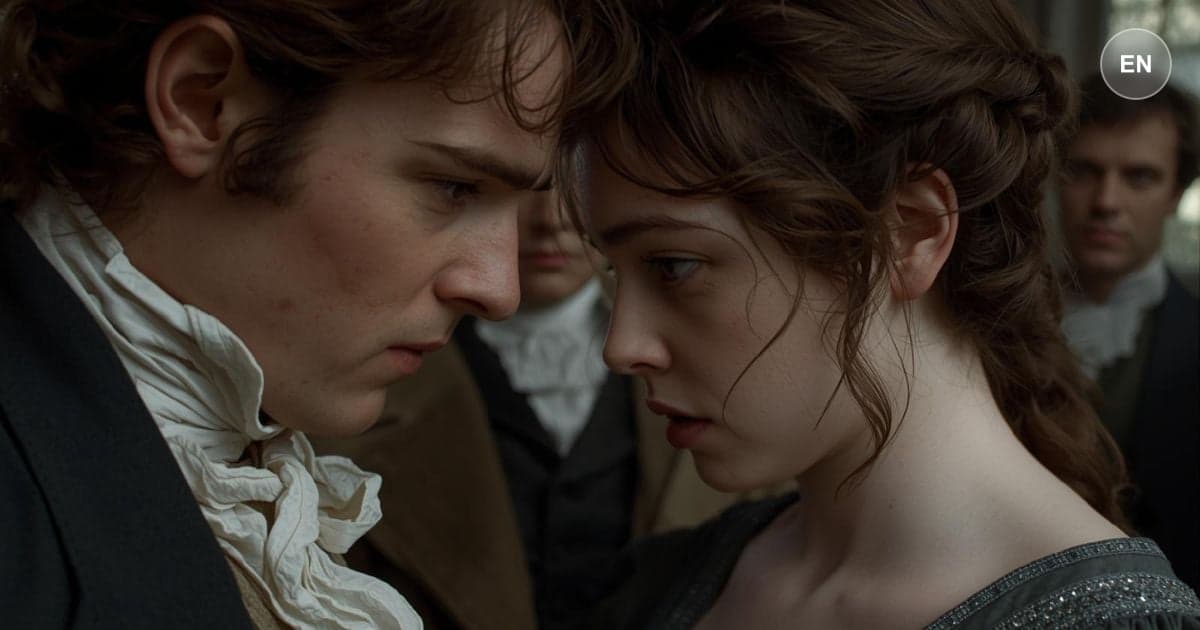
Their set mixes wit and hostility: she probes his unappeasable resentment, mentions forming a new acquaintance at Meryton, and trades barbs when he warns that Wickham makes friends more easily than he keeps them. Caroline claims Wickham is the steward's son and Darcy has been kind; Elizabeth reads malice. Jane, radiant with Bingley's attention, reports that Bingley and Caroline call Wickham imprudent and say the living was conditional. Elizabeth trusts Bingley's sincerity but not his evidence, and refuses to revise Wickham on assurances alone.

Collins discovers Darcy is Lady Catherine's nephew and introduces himself despite Elizabeth's protest; Darcy receives him with distant civility Collins misreads as warmth. Mrs. Bennet, overheard by Darcy, loudly anticipates Jane's marriage to Bingley and Elizabeth's to Collins. Mary sings twice despite Elizabeth's silent pleas; Collins preaches clerical duty aloud and bows to Darcy. Elizabeth thinks her family has exposed themselves with maximum spirit; Bingley may have missed the worst, but Darcy and the Bingley sisters have seen enough to ridicule.

Collins shadows Elizabeth for the rest of the evening while Darcy avoids her; she rejoices at his silence and blames her Wickham allusions. The Bennets leave last after Mrs. Bennet's maneuver; Caroline and Mrs. Hurst wish them away with barely concealed fatigue. Mrs. Bennet presses civilities on Bingley for a family dinner; he promises an early visit from London. She is sure of Jane at Netherfield within months and Elizabeth with Collins, ranking Elizabeth least dear now that a richer match is in view, while Mr. Bennet silently enjoys the spectacle of social collision.

In this chapter: Terms Characters Key Quotes Themes Modern Story

Why This Matters

Connect literature to life

Skill: Reading a crowded social scene

Absence is not evidence, but one crowded night can make it feel like proof. Wickham is missing from Netherfield, Elizabeth blames Darcy, dances and spars with him anyway, and leaves rejoicing when he stops approaching her after she mentions Wickham at Meryton. Separate who was not there from what you actually know, before family noise and rival gossip finish the story for you.

Coming Up in Chapter 19

The morning after the ball, Mr. Collins will make his formal offer, and Elizabeth's refusal will throw Longbourn into an uproar. One crowded evening can lock in a false story when absence reads as guilt, rivals tell you what you want to hear, and your family performs every mistake in public.

Share it with friends

PreviousPrevious ChapterNextNext Chapter
Original text
5,191 wordscomplete

Chapter 18

One crowded evening can lock in a false story when absence reads as...

[Illustration] Till Elizabeth entered the drawing-room at Netherfield, and looked in vain for Mr. Wickham among the cluster of red coats there assembled, a doubt of his being present had never occurred to her. The certainty of meeting him had not been checked by any of those recollections that might not unreasonably have alarmed her. She had dressed with more than usual care, and prepared in the highest spirits for the conquest of all that remained unsubdued of his heart, trusting that it was not more than might be won in the course of the evening. But in an instant…

Public-domain chapter text, formatted for reading.

Master this chapter. Complete your experience

Purchase the complete book to access all chapters and support classic literature

Buy at Powell'sBuy on Amazon

Available in paperback, hardcover, and e-book formats

Now let's explore the literary elements.

Key Quotes & Analysis

"Heaven forbid! _That_ would be the greatest misfortune of all! To find a man agreeable whom one is determined to hate"

— Elizabeth Bennet

Context: After Charlotte says she may find Darcy agreeable when he asks her to dance

Elizabeth names her conscious prejudice before the conversation complicates it.

In Today's Words:

Oh god, that would be the worst possible outcome! Imagine actually liking someone you've already decided to dislike! Elizabeth knows she's being stubborn about Darcy, but admitting you might be wrong about someone feels like losing control. It's like when you've complained about a difficult client so much that finding common ground becomes personally threatening.

"ith-- “It is _your_ turn to say something now, Mr. Darcy. _I_ talked about the dance, and _you_ ought to make some kind of remark on the size of the room, or the number of couples"

— Elizabeth Bennet

Context: During their dance together at Netherfield

Wit that forces engagement; their chemistry appears in antagonism before attraction is admitted.

In Today's Words:

Your move, Darcy. I handled the weather talk, so now you can comment on the crowd or decorations. Elizabeth won't tolerate uncomfortable quiet, particularly with someone who irritates her. It's like being trapped in polite conversation with that coworker who gets under your skin but you refuse to give them the satisfaction of walking away.

"Mr. Wickham is blessed with such happy manners as may insure his _making_ friends; whether he may be equally capable of _retaining_ them, is less certain"

— Mr. Darcy

Context: After Elizabeth mentions forming a new acquaintance at Meryton

Darcy's guarded warning; Elizabeth reads guilt while readers may hear truth.

In Today's Words:

Wickham has that natural charm that helps him network effortlessly and make great first impressions. Whether he can actually maintain those professional relationships long term is another question entirely. Darcy's giving Elizabeth a subtle heads up about someone's character, but she's too defensive to hear the warning. Classic workplace politics where good advice gets dismissed.

"You are not going to introduce yourself to Mr. Darcy?"

— Narrator

Context: From the second half of the chapter

This line anchors the chapter's closing movement and shows how social pressure and private feeling collide in the scene.

In Today's Words:

In today's language, the passage says: You are not going to introduce yourself to Mr. Darcy? Readers still recognize the same dynamic when pride, strategy, or family pressure turns a private moment into public consequence. The pattern still shows up in offices, families, and neighborhoods today, where the same pressure narrows what people can see

Thematic Threads

Prejudice and proximity

In This Chapter

Elizabeth hates Darcy yet dances and talks with him at length

Development

Attraction and antagonism entwined

In Your Life:

When have you been most sharp with someone you could not ignore?

Family as social risk

In This Chapter

Mrs. Bennet, Mary, Collins embarrass Elizabeth before Darcy

Development

Her shame foreshadows his first proposal insult

In Your Life:

When has a relative's public behaviour changed how others saw you?

Competing narratives

In This Chapter

Wickham's tale versus Caroline and Bingley on Darcy's behalf

Development

Elizabeth chooses the story that fits her dislike

In Your Life:

At a gathering, whose version of a conflict did you accept without cross-check?

Jane and Bingley

In This Chapter

Sir William's hint, Mrs. Bennet's loud hopes, Jane's happiness

Development

Parallel romance track peaks before interference

In Your Life:

When has a friend's romance made you overlook warnings about someone else?

Class and performance

In This Chapter

Collins on clerical dignity equal to rank; Caroline on Wickham's descent

Development

Status language everywhere at the ball

In Your Life:

Where do people rank others by parentage or job title at a social event?

You now have the context. Time to form your own thoughts.

Discussion Questions

This is not a test. Five prompts guide you through the chapter, from how it opens to how it closes, so you notice context and rhythm rather than facts to memorize. Sit with each question in your own words. When you see "One way to read it," treat it as a starting point, not the only answer.

  1. 1

    Why is Mr. Wickham absent from the Netherfield ball, and how does Elizabeth interpret his absence?

    ▶One way to read it

    Denny says Wickham went to town on business and suggests he wished to avoid a certain gentleman there. Elizabeth takes this as proof that Darcy is answerable for Wickham's absence and her disappointment sharpens her anger.

    analysis • surface
  2. 2

    What do Elizabeth and Mr. Darcy discuss during their dance, and how does the subject of Mr. Wickham arise?

    ▶One way to read it

    Their conversation mixes wit and hostility. Elizabeth probes his unappeasable resentment, mentions Meryton, and trades barbs until he warns that Wickham makes friends more easily than he keeps them.

    analysis • medium
  3. 3

    When have you interpreted someone's absence at an important event as proof of a story you already wanted to believe?

    ▶One way to read it

    Think of reading no-show as guilt, silence as agreement, or avoidance as confirmation of your side before learning whether logistics, fear, or another person caused the absence.

    application • medium
  4. 4

    Mr. Collins introduces himself to Mr. Darcy as Lady Catherine's nephew despite Elizabeth's protest. What social damage does that moment do?

    ▶One way to read it

    Collins's presumptuous bow embarrasses Elizabeth by linking her to his obsequiousness in front of the man she already despises. It also shows how family performance can undermine your own standing in a room.

    application • deep
  5. 5

    What does the ball reveal about how public humiliation, family behavior, and missing witnesses can harden a prejudice all at once?

    ▶One way to read it

    Elizabeth loses Wickham, dances with Collins in mortification, hears rival accounts of Darcy, suffers Mrs. Bennet's loud matchmaking, and leaves with her anger confirmed rather than tested. One evening stacks reasons to hate him before she hears his full story.

    reflection • deep

Critical Thinking Exercise

The Night That Fixed Your View

Recall a major social event where someone you disliked was absent, a rival told you their side, and family behaviour embarrassed you. What did you conclude that night without verification?

Consider:

  • •Did absence count as guilt for you?
  • •Did conversation with the disliked person change anything or harden you?
  • •Whose account did you reject because of who told it, not what evidence they had?

Coming Up Next...

Chapter 19: Chapter XIX

The morning after the ball, Mr. Collins will make his formal offer, and Elizabeth's refusal will throw Longbourn into an uproar. One crowded evening can lock in a false story when absence reads as guilt, rivals tell you what you want to hear, and your family performs every mistake in public.

Continue to Chapter 19
Previous
Chapter XVII
Contents
Next
Chapter XIX
Keep exploring

Continue Exploring

Study guides, teaching tools, themes, and the full library.More ways to read Pride and Prejudice: study guides, teaching tools, and the wider library.

  • Pride and Prejudice Study Guide
  • Teaching Resources
  • Essential Life Index
  • Browse by Theme
  • All Books

What this chapter teaches

Theme analyses that draw on this chapter and apply it to modern life.

  • Challenging First ImpressionsDiscover how first impressions trap us—and the courage it takes to admit we were wrong in Pride and Prejudice and beyond.
  • Developing Self-AwarenessExplore developing self-awareness through Pride and Prejudice by Jane Austen. Life lessons from classic literature applied to modern challenges.
Social Class & StatusLove & RelationshipsIdentity & Self-Discovery

You Might Also Like

Persuasion cover

Persuasion

Jane Austen

Also by Jane Austen

Emma cover

Emma

Jane Austen

Also by Jane Austen

Sense and Sensibility cover

Sense and Sensibility

Jane Austen

Also by Jane Austen

Northanger Abbey cover

Northanger Abbey

Jane Austen

Also by Jane Austen

Browse all 106+ books

Share This Chapter

Know someone who'd enjoy this? Spread the wisdom!

TwitterFacebookLinkedInEmail

Go further with Prestige

Unlock study guides and downloads, early access, and exclusive content — and support free access for everyone.

Subscribe to PrestigeCreate free account
Intelligence Amplifier
Intelligence Amplifier™Powering Wide Reads

Exploring human-AI collaboration through books, essays, and philosophical dialogues. Classic literature transformed into navigational maps for modern life.

2025 Books

→ The Amplified Human Spirit→ The Alarming Rise of Stupidity Amplified→ San Francisco: The AI Capital of the World
Visit intelligenceamplifier.org
hello@widereads.com

WideReads Originals

→ You Are Not Lost→ The Last Chapter First→ The Lit of Love→ Wealth and Poverty→ Wisdom for the Wounded
Arvintech
arvintechAmplify your Mind
Visit at arvintech.com

Navigate

  • Home
  • Library
  • Essential Life Index
  • How It Works
  • Subscribe
  • Account
  • About
  • Contact
  • Authors
  • Suggest a Book
  • Landings

Made For You

  • Trending
  • Students
  • Educators
  • Families
  • Readers
  • Literary Analysis
  • Finding Purpose
  • Letting Go
  • Recovering from a Breakup
  • Corruption
  • Gaslighting in the Classics

Newsletter

Weekly insights from the classics. Amplify Your Mind.

Legal

  • Privacy Policy
  • Terms of Service
  • Editorial Standards
  • Cookie Policy
  • Accessibility

Why Public Domain?

We focus on public domain classics because these timeless works belong to everyone. No paywalls, no restrictions—just wisdom that has stood the test of centuries, freely accessible to all readers.

Public domain books have shaped humanity's understanding of love, justice, ambition, and the human condition. By amplifying these works, we help preserve and share literature that truly belongs to the world.

A Pilgrimage

Powell's City of Books

Portland, Oregon

If you ever find yourself in Portland, walk to the corner of Burnside and 10th. The building takes up an entire city block. Inside is over a million books, new and used on the same shelf, organized by color-coded rooms with names like the Rose Room and the Pearl Room. You can lose an afternoon. You can lose a weekend. You will find a book you have been looking for your whole life, and three you did not know existed.

It is a pilgrimage. We cannot find a bookstore like it anywhere on earth. If you read the classics, and you ever get the chance, go. It belongs on every reader's bucket list.

Visit powells.com

We are not in any way affiliated with Powell's. We are just a very big fan.

© 2026 Wide Reads™. All Rights Reserved.

Intelligence Amplifier™ and Wide Reads™ are proprietary trademarks of Arvin Lioanag.

Copyright Protection: All original content, analyses, discussion questions, pedagogical frameworks, and methodology are protected by U.S. and international copyright law. Unauthorized reproduction, distribution, web scraping, or use for AI training is strictly prohibited. See our Copyright Notice for details.

Disclaimer: The information provided on this website is for general informational and educational purposes only and does not constitute professional, legal, financial, or technical advice. While we strive to ensure accuracy and relevance, we make no warranties regarding completeness, reliability, or suitability. Any reliance on such information is at your own risk. We are not liable for any losses or damages arising from use of this site. By using this site, you agree to these terms.