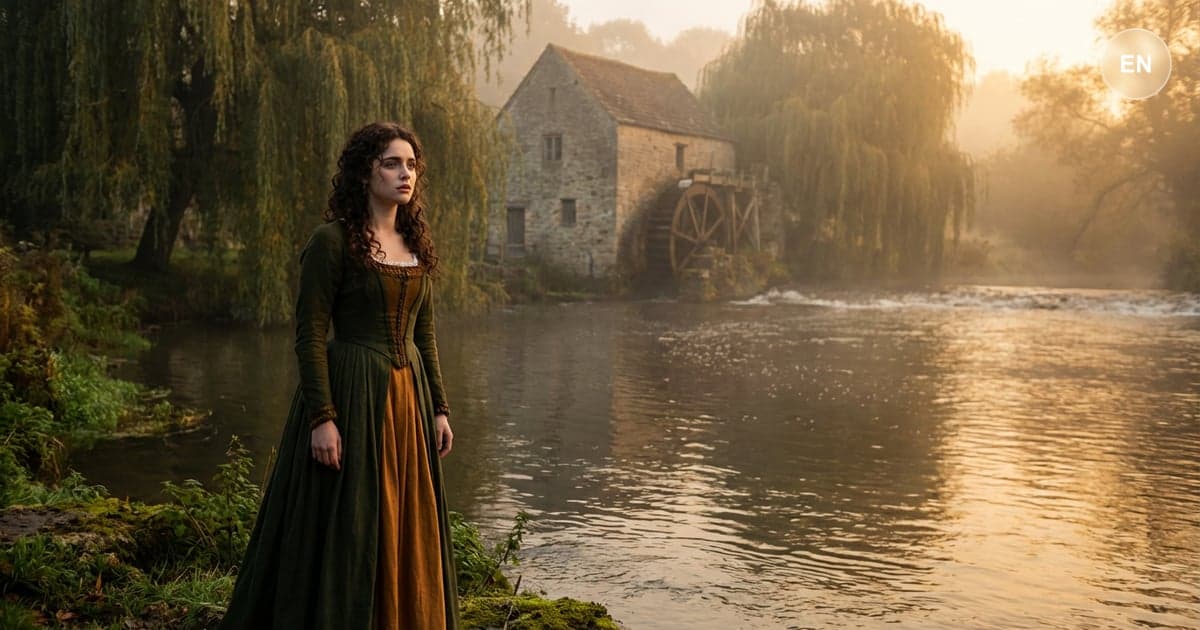
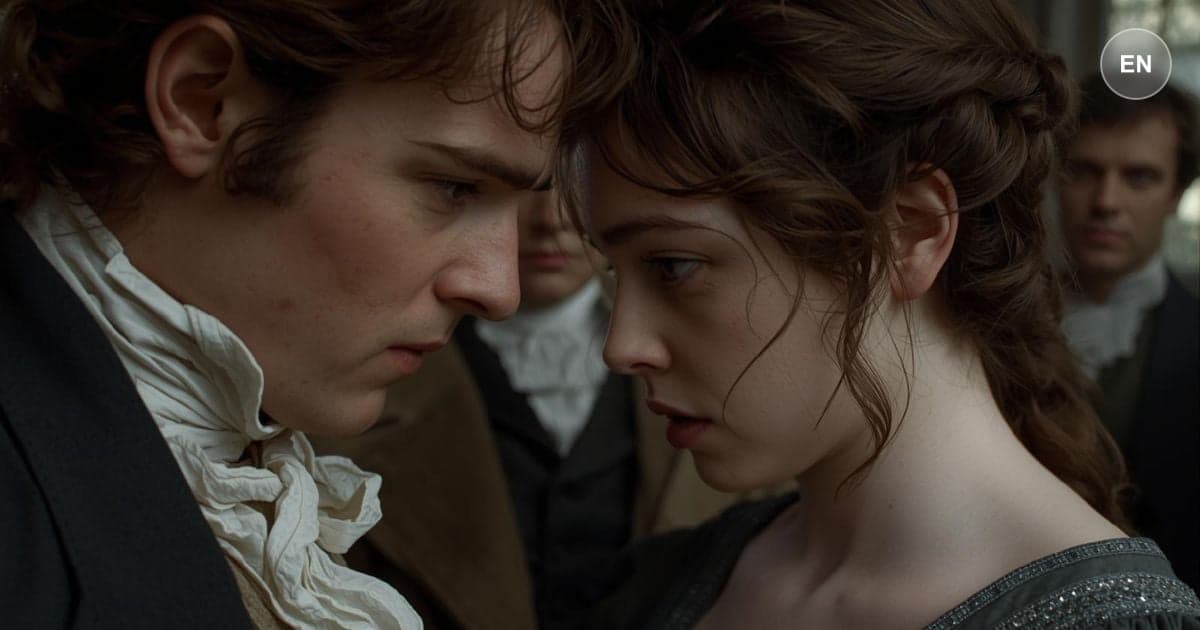
Free study guide · no paywall
MiddlemarchStudy Guide
by George Eliot (1871)
A niece's holy-work marriage, a doctor's debt-laden bride, and a banker's buried secret, mapped across 86 chapters and six lessons.
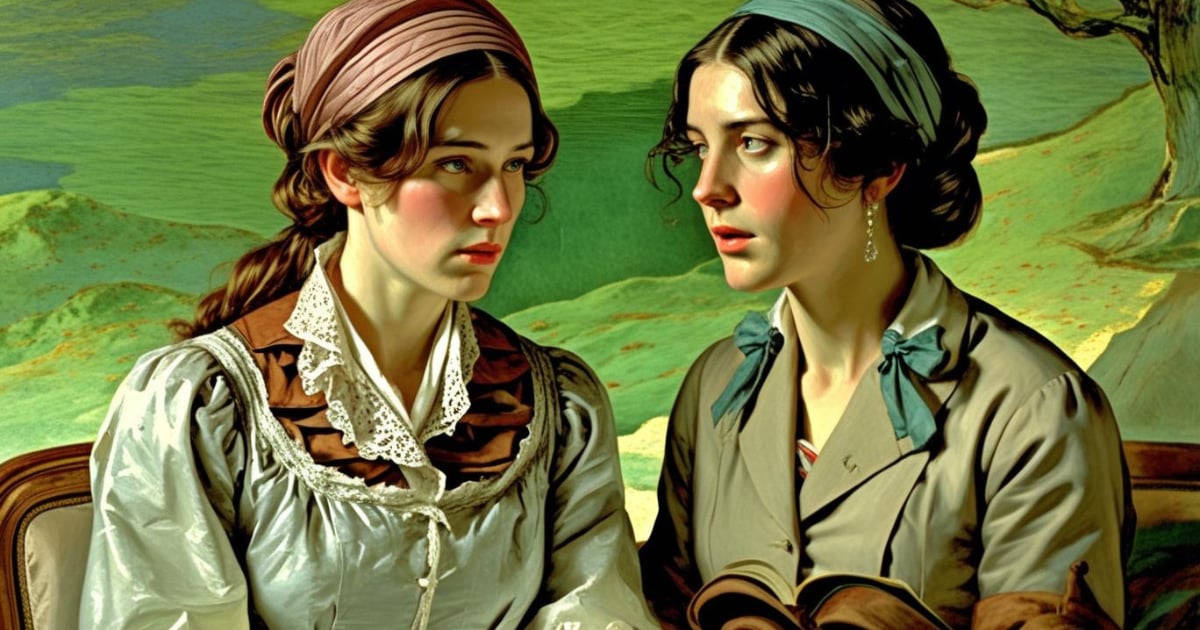
Start here
Plot, characters & chapter jump
86 chapter summaries · 9 key figures · discussion questions · quotes · free
Plot summary
Dorothea Brooke marries Edward Casaubon for what she thinks is holy work, then weeps through a Roman honeymoon while he stays at his books. Tertius Lydgate marries Rosamond Vincy and inherits debts a gentleman is too proud to name. Nicholas Bulstrode pays a blackmailer to bury his past, then watches him die at Stone Court under Lydgate's care while the town turns the dates into scandal. Dorothea believes Lydgate when no one else will, and walks toward Will Ladislaw with Middlemarch still talking.
Key characters
Jump to chapter
- Chapter 5Casaubon's proposal letter
- Chapter 12Fred's first debt takes shape at Stone Court
- Chapter 20Dorothea weeps in the Roman boudoir
- Chapter 33Mary refuses to burn the will
- Chapter 50The codicil that punishes Dorothea
- Chapter 53Raffles returns to Stone Court
- Chapter 74The town turns on Bulstrode
- Chapter 80Dorothea's night on the floor
What readers search for
Common questions about Middlemarch
What is Middlemarch about?
Eliot follows several Middlemarch residents whose private choices turn out to be the whole town's business. Dorothea Brooke marries the scholar Edward Casaubon believing his Key to All Mythologies is a calling, then finds it is a locked anteroom. Doctor Tertius Lydgate wants to reform the local hospital and marries Rosamond Vincy without testing whether his ambition can survive her bills, while Mr Brooke's own reform campaign ends in eggs and heckles at the hustings. The real subject is how idealism survives, or fails to survive, contact with other people's money, patience, and gossip.
Understanding Idealism's LimitsWhy does Dorothea marry Casaubon in Middlemarch?
Casaubon proposes by letter, naming his loneliness and his need for a wife to help finish the Key to All Mythologies. Dorothea, starved for a mind she can call great and a purpose bigger than charity visits, kneels to the offer as though she had been chosen for holy work. Months later in Rome she is sobbing in a boudoir on the Via Sistina while he stays at the library, discovering his scholarship is a locked drawer, not a shared vocation. She mistook a lonely man's request for a research assistant for a calling.
Recognizing Self-DeceptionWhy does Lydgate end up in debt in Middlemarch?
Lydgate marries Rosamond assuming that being clever will substitute for watching the accounts, so furniture, plate, and a horse arrive before either of them has said a number out loud. By the time a dealer named Dover is holding the household's goods against the debt, pride has already stopped the couple from speaking honestly about money in the same room. Rosamond writes behind his back to his uncle Sir Godwin for cash, which only proves the marriage has split into two administrations. Lydgate finally borrows from the banker Bulstrode, a loan that will look like guilt once Bulstrode's own secret becomes public.
When Money Tests CharacterWhat is Bulstrode's secret in Middlemarch?
Decades earlier, in a business that received stolen goods, Bulstrode married the widow who owned it and told her that her runaway daughter and grandson could never be traced, when he had in fact found them, so the fortune came to him rather than to the missing family. John Raffles, who worked for the same firm, resurfaces at Stone Court holding the story and has to be paid to stay quiet. When Raffles later falls ill, Bulstrode changes the nursing instructions and leaves brandy within reach, and Raffles dies that night, a timing the town never proves as murder but never forgets either.
Reading Community PowerDoes Dorothea end up with Will Ladislaw in Middlemarch?
Yes. Casaubon's will contains a codicil that would strip Dorothea of her inheritance if she ever marries his cousin Will Ladislaw, written to control her from beyond the grave. She marries him anyway in the Finale, after the codicil has already cost her socially, choosing a smaller, disapproved-of life over the fortune and status Middlemarch expected her to protect. Eliot treats the loss of the Casaubon estate as proof that she finally chose a person over a project.
Choosing Partners WiselyFast track
Short on time? Start here
Eight scenes hold Eliot's argument together: the proposal letter, Fred's first debt, the Roman boudoir, Mary's refusal to burn a dying man's will, the codicil written to punish a widow, a blackmailer's return, a town turning on a banker, and a night on the floor that ends in belief. Read these first if you need the plot spine before all eighty-six chapters.
Chapter 5
Casaubon's proposal letter
Chapter 12
Fred's first debt takes shape at Stone Court
Chapter 20
Dorothea weeps in the Roman boudoir
Chapter 33
Mary refuses to burn the will
Chapter 50
The codicil that punishes Dorothea
Chapter 53
Raffles returns to Stone Court
Chapter 74
The town turns on Bulstrode
Chapter 80
Dorothea's night on the floor
Full coverage
Everything in this study guide
The same surfaces readers expect from a traditional study guide — plot, characters, themes, quotes, and homework help — grouped across 9 parts, with audio and the source text on every chapter. Free, no paywall.
Plot overview
Summary, context, and why the book still matters
86 chapter summaries
Every chapter with audio narration
9 key figures
Who drives the plot and what each one does
6 lessons
Themes traced to scenes, not generic labels
15+ important quotes
Verified lines with chapter links and analysis
Discussion questions
Five per chapter, with suggested answers for class and essays
Original text
Author's words beside every summary
This is not a plot cheat sheet. Wide Reads walks Middlemarch Book by Book, from Dorothea's proposal letter to the Finale's three harvests. Follow the reading path below, open the six lesson deep dives when a chapter raises self-deception, money, or community power, and read individual chapters for summaries, quotes, and audio.
For plot and theme questions about Middlemarch, see Common Questions on the book page.
How to use this guide
How to Read This Book with Wide Reads
Start with the letter
Read Book I (Chapters 1 to 12) for Casaubon's proposal, Dorothea kneeling to it as if she had been chosen for holy work, and Fred Vincy's first debt taking shape at Stone Court. You need this letter and this debt in place before Lydgate arrives and the town starts watching everyone at once.
Follow the eight Books
Books II through VII (Chapters 13 to 74) run three marriages and one scandal at once: Lydgate and Rosamond's household ledger, Dorothea's Roman honeymoon and widowhood, Casaubon's codicil punishing her for loving Will Ladislaw, and Bulstrode paying Raffles to bury a past that Stone Court will not keep buried. Watch how one private choice keeps landing in someone else's kitchen.
Let the six lessons carry you
When a chapter raises self-deception, idealism, community power, money, or love tested by pressure, jump to the matching lesson page, then return to the chapter list. Read Book VIII and the Finale (Chapters 75 to 86) last: the scandal breaks, Dorothea walks to Middlemarch after a night on the floor, and the harvest names who actually did good work no one recorded.
Plot & context
Book Overview
In a Via Sistina boudoir Dorothea sobs while Edward Casaubon stays at the library. The marriage was supposed to be holy work. She is months into discovering that a Key to All Mythologies is a locked anteroom, not a life. Eliot published Middlemarch in installments across 1871 and 1872. The woman who wanted an epic will spend the rest of the book learning how much good can be done in rooms no history will name.
Dorothea Brooke is the niece at Tipton Grange: beautiful, theoretic, and so hungry for moral greatness that she treats a fashion plate as an occupation for Bedlam. Edward Casaubon is the Lowick rector whose learning is a locked anteroom. Tertius Lydgate is the new doctor who found anatomy in a dusty Cyclopaedia and means to reform the Hospital without thinking about money. Rosamond Vincy is the manufacturer's daughter who believes her own desires are the natural centre of the universe. Fred Vincy ruins a hunter and signs Caleb Garth's name to the bill. Mary Garth will not marry a man who treats other people's savings as a loan against luck. Nicholas Bulstrode is the banker whose piety has a past. Will Ladislaw is the cousin Casaubon cannot bear to see near his wife. Mr. Brooke talks reform and cannot hold a thought. Celia sees what Dorothea will not. Harriet Bulstrode stays when the town turns. The town itself hears everything and forgets nothing.
Casaubon proposes in a letter about his loneliness and Dorothea kneels as if she had been chosen for holy work. In Rome she sobs in a Via Sistina boudoir while he stays at the library. Lydgate marries Rosamond and learns that a gentleman's disdain for ledgers will not pay Dover. Fred's horse lames itself and the Garths lose the money they could not spare. Featherstone's will names Rigg and leaves Fred with nothing. Casaubon adds a codicil that would punish Dorothea for marrying Will. Raffles comes back to The Shrubs on Christmas Eve. Bulstrode pays him off, then watches him die at Stone Court under Lydgate's care. The Green Dragon turns the dates into a scandal. Dorothea believes Lydgate when no one else will, walks to Middlemarch after a night on the floor, and later takes Will with the town still talking.
Eliot had already lived outside the categories the town would have assigned her. She never treats Dorothea's marriage as a cute error a clever girl should have spotted, or Lydgate's ruin as a lecture against ambition. The web is the point. A loan, a bill, a will, a rumour at the Green Dragon: each private choice arrives in someone else's kitchen. What remains is not a sermon about settling. It is a picture of what happens when idealism attaches to the wrong object, when money tells you who you married, and when the good that actually changes a town is done by people who will never be called great.
Read the full summary on the book page →
Why this book now
People still arrive here after kneeling to a letter that looked like a calling, after marrying someone whose disdain for a ledger becomes their debt, or after paying to bury a mistake a small town will dig up anyway. Eliot does not offer a better proposal or a clean rescue. She shows what a private choice costs once it lands in someone else's kitchen, and that the good which actually changes a place is done by people no one will call great. This guide keeps that argument tied to a letter, a bill, and a night on the floor.
About George Eliot
George Eliot was the pen name of Mary Ann Evans (1819-1880), born in Warwickshire, the daughter of a land agent who managed estates the way Caleb Garth would later manage them on the page. She translated Feuerbach and Spinoza, edited the Westminster Review, and chose a man's name because she knew a woman's fiction would be priced as a lady's amusement. It worked. Then the truth came out. It still worked, because the sentences were better than the scandal. Middlemarch appeared in installments in 1871 and 1872, after she had already lived, openly, with George Henry Lewes for nearly twenty years. Lewes could not divorce. The dedication names him her husband anyway. That experience of being judged by people who had not lived her life is in every parlour in the book: the town that watches, the woman who will not perform gratitude, the man whose piety has a ledger behind it. Virginia Woolf called it one of the few English novels written for grown-up people. The praise is exact. Eliot asks you to hold more than one sympathy at once, to watch a wrong marriage without calling the bride a fool, and to believe that the most important acts are the ones nobody records. She is buried in Highgate. The book has never stopped finding readers who mistook a project for a person, or who did good work in a room that will never be famous.
Themes with proof
Lessons from Middlemarch
Six patterns Eliot tests from Casaubon's proposal letter to the Finale: kneeling to a lonely man's calling, choosing a partner for admiration or charm instead of patience, purpose that outruns judgement in the Key to All Mythologies and the Hospital scheme, a town that decides who may still be seen at the Green Dragon, doing good work that nobody will ever record, and a ledger that quietly names who you married. Each spoke ties named scenes to chapter proof.
Recognizing Self-Deception
Watch Dorothea kneel to a letter, Lydgate assume he can manage Rosamond, and Bulstrode call a payoff mercy.
I meant to do it.
Choosing Partners Wisely
Follow the Lowick wedding, the Vincy drawing room, and the Finale's three harvests: admiration, charm, and patience produce different lives.
The match that looks too ordinary is sometimes the only one that has looked at a person instead of a project. Celia…
Deep dives
Chapter-by-chapter breakdowns
Understanding Idealism's Limits
See the Key to All Mythologies, the Hospital scheme, and Brooke's election: purpose that outruns judgment.
Idealism starts spending its friends earlier than it admits. If the cause requires you to call a worse appointment a necessity, you…
Reading Community Power
Track the Green Dragon, the Hospital board, and the neighbours who decide who may still be seen.
Community power starts as seating, tone, and who is allowed to joke about money. If you only look for scandal, you will…
Character guide
Key Figures
Who drives the plot, what each one wants, and why they matter to the argument of the book.
Dorothea Brooke
Idealistic niece at Tipton Grange who mistakes Casaubon's loneliness for a calling, then spends the book learning what unglamorous good actually costs.
Edward Casaubon
Lowick rector whose Key to All Mythologies is a locked anteroom, not a life; adds a codicil meant to punish Dorothea for loving Will.
Tertius Lydgate
New doctor who wants to reform the Hospital, marries Rosamond without asking what she costs him, and ends up owing a debt that changes everything.
Rosamond Vincy
Manufacturer's daughter who treats her own comfort as the natural centre of any room, including her husband's ledger.
Fred Vincy
Featherstone's nephew who signs Caleb Garth's name to a bill he cannot cover, then has to earn his way back to being trusted.
Mary Garth
Caleb's daughter who will not marry a man who treats other people's savings as a bet against his own luck.
Nicholas Bulstrode
Banker whose piety has a paid-off past; buys Raffles's silence and watches him die at Stone Court under Lydgate's care.
Will Ladislaw
Casaubon's cousin and the one man his will is written to keep away from Dorothea.
Mr. Brooke
Dorothea's uncle, forever talking reform and losing the thread the moment it costs him something.
Memorable lines
Key Quotes
Verified passages with chapter links — the lines teachers and essays keep returning to.
“Since I can do no good because a woman, Reach constantly at something that is near it.”
“Her hand and wrist were so finely formed that she could wear sleeves not less bare of style than those in which the Blessed Virgin appeared to Italian painters”
“Surely, it is better to spend money in finding out how men can make the most of the land which supports them all, than in keeping dogs and horses only to gallop over it.”
“I feed too much on the inward sources; I live too much with the dead.”
“It would be like marrying Pascal.”
“Signs are small measurable things, but interpretations are illimitable, and in girls of sweet, ardent nature, every sign is apt to conjure up wonder, hope, belief, vast as a sky”
“You always see what nobody else sees; it is impossible to satisfy you; yet you never see what is quite plain. That’s your way, Dodo.”
“If he makes me an offer, I shall accept him. I admire and honor him more than any man I ever saw.”
“For in the first hour of meeting you, I had an impression of your eminent and perhaps exclusive fitness to supply that need”
“How could it occur to her to examine the letter, to look at it critically as a profession of love?”
“Good God! It is horrible! He is no better than a mummy!”
“She says, he is a great soul., A great bladder for dried peas to rattle in!”
“what an exceedingly shallow rill it was.”
“he concluded that the poets had much exaggerated the force of masculine passion.”
“He had no sense of being eclipsed by Mr. Casaubon; he was only shocked that Dorothea was under a melancholy illusion”
Class & essay prep
Discussion Questions
Sample prompts drawn from the chapter guides — each with suggested answers for seminars and written work.
Why does Eliot emphasize that Dorothea's beauty is 'thrown into relief by poor dress' and compare her plain garments to 'a fine quotation from the Bible' in a modern newspaper?
From Chapter 1What makes Dorothea's sudden attraction to the emerald ring so revealing, especially her immediate attempt to justify it through 'spiritual emblems in the Revelation of St. John'?
From Chapter 1When Mr. Brooke dismisses Dorothea with 'Young ladies don't understand political economy,' how does this reveal the social constraints she faces despite her intelligence?
From Chapter 2Why does Casaubon's metaphor about keeping 'the germinating grain away from the light' so powerfully attract Dorothea when he defends her privacy?
From Chapter 2When Casaubon explains his mythological research 'nearly as he would have done to a fellow-student,' what does this reveal about how he sees Dorothea?
From Chapter 3Why does Eliot compare Dorothea's reasoning to 'Sinbad' who 'may have fallen by good-luck on a true description' despite 'wrong reasoning'?
From Chapter 3When Celia reveals that everyone expects Sir James to propose, Dorothea bursts into tears and says she was 'barely polite to him before.' What does her shock reveal about how she sees herself?
From Chapter 4Why does Eliot have Celia call Dorothea's cottage planning a 'fad' just before Mr. Brooke arrives with Casaubon's pamphlets? How do these moments connect?
From Chapter 4What does Casaubon's elaborate, document-like proposal letter reveal about how he views marriage and Dorothea's role in his life?
From Chapter 5Why does Eliot emphasize that Dorothea never examines the letter critically, instead falling to her knees in overwhelming emotion?
From Chapter 5Mrs. Cadwallader opens by haggling over fowls and pigeons with Mrs. Fitchett. What does this bargaining reveal about her character and social position?
From Chapter 6Why does Eliot compare Mrs. Cadwallader's mind to 'phosphorus, biting everything that came near into the form that suited it'?
From Chapter 6Casaubon expected to 'abandon himself to the stream of feeling' but found only 'an exceedingly shallow rill.' What does this reveal about his approach to courtship?
From Chapter 7Why does Eliot compare Casaubon's emotional experience to 'baptism by immersion' in drought regions where only 'sprinkling' is possible?
From Chapter 7Why does Sir James feel less mortified by Dorothea's engagement than he expected? What does his reaction reveal about his view of Casaubon as a rival?
From Chapter 8Chapter by chapter
All Chapters
Grouped by 9 sections — the same structure as the book hub.
Book I: Miss Brooke
Chapters 1–12 · Casaubon's proposal and Fred's debt at Stone Court
Ch. 1 · The Sisters and Their Differences
Dorothea Brooke is not yet twenty, living at Tipton Grange with her scattered uncle Mr. Brooke and her younger sister Celia. She is strikingly beautif...
Ch. 2 · Mr. Casaubon's Scholarly Proposal
The dinner at Tipton Grange opens with Mr. Brooke holding court over the soup, name-dropping Humphry Davy and Wordsworth in disconnected anecdotes tha...
Ch. 3 · When Good Intentions Meet Reality
While Celia escapes to the vicarage, Dorothea and Casaubon talk all morning. He explains his great work: every mythical system in the world is a corru...
Ch. 4 · When Good Intentions Go Wrong
Driving home from Freshitt, Celia tells Dorothea what the household already knows: Sir James's man heard from Mrs. Cadwallader's maid that he means to...
Ch. 5 · A Proposal in Scholarly LanguageCasaubon's proposal letter
Burton's epigraph on scholars ruined by sitting frames Casaubon's proposal letter: guarded, learned, sincere in intention, and entirely about his need...
Ch. 6 · The Art of Social Maneuvering
Mrs. Cadwallader's pony phaeton meets Casaubon's carriage at the Grange gate, and her morning already shows her method: haggle with Mrs. Fitchett over...
Ch. 7 · The Shallow Stream of Passion
Casaubon spends weeks at the Grange while his Key to all Mythologies waits, having deliberately chosen courtship to secure female companionship, fancy...
Ch. 8 · When Friends Won't Interfere
Sir James keeps calling at the Grange after Dorothea's engagement and finds it less painful than he feared. He is not eclipsed by Casaubon; he believe...
Ch. 9 · First Glimpse of Lowick Manor
Settlements satisfy Brooke, and marriage preliminaries roll smoothly. On a gray November morning Dorothea, Celia, and their uncle drive to Lowick Mano...
Ch. 10 · The Weight of Expectations
Will Ladislaw never pays Brooke's visit and soon vanishes to the Continent with no destination narrower than Europe. He has tried wine, fasting, and o...
Ch. 11 · The Art of First Impressions
Lydgate is already fascinated by Rosamond Vincy, though he does not think he has fallen in love. She is grace itself, exquisite music; Dorothea, after...
Ch. 12 · Family Expectations and False PromisesFred's first debt takes shape at Stone Court
Fred and Rosamond ride to Stone Court through midland fields Eliot renders with childhood intimacy: pools, oaks, marl-pits, and mossy thatch. Mrs. Wau...
Book II: Old and Young
Chapters 13–22 · Lydgate arrives, Bulstrode's bank, Rome's boudoir
Ch. 13 · When Love Meets Reality
Mr. Vincy comes to Bulstrode's bank for the letter Featherstone demands, but Lydgate is already there. The narrator sketches Bulstrode: pale, attentiv...
Ch. 14 · When Good Intentions Meet Reality
Bulstrode's letter arrives the next morning. Fred carries it to Featherstone in bed, where Mary Garth has already been bullied over a waistcoat. The o...
Ch. 15 · The Making of a Doctor
Eliot pauses the web to introduce Lydgate properly, warning that neighbors already love, envy, ridicule, or plan to marry him while he remains virtual...
Ch. 16 · Power, Politics, and Romance
Hospital politics surface at the Vincys' dinner table while Lydgate is still new to Middlemarch. Bulstrode's power over the chaplaincy appointment is ...
Ch. 17 · The Vicar's Honest Compromises
Next evening Lydgate visits Farebrother's parsonage expecting books and beetles, and finds three dependent women first. Mrs. Farebrother rules talk fr...
Ch. 18 · The Weight of Small Compromises
Weeks pass before Lydgate must vote on the Infirmary chaplaincy at the old hospital. He keeps deferring, though his liking for Farebrother deepens aft...
Ch. 19 · Art, Beauty, and Uncomfortable Recognition
Historical markers fix the date: George IV, Wellington, Vincy mayor, Dorothea in Rome on her wedding journey. Romanticism still ferments among long-ha...
Ch. 20 · The Honeymoon's Bitter RealityDorothea weeps in the Roman boudoir
Two hours before Naumann sees her at the Vatican, Dorothea sobs alone in her Via Sistina boudoir while Casaubon stays at the library. She cannot shape...
Ch. 21 · When Illusions Begin to Crack
The chapter opens where the last ended: Dorothea drying her eyes before Will Ladislaw is announced. She receives him at once, hoping active sympathy w...
Ch. 22 · The Artist's Eye
Will shines at dinner, drawing Casaubon out on Middleton and Rome's miscellaneous comparisons while his own talk falls like a gay chime after the grea...
Book III: Waiting for Death
Chapters 23–33 · Fred's bill, Featherstone's deathbed, the burned will
Ch. 23 · Fred's Dangerous Game of Borrowed Trust
Fred Vincy's debt to Bambridge has reached a hundred and sixty pounds, backed by a bill Caleb Garth co-signed without telling his wife. The debt began...
Ch. 24 · The Weight of Secrets
Three days after Houndsley, Diamond kicks viciously in the stable, lames himself, and destroys Fred's resale plan before Lord Medlicote's man can buy....
Ch. 25 · When Marriage Dreams Meet Reality
Fred comes to Stone Court quietly, leaving his horse in the yard so Mary will not expect him. She is laughing over Mrs. Piozzi's Johnson until she see...
Ch. 26 · When Doctors Disagree
Fred cannot return to Stone Court. Illness from unsanitary Houndsley streets deepens after his bad horse bargain and confession; he asks for Wrench, w...
Ch. 27 · The Candle and the Mirror
Eliot opens with the pier-glass parable: scratches everywhere until a candle makes them look like concentric circles around one's egoism. Rosamond's p...
Ch. 28 · The Honeymoon's End
Mr. and Mrs. Casaubon return to Lowick in mid-January through falling snow. In the blue-green boudoir Dorothea finds the furniture shrunk, the tapestr...
Ch. 29 · Behind the Scholar's Mask
Eliot interrupts the marriage plot to ask why Dorothea should own the only point of view. Casaubon, blinking and mole-spotted, spiritually a-hungered ...
Ch. 30 · When Work Becomes Prison
Casaubon has no second attack as severe as the first and begins to recover. Lydgate uses his stethoscope, sits quietly, and warns that intellectual ov...
Ch. 31 · The Crystallizing Moment
That evening Lydgate tells Rosamond about Mrs. Casaubon's devotion to her older husband. Rosamond thinks it not very melancholy to be mistress of Lowi...
Ch. 32 · Vultures Circle the Deathbed
Peter Featherstone is bedridden, and his blood-relations multiply at Stone Court. Rich Solomon and Mrs. Waule had always been received with family can...
Ch. 33 · The Night Watch and Final ChoiceMary refuses to burn the will
After midnight Mary Garth takes the watch alone in Featherstone's room. She enjoys the still fire and her own thoughts, having long since decided life...
Book IV: Three Love Problems
Chapters 34–42 · The funeral, three marriages tested at once
Ch. 34 · Featherstone's Final Performance
Peter Featherstone is buried in a chilly May with blossoms blowing over Lowick churchyard and a crowd watching three mourning-coaches arranged to his ...
Ch. 35 · The Weight of Unspoken Words
At Stone Court the Featherstone relations arrive like animals wary of sharing fodder, jealous of the Vincys and of Mary Garth. A frog-faced stranger, ...
Ch. 36 · When Marriage Meets Money Reality
Mr. Vincy comes home from the will reading with his views reshuffled: disappointment at the market makes him swear at the groom, so Fred's idleness no...
Ch. 37 · Forbidden Meetings and Hidden Motives
Middlemarch buzzes with Reform politics and rumor that Brooke has bought the Pioneer and hired Will Ladislaw to edit it. Hawley sneers at the quill-dr...
Ch. 38 · The Cost of Political Ambition
Sir James Chettam lunches alone with the Cadwalladers because he cannot speak freely before Celia. The subject is Brooke's purchase of the Pioneer and...
Ch. 39 · When Social Causes Meet Personal Feelings
Sir James, unable to devise much himself, acts on his faith in Dorothea's influence. He uses Celia's indisposition as a pretext to bring Dorothea alon...
Ch. 40 · Good Work and Second Chances
Eliot shifts to Caleb Garth's breakfast table, where nine costly letters arrive and Caleb reads over forgotten tea while Letty snatches unbroken seals...
Ch. 41 · Past Debts and Present Power
Eliot meditates on how writing, like stone or stray paper, may unlock catastrophe long after innocent use. Caleb's remark about Bulstrode and Rigg Fea...
Ch. 42 · The Weight of Mortality
After his wedding journey Lydgate answers Casaubon's summons to Lowick. Casaubon has never asked directly about his illness or shown Dorothea his fear...
Book V: The Dead Hand
Chapters 43–53 · Casaubon's codicil, the Hospital vote, Raffles returns
Ch. 43 · Unexpected Encounters and Social Boundaries
Two days after the Yew-tree Walk, Dorothea drives into Middlemarch alone to ask Lydgate whether Casaubon has concealed depressing symptoms or insisted...
Ch. 44 · Finding Purpose in Opposition
At the New Hospital Dorothea learns from Lydgate that Casaubon's body shows no new change beyond mental anxiety to know the truth about his illness. L...
Ch. 45 · The Price of Innovation
Opposition to the New Fever Hospital spreads from ministerial jealousy to the illimitable range of objections drawn from ignorance and the Tankard's b...
Ch. 46 · The Shallow Stream of Feeling
While Lydgate fights medical reform, Middlemarch awakens to national Parliamentary Reform. Will tells Brooke the public temper will reach cometary hea...
Ch. 47 · When Friends Won't Intervene
After the Saturday quarrel Will sits up half the night asking whether harnessing himself to Brooke makes him a fool when he is conscious of being some...
Ch. 48 · The Weight of Unspoken Promises
After church, Dorothea sees that Casaubon will not speak to Will and that Will's presence has only deepened the alienation she had hoped might heal. C...
Ch. 49 · The Codicil's Cruel Trap
The day after Casaubon's burial, Dorothea still cannot leave her room. Sir James Chettam stands on the hearth-rug at Lowick Grange with intense disgus...
Ch. 50 · The Codicil's RevelationThe codicil that punishes Dorothea
Dorothea has been at Freshitt nearly a week, sitting with Celia among baby's remarkable acts while Sir James has told Celia everything and urged delay...
Ch. 51 · The Political Disaster
Will Ladislaw has not heard Casaubon's codicil; Parliament's dissolution and the dry election fill the air like fairground noise while Middlemarch tre...
Ch. 52 · The Weight of Good Intentions
On the June evening when Farebrother learns he is to have the Lowick living, joy fills the old parlor: his mother says the greatest comfort is that he...
Ch. 53 · When the Past Comes CallingRaffles returns to Stone Court
Mr. Bulstrode has bought Stone Court and reads Providence in the sale, until John Raffles walks up the lane at evening and calls him Nick. Caleb Garth...
Book VI: The Widow and the Wife
Chapters 54–63 · Dorothea's widowhood, Rosamond's household ledger
Ch. 54 · The Longing Heart Returns Home
By the morning when Stone Court hayricks scent the air as if Raffles had been a worthy guest, Dorothea returns to Lowick Manor. Freshitt with Celia's ...
Ch. 55 · The Widow's Cap and Future Plans
To Dorothea, Will's parting seems the close of their personal relations: he will be another man if he returns, and she explains his reserve by the cru...
Ch. 56 · Finding Work Worth Doing
Dorothea's trust in Caleb Garth grows as she rides the estates with Sir James and gives him Lowick business; he praises her plain words about improvin...
Ch. 57 · The Weight of Small Compromises
Fred Vincy walks to Lowick parsonage after engaging under Caleb Garth, stops at the Garths' orchard where Christy's homecoming sets Fred against an ob...
Ch. 58 · Art, Beauty, and Unexpected Encounters
Rosamond has been floating above Middlemarch on the visit of Captain Lydgate, Sir Godwin's son, who flatters her for hours while Tertius suppresses di...
Ch. 59 · The Dangerous Power of Gossip
News moves through Middlemarch like pollen on bees: thoughtless, effective, without intent. At Lowick Parsonage the ladies discuss Tantripp's report t...
Ch. 60 · Secrets Surface at the Sale
Late August turns Larcher's house sale into a Middlemarch festival: cold meat, cheerful bidding, Trumbull's encyclopedic praise of fenders and riddles...
Ch. 61 · The Past Comes Calling
Harriet Bulstrode turns away Raffles at the Shrubs with Blucher's help, but Nicholas Bulstrode knows the visit is terror, not begging. At the Bank Raf...
Ch. 62 · The Final Farewell
After Bulstrode's scene Will writes Dorothea asking one more visit before he leaves Middlemarch; he hates the indignity of a second farewell but needs...
Ch. 63 · Pride and the Helping Hand
At Christmas dinner-parties the medical men gossip about Lydgate's expenses, Peacock's patients, and whether Rosamond's marriage can fund his househol...
Book VII: Two Temptations
Chapters 64–74 · Lydgate's thousand pounds, Bulstrode's payoff to Raffles
Ch. 64 · When Marriage Becomes a Battlefield
Lydgate needs a thousand pounds as Christmas bills, Dover's hold on the furniture, and slow-paying patients crush his mind; he and Rosamond are yoked ...
Ch. 65 · When Love Becomes a Weapon
Nearly three weeks pass; Rosamond awaits Sir Godwin's reply to her secret appeal while Lydgate, ignorant, plans a railway trip to Quallingham and watc...
Ch. 66 · When Good Men Face Temptation
Lydgate's practice acts as beneficent harness against debt and marital loneliness; he once tried opium, despises drink and ordinary gambling, yet now ...
Ch. 67 · Pride's Bitter Pill
Lydgate loses at billiards, pays more than he won, and digests disgust at behaving like the men he scorned; reason kills the gambling itch but need po...
Ch. 68 · Behind the Scholar's Mask
Since Larcher's sale and his failed attempt to make restitution after Raffles named Ladislaw, Bulstrode has feared the man's return. On Christmas Eve ...
Ch. 69 · When Conscience Costs Everything
At the Bank Caleb Garth asks to speak with Bulstrode and, after slow preamble, says he has come from Stone Court where Raffles lies very ill and needs...
Ch. 70 · The Weight of Moral Compromise
After Lydgate leaves Stone Court, Bulstrode searches Raffles's pockets and takes comfort from bills showing he has kept away from Middlemarch since Ch...
Ch. 71 · The Scandal Spreads and Reputations Fall
Five days after Raffles's burial, Mr. Bambridge at the Green Dragon tells Frank Hawley he heard a story about Bulstrode from a man named Raffles at Bi...
Ch. 72 · When Good Intentions Meet Social Reality
Dorothea would leap to vindicate Lydgate from the bribe suspicion, but Farebrother's caution checks her: inquiry means magistrate or coroner, or a pri...
Ch. 73 · When Honor Becomes a Trap
After calming Harriet Bulstrode about her husband's faintness at the town meeting, Lydgate rides three miles out of Middlemarch to escape being violen...
Ch. 74 · When the Town Turns Against YouThe town turns on Bulstrode
In Middlemarch a wife soon learns the town despises her husband, but no friend states it plainly; instead candor, love of truth, and moral improvement...
Book VIII: Sunset and Sunrise
Chapters 75–85 · The scandal breaks, the night on the floor, the truth
Ch. 75 · When Dreams Collide with Reality
Creditors paid, Rosamond feels brief relief but her marriage has fulfilled none of her hopes; she fantasizes Will Ladislaw as the unreal better while ...
Ch. 76 · The Weight of Belief and Burden
Summoned by Dorothea after Bulstrode's letter about the Hospital, Lydgate arrives at Lowick worn by resentment and despondency. She asks his view; he ...
Ch. 77 · The Moment Everything Changes
Lydgate leaves for Brassing; Rosamond, fixed on Will Ladislaw's coming as cause for leaving Middlemarch, posts a discreet letter to hasten him while L...
Ch. 78 · When Illusions Shatter Completely
After Dorothea leaves the Lydgate drawing-room, Rosamond and Will stand frozen while she feels more gratification than annoyance at what her petty mag...
Ch. 79 · When Good Men Fall Together
After anodyne quiet, Lydgate finds Dorothea's letter on the table and learns she called herself while he was out. Will arrives; Lydgate is surprised, ...
Ch. 80 · The Dark Night of the SoulDorothea's night on the floor
Dorothea dines at the Farebrother parsonage after Freshitt, busies herself at the schoolhouse and with Master Bunney's soil wisdom, then hears Miss No...
Ch. 81 · The Truth That Heals
Dorothea asks to see Rosamond without mentioning yesterday; Lydgate, unknowing, gives her a grateful letter and confirms the Hospital check goes to Bu...
Ch. 82 · The Weight of Second Chances
The narrator recalls Will's self-exile as a melting resolve, philanthropic excuse about Bulstrode's money for a Far West scheme, and hunger for Doroth...
Ch. 83 · Love Conquers All Obstacles
Two mornings after Dorothea's visit to Rosamond, Dorothea feels restless strength she cannot channel into political economy or map study while Casaubo...
Ch. 84 · The Scandal Breaks
After the Lords throw out the Reform Bill, Freshitt Hall gathers Cadwalladers, Lady Chettam, Celia, and Sir James while politics mingles with baby Art...
Ch. 85 · The Weight of Hidden Guilt
Eliot contrasts Bunyan's persecuting jury with Bulstrode's plight: he knows he is stoned for failing to be the man he professed, not for innocent righ...
Finale
Chapter 86 · Three harvests, and the unhistoric acts that outlast the town
Using this guide
Study Guide FAQ
How to use Wide Reads for class, essays, and revision — and how this guide compares to traditional study sites.
Why Wide ReadsWhat makes this different from SparkNotes or CliffsNotes?
Traditional study guides summarise what happened in Middlemarch. This guide gives you that coverage: all 86 chapters across 8 Books and the Finale, 9 key figures, four verified quotes per chapter, and five discussion questions with suggested answers. Wide Reads adds Recognizing Self-Deception and Choosing Partners Wisely traced through named scenes like Casaubon's proposal letter and the Finale's three harvests. Summaries include audio; the original text sits beside every chapter. Free, no paywall.
Is Middlemarch hard to read?
Middlemarch is rated intermediate difficulty. Our chapter-by-chapter analysis breaks down complex passages, explains historical context, and highlights key themes to make the text more accessible. Each chapter includes summaries, character analysis, and discussion questions to deepen your understanding.
Can I use this study guide for essays and homework?
Yes — use this reading guide alongside Middlemarch, not instead of it. Wide Reads exists to show you why the book still matters: lessons, chapter summaries with audio, and life skills you can carry into real life. That context can sharpen essays on themes, characters, and quotes. Always read George Eliot's original text, though. We are the guide at the trailhead; the classic is still the point.
Begin with the proposal letter
Chapter 1 opens with Dorothea's hunger for moral greatness, before a letter about someone else's loneliness convinces her it has arrived. Each chapter adds summaries, quotes, audio, and the Lesson thread that turns eighty-six chapters into a map for choices that outlast a town's gossip.
Wide Reads is different.
Plot, characters, and themes — plus audio, source text, and patterns you can use after class
Two ways in
Read & listen to the summary
Chapter by chapter, with audio. The meaning arrives because you experienced it — not because someone listed bullet points.
Start with this.
Read the original text
The actual words the author wrote, alongside every summary. Use the guide, then step into the source.
Then step into the source.
Either way, the door opens inward.
— and most of all, Why does this matter?
Continue Exploring
Guides, life skills, and the full library.More ways to read Middlemarch: guides, life skills, and the wider library.