Wide Reads
Literature MattersLife IndexEducators
Sign in
Where to Begin
Middlemarch - When Good Intentions Meet Social Reality

George Eliot

Middlemarch

When Good Intentions Meet Social Reality

Home›Books›Middlemarch›Chapter 72
Previous
72 of 86
Next

Summary

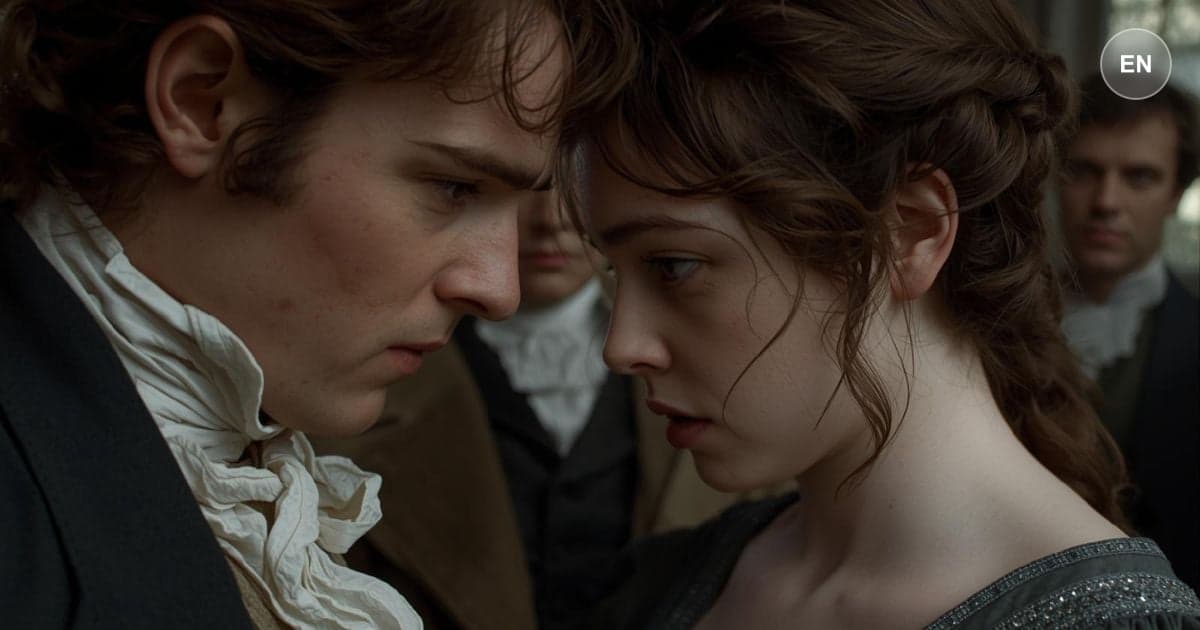
Dorothea faces a moral dilemma that reveals the gap between wanting to do good and knowing how to do it effectively. She's convinced that Dr. Lydgate is innocent of accepting bribes and wants to help clear his name, but the men around her—Mr. Farebrother and Sir James—urge caution. This creates a fascinating tension between her generous heart and their worldly experience. Farebrother warns that character isn't fixed like marble but can change and become corrupted under pressure, while Sir James worries that Dorothea's impulsive kindness will backfire. The chapter explores how difficult it is to help someone when the very act of helping might make things worse. Dorothea's frustration boils over when she realizes that everyone wants to protect her from her own good intentions. Her conversation with Celia at the end reveals another layer of complexity—how we submit to some people's judgment while resisting others, and how the reasons we give ourselves for compliance often mask deeper emotional truths. The chapter masterfully shows how even the most well-meaning actions can become entangled in social expectations, gender roles, and the messy reality that good people sometimes make bad choices under pressure. It's a reminder that wanting to help and knowing how to help are two very different things.

Coming Up in Chapter 73

Despite the warnings from her advisors, Dorothea's determination to act on her convictions will soon put her face-to-face with the very situation everyone urged her to avoid. Sometimes the heart's compass points toward trouble.

Share it with friends

Previous ChapterNext Chapter
GO ADS FREE — JOIN US
Original text
complete·1,462 words
C

HAPTER LXXII.

Full souls are double mirrors, making still
An endless vista of fair things before,
Repeating things behind.

Dorothea’s impetuous generosity, which would have leaped at once to the vindication of Lydgate from the suspicion of having accepted money as a bribe, underwent a melancholy check when she came to consider all the circumstances of the case by the light of Mr. Farebrother’s experience.

“It is a delicate matter to touch,” he said. “How can we begin to inquire into it? It must be either publicly by setting the magistrate and coroner to work, or privately by questioning Lydgate. As to the first proceeding there is no solid ground to go upon, else Hawley would have adopted it; and as to opening the subject with Lydgate, I confess I should shrink from it. He would probably take it as a deadly insult. I have more than once experienced the difficulty of speaking to him on personal matters. And—one should know the truth about his conduct beforehand, to feel very confident of a good result.”

1 / 9

Master this chapter. Complete your experience

Purchase the complete book to access all chapters and support classic literature

Read Free on GutenbergBuy at Powell'sBuy on Amazon

As an Amazon Associate, we earn a small commission from qualifying purchases at no additional cost to you.

Available in paperback, hardcover, and e-book formats

GO ADS FREE — JOIN US

Why This Matters

Connect literature to life

Skill: Strategic Compassion

This chapter teaches how to separate the impulse to help from effective helping—recognizing when good intentions need strategic thinking.

Practice This Today

This week, notice when you feel urgently compelled to help someone, and ask: 'How might this backfire?' before acting.

GO ADS FREE — JOIN US

Now let's explore the literary elements.

Key Quotes & Analysis

"I believe that people are almost always better than their neighbors think they are"

— Dorothea

Context: When Farebrother warns her about getting involved in Lydgate's case

This reveals Dorothea's fundamental optimism about human nature and her tendency to see the best in people. It also shows her frustration with the cynical assumptions others make about Lydgate's guilt.

In Today's Words:

I think people usually aren't as bad as everyone says they are

"How can we begin to inquire into it? It must be either publicly by setting the magistrate and coroner to work, or privately by questioning Lydgate"

— Mr. Farebrother

Context: Explaining to Dorothea why helping Lydgate is so complicated

This shows the practical difficulties of trying to help someone clear their name. Both public and private approaches have serious risks and could make things worse.

In Today's Words:

How do we even start looking into this? We'd either have to get the authorities involved or confront him directly, and both could backfire

"He would probably take it as a deadly insult"

— Mr. Farebrother

Context: Warning about how Lydgate might react to questions about his integrity

This highlights how trying to help someone can actually hurt them more. Even well-meaning questions about someone's honesty can feel like accusations and damage relationships.

In Today's Words:

He'd probably be really offended if we brought this up

"She disliked this cautious weighing of consequences, instead of an ardent faith in efforts"

— Narrator

Context: Describing Dorothea's frustration with Farebrother's careful approach

This captures the tension between wanting to act on principle versus thinking strategically. Dorothea values passionate commitment over calculated caution, but this can lead to problems.

In Today's Words:

She was sick of all this careful planning instead of just jumping in and trying to help

Thematic Threads

Gender Constraints

In This Chapter

Dorothea's gender makes her public support potentially damaging to Lydgate—her defense might look like wealthy female meddling rather than credible testimony

Development

Evolved from earlier constraints around her marriage and inheritance to show how gender limits even charitable actions

In Your Life:

When your attempts to help are dismissed or backfire because of assumptions about your gender, age, or background

Class Blindness

In This Chapter

Dorothea doesn't understand how her wealth and status could make her support toxic to Lydgate's working reputation

Development

Continues her pattern of good intentions complicated by class privilege

In Your Life:

When your social position makes your help unwelcome or harmful, even when you mean well

Moral Complexity

In This Chapter

Even Farebrother admits character can change under pressure—good people might make bad choices when desperate

Development

Deepens from earlier black-and-white moral judgments to acknowledge human fragility

In Your Life:

When someone you trust disappoints you and you have to decide whether it's a temporary lapse or permanent change

Submission

In This Chapter

Dorothea submits to some male authority (Celia's husband) while resisting others (Sir James, Farebrother)

Development

Shows how we selectively accept control based on emotional rather than logical factors

In Your Life:

When you find yourself following some people's advice while rejecting identical counsel from others

Reputation

In This Chapter

The fear that defending Lydgate might make both him and Dorothea look worse, not better

Development

Continues the theme of how public perception shapes private choices

In Your Life:

When doing the right thing might damage your reputation or someone else's standing in the community

GO ADS FREE — JOIN US

You now have the context. Time to form your own thoughts.

Discussion Questions

  1. 1

    Why do Farebrother and Sir James advise Dorothea against publicly defending Lydgate, even though they believe he's innocent?

    analysis • surface
  2. 2

    What does Farebrother mean when he says character isn't 'cut in marble' but can change under pressure? How does this apply to Lydgate's situation?

    analysis • medium
  3. 3

    Think of a time when someone tried to help you but it actually made things worse, or when your attempt to help backfired. What went wrong?

    application • medium
  4. 4

    Dorothea submits to Sir James's judgment but resisted Casaubon's control. What makes the difference in how we respond to people who try to influence our decisions?

    application • deep
  5. 5

    What does this chapter reveal about the gap between good intentions and effective action? Why is wanting to help not enough?

    reflection • deep

Critical Thinking Exercise

10 minutes

Strategic Compassion Assessment

Think of someone in your life who's struggling right now. Before you act on your impulse to help, work through Dorothea's dilemma. Write down what you want to do to help, then honestly assess: How might this backfire? What unintended consequences could occur? What does this person actually need versus what you want to give them?

Consider:

  • •Consider how your relationship to this person (family, coworker, friend) affects how your help might be received
  • •Think about whether your help preserves their dignity and agency or makes them feel pitied or controlled
  • •Examine whether you're helping them or helping yourself feel better about their situation

Journaling Prompt

Write about a time when someone's well-meaning help actually made your situation more complicated. What would you have preferred they do instead? How can you apply this insight to your own impulses to help others?

Coming Up Next...

Chapter 73: When Honor Becomes a Trap

Despite the warnings from her advisors, Dorothea's determination to act on her convictions will soon put her face-to-face with the very situation everyone urged her to avoid. Sometimes the heart's compass points toward trouble.

Continue to Chapter 73
Previous
The Scandal Spreads and Reputations Fall
Contents
Next
When Honor Becomes a Trap

Continue Exploring

Middlemarch Study GuideTeaching ResourcesEssential Life IndexBrowse by ThemeAll Books
Social Class & StatusLove & RelationshipsMoral Dilemmas & Ethics

You Might Also Like

Jane Eyre cover

Jane Eyre

Charlotte Brontë

Explores personal growth

Great Expectations cover

Great Expectations

Charles Dickens

Explores personal growth

The Strange Case of Dr Jekyll and Mr Hyde cover

The Strange Case of Dr Jekyll and Mr Hyde

Robert Louis Stevenson

Explores personal growth

Don Quixote cover

Don Quixote

Miguel de Cervantes Saavedra

Explores personal growth

Browse all 47+ books

Share This Chapter

Know someone who'd enjoy this? Spread the wisdom!

TwitterFacebookLinkedInEmail

Read ad-free with Prestige

Get rid of ads, unlock study guides and downloads, and support free access for everyone.

Subscribe to PrestigeCreate free account
Intelligence Amplifier
Intelligence Amplifier™Powering Wide Reads

Exploring human-AI collaboration through books, essays, and philosophical dialogues. Classic literature transformed into navigational maps for modern life.

2025 Books

→ The Amplified Human Spirit→ The Alarming Rise of Stupidity Amplified→ San Francisco: The AI Capital of the World
Visit intelligenceamplifier.org
hello@widereads.com

WideReads Originals

→ You Are Not Lost→ The Last Chapter First→ The Lit of Love→ Wealth and Poverty→ 10 Paradoxes in the Classics · coming soon
Arvintech
arvintechAmplify your Mind
Visit at arvintech.com

Navigate

  • Home
  • Library
  • Essential Life Index
  • How It Works
  • Subscribe
  • Account
  • About
  • Contact
  • Authors
  • Suggest a Book
  • Landings

Made For You

  • Students
  • Educators
  • Families
  • Readers
  • Literary Analysis
  • Finding Purpose
  • Letting Go
  • Recovering from a Breakup
  • Corruption
  • Gaslighting in the Classics

Newsletter

Weekly insights from the classics. Amplify Your Mind.

Legal

  • Privacy Policy
  • Terms of Service
  • Cookie Policy
  • Accessibility

Why Public Domain?

We focus on public domain classics because these timeless works belong to everyone. No paywalls, no restrictions—just wisdom that has stood the test of centuries, freely accessible to all readers.

Public domain books have shaped humanity's understanding of love, justice, ambition, and the human condition. By amplifying these works, we help preserve and share literature that truly belongs to the world.

A Pilgrimage

Powell's City of Books

Portland, Oregon

If you ever find yourself in Portland, walk to the corner of Burnside and 10th. The building takes up an entire city block. Inside is over a million books, new and used on the same shelf, organized by color-coded rooms with names like the Rose Room and the Pearl Room. You can lose an afternoon. You can lose a weekend. You will find a book you have been looking for your whole life, and three you did not know existed.

It is a pilgrimage. We cannot find a bookstore like it anywhere on earth. If you read the classics, and you ever get the chance, go. It belongs on every reader's bucket list.

Visit powells.com

We are not in any way affiliated with Powell's. We are just a very big fan.

© 2026 Wide Reads™. All Rights Reserved.

Intelligence Amplifier™ and Wide Reads™ are proprietary trademarks of Arvin Lioanag.

Copyright Protection: All original content, analyses, discussion questions, pedagogical frameworks, and methodology are protected by U.S. and international copyright law. Unauthorized reproduction, distribution, web scraping, or use for AI training is strictly prohibited. See our Copyright Notice for details.

Disclaimer: The information provided on this website is for general informational and educational purposes only and does not constitute professional, legal, financial, or technical advice. While we strive to ensure accuracy and relevance, we make no warranties regarding completeness, reliability, or suitability. Any reliance on such information is at your own risk. We are not liable for any losses or damages arising from use of this site. By using this site, you agree to these terms.