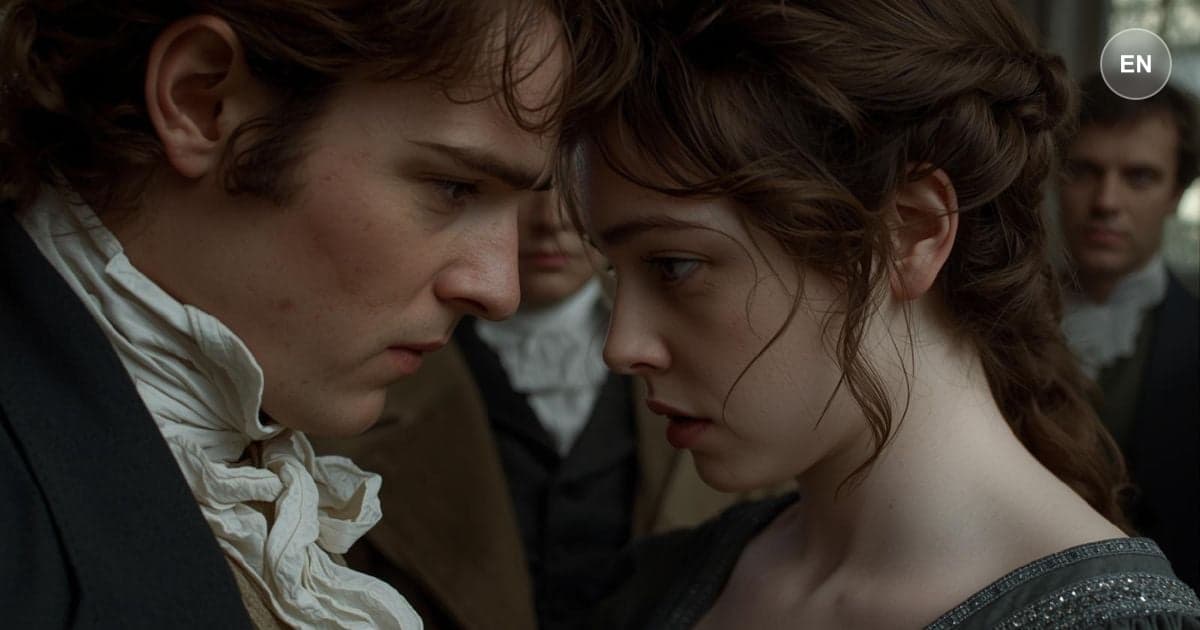
Master this chapter. Complete your experience
Purchase the complete book to access all chapters and support classic literature
As an Amazon Associate, we earn a small commission from qualifying purchases at no additional cost to you.
Available in paperback, hardcover, and e-book formats
Why This Matters
Connect literature to life
This chapter shows how people can share identical experiences while pursuing completely different goals, teaching you to spot when someone's motivations don't match their words.
Practice This Today
This week, notice when someone's enthusiasm for helping you seems perfectly timed with their own needs—ask yourself what they're really getting from the interaction.
Now let's explore the literary elements.
Key Quotes & Analysis
"The scratches are events, and the candle is the egoism of any person now absent—of Miss Vincy, for example."
Context: Eliot explains her famous mirror metaphor about how we interpret random events as personally meaningful.
This brilliant insight reveals how our self-centeredness creates the illusion that coincidences are meaningful patterns. Rosamond sees Fred's illness and Lydgate's visits as Providence arranging her love story, when they're just random events she's interpreting through her own desires.
In Today's Words:
We all think the universe revolves around us, like Rosamond thinking everything is about her love life.
"Rosamond had a Providence of her own who had kindly made her more charming than other girls."
Context: Describing Rosamond's belief that God specially favored her with beauty and arranged circumstances for her benefit.
This shows Rosamond's narcissistic worldview disguised as religious faith. She believes she's God's favorite, chosen for special treatment. It's a perfect example of how people use spirituality to justify their sense of entitlement.
In Today's Words:
Rosamond thinks she's the main character in God's favorite TV show.
"Poor Rosamond lost her appetite and felt as forlorn as Ariadne—as a charming stage Ariadne left behind with all her boxes full of costumes and no hope of a coach."
Context: When Rosamond thinks she might have to leave town and miss opportunities with Lydgate.
Eliot uses theatrical metaphor to show how Rosamond sees herself as the heroine of a dramatic romance. The comparison to abandoned Ariadne reveals her tendency toward self-pity and dramatic self-presentation when things don't go her way.
In Today's Words:
Rosamond felt like the star of a rom-com whose leading man just walked off set.
Thematic Threads
Self-Deception
In This Chapter
Both Lydgate and Rosamond convince themselves their interpretation of their relationship is accurate
Development
Building from earlier chapters where characters rationalize their choices
In Your Life:
You might catch yourself explaining away red flags when you want something to work out
Class
In This Chapter
Lydgate's sense of intellectual superiority over local men like Ned Plymdale shapes his romantic confidence
Development
Continues the theme of how social positioning affects personal relationships
In Your Life:
You might notice how your professional status influences who you consider 'worthy' of your time
Gender Expectations
In This Chapter
Rosamond strategically manages situations to appear valuable while Lydgate assumes he controls the dynamic
Development
Expands on how social roles create different relationship strategies for men and women
In Your Life:
You might recognize how cultural expectations shape what you think you should want in relationships
Social Performance
In This Chapter
Rosamond and Lydgate become self-conscious around each other, stealing glances and managing impressions
Development
Introduced here as romantic tension creates new social pressures
In Your Life:
You might notice how attraction makes you hyper-aware of how you're coming across to someone
Strategic Thinking
In This Chapter
Rosamond positions herself as indispensable during Fred's illness while mentally planning her future with Lydgate
Development
Continues Rosamond's pattern of calculated social maneuvering from earlier chapters
In Your Life:
You might catch yourself engineering situations to spend time with someone you're interested in
You now have the context. Time to form your own thoughts.
Discussion Questions
- 1
What does Rosamond think is happening between her and Lydgate, and what does Lydgate think is happening?
analysis • surface - 2
Why does Eliot use the metaphor of the candle and scratched mirror at the beginning of this chapter?
analysis • medium - 3
Where have you seen this pattern of mismatched intentions in your own life - at work, in relationships, or with friends?
application • medium - 4
What specific questions could Rosamond or Lydgate ask to clarify their actual intentions before things get more complicated?
application • deep - 5
What does this chapter reveal about how our own desires can blind us to what others actually want?
reflection • deep
Critical Thinking Exercise
Rewrite the Same Scene from Both Perspectives
Choose one interaction between Rosamond and Lydgate from this chapter. Write two short paragraphs describing the exact same moment - first from Rosamond's perspective, then from Lydgate's. Focus on what each person thinks the other is communicating and what they hope will happen next.
Consider:
- •Pay attention to how the same words or actions can mean completely different things to each person
- •Notice what each character is assuming about the other's feelings or intentions
- •Think about what information each person has that the other doesn't
Journaling Prompt
Write about a time when you realized you and someone else had completely different interpretations of the same situation. What were you each assuming? How could clearer communication have prevented the misunderstanding?
Coming Up Next...
Chapter 28: The Honeymoon's End
The Casaubons return from Rome in January snow. Lowick Manor feels shrunken and ghostly. Dorothea stands in her boudoir carrying the cameos for Celia, looking out at a white enclosure that seems to be her whole world.