Master this chapter. Complete your experience
Purchase the complete book to access all chapters and support classic literature

As an Amazon Associate, we earn a small commission from qualifying purchases at no additional cost to you.
Available in paperback, hardcover, and e-book formats
Why This Matters
Connect literature to life
This chapter teaches how to recognize when our minds fill in missing pieces with our worst fears rather than seeking the full story.
Practice This Today
This week, notice when you feel that gut-punch of assumption—pause and ask yourself what else the situation could mean before you react.
Now let's explore the literary elements.
Key Quotes & Analysis
"This way of establishing sequences is too common to be fairly regarded as a peculiar folly in Rosamond."
Context: Describing how Rosamond connects Will's arrival with solving all her problems
Eliot points out that creating false cause-and-effect chains isn't unique to Rosamond - it's a universal human tendency. We all convince ourselves that one change will fix everything else in our lives.
In Today's Words:
We all do this - thinking one thing will magically fix everything else.
"She felt assured that the coming would be a potent cause of the going, without at all seeing how."
Context: Explaining Rosamond's belief that Will's return will lead to leaving Middlemarch
This shows magical thinking - believing in outcomes without understanding the process. Rosamond wants rescue but hasn't thought through the logistics or consequences.
In Today's Words:
She was sure his visit would solve everything, even though she had no actual plan.
"If Tertius goes away, you will help us to move, will you not, papa?"
Context: Asking her father for financial support during Lydgate's troubles
Rosamond frames her request as helping 'them' move, but she's already planning her escape. She's manipulating her father's concern while plotting behind her husband's back.
In Today's Words:
Dad, if things don't work out with my husband, you'll help me leave him, right?
Thematic Threads
Perception
In This Chapter
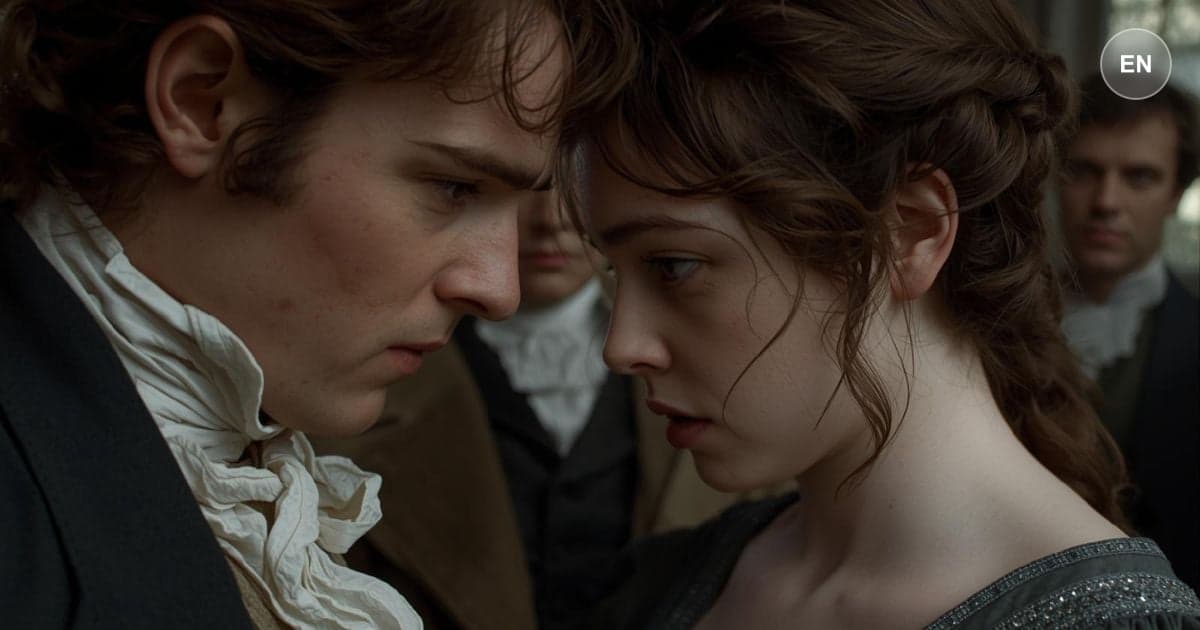
Dorothea misinterprets Will and Rosamond's intimate conversation as romantic betrayal
Development
Builds on earlier themes of characters misunderstanding each other's motives and situations
In Your Life:
You might jump to conclusions when you see your boss talking privately with a colleague, assuming it's about you.
Strength
In This Chapter
Dorothea finds unexpected power and purpose in her moment of devastation, channeling pain into action
Development
Continues Dorothea's growth from passive victim to active agent of change
In Your Life:
Sometimes your worst moments can unlock energy you didn't know you had for tackling other problems.
Assumptions
In This Chapter
All three characters operate on incomplete information, creating a scene of mutual misunderstanding
Development
Escalates the ongoing theme of characters acting on partial knowledge throughout the novel
In Your Life:
You might make major decisions based on what you think you know rather than what you actually know.
Compassion
In This Chapter
Dorothea's visit stems from genuine desire to help the Lydgates, which makes her discovery more painful
Development
Continues exploring how good intentions can lead to unexpected consequences
In Your Life:
Your attempts to help others might sometimes put you in situations that hurt you personally.
Transformation
In This Chapter
The shock transforms Dorothea from vulnerable woman to determined advocate, changing her trajectory
Development
Marks a pivotal moment in Dorothea's character arc toward greater agency
In Your Life:
Crisis moments can sometimes clarify your priorities and give you unexpected clarity about what matters.
You now have the context. Time to form your own thoughts.
Discussion Questions
- 1
What does Dorothea see when she walks into the Lydgate house, and how does she interpret it?
analysis • surface - 2
Why does Dorothea's mind immediately jump to betrayal when she sees Will with Rosamond, even though she felt secure in his love moments before?
analysis • medium - 3
Think of a time when you walked into a situation and immediately assumed the worst. What story did your mind create, and was it accurate?
application • medium - 4
Instead of collapsing in despair, Dorothea feels energized by 'indignation' and continues her mission to help Lydgate. What does this reveal about how we can respond to shocking moments?
application • deep - 5
What does this chapter teach us about the difference between what we see and what we think we understand?
reflection • deep
Critical Thinking Exercise
The 24-Hour Reality Check
Think of a recent situation where you made a quick assumption about someone's behavior or motives. Write down what you saw, what story your mind created, and at least three alternative explanations for what you witnessed. Then consider: What would change if you waited 24 hours before reacting to your first assumption?
Consider:
- •Your first interpretation is usually your most emotionally charged one
- •Fear and insecurity make us jump to negative conclusions faster
- •Most situations have multiple possible explanations we never consider
Journaling Prompt
Write about a time when your first assumption about a situation was completely wrong. What did you learn about the gap between seeing and understanding?
Coming Up Next...
Chapter 78: When Illusions Shatter Completely
The aftermath of this devastating encounter will force all three characters to confront the truth of their feelings and the consequences of misunderstanding. Will someone find the courage to explain what really happened in that drawing room?