Wide Reads
Literature MattersLife IndexEducators
Sign in
Where to Begin
Middlemarch - Art, Beauty, and Uncomfortable Recognition

George Eliot

Middlemarch

Art, Beauty, and Uncomfortable Recognition

Home›Books›Middlemarch›Chapter 19
Previous
19 of 86
Next

Summary

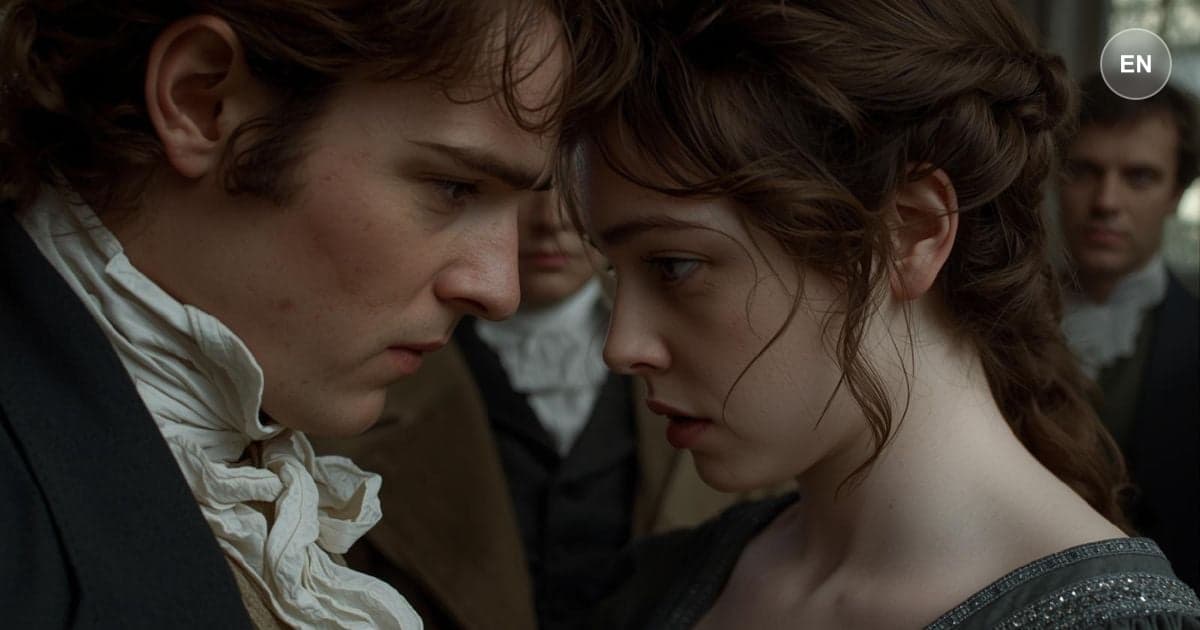
The chapter is set in Rome, placed precisely: George IV still reigns, Wellington is Prime Minister, Mr. Vincy is mayor of the old corporation. Romanticism has not yet penetrated ordinary life; long-haired German artists at Rome are still a curiosity. One fine morning Will Ladislaw has just turned his back on the Belvedere Torso in the Vatican when his friend, the painter Adolf Naumann, seizes his arm: "Come here, quick! else she will have changed her pose." They pass quickly toward the hall where the reclining Ariadne (then called the Cleopatra) lies in marble. There, against a pedestal, stands a breathing blooming girl in Quakerish gray, her long cloak thrown back, one beautiful ungloved hand pillowing her cheek. She is gazing dreamily at a streak of sunlight on the floor — not looking at the sculpture, probably not thinking of it. Naumann is captivated by the antithesis: ancient marble beauty beside living beauty with "the consciousness of Christian centuries in its bosom." He wants to paint her — she should be dressed as a nun. He notices her wedding ring, wonders if the sallow old Geistlicher is her husband or her father. Will says flatly: she is married to his second cousin. "The Geistlicher?" Naumann asks. "He looks more like an uncle — a more useful sort of relation." Will grows irritated. He refuses to help Naumann approach her, and they argue about painting versus language. Will insists that "painting stares at you with an insistent imperfection" — you cannot paint a woman's voice, her breathing, her change from moment to moment. "This woman — how would you paint her voice, pray? But her voice is much diviner than anything you have seen of her." Naumann is delighted: "I see, I see. You are jealous." Will tells him not to call Mrs. Casaubon his aunt again. They almost quarrel. Left alone, Will is conscious of being irritated by ridiculously small causes, half of his own creation. He did not know what to make of the feeling, but something had happened to him with regard to her.

Coming Up in Chapter 20

We go back in time a few hours to discover why Dorothea was standing alone in the Vatican that morning, gazing at sunlight she could not really see. The Rome honeymoon is five weeks old, and the chapter that follows is one of the saddest in the novel.

Share it with friends

Previous ChapterNext Chapter
GO ADS FREE — JOIN US
Original text
complete·1,485 words
L

“’ altra vedete ch’ha fatto alla guancia
Della sua palma, sospirando, letto.”
—Purgatorio, vii.

When George the Fourth was still reigning over the privacies of Windsor, when the Duke of Wellington was Prime Minister, and Mr. Vincy was mayor of the old corporation in Middlemarch, Mrs. Casaubon, born Dorothea Brooke, had taken her wedding journey to Rome. In those days the world in general was more ignorant of good and evil by forty years than it is at present. Travellers did not often carry full information on Christian art either in their heads or their pockets; and even the most brilliant English critic of the day mistook the flower-flushed tomb of the ascended Virgin for an ornamental vase due to the painter’s fancy. Romanticism, which has helped to fill some dull blanks with love and knowledge, had not yet penetrated the times with its leaven and entered into everybody’s food; it was fermenting still as a distinguishable vigorous enthusiasm in certain long-haired German artists at Rome, and the youth of other nations who worked or idled near them were sometimes caught in the spreading movement.

1 / 9

Master this chapter. Complete your experience

Purchase the complete book to access all chapters and support classic literature

Read Free on GutenbergBuy at Powell'sBuy on Amazon

As an Amazon Associate, we earn a small commission from qualifying purchases at no additional cost to you.

Available in paperback, hardcover, and e-book formats

GO ADS FREE — JOIN US

Why This Matters

Connect literature to life

Skill: Recognizing Emotional Early Warning Systems

This chapter teaches how defensive reactions often signal unacknowledged feelings before conscious awareness kicks in.

Practice This Today

This week, notice when you have surprisingly strong reactions to comments about people you claim not to care about—your emotions might be telling you something your mind hasn't figured out yet.

GO ADS FREE — JOIN US

Now let's explore the literary elements.

Key Quotes & Analysis

"A woman is not a picture to hang on the wall."

— Will Ladislaw

Context: When Naumann wants to paint Dorothea's portrait

Will instinctively rejects the idea of reducing Dorothea to a static artistic object. This reveals his deeper understanding that she's a complex person, not just a beautiful thing to be captured and displayed.

In Today's Words:

She's a real person, not just something pretty to look at.

"The painter's fancy could never equal the charm of her actual presence."

— Will Ladislaw

Context: Arguing against painting Dorothea

Will believes Dorothea's living essence - her voice, movement, and changing expressions - can't be captured in paint. This shows he's already deeply attuned to her as a whole person.

In Today's Words:

No photo or video could capture what she's really like in person.

"She is married to my cousin."

— Will Ladislaw

Context: Explaining his connection to Dorothea

This simple statement carries weight - it establishes both his legitimate interest and the barrier between them. The formal relationship masks deeper, unnamed feelings.

In Today's Words:

It's complicated - she's family, but not really.

Thematic Threads

Identity

In This Chapter

Will is confused by his own reactions and doesn't understand who he's becoming around Dorothea

Development

Introduced here

In Your Life:

You might discover aspects of yourself through unexpected reactions to people or situations.

Class

In This Chapter

The tension between artistic objectification (Naumann's view) and protective respect (Will's view) reflects different ways of seeing women

Development

Developed from earlier class distinctions

In Your Life:

You might notice how different social backgrounds create different ways of treating people.

Human Relationships

In This Chapter

Will's protective feelings toward someone he barely knows shows how connections can form before we're aware of them

Development

Evolved from previous relationship dynamics

In Your Life:

You might find yourself caring about people more than you realized, even in brief encounters.

Social Expectations

In This Chapter

Naumann expects Will to help him meet Dorothea as a social favor, while Will refuses based on deeper principles

Development

Continued from ongoing social obligation themes

In Your Life:

You might face pressure to facilitate introductions or connections that feel wrong to you.

Personal Growth

In This Chapter

Will is forced to examine his own motivations and feelings when confronted with his unusual reaction

Development

Advanced from character development in previous chapters

In Your Life:

You might learn about yourself through moments when you surprise yourself with your own responses.

GO ADS FREE — JOIN US

You now have the context. Time to form your own thoughts.

Discussion Questions

  1. 1

    What specifically triggers Will's defensive reaction when Naumann wants to paint Dorothea's portrait?

    analysis • surface
  2. 2

    Why does Will argue that painting can't capture a woman's true essence, and what does this reveal about how he sees Dorothea?

    analysis • medium
  3. 3

    When have you noticed yourself getting unexpectedly protective or defensive about someone you claimed not to care much about?

    application • medium
  4. 4

    How can recognizing your own surprising emotional reactions help you understand your true feelings before they complicate situations?

    application • deep
  5. 5

    What does Will's confusion about his own reaction teach us about the gap between what we think we feel and what we actually feel?

    reflection • deep

Critical Thinking Exercise

10 minutes

Track Your Defensive Moments

Think back over the past month and identify three times you had surprisingly strong reactions - getting defensive, unusually upset, or protective about something or someone. For each incident, write down what triggered you and what that reaction might have revealed about feelings or values you hadn't fully recognized. Look for patterns in what consistently gets you fired up.

Consider:

  • •Notice the difference between logical responses and emotional reactions that seem disproportionate
  • •Pay attention to when you find yourself making passionate arguments about things you claimed not to care about
  • •Consider how these unrecognized feelings might be affecting your decisions and relationships

Journaling Prompt

Write about a relationship in your life where your actions suggest deeper feelings than you've admitted to yourself. What is your behavior telling you that your conscious mind hasn't acknowledged?

Coming Up Next...

Chapter 20: The Honeymoon's Bitter Reality

We go back in time a few hours to discover why Dorothea was standing alone in the Vatican that morning, gazing at sunlight she could not really see. The Rome honeymoon is five weeks old, and the chapter that follows is one of the saddest in the novel.

Continue to Chapter 20
Previous
The Weight of Small Compromises
Contents
Next
The Honeymoon's Bitter Reality

Continue Exploring

Middlemarch Study GuideTeaching ResourcesEssential Life IndexBrowse by ThemeAll Books
Social Class & StatusLove & RelationshipsMoral Dilemmas & Ethics

You Might Also Like

Jane Eyre cover

Jane Eyre

Charlotte Brontë

Explores personal growth

Great Expectations cover

Great Expectations

Charles Dickens

Explores personal growth

The Strange Case of Dr Jekyll and Mr Hyde cover

The Strange Case of Dr Jekyll and Mr Hyde

Robert Louis Stevenson

Explores personal growth

Don Quixote cover

Don Quixote

Miguel de Cervantes Saavedra

Explores personal growth

Browse all 47+ books

Share This Chapter

Know someone who'd enjoy this? Spread the wisdom!

TwitterFacebookLinkedInEmail

Read ad-free with Prestige

Get rid of ads, unlock study guides and downloads, and support free access for everyone.

Subscribe to PrestigeCreate free account
Intelligence Amplifier
Intelligence Amplifier™Powering Wide Reads

Exploring human-AI collaboration through books, essays, and philosophical dialogues. Classic literature transformed into navigational maps for modern life.

2025 Books

→ The Amplified Human Spirit→ The Alarming Rise of Stupidity Amplified→ San Francisco: The AI Capital of the World
Visit intelligenceamplifier.org
hello@widereads.com

WideReads Originals

→ You Are Not Lost→ The Last Chapter First→ The Lit of Love→ Wealth and Poverty→ 10 Paradoxes in the Classics · coming soon
Arvintech
arvintechAmplify your Mind
Visit at arvintech.com

Navigate

  • Home
  • Library
  • Essential Life Index
  • How It Works
  • Subscribe
  • Account
  • About
  • Contact
  • Authors
  • Suggest a Book
  • Landings

Made For You

  • Students
  • Educators
  • Families
  • Readers
  • Literary Analysis
  • Finding Purpose
  • Letting Go
  • Recovering from a Breakup
  • Corruption
  • Gaslighting in the Classics

Newsletter

Weekly insights from the classics. Amplify Your Mind.

Legal

  • Privacy Policy
  • Terms of Service
  • Cookie Policy
  • Accessibility

Why Public Domain?

We focus on public domain classics because these timeless works belong to everyone. No paywalls, no restrictions—just wisdom that has stood the test of centuries, freely accessible to all readers.

Public domain books have shaped humanity's understanding of love, justice, ambition, and the human condition. By amplifying these works, we help preserve and share literature that truly belongs to the world.

A Pilgrimage

Powell's City of Books

Portland, Oregon

If you ever find yourself in Portland, walk to the corner of Burnside and 10th. The building takes up an entire city block. Inside is over a million books, new and used on the same shelf, organized by color-coded rooms with names like the Rose Room and the Pearl Room. You can lose an afternoon. You can lose a weekend. You will find a book you have been looking for your whole life, and three you did not know existed.

It is a pilgrimage. We cannot find a bookstore like it anywhere on earth. If you read the classics, and you ever get the chance, go. It belongs on every reader's bucket list.

Visit powells.com

We are not in any way affiliated with Powell's. We are just a very big fan.

© 2026 Wide Reads™. All Rights Reserved.

Intelligence Amplifier™ and Wide Reads™ are proprietary trademarks of Arvin Lioanag.

Copyright Protection: All original content, analyses, discussion questions, pedagogical frameworks, and methodology are protected by U.S. and international copyright law. Unauthorized reproduction, distribution, web scraping, or use for AI training is strictly prohibited. See our Copyright Notice for details.

Disclaimer: The information provided on this website is for general informational and educational purposes only and does not constitute professional, legal, financial, or technical advice. While we strive to ensure accuracy and relevance, we make no warranties regarding completeness, reliability, or suitability. Any reliance on such information is at your own risk. We are not liable for any losses or damages arising from use of this site. By using this site, you agree to these terms.