
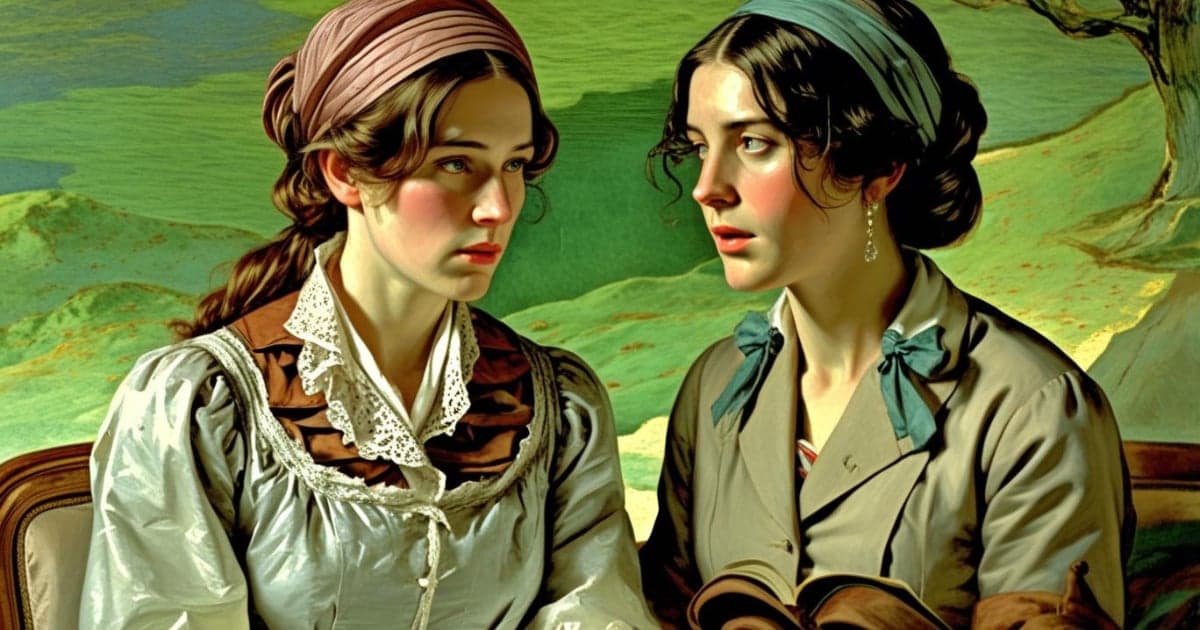
Chapter 68
Behind the Scholar's Mask
CHAPTER LXVIII. What suit of grace hath Virtue to put on If Vice shall wear as good, and do as well? If Wrong, if Craft, if Indiscretion Act as fair parts with ends as laudable? Which all this mighty volume of events The world, the universal map of deeds, Strongly controls, and proves from all descents, That the directest course still best succeeds. For should not grave and learn’d Experience That looks with the eyes of all the world beside, And with all ages holds intelligence, Go safer than Deceit without a guide! —DANIEL: Musophilus. That change of plan and…
Public-domain chapter text, formatted for reading.
Critical Thinking Exercise
Rewrite the Conversation
Rewrite the scene where Casaubon receives Ladislaw's letter, but this time have him share his actual fears with Dorothea instead of attacking her. What would he say if he were honest about feeling inadequate and worried about his scholarly reputation?
Consider:
- •What specific fears is Casaubon really experiencing beneath his anger?
- •How might Dorothea respond if he showed vulnerability instead of hostility?
- •What would change about their relationship dynamic if they addressed the real issue?
Journaling Prompt
Write about a time when you attacked someone because you felt threatened or inadequate. What were you really afraid of? How might the situation have gone differently if you had shared your actual fear instead of going on the defensive?
Master this chapter. Complete your experience
Purchase the complete book to access all chapters and support classic literature

Available in paperback, hardcover, and e-book formats
You Might Also Like


Lessons from Middlemarch
Theme-by-theme analyses that connect this book to modern life skills.
Choosing Partners Wisely
Follow the Lowick wedding, the Vincy drawing room, and the Finale's three harvests: admiration, charm, and patience produce different lives.
8 chapters·Explore AnalysisUnderstanding Idealism's Limits
See the Key to All Mythologies, the Hospital scheme, and Brooke's election: purpose that outruns judgment.
7 chapters·Explore AnalysisRecognizing Self-Deception
Watch Dorothea kneel to a letter, Lydgate assume he can manage Rosamond, and Bulstrode call a payoff mercy.
8 chapters·Explore AnalysisActing Well Without Recognition
Sit with Garth's cold tea, Dorothea's belief when the town has voted, and the unhistoric acts of the Finale.
7 chapters·Explore AnalysisReading Community Power
Track the Green Dragon, the Hospital board, and the neighbours who decide who may still be seen.
7 chapters·Explore AnalysisWhen Money Tests Character
Follow Fred's bill, Lydgate's thousand pounds, and Bulstrode's hundred: a ledger that names who you married.
7 chapters·Explore Analysis
Deep diving the literary elements.