Chapter 58
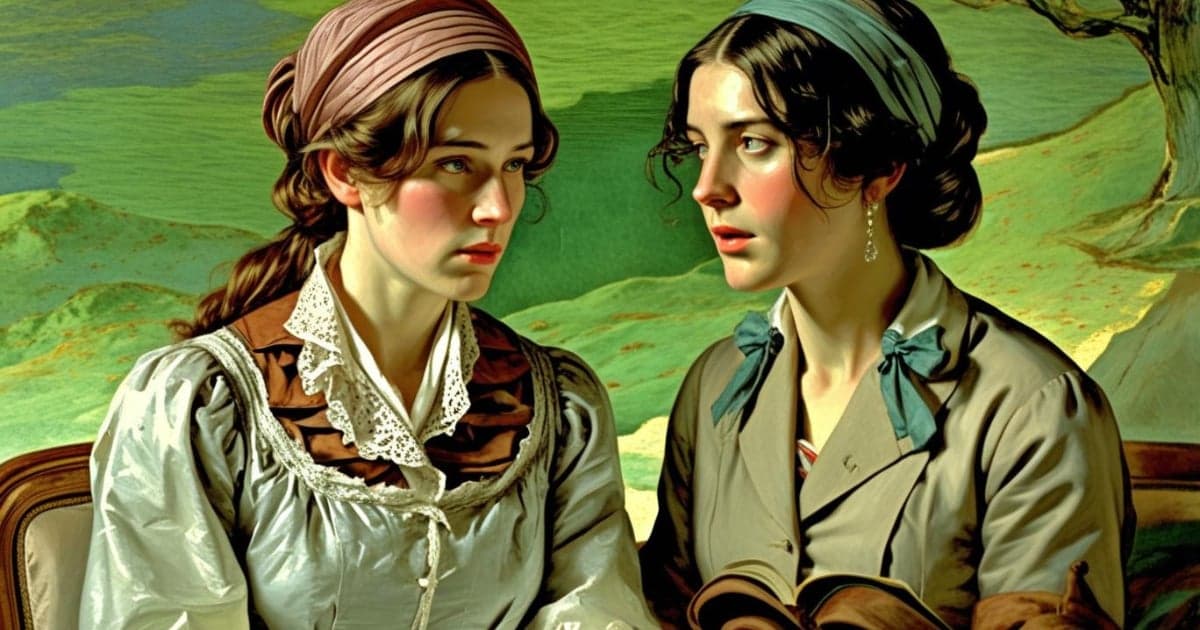
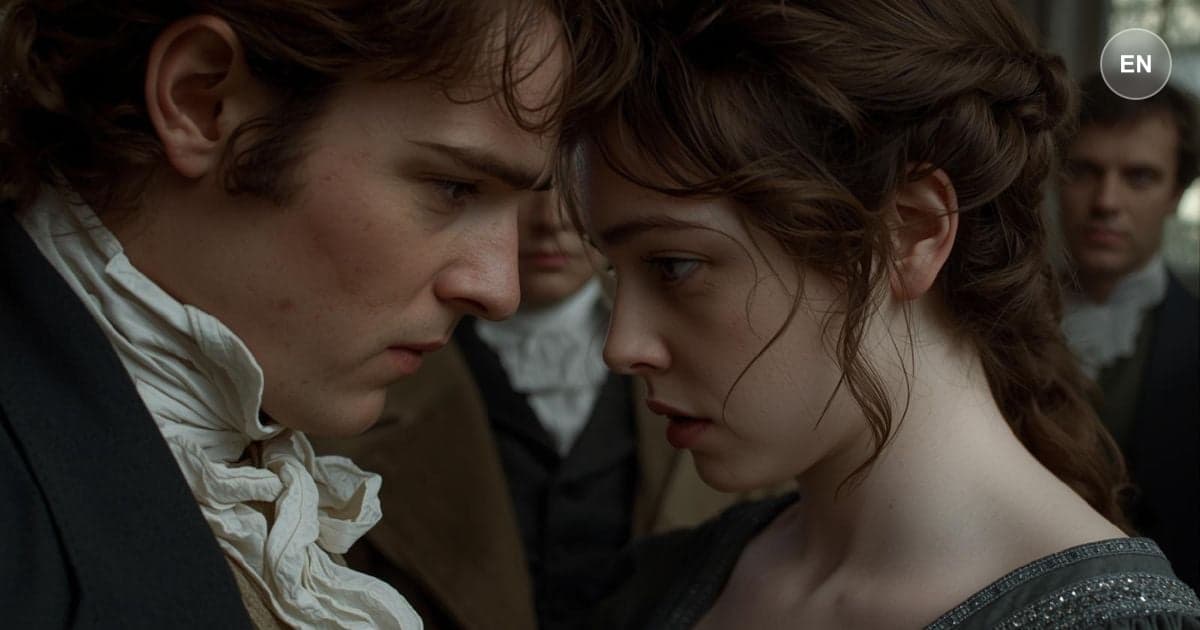
Art, Beauty, and Unexpected Encounters
CHAPTER LVIII. “For there can live no hatred in thine eye, Therefore in that I cannot know thy change: In many’s looks the false heart’s history Is writ in moods and frowns and wrinkles strange: But Heaven in thy creation did decree That in thy face sweet love should ever dwell: Whate’er thy thoughts or thy heart’s workings be Thy looks should nothing thence but sweetness tell.” —SHAKESPEARE: Sonnets. At the time when Mr. Vincy uttered that presentiment about Rosamond, she herself had never had the idea that she should be driven to make the sort of appeal which he…
Public-domain chapter text, formatted for reading.
Master this chapter. Complete your experience
Purchase the complete book to access all chapters and support classic literature
Available in paperback, hardcover, and e-book formats
Now let's explore the literary elements.
Key Quotes & Analysis
"You will not go again, Rosy; that is understood."
Context: After Rosamond rode Captain Lydgate's horse without consulting him
Lydgate states a ban as settled fact; Rosamond will treat agreement as his promise to her, not hers to him. Authority and obedience trade places in advance of the debt talk.
In Today's Words:
Lydgate told Rosamond she would not ride again and that was final. When one partner announces a rule as already decided, check whether the other heard a vow or a challenge. Before you forbid a behavior, ask what happens if the other person never actually promised to stop.
"had no more identified herself with him than if they had been creatures of different species and opposing interests."
Context: Rosamond leaves after bringing back all Lydgate's gifts of jewellery
The gesture of returning amethysts looks cooperative; the narrator names the emotional truth as species-distance. Partnership without shared stakes becomes parallel lives.
In Today's Words:
The narrator says Rosamond no longer acted as if she and Lydgate shared one life or one set of interests. Returning gifts can look noble while still refusing to stand in the same trouble together. When someone helps with money drama only by walking away, ask whether you are partners or parallel tenants.
"What can _I_ do, Tertius?"
Context: Her reply when Lydgate asks her to help with crushing debt
Four words carry neutrality that chills Lydgate's tenderness. Rosamond's tone turns fellowship into spectator distance at the first practical request.
In Today's Words:
Rosamond answered Lydgate's plea for help with a thin What can I do. The same short question can mean helpless love or cool refusal depending on tone. When your partner names a crisis, listen for whether they are joining you or handing the problem back.
"I am obliged to tell you what will hurt you, Rosy. But there are things which husband and wife must think of together."
Context: Opening the debt confession after sending Will away
Lydgate frames disclosure as marital duty, not attack. The line shows his remaining hope that shared facts might produce shared management.
In Today's Words:
Lydgate said he had to tell Rosamond painful news because spouses must face money together. Naming a crisis as teamwork can still wound when only one person has been tracking the numbers. When you finally disclose debt, pair the facts with one concrete way you need the other person to help, not only shared pain.
Thematic Threads
Self-Knowledge
In This Chapter
Will doesn't understand his own emotional response to Naumann's interest in Dorothea
Development
Building on Dorothea's earlier self-discoveries about her marriage
In Your Life:
You might notice this when you have strong reactions you can't quite explain.
Art and Truth
In This Chapter
Will and Naumann debate whether art can capture a person's true essence
Development
Introduced here as a new lens for examining character
In Your Life:
You might see this in how people present themselves on social media versus reality.
Class Dynamics
In This Chapter
Will's complicated relationship to the Casaubon family wealth and status
Development
Continues his ongoing struggle with his dependent position
In Your Life:
You might recognize this in workplace dynamics where personal relationships cross professional hierarchies.
Protective Instincts
In This Chapter
Will's immediate desire to shield Dorothea from being objectified as art
Development
New expression of the protective themes seen in other relationships
In Your Life:
You might notice this when you feel defensive about someone being criticized or used.
Identity
In This Chapter
Will defines himself through his opposition to Naumann's artistic perspective
Development
Continues his pattern of defining himself in reaction to others
In Your Life:
You might see this when you find yourself arguing positions mainly because someone else holds the opposite view.
You now have the context. Time to form your own thoughts.
Discussion Questions
This is not a test. Five prompts guide you through the chapter, from how it opens to how it closes, so you notice context and rhythm rather than facts to memorize. Sit with each question in your own words. When you see "One way to read it," treat it as a starting point, not the only answer.
- 1
What does Rosamond's decision to ride despite Lydgate's prohibition reveal about her character and their marriage dynamic?
analysis • surfaceOne way to read it
Rosamond shows 'victorious obstinacy' that never wastes energy in direct resistance but quietly pursues what she wants. Her riding represents her fundamental refusal to be governed by Lydgate's judgment, even on matters affecting her safety.
- 2
Why does Eliot emphasize that Lydgate fastens Rosamond's hair 'with a difference' after their argument about riding?
analysis • mediumOne way to read it
The familiar intimate gesture now carries the weight of their conflict. Lydgate performs the same loving act but remains angry, showing how marital discord poisons even tender moments between them.
- 3
How does the chapter's portrayal of financial strain in marriage compare to modern couples facing economic pressure?
application • mediumOne way to read it
Like Lydgate and Rosamond, modern couples often discover fundamental differences in spending priorities and financial values only after marriage creates shared consequences. Economic stress reveals character and tests partnership.
- 4
If you were advising a couple where one partner consistently ignores the other's concerns about major decisions, what would you suggest?
application • deepOne way to read it
The couple needs to establish mutual respect for each other's judgment and create agreed-upon boundaries for individual versus joint decisions. Without this foundation, love alone cannot sustain partnership through serious challenges.
- 5
What does Lydgate's realization about Rosamond's 'terrible tenacity' suggest about the gap between romantic idealization and marital reality?
reflection • deepOne way to read it
Lydgate discovers that the very qualities he found charming in courtship become obstacles in marriage. Rosamond's beauty and apparent compliance masked an iron will that refuses to bend to his superior knowledge or authority.
Critical Thinking Exercise
Decode Your Defensive Moments
Think of the last time you found yourself arguing passionately about something, especially when others seemed surprised by how much you cared. Write down what you were arguing about on the surface, then dig deeper - what were you really protecting or defending? What feeling or investment were you not ready to admit, even to yourself?
Consider:
- •Notice the difference between your stated reason and your emotional reaction
- •Consider what you might have been afraid would happen if you admitted your real feelings
- •Think about whether the other person was responding to your surface argument or your underlying emotion
Journaling Prompt
Write about a relationship or situation where you care more than you're comfortable admitting. What would change if you acknowledged those feelings honestly?
Coming Up Next...
Chapter 59: The Dangerous Power of Gossip
Pollen gossip will carry Fred Vincy's news of Casaubon's codicil to Rosamond's drawing-room, where she will tell Will Ladislaw that marriage to him would cost Dorothea her fortune.