Free study guide · no paywall
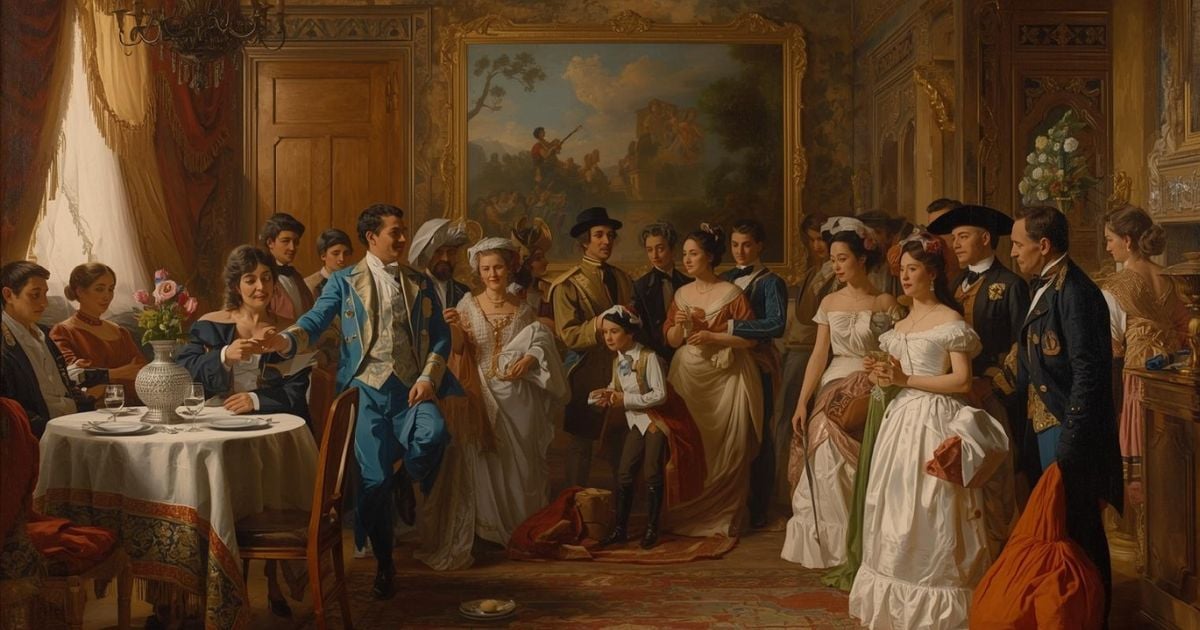
Noli Me TángereStudy Guide
by José Rizal (1887)
A returning reformer, a corrupt friar, and a schoolhouse that becomes a crime scene, mapped across 63 chapters and six lessons.
Start here
Plot, characters & chapter jump
63 chapter summaries · 8 key figures · discussion questions · quotes · free
Plot summary
Crisóstomo Ibarra returns from Europe to find his father buried outside consecrated ground as a heretic, and still believes a schoolhouse can repair the town that did this to him. Padre Dámaso mocks the grave, Padre Salvi wants María Clara for himself, and the boatman Elias warns that petitions cannot outvote a friar with a fuse. When the cornerstone kills a worker and a planted conspiracy names Ibarra as its author, María Clara trades her mother's letters for his life, and Elias draws soldiers off the lake so Ibarra can escape.
Jump to chapter
- Chapter 1The homecoming dinner
- Chapter 16Sisa's vigil for her sons
- Chapter 32The cornerstone that hides a fuse
- Chapter 34Ibarra strikes Dámaso over his father's grave
- Chapter 54Salvi discovers a conspiracy that has not happened yet
- Chapter 57Vae Victis: Tarsilo under torture
- Chapter 61The lake chase
- Chapter 63Christmas Eve and the pyre
What readers search for
Common questions about Noli Me Tángere
What is Noli Me Tángere about?
Crisóstomo Ibarra comes home from studying in Europe to find his father already condemned as a heretic and buried outside consecrated ground. He still believes a schoolhouse can fix the town that did this, while Padre Dámaso keeps making grave jokes at the welcome dinner. José Rizal published the novel in 1887 to put that contradiction, reform offered to a system that profits from corruption, in front of readers who could not look away.
Exposing Systemic CorruptionWhy does Padre Dámaso mock Ibarra's dead father at the welcome dinner?
Dámaso buried Don Rafael as a suicide and a heretic, then keeps joking about the grave in front of the son who does not yet know the story. The joke is not cruelty for its own sake. It is a warning dressed as small talk, telling Ibarra exactly how little his father's reputation is worth in a room the friar controls.
Recognizing Religious HypocrisyWhat happens to Crispin and Basilio in Noli Me Tángere?
Sisa's two sons work as sacristans under a sacristan mayor who accuses Crispin of theft and beats him inside the convent. Crispin disappears there and Basilio flees with the story the convent wants told instead of the truth. Sisa spends the rest of the novel searching for a son the church has already spent.
Protecting Dignity Under OppressionWhy does Elias risk his life for Ibarra on the lake?
Elias has already told Ibarra that petitions cannot outvote a friar with a fuse, so when soldiers corner the two men on the lake he draws their fire instead of arguing the point again. His last act delivers the answer his warnings could not: resistance sometimes costs the resister, not the system he is resisting.
Strategic ResistanceWhy did Spanish colonial authorities ban Noli Me Tángere?
The novel names the actual machinery of colonial rule closely enough that officials could recognise their own methods on the page: friars who outrank the Governor-General in practice, burial fees collected like sacraments, letters planted to convict an innocent man. Rizal published it in Berlin in 1887 precisely so it would exist before anyone in Manila could stop it.
Navigating Colonial PowerFast track
Short on time? Start here
You do not have to read all 63 chapters in one sprint. These 8 beats hold the book's argument together.
Chapter 1
The homecoming dinner
Chapter 16
Sisa's vigil for her sons
Chapter 32
The cornerstone that hides a fuse
Chapter 34
Ibarra strikes Dámaso over his father's grave
Chapter 54
Salvi discovers a conspiracy that has not happened yet
Chapter 57
Vae Victis: Tarsilo under torture
Chapter 61
The lake chase
Chapter 63
Christmas Eve and the pyre
Full coverage
Everything in this study guide
The same surfaces readers expect from a traditional study guide — plot, characters, themes, quotes, and homework help — plus audio and the source text on every chapter. Free, no paywall.
Plot overview
Summary, context, and why the book still matters
63 chapter summaries
Every chapter with audio narration
8 key figures
Who drives the plot and what each one does
7 lessons
Themes traced to scenes, not generic labels
15+ important quotes
Verified lines with chapter links and analysis
Discussion questions
Five per chapter, with suggested answers for class and essays
Original text
Author's words beside every summary
This is not a plot cheat sheet. Wide Reads walks Noli Me Tángere the way Rizal built it: a homecoming dinner that is really a warning, and a lake escape that costs the wrong man his life. Follow the path below, open the six lesson deep dives when a chapter hooks you, and read individual chapters for summaries, quotes, and audio.
For plot and theme questions about Noli Me Tángere, see Common Questions on the book page.
How to use this guide
How to Read This Book with Wide Reads
Start with the homecoming
Chapters 1 through 19 hold Capitan Tiago's homecoming dinner, where Dámaso mocks a grave, Ibarra first proposes a schoolhouse for San Diego, the town's rulers are introduced one by one, and Elias gives Ibarra his first warning about petitions and friars on the lake.
Follow the fiesta to the fuse
Chapters 20 through 45 carry the town fiesta, the school cornerstone blessed the same week a derrick kills a worker, Dámaso's sermon on the town's ingratitude, and a dinner that ends with Ibarra striking a friar over his father's desecrated grave.
Read the arrest to the lake
Chapters 46 through 63 stage Ibarra's arrest on planted letters, María Clara's confession that trades her mother's secret for his life, Elias drawing soldiers off on the lake, and a Christmas Eve that closes the book with no schoolhouse ever built.
Plot & context
Book Overview
Capitan Tiago's table is still set for a homecoming. Padre Damaso jokes about a grave, and Crisostomo Ibarra learns that his father is already a heretic in the official story. The welcome home is a warning. Rizal published Noli Me Tángere in Berlin in 1887 so Europe would have to read it, then sent it home to be banned. Ibarra still believes a school can repair a country. The real danger was never a single cruel friar. It was a system that could bury a man outside the church and then invite his son to eat.
Ibarra is the returning son: young, rich, educated in Europe, and so sure a school can fix a country that he treats every warning as pessimism. María Clara is his fiancée, Capitan Tiago's daughter, and later the convent's prize once her usefulness as a bride is gone. Padre Damaso is the Franciscan who buried Don Rafael as a suicide and will not stop talking about it. Padre Salvi is the parish priest who wants María Clara and knows how to use a confession. Elias is the boatman with a hunted name who keeps saving the man who still believes in petitions. Tasio writes in a cipher because he has already been called a madman. Sisa's sons Crispin and Basilio vanish into the convent kitchen. Capitan Tiago buys peace with candles and dinners. The Governor-General's formal power looks larger than the cassock until a planted fuse proves it is not.
Lieutenant Guevara tells Ibarra how Don Rafael died in prison after a boy's skull was broken in the street. Elias kills a crocodile at the picnic and then tells Ibarra that reform inside this government is a courtesy the friars do not return. Sisa goes looking for Crispin and finds only the story the sacristan wants told. The school cornerstone is blessed, then it explodes, and Ibarra is the name already written on the crime. He strikes Damaso for insulting the dead. He is arrested on letters he did not write. María Clara trades her mother's letters, and her own future, to keep him from a public death. On the lake, Elias draws the soldiers off so Ibarra can live, and the water keeps the cheaper ending.
Rizal wrote the novel in Spanish so Europe would have to read it, then sent it home to be banned. He never treats the dinner as local colour, or the school as a civic project the lovers will open at the end. The school is the test, and it fails on purpose: the same men who bless the stone light the fuse. Love is leverage. A confession is a file. A burial fee is a tax that calls itself piety. What remains is not a hymn to revolution. It is a picture of what happens when a decent man tries to repair a machine that is already working exactly as designed.
Read the full summary on the book page →
Why this book now
People still arrive at this novel the moment a well-meaning reform meets a system built to survive it: a whistleblower whose evidence gets filed as motive, a school board that answers to the people it should be investigating, a confession that quietly becomes leverage against the person who gave it. Rizal never treats Ibarra's optimism as naive for its own sake. This guide keeps that pressure tied to the blessed cornerstone that hides a fuse, Sisa's search for a son the convent has already spent, and the lake crossing that costs Elias his life instead of Ibarra's.
About José Rizal
José Rizal (1861-1896) was a Filipino polymath, nationalist, and the foremost advocate for reform in the Philippines during Spanish colonial rule. Born in Calamba, Laguna, the seventh of eleven children, he trained as a doctor and ophthalmologist, spoke over twenty languages, and worked as a novelist, poet, sculptor, and painter, all before the age most people finish a single degree. His two novels, Noli Me Tángere (1887) and El Filibusterismo (1891), named the corruption and abuses of Spanish friars and colonial officials with enough precision that authorities banned both on sight. They still passed hand to hand across the islands, and Noli's portrait of a hopeful reformer meeting a rigged system helped turn private anger into an organised revolution. He wrote it in Spanish so the ruling class could not claim they had not understood him. Rizal spent years in exile across Europe, practising medicine (he once operated on his own mother's eyes) and organising for peaceful reform, then was arrested when revolution broke out in 1896 despite his opposing armed revolt. He was executed by firing squad on 30 December, aged 35, after smuggling out a farewell poem hidden inside an alcohol lamp. The execution made him a martyr, and every Filipino schoolchild still learns how one life sentenced to end an argument only made it louder.
Themes with proof
Lessons from Noli Me Tángere
Six pressures the novel tests from that homecoming dinner to the lake: Exposing Systemic Corruption in burial fees and a courtroom that prices a verdict, Navigating Colonial Power in a Governor-General's handshake that means less than a friar's word, Protecting Dignity Under Oppression in Sisa's search for sons the convent has already spent, Recognizing Religious Hypocrisy in a cornerstone blessed the same week it kills a worker, Limits of Education as Reform in a schoolhouse that never opens, and Strategic Resistance in Elias spending his own body so Ibarra can leave the lake. Each spoke ties named chapters to the proof.
Deep dives
Chapter-by-chapter breakdowns
Protecting Dignity Under Oppression
Stay with Sisa looking for a son the convent has already spent, and María Clara choosing the veil over a smile she cannot mean.
Truly, divine justice is not nearly so exacting as human.
Strategic Resistance
Hear Elias warn that a school will not outvote a fuse, then watch him spend his body so Ibarra can leave the lake.
I owe my life to you,
Recognizing Religious Hypocrisy
Name the sermon that blesses the cornerstone, the confession that stores María Clara's secrets, and piety sold by the candle.
King or rook! What difference does that make?
Limits of Education as Reform
See Ibarra's Europe, Tasio's books, and the schoolhouse meet the same fact: knowledge does not dismantle a hierarchy that profits from ignorance.
Welcome back to your country! And may you be happier in it than your father was!
Colonial Identity and Belonging
Navigate colonial identity in Noli Me Tángere. Rizal chapters on returning home changed, performing belonging, and split loyalties under empire.
Returning changed can feel like betrayal to people who never left. Colonial identity fractures when love of country requires performing ignorance you…
Character guide
Key Figures
Who drives the plot, what each one wants, and why they matter to the argument of the book.
Crisóstomo Ibarra
A young reformer returning from Europe who believes a schoolhouse can fix the system that condemned his father's grave.
Padre Dámaso
The Franciscan friar who buried Ibarra's father as a heretic and keeps joking about the grave at the welcome dinner.
Padre Salvi
The parish priest who wants María Clara for himself and knows how to turn a confession into leverage.
María Clara
Ibarra's fiancée, who trades her mother's letters and her own future to keep him from a public death.
Elias
The boatman with a hunted name who keeps saving Ibarra, then spends his own body on the lake so the other man can live.
Sisa
A mother who loses both sons to convent cruelty and spends the novel searching for a son the church has already spent.
Tasio
The town philosopher dismissed as a madman for writing in a cipher only he can read.
Capitan Tiago
María Clara's wealthy father, who buys peace with candles, dinners, and careful silence.
Memorable lines
Key Quotes
Verified passages with chapter links — the lines teachers and essays keep returning to.
“his house, like his country, shut its doors against nothing except commerce and all new or bold ideas”
“The Indian is so indolent!”
“At the mention of the name exclamations were heard”
“Padre Damaso, my father's intimate friend!”
“Haven't you any eyes?”
“the most unnecessary person at a dinner is he who gives it”
“How slowly everything moves,”
“Young man, be careful! Learn from your father!”
“But Ibarra saw nothing of all this”
“the name that the old man uttered with tears was _his own_ name!”
“his enemies averred was the blood of the poor”
“I know that he's an archangel, but I don't trust him, no, I don't trust him.”
“The good Lord will forgive me, Aunt Isabel, since He must know the hearts of girls better than you do,”
“But was he not the companion of her infancy, had they not played together and even quarreled at times?”
“Those streets had not yet been paved,”
Class & essay prep
Discussion Questions
Sample prompts drawn from the chapter guides — each with suggested answers for seminars and written work.
Why does Rizal open the novel with Capitan Tiago's dinner rather than with Ibarra's arrival?
From Chapter 1What does the argument over Don Rafael's exhumed body reveal about church and state in this chapter?
From Chapter 1Why does the room react so strongly when Capitan Tiago introduces Don Crisostomo Ibarra?
From Chapter 2What changes in the social mood when Padre Damaso says Rafael was never his intimate friend?
From Chapter 2Why is it significant that Capitan Tiago cannot find a seat at his own dinner?
From Chapter 3How does the bad chicken episode function as more than a kitchen mistake?
From Chapter 3Why does Ibarra remark that Manila moves slowly while walking through familiar streets?
From Chapter 4What turns Don Rafael's defence of a schoolboy into a capital case?
From Chapter 4What does Ibarra fail to see across the river, and why does that matter narratively?
From Chapter 5How does the prison vision alter the meaning of the music from the opposite house?
From Chapter 5Why does Rizal devote a full chapter to Capitan Tiago before deepening Ibarra's story?
From Chapter 6How does Capitan Tiago treat saints and masses as business tools?
From Chapter 6Why does Maria Clara hide in the oratory when Ibarra arrives?
From Chapter 7What role do small objects like sage leaves and the satin letter play in the reunion?
From Chapter 7Why does the same Manila street feel different to Ibarra by day than by night?
From Chapter 8Chapter by chapter
All Chapters
Chapter-by-chapter summaries, quotes, and audio.
Ch. 1 · A Social GatheringThe homecoming dinner
On the last of October Capitan Tiago announces a dinner at his house on Calle Anloague, and Manila's parasites, bores, and hangers-on rush to polish s...
Ch. 2 · The Return of the Prodigal Son
The oil portrait of Capitan Tiago comes alive when he leads in Don Crisostomo Ibarra, returned from seven years in Europe and dressed in mourning. The...
Ch. 3 · Power Plays at the Dinner Table
Dinner begins with petty collisions of status. Doña Victorina rages when the lieutenant steps on her gown; the two friars perform a false humility con...
Ch. 4 · Buried Truth Revealed
After leaving the table Ibarra walks through Binondo and marvels that the streets, vendors, and even a twisted iron bar he bent as a boy remain unchan...
Ch. 5 · A Star in a Dark Night
Ibarra reaches his room overlooking the river, too stunned to notice the lighted house opposite where music and dancers surround a beautiful Filipina ...
Ch. 6 · The Wealthy Hypocrite's Empire
While Ibarra sleeps, Rizal steps aside to profile Capitan Tiago, the host whose candles finance the novel's social stage. Low in stature but rich beyo...
Ch. 7 · Love Letters and Hidden Feelings
Maria Clara hurries home from mass too restless for prayer and waits on the azotea while Aunt Isabel dusts the sala and Capitan Tiago studies papers. ...
Ch. 8 · Memories Shape Our Vision
Ibarra's carriage crosses Manila by daylight, and the city that depressed him at night now floods him with childhood memory. He recalls unpaved street...
Ch. 9 · Power Plays Behind Closed Doors
Padre Damaso mutters threats as Maria Clara leaves for the convent, then refuses Capitan Tiago's hand and bullies him behind a closed office door abou...
Ch. 10 · The Town and Its Dark Secret
From the church tower San Diego looks like a green nest around a lake, each roof identifiable by a tamarind, cross, or bamboo clump. Sugar, rice, and ...
Ch. 11 · The Real Powers Behind the Throne
Rizal asks who truly rules San Diego and answers with a satirical tour of impostors. Don Rafael, though richest and most generous, never became a caci...
Ch. 12 · The Living and the Dead
On All Saints' Day Rizal contrasts global mourning customs with a Filipino cemetery where goats and pigs wander among bones. Grave-diggers toss skulls...
Ch. 13 · The Desecrated Grave
Ibarra reaches San Diego's cemetery to honour his father and finds the cross burned, the grave disturbed, and the body gone. His old servant planted f...
Ch. 14 · The Scholar Who Lost Everything
Don Anastasio, called Tasio the Sage or Tasio the Lunatic, wanders San Diego's stormy streets after searching the cemetery for his wife's skull. A phi...
Ch. 15 · When Power Preys on the Powerless
During the thunderstorm Basilio and Crispin ring bells from the church tower, hungry, fined, and afraid while lightning splits the sky above the cataf...
Ch. 16 · A Mother's VigilSisa's vigil for her sons
On All Souls' Night Rizal contrasts sleeping rich and poor. Wealthy families buy masses, bulls of indulgence, and wax tapers, for divine justice is le...
Ch. 17 · A Mother's Vigil and Dreams of Freedom
Basilio staggers home alone with a bullet graze, and Sisa's terror becomes joy when he says Crispin stayed at the convento. He hides the sacristan's d...
Ch. 18 · Religious Theater and Hidden Corruption
After Mass Fray Salvi sulks while Sisterhood women compete in indulgence accounting, flipping coins to assign years in purgatory and punishing servant...
Ch. 19 · The Schoolmaster's Impossible Choice
By the lake where Rafael's body was thrown, Ibarra meets the schoolmaster and chooses reform over revenge. The teacher recounts Don Rafael's support a...
Ch. 20 · The Town Hall Power Play
In the town hall youths and elders feud over the fiesta budget. Don Filipo, distrusting the gobernadorcillo's delay, follows Tasio's advice to propose...
Ch. 21 · When the System Breaks a Mother
Sisa races home to find Civil Guards who have taken her hen and demand stolen gold from her sons. They march her between them into San Diego, where ne...
Ch. 22 · Public Eyes and Private Hearts
Three days after Sisa's arrest San Diego buzzes with fiesta gossip about the gobernadorcillo, Padre Salvi's weight loss, and lights burning in the con...
Ch. 23 · The Fishing Trip
While stars still glitter in a sapphire sky, Maria Clara and four friends walk to the lake by torchlight with old women and servants carrying baskets,...
Ch. 24 · Secrets in the Forest
Early mass and sealed letters have left Padre Salvi sleepless, thin, and yellow since he changed bedrooms; his cook notes he touches barely two of six...
Ch. 25 · Wisdom from the Hermit Philosopher
The morning after the picnic Ibarra visits Tasio's silent garden, where moss climbs the wall and swallows scarcely disturb the air. The old man bends ...
Ch. 26 · The Power of Community Celebration
On the eve of the fiesta San Diego erupts in hospitality: banners, bands, gambling talk, and tables laden with food few hosts will taste. Rizal notes ...
Ch. 27 · The Weight of Social Expectations
Twilight finds Capitan Tiago outdoing provincials with European luxuries while Manila papers praise Ibarra as cultivated capitalist and model Filipino...
Ch. 28 · Letters from the Fiesta
Rizal tells the fiesta through three letters. A Manila correspondent gushes over friars, Spanish dignitaries, and Capitan Tiago's champagne while noti...
Ch. 29 · The Festival's Last Day
The fiesta's last morning opens with bands, rival brotherhoods buying tapers, and gamblers in diamond studs while Tasio in plain sinamay calls the org...
Ch. 30 · The Church Spectacle
The church fills past breathing as crowds fight for slime-coloured holy water and old women pinch children awake for Damaso's sermon, priced at two hu...
Ch. 31 · The Sermon
Fray Damaso preaches in Spanish then Tagalog, mixing Latin, Civil Guard metaphors, and patent rhetoric before turning on educated Filipinos who will n...
Ch. 32 · The Derrick DisasterThe cornerstone that hides a fuse
The yellowish derrick builder, trained by Don Saturnino, erects an ornate scaffold that collapses during the school cornerstone ceremony. Elias had wa...
Ch. 33 · When Justice Fails Us
Elias visits Ibarra's study and asks him to hide the church warning from courts, not to protect Elias but to keep enemies thinking Ibarra unsuspecting...
Ch. 34 · The Breaking PointIbarra strikes Dámaso over his father's grave
At a festive kiosk dinner the Captain-General's telegram sends Capitan Tiago running while friars sulk that honour went to a house not the convento. P...
Ch. 35 · The Town Divides
News of Ibarra striking Damaso races through San Diego. Students debate the friar's morning assault on a mestizo who claimed not to understand Tagalog...
Ch. 36 · When Love Meets Power
Capitan Tiago returns from the convento ordered to break Maria Clara's engagement to Ibarra or face damnation, debt ruin, and bodily harm. Priests dem...
Ch. 37 · Power Plays and Protection
The Captain-General keeps friars waiting while he meets Ibarra and a Manilan who appealed to justice, treating churchmen like servants who forgot thei...
Ch. 38 · The Sacred and the Absurd
At night the fiesta procession mixes devotion, alguazil beatings, and comic saint rankings: John the Baptist in hides beside Francis in splendor, Tasi...
Ch. 39 · The Alferez's Wife Unleashed
While San Diego celebrates, Doña Consolacion broods in a shuttered barracks house, forbidden by her Spanish husband from mass lest her appearance sham...
Ch. 40 · When Authority Clashes with Community
The fiesta theater pits Padre Salvi against Don Filipo when the curate demands Ibarra leave as excommunicate and the teniente-mayor cites alcalde perm...
Ch. 41 · Two Visitors with Different Motives
Sleepless with guilt, Ibarra works through the night on experiments until Elias arrives with news that Maria Clara has fever. The pilot explains he qu...
Ch. 42 · The Espadañas Arrive
After the fiesta the town wakes poorer and headache-ridden yet vows to repeat the custom next year, because misery here is seasonal and pride is rente...
Ch. 43 · Behind the Masks We Wear
Padre Damaso weeps at Maria Clara's bedside with startling tenderness, then welcomes Linares and reads Carlicos's letter asking jobs and a wife. Choos...
Ch. 44 · The Weight of Hidden Truths
Maria Clara's fever breaks after vows, fake medicine, and repeated confession. Adults gossip over lunch: Damaso will transfer to Tayabas, Salvi credit...
Ch. 45 · The Hunted Leader's Choice
Elias finds Capitan Pablo's outlaw band in a forest cave. The old chief recounts how a curate dishonored his daughter, then tortured one son on false ...
Ch. 46 · The Cockpit's Dark Bargain
Sunday cockfighting draws San Diego's poor and rich alike under government licence that taxes vice for schools and bridges, turning cruelty into civic...
Ch. 47 · When Status Wars Explode
Doña Victorina parades in silk through San Diego insulting native houses and demanding hats be knocked off heads, performing Europe for an audience th...
Ch. 48 · When Love Meets Politics
Ibarra returns reconciled with the Church carrying an Archbishop's letter, only to find Linares arranging flowers beside a silent Maria Clara on the b...
Ch. 49 · The Voice of the Hunted
By moonlight on the lake Elias delivers outlaws' demands for military, clerical, and judicial reform, speaking for men who no longer trust paper petit...
Ch. 50 · The Weight of Family Legacy
Elias narrates three generations ruined after his grandfather was framed for arson, publicly flogged, and abandoned until his wife turned prostitute a...
Ch. 51 · When Others Control Your Choices
Linares reads Doña Victorina's ultimatum: challenge the alferez in three days or she will expose his fake secretary stories and cut his money. Salvi t...
Ch. 52 · Shadows and Deception at the Cemetery
Three conspirators meet at the cemetery gate planning a barracks strike with cry Viva Don Crisostomo, driven by gratitude and old scores against curat...
Ch. 53 · The Dying Philosopher's Vision
Morning after the cemetery, San Diego competes in supernatural gossip. Tertiary and Rosary sisters inflate visions to sell indulgences; a herder who s...
Ch. 54 · When Allies Become EnemiesSalvi discovers a conspiracy that has not happened yet
At vesper bells Salvi rushes to the alferez revealing a confessional tip: at eight tonight rebels will seize barracks, loot the convento, and murder S...
Ch. 55 · When Everything Falls Apart
Maria Clara waits for Ibarra at eight while Salvi paces Tiago's sala like a nervous specter, counting minutes until gunpowder answers prayer. Gunfire ...
Ch. 56 · Truth in the Smoke and Shadows
Dawn after the uprising, San Diego trades fear for gossip. Windows open, versions multiply: Chinamen rebelled, cuadrilleros fought guards, Ibarra trie...
Ch. 57 · The Price of ResistanceVae Victis: Tarsilo under torture
At the town hall Salvi presides over torture while Doña Consolacion savors Tarsilo's pain, turning interrogation into theater for spouses who hate eac...
Ch. 58 · When the Community Turns Against You
Families wail as prisoners load into an ox cart for Manila. Doray clutches her baby; Capitana Maria watches twins in silence, and the plaza becomes a ...
Ch. 59 · When Fear Rules the Streets
Manila learns of San Diego through censored papers and convent whispers. Friars debate miters for Salvi; one orders Te Deum while another blames Jesui...
Ch. 60 · The Price of Survival
Capitan Tiago, untouched by arrests, credits virgins and Linares's Madrid connections while whispering Ibarra will hang and the schoolhouse was a fort...
Ch. 61 · The Lake ChaseThe lake chase
Elias rows Ibarra up the Pasig toward Mandaluyong, urging exile abroad while he will suffer and die at home for a country that cannot yet love him bac...
Ch. 62 · A Father's Desperate Love
Maria Clara sits among wedding diamonds and piña embroideries, staring at a newspaper declaring Ibarra drowned in the lake while rich presents heap un...
Ch. 63 · Christmas Eve Reunion and Final SacrificeChristmas Eve and the pyre
High on a mountain slope Basilio, healed among hunters but still lame, asks to descend on Christmas Eve and give his mother the gift of a living son. ...
Using this guide
Study Guide FAQ
How to use Wide Reads for class, essays, and revision — and how this guide compares to traditional study sites.
Why Wide ReadsWhat makes this different from SparkNotes or CliffsNotes?
Traditional study guides summarise what happens in Noli Me Tángere chapter by chapter. This guide gives you that coverage: all 63 chapters, eight key figures, and quotes and discussion questions tied to Rizal's own text. Wide Reads adds Exposing Systemic Corruption and Strategic Resistance traced through named scenes like the blessed cornerstone and Elias's last crossing on the lake. Summaries include audio; the original text sits beside every chapter. Free, no paywall.
Is Noli Me Tángere hard to read?
Noli Me Tángere is rated advanced difficulty. Our chapter-by-chapter analysis breaks down complex passages, explains historical context, and highlights key themes to make the text more accessible. Each chapter includes summaries, character analysis, and discussion questions to deepen your understanding.
Can I use this study guide for essays and homework?
Yes — use this reading guide alongside Noli Me Tángere, not instead of it. Wide Reads exists to show you why the book still matters: lessons, chapter summaries with audio, and life skills you can carry into real life. That context can sharpen essays on themes, characters, and quotes. Always read José Rizal's original text, though. We are the guide at the trailhead; the classic is still the point.
Begin with the homecoming dinner
Chapter 1 opens with Capitan Tiago's table still set and Padre Dámaso already joking about a grave, setting up the contradiction the entire novel measures itself against. Each chapter adds summaries, quotes, audio, and the life-skill thread that turns a 63-chapter novel into a case file on what reform actually costs a person who tries it alone.
Wide Reads is different.
Plot, characters, and themes — plus audio, source text, and patterns you can use after class
Two ways in
Read & listen to the summary
Chapter by chapter, with audio. The meaning arrives because you experienced it — not because someone listed bullet points.
Start with this.
Read the original text
The actual words the author wrote, alongside every summary. Use the guide, then step into the source.
Then step into the source.
Either way, the door opens inward.
— and most of all, Why does this matter?
Continue Exploring
Guides, life skills, and the full library.More ways to read Noli Me Tángere: guides, life skills, and the wider library.