Wide Reads
Literature MattersLife IndexEducators
Sign in
Where to Begin
Noli Me Tángere - Truth in the Smoke and Shadows

José Rizal

Noli Me Tángere

Truth in the Smoke and Shadows

Home›Books›Noli Me Tángere›Chapter 56
Previous
56 of 63
Next

Summary

Truth in the Smoke and Shadows

Noli Me Tángere by José Rizal

0:000:00
Listen to Next Chapter

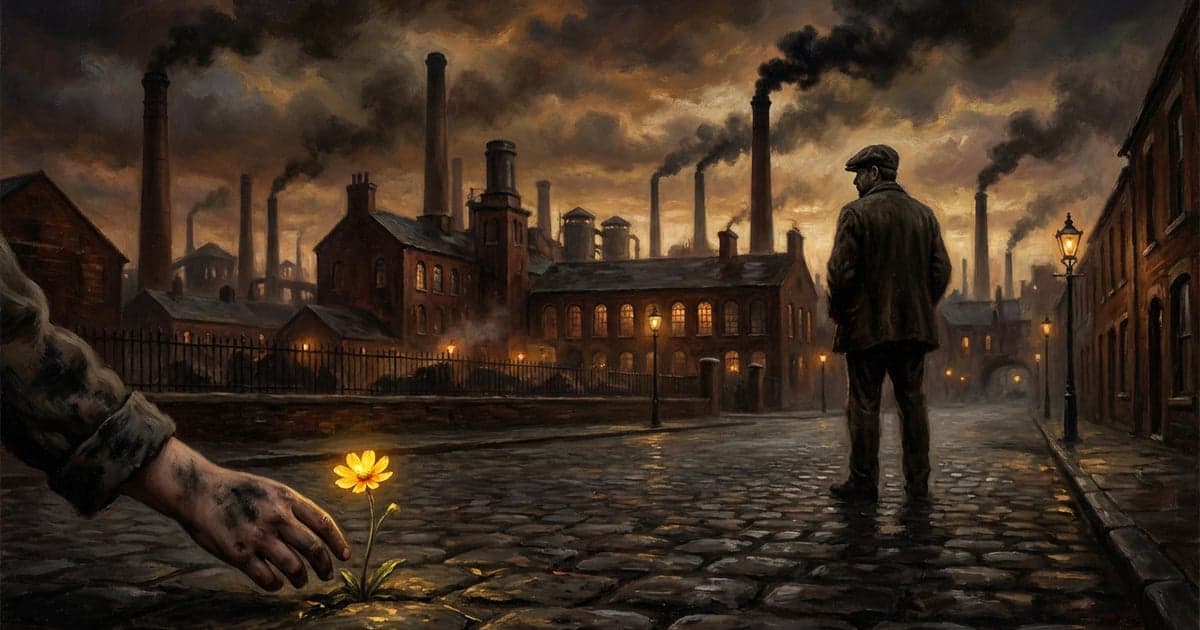
Dawn breaks over San Diego after the violent night, revealing a town hungry for answers but willing to accept comfortable lies. Through gossip flowing from window to window, Rizal shows us how truth gets twisted in the telling. What starts as confused whispers about gunshots becomes an elaborate story blaming Ibarra for trying to kidnap Maria Clara and kill all the Spaniards. The townspeople eagerly embrace this version because it confirms their prejudices about the 'corrupted' young man who went to Europe. Meanwhile, Ibarra's house smolders in the distance, a visible symbol of his fall from grace. The discovery of a hanged man adds another layer of mystery, but the real revelation comes through Elias's careful investigation. Disguised as a simple peasant, he examines both the suicide scene and the church sacristan, finding matching seeds that suggest the sacristan's involvement in darker deeds. This chapter masterfully demonstrates how communities process trauma by creating stories that protect their existing beliefs rather than confronting difficult truths. The contrast between the townspeople's gossip and Elias's methodical search for evidence shows two different approaches to understanding reality. Rizal reveals how those in power can manipulate public opinion while the truly observant work quietly to uncover what really happened.

Coming Up in Chapter 57

As the dust settles on San Diego's night of violence, the full consequences of the failed uprising become clear. The victors will write their version of history, but at what cost to those who dared to dream of change?

Share it with friends

Previous ChapterNext Chapter
GO ADS FREE — JOIN US
Original text
complete·2,290 words
R

umors and Beliefs

Day dawned at last for the terrified town. The streets near the barracks and the town hail were still deserted and solitary, the houses showed no signs of life. Nevertheless, the wooden panel of a window was pushed back noisily and a child's head was stretched out and turned from side to side, gazing about in all directions. At once, however, a smack indicated the contact of tanned hide with the soft human article, so the child made a wry face, closed its eyes, and disappeared. The window slammed shut.

But an example had been set. That opening and shutting of the window had no doubt been heard on all sides, for soon another window opened slowly and there appeared cautiously the head of a wrinkled and toothless old woman: it was the same Sister Puté who had raised such a disturbance while Padre Damaso was preaching. Children and old women are the representatives of curiosity in this world: the former from a wish to know things and the latter from a desire to recollect them.

1 / 14

Master this chapter. Complete your experience

Purchase the complete book to access all chapters and support classic literature

Read Free on GutenbergBuy at Powell'sBuy on Amazon

As an Amazon Associate, we earn a small commission from qualifying purchases at no additional cost to you.

Available in paperback, hardcover, and e-book formats

GO ADS FREE — JOIN US

Why This Matters

Connect literature to life

Skill: Detecting Community Gaslighting

This chapter teaches how to recognize when groups collectively create false narratives that protect their existing beliefs and power structures.

Practice This Today

This week, notice when workplace or family stories make everyone feel righteous while blaming one person - that's usually where the lie lives.

GO ADS FREE — JOIN US

Now let's explore the literary elements.

Key Quotes & Analysis

"Children and old women are the representatives of curiosity in this world: the former from a wish to know things and the latter from a desire to recollect them."

— Narrator

Context: Describing why Sister Puté is the first to look out her window after the violent night

Rizal identifies who drives information flow in communities - children seeking knowledge and elders preserving memory. This explains why gossip networks often start with these groups who have both time and motivation to observe.

In Today's Words:

Kids want to know what's happening, and old folks want to remember everything - that's why they're always the first to notice drama.

"What starts as confused whispers about gunshots becomes an elaborate story blaming Ibarra for trying to kidnap Maria Clara and kill all the Spaniards."

— Narrator

Context: Describing how the townspeople's gossip transforms the previous night's events

Shows how truth gets distorted through retelling, with each person adding details that fit their existing beliefs. The community creates a villain story that confirms their suspicions about the 'corrupted' Ibarra.

In Today's Words:

By the time the story goes around town, a simple incident becomes this whole conspiracy theory that makes the outsider the bad guy.

"The townspeople eagerly embrace this version because it confirms their prejudices about the 'corrupted' young man who went to Europe."

— Narrator

Context: Explaining why the false story about Ibarra spreads so quickly

Reveals how communities protect themselves from uncomfortable truths by accepting stories that validate their existing prejudices. Education and foreign influence are seen as corruption rather than progress.

In Today's Words:

People believe what they want to believe, especially when it proves they were right to be suspicious all along.

Thematic Threads

Truth vs. Comfort

In This Chapter

Townspeople create elaborate lies about Ibarra rather than face uncomfortable questions about their leaders and judgments

Development

Builds on earlier themes of deception, now showing how entire communities participate in self-deception

In Your Life:

You might find yourself accepting workplace gossip that blames victims rather than examining systemic problems.

Class Prejudice

In This Chapter

The community eagerly believes Ibarra became 'corrupted' by European education, confirming their suspicions about social mobility

Development

Continues the exploration of how class assumptions shape perception and justify social hierarchies

In Your Life:

You might catch yourself assuming someone who 'got above their station' deserves whatever bad happens to them.

Investigation vs. Gossip

In This Chapter

Elias methodically searches for evidence while townspeople spread increasingly elaborate rumors

Development

Introduces the contrast between careful truth-seeking and emotionally driven storytelling

In Your Life:

You might choose between asking hard questions about family dysfunction or accepting the comfortable family narrative.

Power and Manipulation

In This Chapter

Those in authority benefit from the false narrative that protects them from scrutiny

Development

Develops from earlier corruption themes to show how power structures use public opinion

In Your Life:

You might notice how management lets rumors spread about fired employees rather than addressing real workplace issues.

Social Memory

In This Chapter

The community creates a collective memory that serves their emotional needs rather than preserving what actually happened

Development

New theme exploring how groups construct shared narratives

In Your Life:

You might participate in family stories that make everyone feel better about painful events rather than processing what really occurred.

GO ADS FREE — JOIN US

You now have the context. Time to form your own thoughts.

Discussion Questions

  1. 1

    How does the story about Ibarra change as it spreads through the town, and what details get added along the way?

    analysis • surface
  2. 2

    Why do the townspeople prefer the gossip version of events over seeking out what actually happened?

    analysis • medium
  3. 3

    Where have you seen communities choose a comfortable lie over an uncomfortable truth in your own life or workplace?

    application • medium
  4. 4

    When you hear gossip or rumors, what strategies could you use to separate facts from speculation like Elias does?

    application • deep
  5. 5

    What does this chapter reveal about how people protect their existing beliefs when faced with confusing or threatening events?

    reflection • deep

Critical Thinking Exercise

10 minutes

Track the Truth vs. the Story

Think of a recent situation where you heard conflicting versions of the same event - maybe workplace drama, family conflict, or news coverage. Write down what you actually know happened versus what people are saying happened. Then identify what emotional needs each version of the story serves for the people telling it.

Consider:

  • •What facts can you verify versus what requires you to trust someone's interpretation?
  • •How does each version of the story make the teller look good or confirm their existing beliefs?
  • •What would change if you approached this situation like Elias - looking for concrete evidence rather than accepting popular narratives?

Journaling Prompt

Write about a time when you realized you had been believing a comfortable story instead of facing a harder truth. What made you finally see the reality, and how did that change your approach to similar situations?

GO ADS FREE — JOIN US

Coming Up Next...

Chapter 57: The Price of Resistance

As the dust settles on San Diego's night of violence, the full consequences of the failed uprising become clear. The victors will write their version of history, but at what cost to those who dared to dream of change?

Continue to Chapter 57
Previous
When Everything Falls Apart
Contents
Next
The Price of Resistance

Continue Exploring

Noli Me Tángere Study GuideTeaching ResourcesEssential Life IndexBrowse by ThemeAll Books
Social Class & StatusPower & CorruptionMoral Dilemmas & Ethics

You Might Also Like

Jane Eyre cover

Jane Eyre

Charlotte Brontë

Explores personal growth

Great Expectations cover

Great Expectations

Charles Dickens

Explores personal growth

The Strange Case of Dr Jekyll and Mr Hyde cover

The Strange Case of Dr Jekyll and Mr Hyde

Robert Louis Stevenson

Explores personal growth

Don Quixote cover

Don Quixote

Miguel de Cervantes Saavedra

Explores personal growth

Browse all 47+ books

Share This Chapter

Know someone who'd enjoy this? Spread the wisdom!

TwitterFacebookLinkedInEmail

Read ad-free with Prestige

Get rid of ads, unlock study guides and downloads, and support free access for everyone.

Subscribe to PrestigeCreate free account
Intelligence Amplifier
Intelligence Amplifier™Powering Wide Reads

Exploring human-AI collaboration through books, essays, and philosophical dialogues. Classic literature transformed into navigational maps for modern life.

2025 Books

→ The Amplified Human Spirit→ The Alarming Rise of Stupidity Amplified→ San Francisco: The AI Capital of the World
Visit intelligenceamplifier.org
hello@widereads.com

WideReads Originals

→ You Are Not Lost→ The Last Chapter First→ The Lit of Love→ Wealth and Poverty→ 10 Paradoxes in the Classics · coming soon
Arvintech
arvintechAmplify your Mind
Visit at arvintech.com

Navigate

  • Home
  • Library
  • Essential Life Index
  • How It Works
  • Subscribe
  • Account
  • About
  • Contact
  • Authors
  • Suggest a Book
  • Landings

Made For You

  • Students
  • Educators
  • Families
  • Readers
  • Literary Analysis
  • Finding Purpose
  • Letting Go
  • Recovering from a Breakup
  • Corruption
  • Gaslighting in the Classics

Newsletter

Weekly insights from the classics. Amplify Your Mind.

Legal

  • Privacy Policy
  • Terms of Service
  • Cookie Policy
  • Accessibility

Why Public Domain?

We focus on public domain classics because these timeless works belong to everyone. No paywalls, no restrictions—just wisdom that has stood the test of centuries, freely accessible to all readers.

Public domain books have shaped humanity's understanding of love, justice, ambition, and the human condition. By amplifying these works, we help preserve and share literature that truly belongs to the world.

A Pilgrimage

Powell's City of Books

Portland, Oregon

If you ever find yourself in Portland, walk to the corner of Burnside and 10th. The building takes up an entire city block. Inside is over a million books, new and used on the same shelf, organized by color-coded rooms with names like the Rose Room and the Pearl Room. You can lose an afternoon. You can lose a weekend. You will find a book you have been looking for your whole life, and three you did not know existed.

It is a pilgrimage. We cannot find a bookstore like it anywhere on earth. If you read the classics, and you ever get the chance, go. It belongs on every reader's bucket list.

Visit powells.com

We are not in any way affiliated with Powell's. We are just a very big fan.

© 2026 Wide Reads™. All Rights Reserved.

Intelligence Amplifier™ and Wide Reads™ are proprietary trademarks of Arvin Lioanag.

Copyright Protection: All original content, analyses, discussion questions, pedagogical frameworks, and methodology are protected by U.S. and international copyright law. Unauthorized reproduction, distribution, web scraping, or use for AI training is strictly prohibited. See our Copyright Notice for details.

Disclaimer: The information provided on this website is for general informational and educational purposes only and does not constitute professional, legal, financial, or technical advice. While we strive to ensure accuracy and relevance, we make no warranties regarding completeness, reliability, or suitability. Any reliance on such information is at your own risk. We are not liable for any losses or damages arising from use of this site. By using this site, you agree to these terms.