Chapter 10
The Town and Its Dark Secret
The Town Almost on the margin of the lake, in the midst of meadows and paddy-fields, lies the town of San Diego. [50] From it sugar, rice, coffee, and fruits are either exported or sold for a small part of their value to the Chinese, who exploit the simplicity and vices of the native farmers. When on a clear day the boys ascend to the upper part of the church tower, which is beautified by moss and creeping plants, they break out into joyful exclamations at the beauty of the scene spread out before them. In the midst of the…
Public-domain chapter text, formatted for reading.
Master this chapter. Complete your experience
Purchase the complete book to access all chapters and support classic literature

Available in paperback, hardcover, and e-book formats
Now let's explore the literary elements.
Key Quotes & Analysis
"who exploit the simplicity and vices of the native farmers."
Context: Describing Chinese middlemen in San Diego's trade
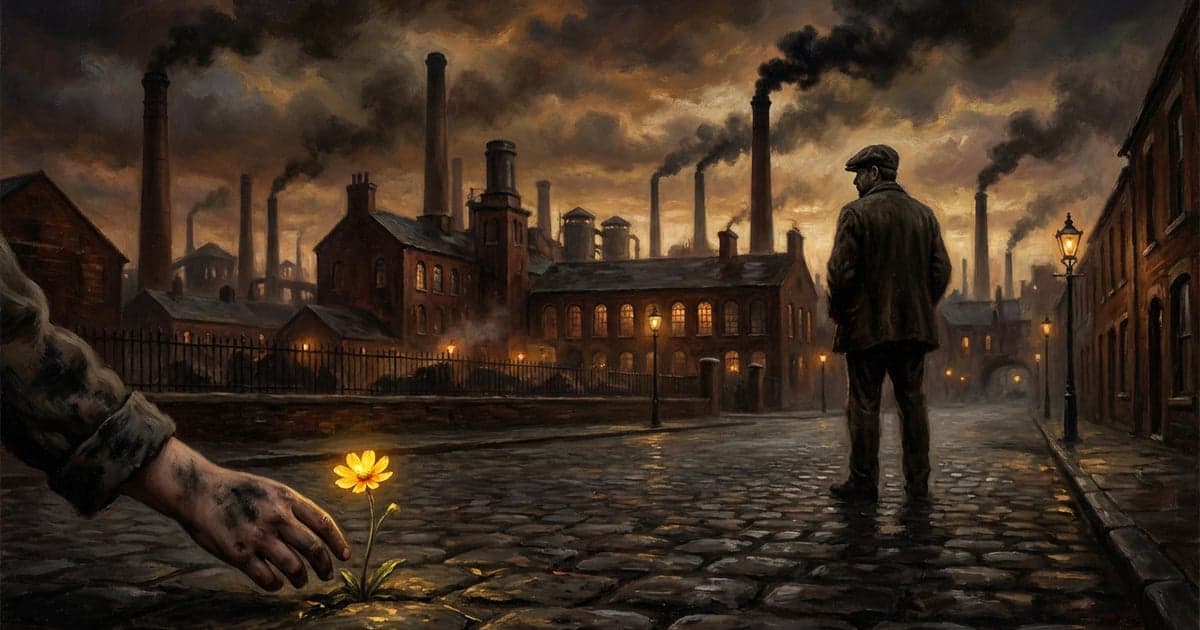
Before the pretty view, Rizal names exploitation. Export agriculture depends on buyers who profit from farmers' weakness.
In Today's Words:
The town's prosperity includes merchants who underpay people because they know desperation sells cheap. The same pattern still appears when corrupt institutions punish honesty, reward flattery, and teach people to mistake cruelty for order or tradition. The same pattern still appears when corrupt institutions punish honesty, reward flattery, and teach people to mistake cruelty for
"Everything serves as a mark: a tree, that tamarind with its light foliage,"
Context: Panorama from the church tower
The idyllic map of roofs and trees invites belonging, yet it also shows how tightly everyone is watched and known in a small town.
In Today's Words:
From above each home is recognizable, a comfort that can feel like surveillance when power turns hostile. The same pattern still appears when corrupt institutions punish honesty, reward flattery, and teach people to mistake cruelty for order or tradition. The same pattern still appears when corrupt institutions punish honesty, reward flattery, and teach people to
"The old man! The old man!"
Context: Fleeing the haunted wood
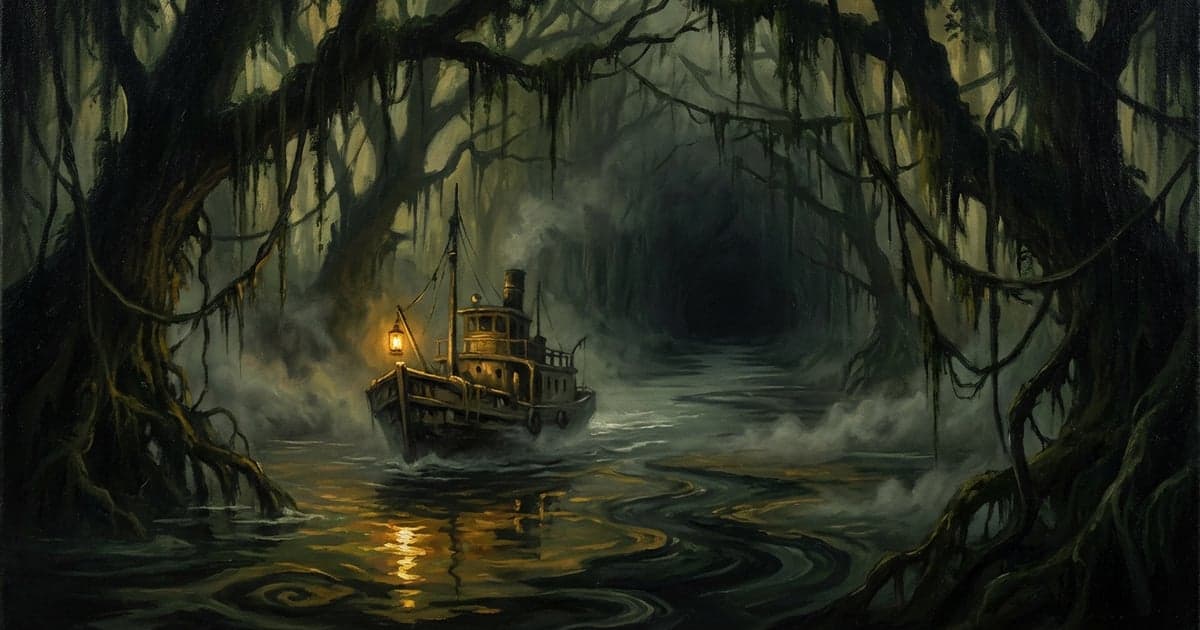
Legend gives voice to collective fear of colonial origins. The hanging Spaniard becomes a ghost that guards the family's land.
In Today's Words:
Boys shout about a specter when stones fly, turning real history into superstition that still controls behavior. The same pattern still appears when corrupt institutions punish honesty, reward flattery, and teach people to mistake cruelty for order or tradition. The same pattern still appears when corrupt institutions punish honesty, reward flattery, and teach people to
"Fray Damaso came."
Context: Closing the town's origin story
Rizal ends pastoral history with the friar's arrival, linking San Diego's growth to church rule that will break Rafael Ibarra.
In Today's Words:
The sentence lands like a door closing: progress met the institution that will poison the Ibarra line. The same pattern still appears when corrupt institutions punish honesty, reward flattery, and teach people to mistake cruelty for order or tradition. The same pattern still appears when corrupt institutions punish honesty, reward flattery, and teach people to
Thematic Threads
Class
In This Chapter
The town's prosperity depends on exploiting farmers through Chinese middlemen who profit from local desperation
Development
Builds on earlier class tensions, now showing the economic machinery that maintains inequality
In Your Life:
You might notice how your workplace celebrates teamwork while certain people always get the worst assignments.
Identity
In This Chapter
The Ibarra family identity as respectable landowners masks their origins in mystery and possible violence
Development
Deepens Crisostomo's character by revealing his family's buried history
In Your Life:
You might discover your own family's success stories leave out important details about who paid the price.
Hidden Power
In This Chapter
Real economic control lies with middlemen who remain invisible while farmers and landowners get the credit or blame
Development
Introduced here as a new layer of colonial exploitation
In Your Life:
You might realize the people making decisions about your life often aren't the ones with official titles.
Collective Memory
In This Chapter
The town remembers the forest as haunted but forgets the economic exploitation that continues daily
Development
Introduced here - communities choose what to remember and what to forget
In Your Life:
You might notice how your community talks endlessly about certain problems while completely ignoring others.
Inherited Guilt
In This Chapter
Crisostomo inherits not just wealth but the moral weight of how that wealth was created
Development
Sets up future moral conflicts for the protagonist
In Your Life:
You might struggle with benefits you've received that came at someone else's expense.
You now have the context. Time to form your own thoughts.
Discussion Questions
This is not a test. Five prompts guide you through the chapter, from how it opens to how it closes, so you notice context and rhythm rather than facts to memorize. Sit with each question in your own words. When you see "One way to read it," treat it as a starting point, not the only answer.
- 1
Why does Rizal begin describing San Diego from the church tower viewpoint?
analysis • surfaceOne way to read it
The panorama creates intimacy: each home is visible and known. It also places the church at the center of how the town sees itself.
- 2
How does the Chinese trade relationship complicate the town's idyllic image?
analysis • mediumOne way to read it
Farmers produce wealth but receive little because middlemen exploit their simplicity. Beauty on the lake masks economic dependence.
- 3
What role does the haunted wood play in the Ibarra family history?
application • mediumOne way to read it
The suicide and legend surround land Don Saturnino developed, linking Crisostomo's inheritance to violence and fear before Damaso arrives.
- 4
Why end the chapter with the sentence that Fray Damaso came?
application • deepOne way to read it
Rizal turns pastoral history toward conflict. The town's growth culminates in friar rule that will destroy Don Rafael and threaten the son.
- 5
What place from your experience looks peaceful until you learn its history?
reflection • deepOne way to read it
Strong answers name a neighborhood, campus, or landmark with a buried story of removal, labor abuse, or violence. Rizal asks readers to carry both views at once.
Critical Thinking Exercise
Map Your Community's Hidden Story
Choose a place you know well - your workplace, neighborhood, school, or hometown. First, write down the 'beautiful story' this place tells about itself (mission statements, welcome signs, promotional materials). Then dig deeper: what uncomfortable questions never get asked? Who really benefits from how things are set up? What would someone from 50 years ago recognize that's been forgotten or rewritten?
Consider:
- •Look for patterns in who gets hired, promoted, or heard in decision-making
- •Notice which problems persist despite repeated promises to fix them
- •Pay attention to whose stories get celebrated and whose get ignored
Journaling Prompt
Write about a time when you discovered that a place or organization you trusted wasn't quite what it seemed on the surface. How did this change how you navigate similar situations now?
Coming Up Next...
Chapter 11: The Real Powers Behind the Throne
Now that we understand the town's dark foundations, we'll meet the people who currently hold power in San Diego. The rulers who control this community will reveal how colonial authority actually operates at the local level.