Master this chapter. Complete your experience
Purchase the complete book to access all chapters and support classic literature
As an Amazon Associate, we earn a small commission from qualifying purchases at no additional cost to you.
Available in paperback, hardcover, and e-book formats
Why This Matters
Connect literature to life
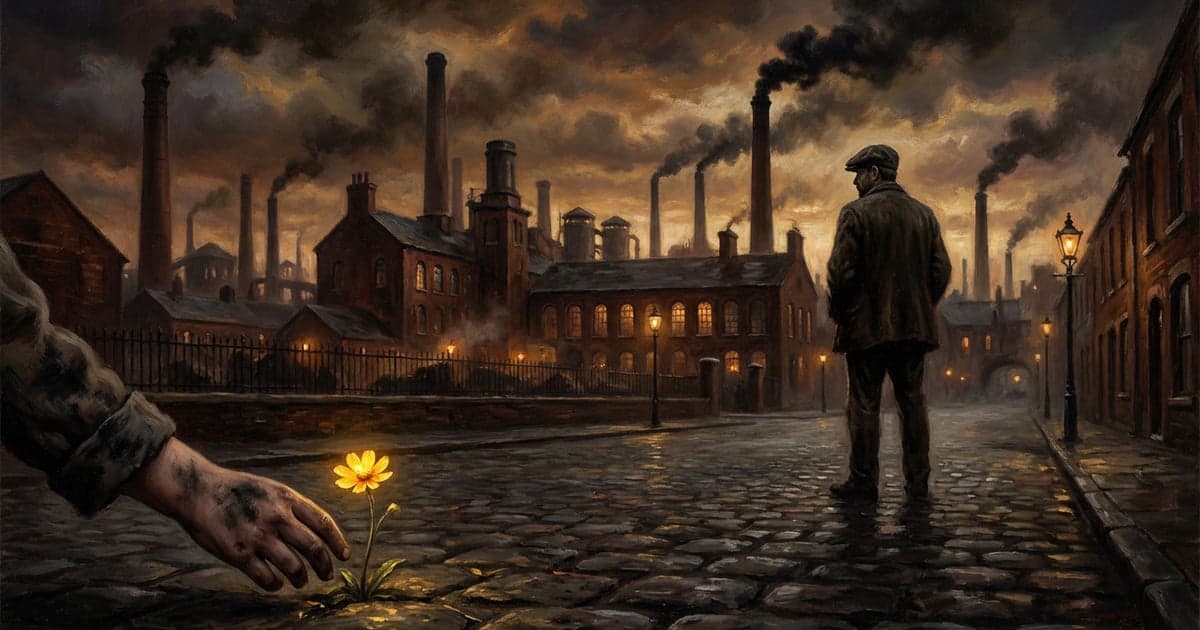
This chapter teaches how corrupt systems turn your positive qualities into evidence against you when you threaten their power.
Practice This Today
This week, notice when someone reframes your strengths as problems—your thoroughness becomes 'obsessive,' your questions become 'difficult,' your success becomes 'suspicious.'
Now let's explore the literary elements.
Key Quotes & Analysis
"How slowly everything moves"
Context: Walking through Manila streets that look exactly the same as seven years ago
This reveals Ibarra's growing awareness that while he's changed and grown during his European education, the Philippines remains trapped in the same corrupt, stagnant system. The physical unchanged-ness of the streets mirrors the unchanged corruption.
In Today's Words:
Nothing ever changes around here
"They called him a filibuster, a heretic, an enemy of God and Spain"
Context: Explaining how Don Rafael's enemies destroyed him with false accusations
Shows how corrupt systems use moral and patriotic language to destroy good people. The accusations are designed to make defense impossible - how do you prove you're not an enemy of God?
In Today's Words:
They painted him as a terrorist and traitor who hated America and Christianity
"The lawyer was good, but his client was poor - poor in friends, poor in protection"
Context: Explaining why Don Rafael lost despite having a strong legal case
Reveals that justice isn't about evidence or law, but about power and connections. Even with the best legal representation, those without political protection are doomed in a corrupt system.
In Today's Words:
Having a good lawyer doesn't matter if you don't have the right connections
Thematic Threads
Institutional Corruption
In This Chapter
The colonial system systematically destroys Don Rafael by twisting legal processes, manufacturing evidence, and turning his virtues into crimes
Development
Introduced here as the driving force behind the tragedy
In Your Life:
You might see this when workplace politics target the most competent employees or when family systems scapegoat the truth-teller
Class Warfare
In This Chapter
Don Rafael's wealth and education make him a target—his very success threatens those who profit from keeping others down
Development
Builds on earlier hints about social tensions and resentment
In Your Life:
You might experience this when your achievements make others uncomfortable or when success changes how people treat you
Betrayal
In This Chapter
Neighbors, officials, and priests who once benefited from Don Rafael's generosity turn against him when it becomes profitable
Development
Introduced here as a shocking revelation of human nature
In Your Life:
You might see this when crisis reveals who your real friends are, or when people abandon you the moment supporting you becomes inconvenient
Truth vs. Power
In This Chapter
Facts become irrelevant when powerful people decide someone must be destroyed—the truth can't compete with coordinated lies
Development
Introduced here as the central conflict
In Your Life:
You might encounter this in workplace investigations, family disputes, or any situation where admitting the truth would embarrass those in charge
Inherited Consequences
In This Chapter
Ibarra inherits not just his father's death but the enemies and reputation that come with it—the son pays for the father's virtue
Development
Introduced here, setting up Ibarra's future challenges
In Your Life:
You might face this through family reputation, neighborhood history, or workplace dynamics that existed before you arrived
You now have the context. Time to form your own thoughts.
Discussion Questions
- 1
What specific evidence did Don Rafael's enemies use against him, and how did they twist his good qualities into crimes?
analysis • surface - 2
Why do you think corrupt systems target people with strong moral principles rather than ignoring them?
analysis • medium - 3
Where have you seen someone's strengths get turned against them in your workplace, school, or community?
application • medium - 4
If you were in Don Rafael's position today, what would you do differently to protect yourself while still standing up for what's right?
application • deep - 5
What does this chapter reveal about the relationship between power, fear, and the need to destroy what threatens you?
reflection • deep
Critical Thinking Exercise
Strength Inventory and Protection Plan
List three of your strongest qualities or values that you're known for. For each one, write down how someone with bad intentions could potentially twist that strength into something negative. Then brainstorm one specific way you could protect that strength while still using it positively.
Consider:
- •Think about qualities that make you stand out or that others frequently comment on
- •Consider how your strengths might threaten people who benefit from the status quo
- •Focus on practical protection strategies, not changing who you are
Journaling Prompt
Write about a time when one of your positive qualities was misinterpreted or used against you. How did you handle it, and what would you do differently now?
Coming Up Next...
Chapter 5: A Star in a Dark Night
Devastated by the truth about his father's death, Ibarra retreats to process this revelation. But in the darkness of his grief, an unexpected encounter may offer the first glimmer of hope and human connection he desperately needs.