
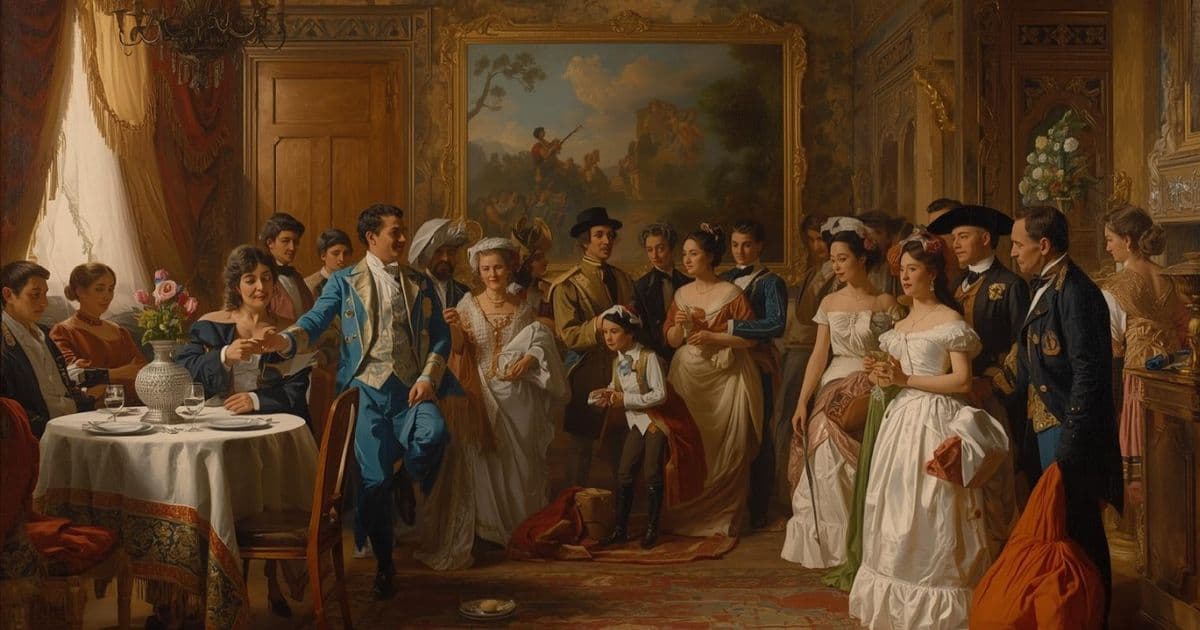
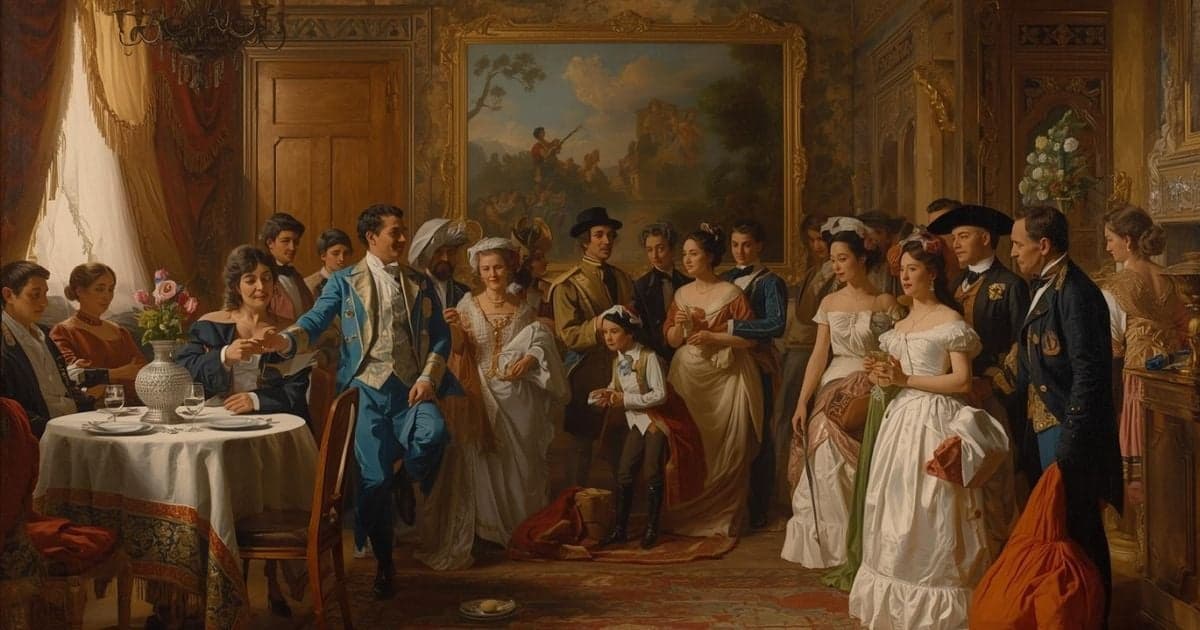
Noli Me Tangere
Colonial Identity and Belonging
Learning that Don Rafael lies outside the cemetery wall forces Ibarra to see his homeland with new eyes. The Europe that taught him progress also left him unprepared for how quickly honour becomes a friar
The Pattern
Under colonial rule, identity is never private. Ibarra must be grateful native and dangerous intellectual; Maria Clara must be saint and bargaining chip; Victorina must bleach away her past; Consolacion must punish those who mirror her origins. Rizal shows belonging as something administered: friars, fathers, and gossip decide who is pure, who is mad, who is marriageable, who is expendable. The novel's heartbreak is not only political; it is the impossibility of living one coherent self inside rules written by conquerors.
Split Selves
Europe opens horizons the colony punishes. Home demands loyalty tests the educated cannot pass without silence. Many characters survive by performing versions of themselves that hate each other by daylight.
Choosing Yourself
Tasio's honesty, Elias's sacrifice, Maria Clara's convent ultimatum, and Basilio inheriting purpose each refuse a script. Integrity under empire often looks like exile, madness, or death because the system prices coherence above all.
The Journey Through Chapters
The Prodigal Who No Longer Fits
Ibarra's homecoming should be triumph, yet every greeting measures how European years have altered him. He is still Capitan Tiago's guest of honour and already a suspect because education abroad breeds questions at home.
The Prodigal Who No Longer Fits
Noli Me Tángere - Chapter 2
Key Insight
Returning changed can feel like betrayal to people who never left. Colonial identity fractures when love of country requires performing ignorance you no longer possess.
A Father Erased from Sacred Ground
Learning that Don Rafael lies outside the cemetery wall forces Ibarra to see his homeland with new eyes. The Europe that taught him progress also left him unprepared for how quickly honour becomes a friar's footnote.
A Father Erased from Sacred Ground
Noli Me Tángere - Chapter 4
Key Insight
Identity shock often arrives at a grave. When the state rewrites your family's story, you discover which citizenship was always conditional.
Tasio, the Mad Sage
The town calls Tasio insane because he reads too much and speaks too plainly. His solitude is the price of refusing to pretend the colony is just. Ibarra recognizes a future self in the laughing philosopher.
Tasio, the Mad Sage
Noli Me Tángere - Chapter 14
Key Insight
Colonial societies punish people who cannot perform gratitude. Being labelled mad is sometimes the certificate that you stopped lying to survive.
Memory on the Azotea
Childhood letters and moonlit gardens reconnect Ibarra to Maria Clara, but even love is scheduled by fathers, friars, and racial hierarchy. Nostalgia collides with the knowledge that innocence was always supervised.
Memory on the Azotea
Noli Me Tángere - Chapter 20
Key Insight
Private identity buckles under public scripts. You can remember who you were while discovering you no longer fit the role your class was written to play.
Doña Consolacion's Lost Tongue
The alferez's wife cannot pronounce her own country correctly and tortures Sisa to feel Spanish. Caught between washerwoman origins and borrowed cruelty, she embodies colonial self-hatred turned outward.
Doña Consolacion's Lost Tongue
Noli Me Tángere - Chapter 35
Key Insight
Empire creates identities that must be constantly defended. When belonging is borrowed from the oppressor, the colonized often attack those who remind them what was surrendered.
Victorina Performs Spain
Doña Victorina bleaches, frizzes, and scolds her lame husband into Andalusian fantasy while Linares arrives as Madrid's answer to every prayer. Identity becomes costume measured in accent, surname, and contempt for other Filipinos.
Victorina Performs Spain
Noli Me Tángere - Chapter 42
Key Insight
Performative belonging trades authenticity for proximity to power. The cruelty is not only toward others; it is toward the self that must be erased nightly to keep the performance alive.
Gossip Replaces History
After the uprising San Diego invents versions of the night: Chinamen rebelled, Ibarra kidnapped Maria Clara, cuadrilleros mutinied. No story matches another because truth is less useful than a villain the town can stone.
Gossip Replaces History
Noli Me Tángere - Chapter 56
Key Insight
Colonial communities often metabolize trauma as rumour. When official history is friar-shaped, people forge identity from whichever lie lets them sleep.
Love That Destroys What It Claims
Damaso confesses he ruined lives to spare Maria Clara colonial humiliation, adoring her as the daughter he could not acknowledge. Her ultimatum, nunnery or death, is the only identity left that friar and father cannot schedule.
Love That Destroys What It Claims
Noli Me Tángere - Chapter 62
Key Insight
Identity under empire is negotiated by those with power over your body, name, and lineage. Choosing the convent is Maria Clara's refusal to let others finish writing her story.
Why This Matters Today
Diaspora kids, first-generation professionals, and anyone who crosses class or country lines still live Rizal's plot: you return with new language and get accused of arrogance; you stay and get called unfinished; you code-switch until none of the versions feel true.
Colonial identity work is learning which performances keep you safe, which cost your soul, and when belonging must be built with people who do not require you to amputate your past. Rizal's gift is making that ache visible so it cannot be dismissed as private weakness.