
Chapter 05
A Star in a Dark Night
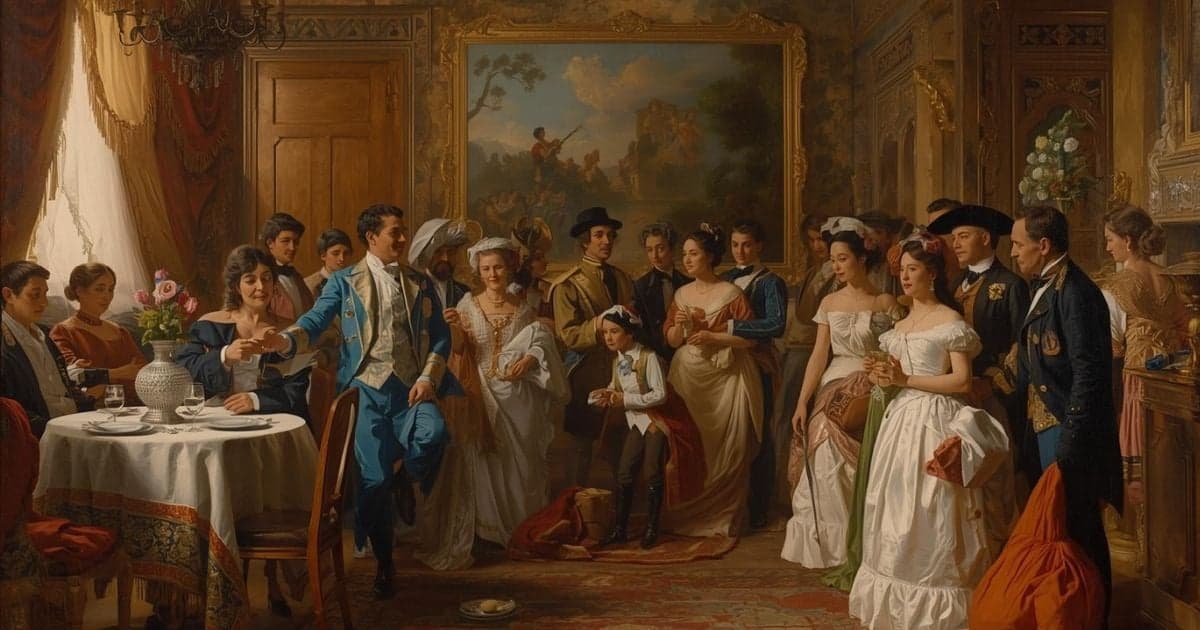
A Star in a Dark Night Ibarra went to his room, which overlooked the river, and dropping into a chair gazed out into the vast expanse of the heavens spread before him through the open window. The house on the opposite bank was profusely lighted, and gay strains of music, largely from stringed instruments, were borne across the river even to his room. If the young man had been less preoccupied, if he had had more curiosity and had cared to see with his opera glasses what was going on in that atmosphere of light, he would have been charmed…
Public-domain chapter text, formatted for reading.
Critical Thinking Exercise
Map Your Parallel Realities
Think of a time when you couldn't fully engage with something good happening because a painful memory kept pulling your attention away. Draw two circles on paper - one representing the present moment you were physically in, and another representing the past moment your mind kept returning to. In each circle, write what was happening, what you were feeling, and which reality felt more 'real' to you at the time.
Consider:
- •Notice how trauma doesn't just create memories - it creates competing versions of reality
- •Consider how the past moment might have felt more vivid than what was actually happening around you
- •Think about what anchoring techniques might have helped you stay present
Journaling Prompt
Write about what it would look like to acknowledge both realities - honouring your pain while also reclaiming your right to experience joy in the present moment.
Master this chapter. Complete your experience
Purchase the complete book to access all chapters and support classic literature

Available in paperback, hardcover, and e-book formats
You Might Also Like




Lessons from Noli Me Tángere
Theme-by-theme analyses that connect this book to modern life skills.
Colonial Identity and Belonging
Navigate colonial identity in Noli Me Tángere. Rizal chapters on returning home changed, performing belonging, and split loyalties under empire.
8 chapters·Explore AnalysisNavigating Colonial Power
Read the dinner table, the Governor-General's handshake, and the planted letters as a map of who can actually ruin you.
7 chapters·Explore AnalysisLimits of Education as Reform
See Ibarra's Europe, Tasio's books, and the schoolhouse meet the same fact: knowledge does not dismantle a hierarchy that profits from ignorance.
7 chapters·Explore AnalysisRecognizing Religious Hypocrisy
Name the sermon that blesses the cornerstone, the confession that stores María Clara's secrets, and piety sold by the candle.
7 chapters·Explore AnalysisExposing Systemic Corruption
Watch Damaso collect rent in a cassock, burial fees that are voluntary until you refuse, and a courtroom that prices a verdict.
7 chapters·Explore AnalysisStrategic Resistance
Hear Elias warn that a school will not outvote a fuse, then watch him spend his body so Ibarra can leave the lake.
7 chapters·Explore AnalysisProtecting Dignity Under Oppression
Stay with Sisa looking for a son the convent has already spent, and María Clara choosing the veil over a smile she cannot mean.
7 chapters·Explore Analysis
Deep diving the literary elements.