Master this chapter. Complete your experience
Purchase the complete book to access all chapters and support classic literature
As an Amazon Associate, we earn a small commission from qualifying purchases at no additional cost to you.
Available in paperback, hardcover, and e-book formats
Why This Matters
Connect literature to life
This chapter teaches you to recognize when someone's hostility toward you is actually rage they can't express toward their real target.
Practice This Today
This week, notice when someone seems disproportionately angry at you—ask yourself who they might really be mad at but can't confront safely.
Now let's explore the literary elements.
Key Quotes & Analysis
"The house showed neither lanterns nor banners and was gloomy precisely because the town was making merry"
Context: Describing how Consolacion's house remains dark during the town celebration
This shows how isolation and resentment grow when someone is excluded from community joy. The darkness represents both literal exclusion and the emotional state of those cut off from belonging.
In Today's Words:
While everyone else was celebrating, their house stayed dark and miserable
"She was dressed as usual, that is, badly and horribly"
Context: Describing Consolacion's appearance as she sits alone
This brutal description shows how colonial society has stripped away her dignity and self-care. Her appearance reflects her internal destruction and social rejection.
In Today's Words:
She looked like a mess, as always
"Dance, dance, or I'll whip you!"
Context: Forcing the mad Sisa to dance for her entertainment
This moment captures the cruelty that flows downward in oppressive systems. Consolacion, powerless in her marriage, becomes a torturer when she finds someone more vulnerable.
In Today's Words:
Do what I say or I'll hurt you!
Thematic Threads
Power
In This Chapter
Consolacion exercises the only power she has—over someone more vulnerable than herself
Development
Evolved from earlier displays of Spanish colonial power to show how oppression creates oppressors
In Your Life:
You might recognize this when you feel powerless at work but find yourself being harsh with family members at home
Identity
In This Chapter
Consolacion has lost her native language and culture but is rejected by Spanish society
Development
Builds on themes of characters struggling between traditional and colonial identities
In Your Life:
You might see this in feeling caught between different worlds—family expectations versus personal goals, or old community versus new opportunities
Class
In This Chapter
The brutal hierarchy where even the oppressed find someone beneath them to oppress
Development
Shows how colonial class systems create multiple levels of exploitation
In Your Life:
You might notice this in workplace dynamics where everyone has someone they can look down on or blame
Abuse
In This Chapter
Domestic violence between the alferez and Consolacion, then Consolacion's torture of Sisa
Development
Demonstrates how abuse cycles through social systems from powerful to powerless
In Your Life:
You might recognize this pattern when stress or mistreatment in one area of life makes you more likely to be harsh in another
Social Expectations
In This Chapter
Consolacion is forbidden from attending mass due to her 'inappropriate' appearance and status
Development
Continues exploring how social rules exclude and humiliate people
In Your Life:
You might experience this when feeling excluded from social events or professional opportunities due to background or appearance
You now have the context. Time to form your own thoughts.
Discussion Questions
- 1
Why does Doña Consolacion torture Sisa instead of confronting her husband who actually mistreats her?
analysis • surface - 2
How does Consolacion's loss of her native language connect to her cruel behavior toward other Filipinos?
analysis • medium - 3
Where do you see this 'abuse flows downhill' pattern in modern workplaces, schools, or families?
application • medium - 4
When you're feeling powerless or mistreated, how can you avoid taking it out on people who don't deserve it?
application • deep - 5
What does Consolacion's story teach us about how oppression changes people, and can those changes be reversed?
reflection • deep
Critical Thinking Exercise
Track the Chain of Pain
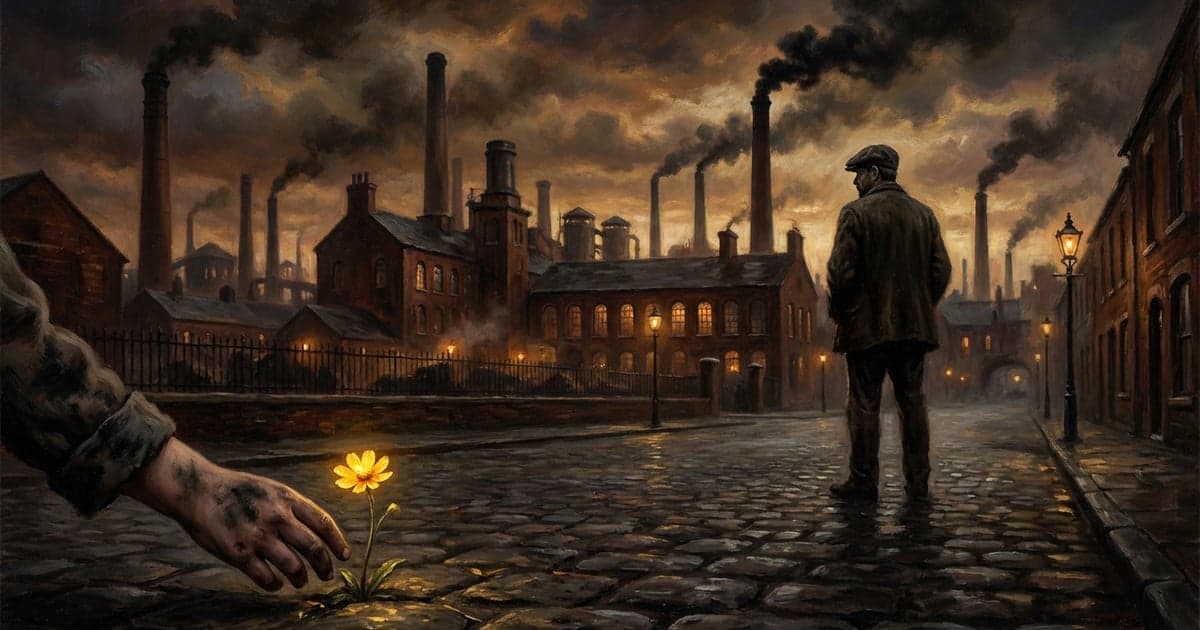
Draw a simple chain showing how pain flows from one person to another in this chapter. Start with who has the most power and trace it down to who has the least. Then think about a chain of frustration or anger you've witnessed recently - maybe at work, in your family, or in public. Map out that real-life chain the same way.
Consider:
- •Notice how each person in the chain feels justified in their anger
- •Identify where the chain could have been broken by someone choosing differently
- •Consider what the person at the bottom of the chain might do with their pain
Journaling Prompt
Write about a time when you either redirected your frustration onto someone who didn't deserve it, or when someone took their bad day out on you. How could that situation have been handled differently?
Coming Up Next...
Chapter 40: When Authority Clashes with Community
The aftermath of the night's violence will ripple through the town as questions of right and might come to the forefront. The alferez must face consequences for his wife's accusations, while the community grapples with the abuse of power they've witnessed.