
Chronicle II · Wide Reads Press
Reframe
When the same facts mean something different
Arvin Lioanag · 52 installments
“We live in comfortable denial about time's passage until reality forces brutal recognition of how much has actually changed.”
— Seneca, Letters from a Stoic
About this chronicle
Reframe is not optimism. It is the harder act of letting the same set of facts arrange themselves into a different truth. The stones of your estate are crumbling. The person you called enemy was protecting something you had not named. The failure you wore as shame was the beginning of the only work that mattered.
Literature specializes in this turn. Gulliver meets the dead and learns that official history crowned cowards. Teresa writes rapture as fortification, not spectacle. Ecclesiastes calls vanity vanity, then calls the ordinary day a gift. The facts did not change. The witness did.
This chronicle records those turns in lived time — not as advice, but as the slow click when a season you thought was punishment reveals itself as preparation, or when the story you were performing runs out of audience and something truer has to be said.
Earlier installments
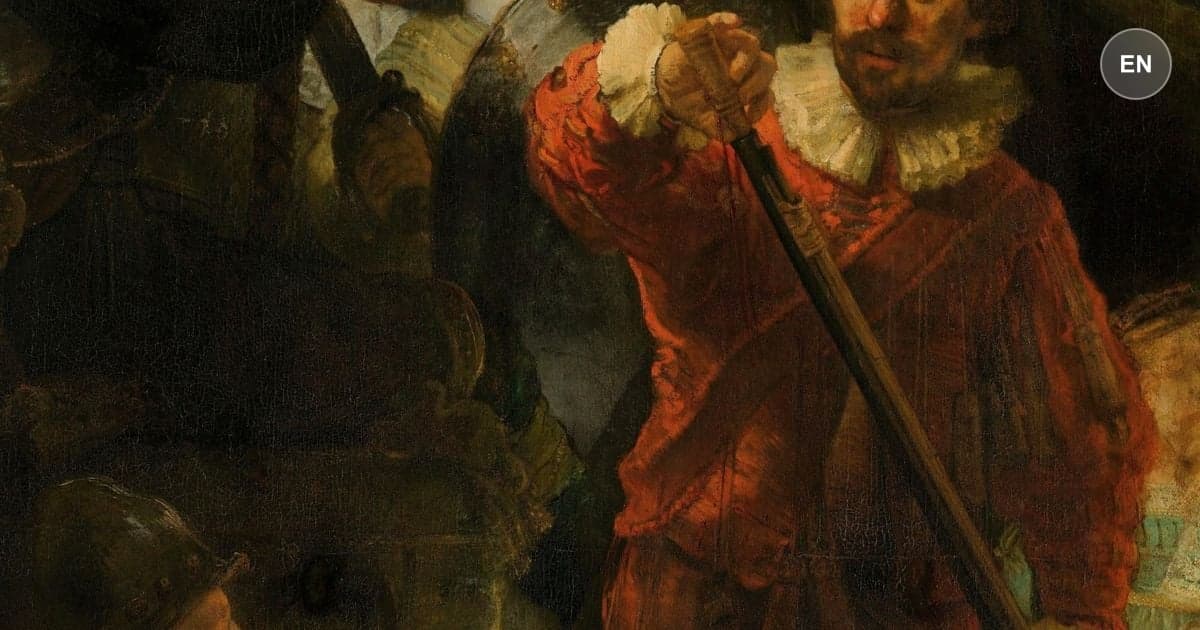
Installment 52
The Three Musketeers is not a friendship story. Dumas never wrote one.

Installment 51
Metamorphoses is not a lesson in change. Ovid never wrote one.
Installment 50
Villette is not another Jane Eyre. Brontë never wrote one.

Installment 49
The Book of Job is not a patience story. The writer never wrote one.
Installment 48
The Interior Castle is not a tour of rapture. Teresa wrote a fortification.

Installment 47
Dark Night of the Soul is not a name for depression. John of the Cross never wrote one.
Installment 46
Heart of Darkness is not a journey into the jungle. Conrad opens it on the Thames.

Installment 45
The Blue Castle is not a reward for a death sentence. Montgomery wrote the wrong letter.

Installment 44
Northanger Abbey is not a warning against novels. Austen never wrote one.
Installment 43
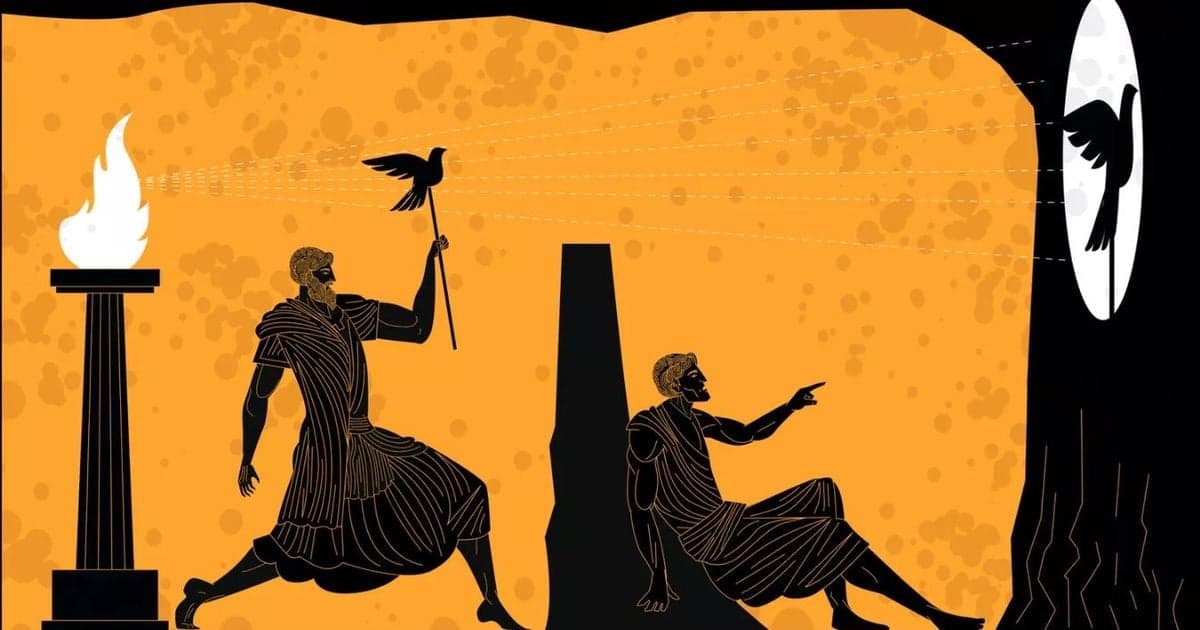
The Republic is not a plan for a perfect city. Plato builds the city so a soul can be seen.

Installment 42
Siddhartha is not an enlightenment manual. Hesse never wrote one.
Installment 41
Notes from Underground is not a freedom story. Dostoevsky never wrote one.
Installment 40
Noli Me Tángere is not a love story. José Rizal never wrote one.
Installment 39
War and Peace is not a Napoleon epic. Tolstoy never wrote one.
Installment 38
Persuasion is not a firmness story. Jane Austen never wrote one.
Installment 37
The Scarlet Letter is not an adultery story. Hawthorne never wrote one.
Installment 36
Fathers and Sons is not a generation-gap story. Turgenev never wrote one.

Installment 35
Evelina is not a comedy of manners. Burney never wrote one.
Installment 34
The Great Gatsby is not an American Dream story. Fitzgerald never wrote one.
Installment 33
Robinson Crusoe is not a story about a man alone. Defoe never wrote one.

Installment 32
Richard III is not a story about discontent. Shakespeare never wrote one.
Installment 31
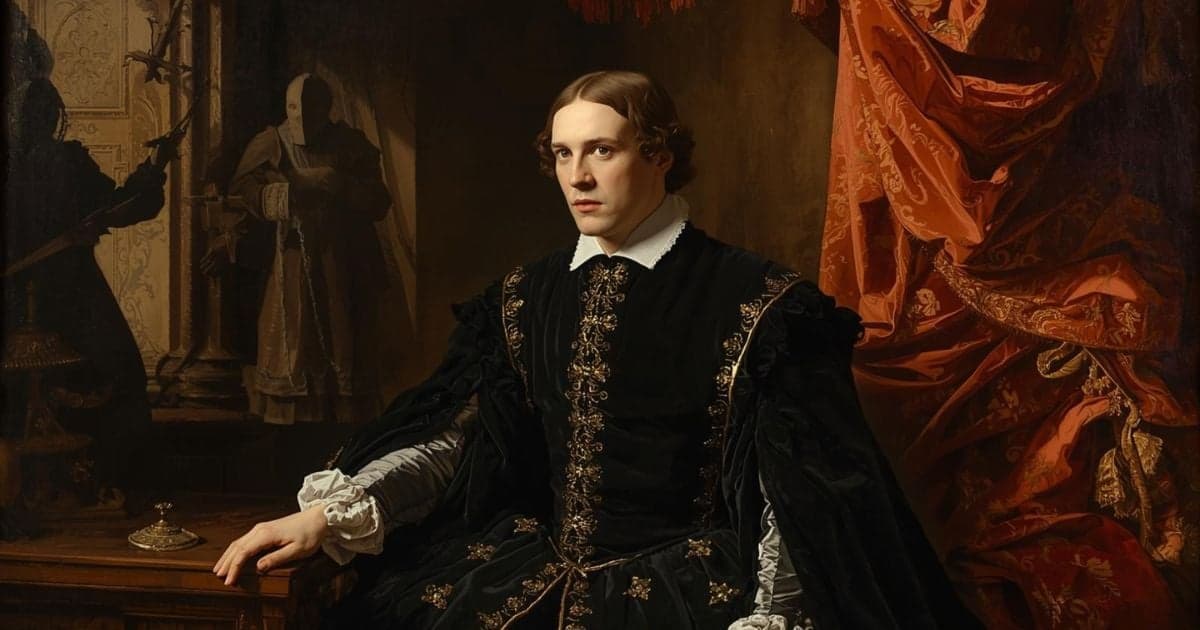
Hamlet is not a story about delay. Shakespeare never wrote one.
Installment 30
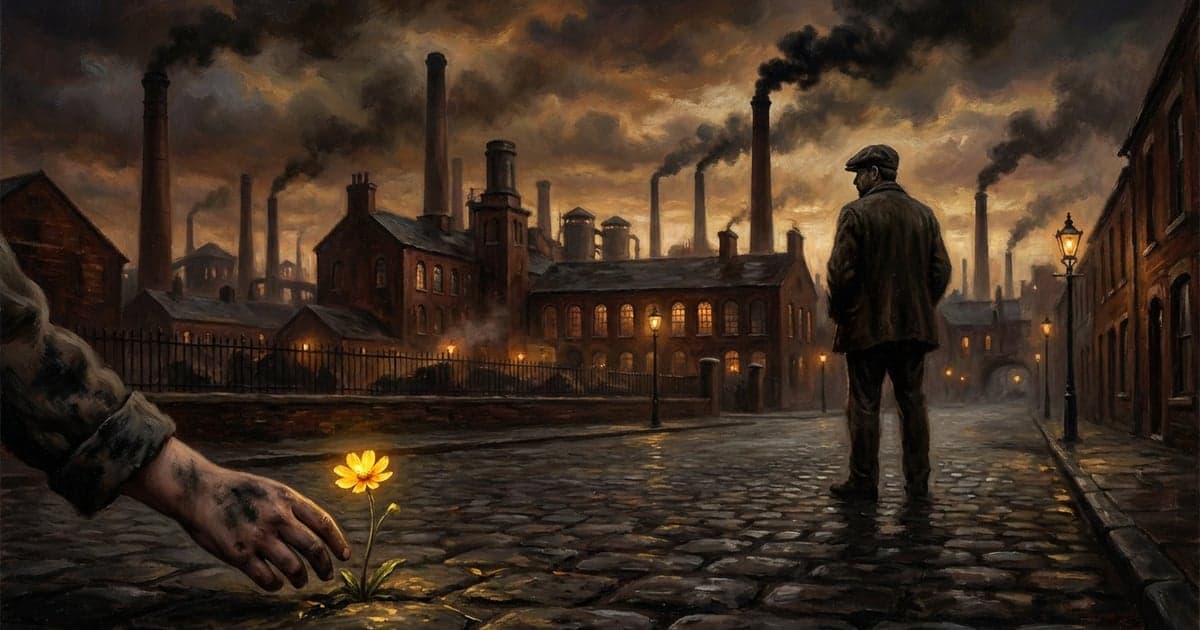
Hard Times is not a victory for imagination. Dickens wrote the harvest.
Installment 29
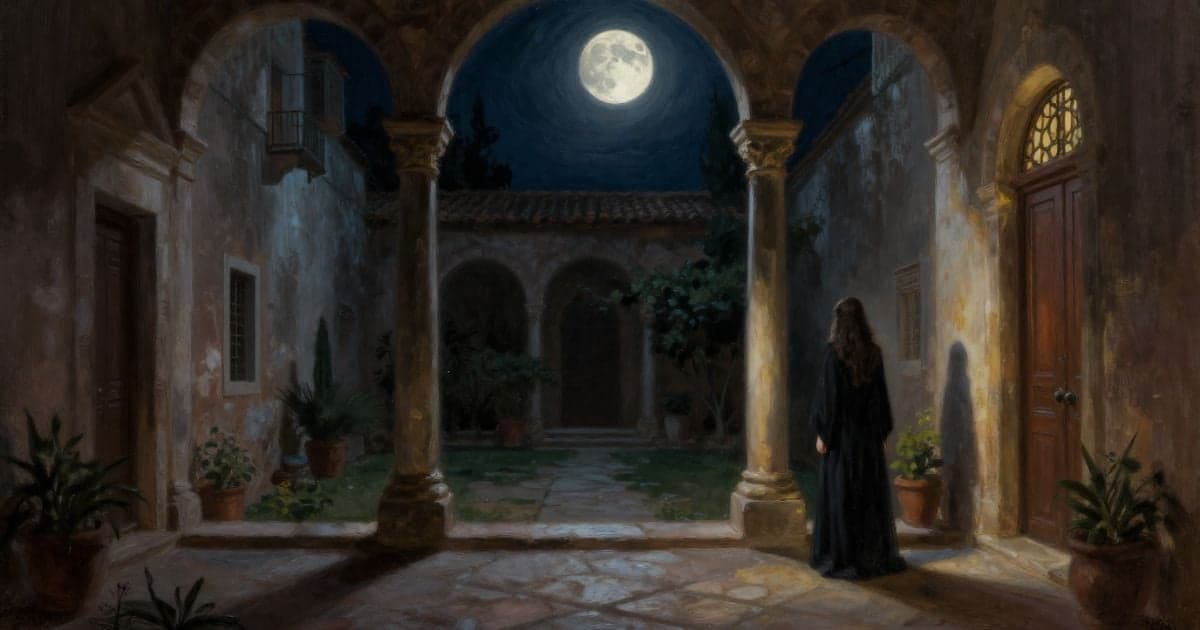
A Sicilian Romance is not a ghost story. Radcliffe wrote a wife the funeral was meant to hide.
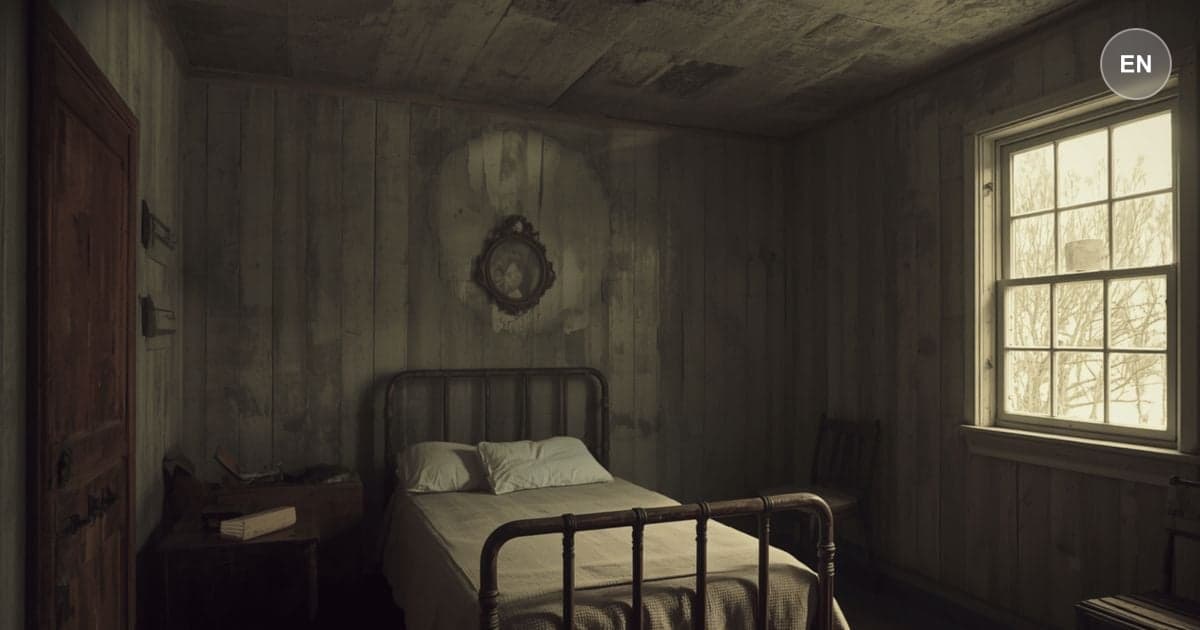
Installment 28
The Handmaid's Tale is not a resistance story. Atwood wrote a woman who stepped into a van.

Installment 27
Far from the Madding Crowd is not a pastoral romance. Hardy wrote what the quiet farm cost.
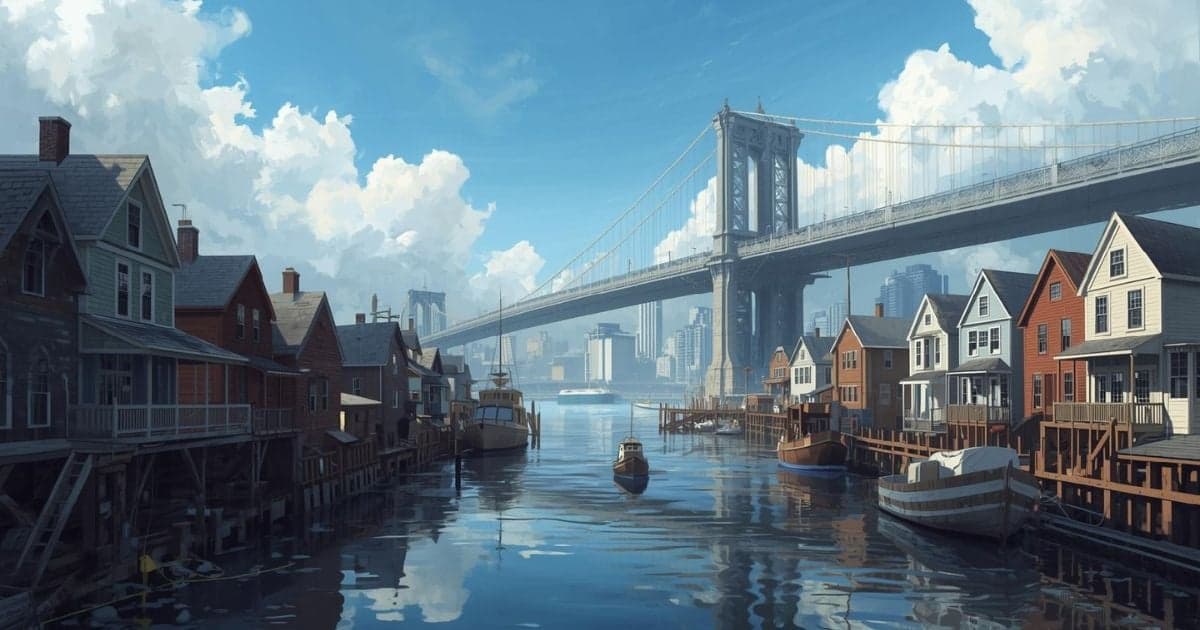
Installment 26
Great Expectations is not a rags-to-riches story. Dickens wrote the man who paid.
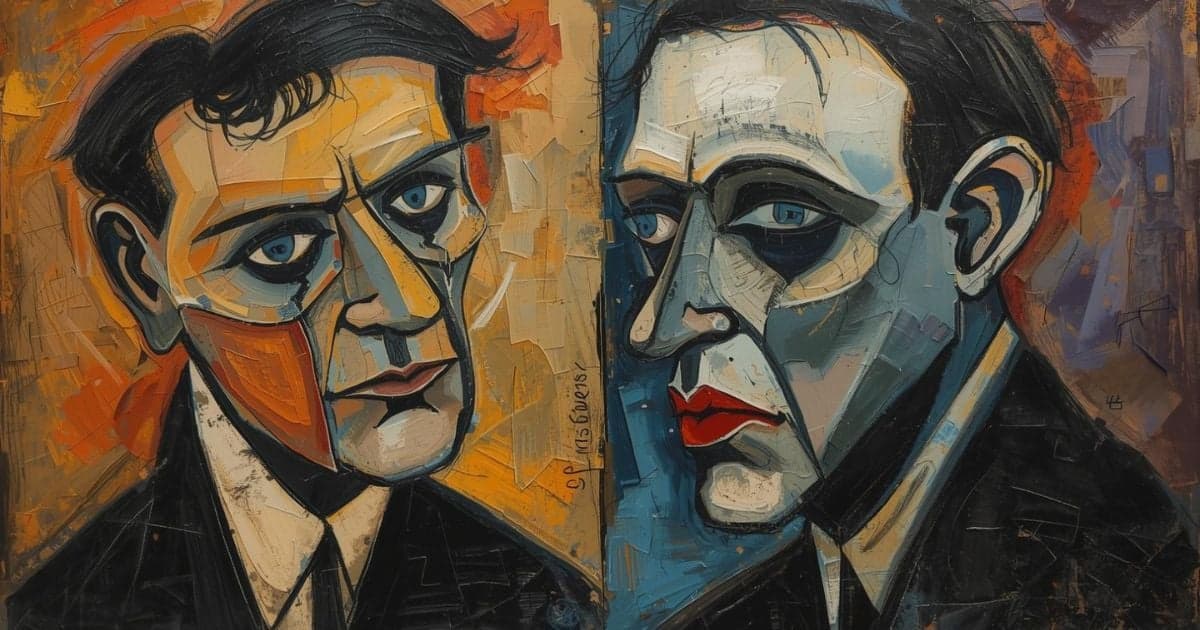
Installment 25
Dr Jekyll and Mr Hyde is not a monster story. Stevenson wrote a man who chose the split.
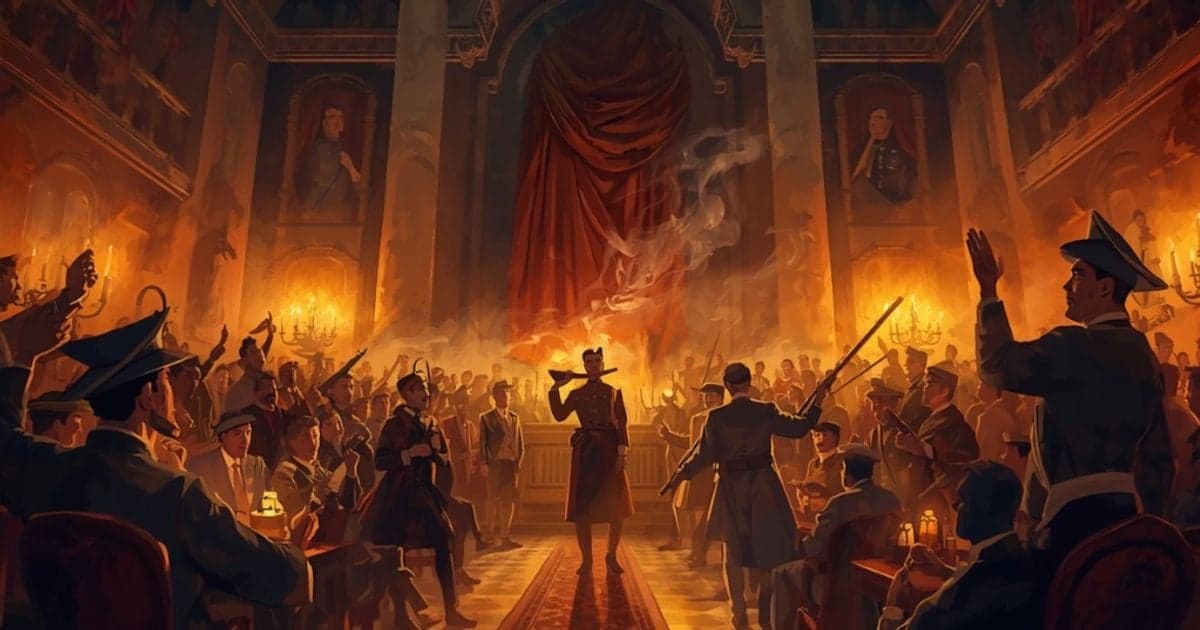
Installment 24
El Filibusterismo is not a revolution manual. José Rizal never wrote one.
Installment 23
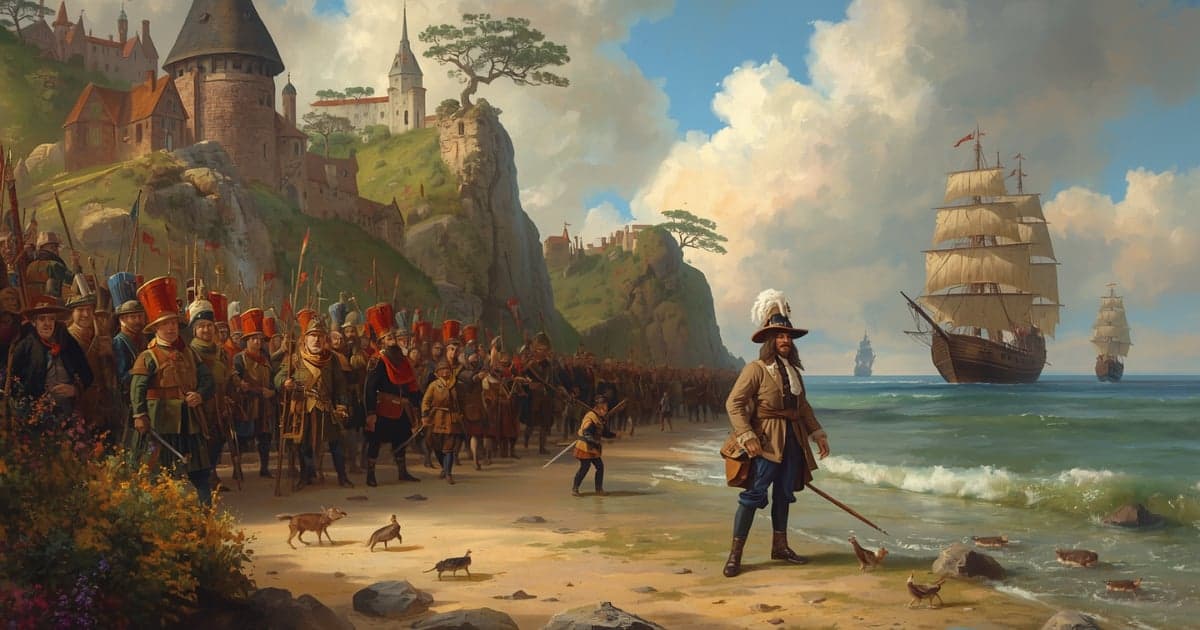
Gulliver's Travels is not a children's adventure. Swift wrote what sovereignty sounds like when someone larger holds the pen.
Installment 22
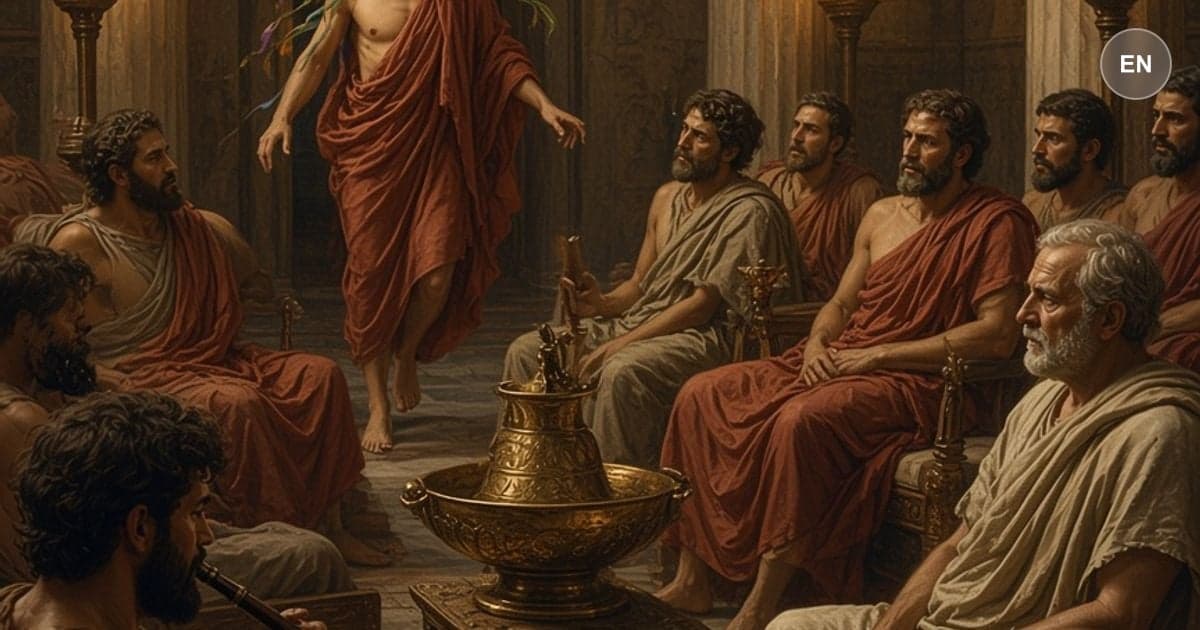
The Symposium is not the myth of the missing half. Plato lets that speech stand, then spends the night against it.
Installment 21
The Moonstone is not a cozy mystery. Wilkie Collins wrote a household that cannot tell one story.
Installment 20
The Iron Heel is not a revolution blueprint. Jack London wrote a defeat.

Installment 18
Anna Karenina is not a great love story. Tolstoy kills off the romance with nineteen chapters still to go.
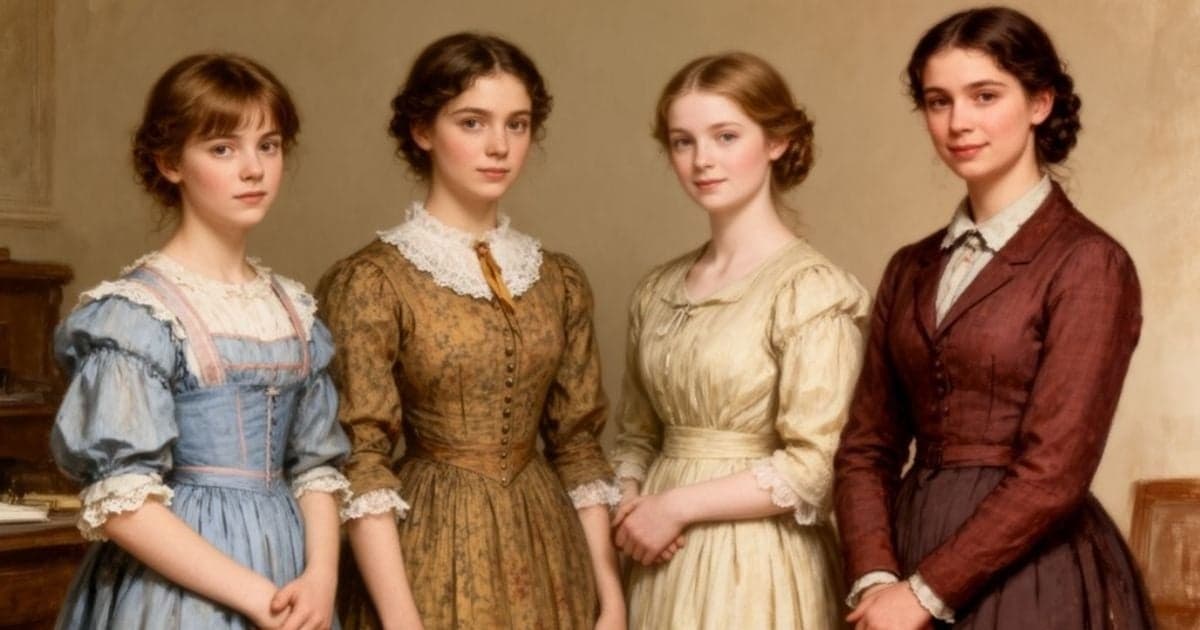
Installment 17
Little Women is not a love story about Jo and Laurie. Alcott fought her own readers to keep them apart.
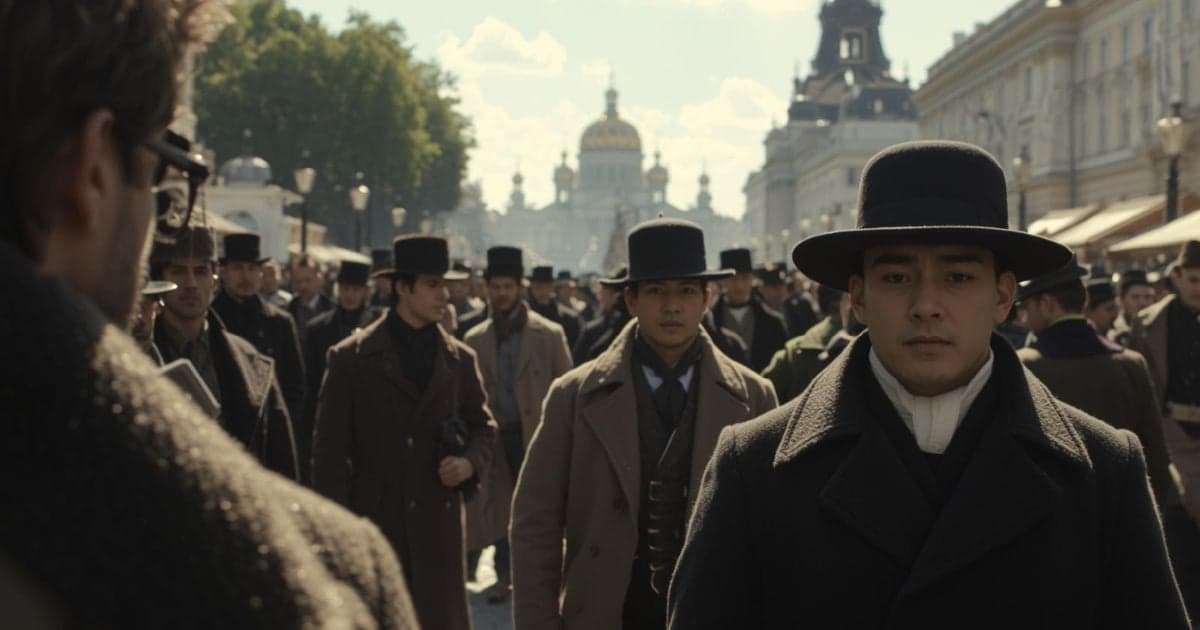
Installment 16
Crime and Punishment is not a whodunit. Dostoevsky had the detective name the killer — and let him walk away.
Installment 15
Moby-Dick is not an adventure novel. Herman Melville wrote a captain no one could stop.

Installment 14
The Jungle is not a food-safety exposé. Upton Sinclair wrote a wage.
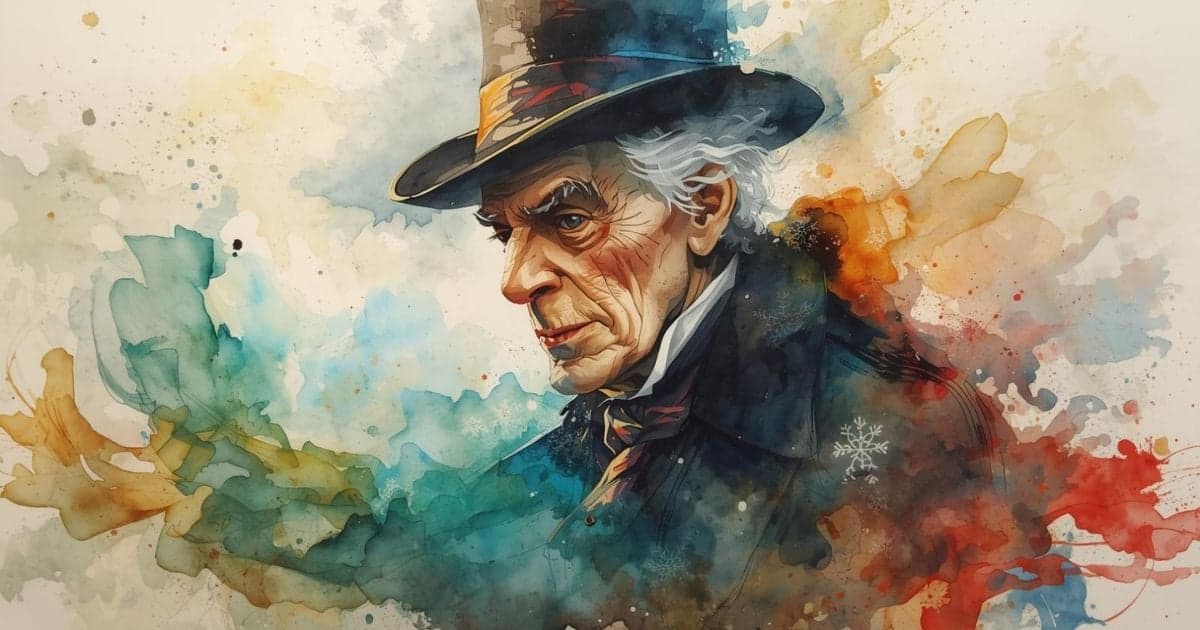
Installment 13
A Christmas Carol is not a redemption story. Dickens wrote a boomerang.

Installment 12
Beyond Good and Evil is not a nihilist licence. Friedrich Nietzsche never wrote permission.

Installment 11
The Awakening is not a liberation story. Kate Chopin never wrote a habitable ending.
Installment 10
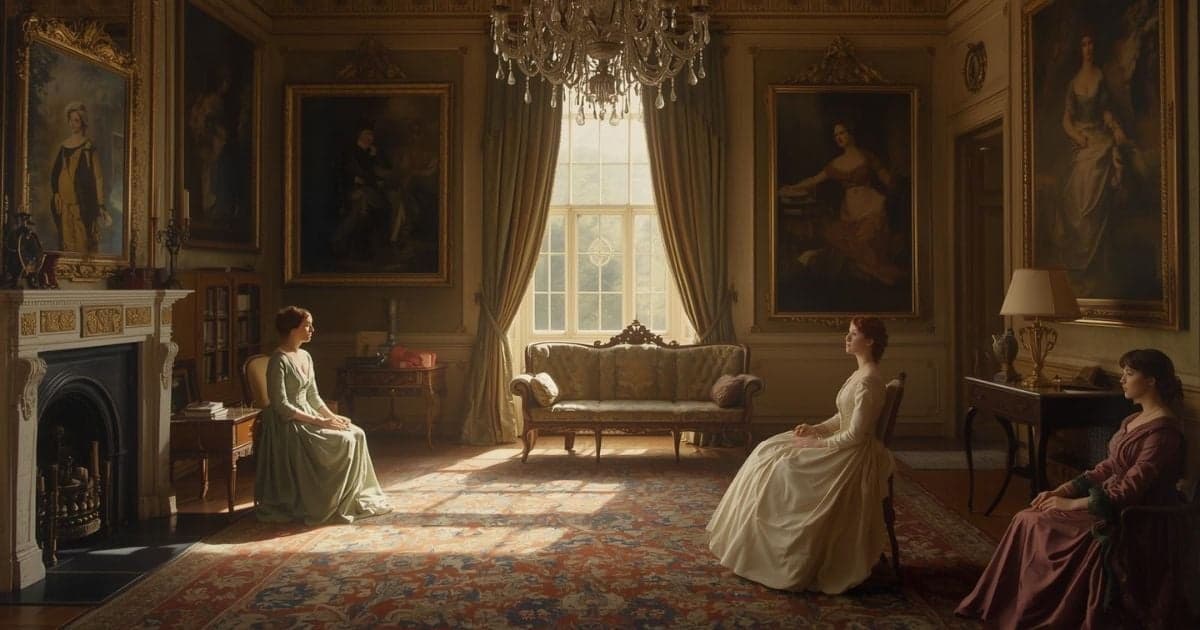
Sense and Sensibility is not a sister quiz. Jane Austen never wrote one.

Installment 8
Emma is not a matchmaker comedy. Jane Austen never wrote one.

Installment 7
Fate is not bliss: why the soul contract is not the center of your destiny. Edith Wharton wrote the invoice.

Installment 6
Tom Sawyer is not harmless nostalgia. Mark Twain never wrote one.
Installment 5
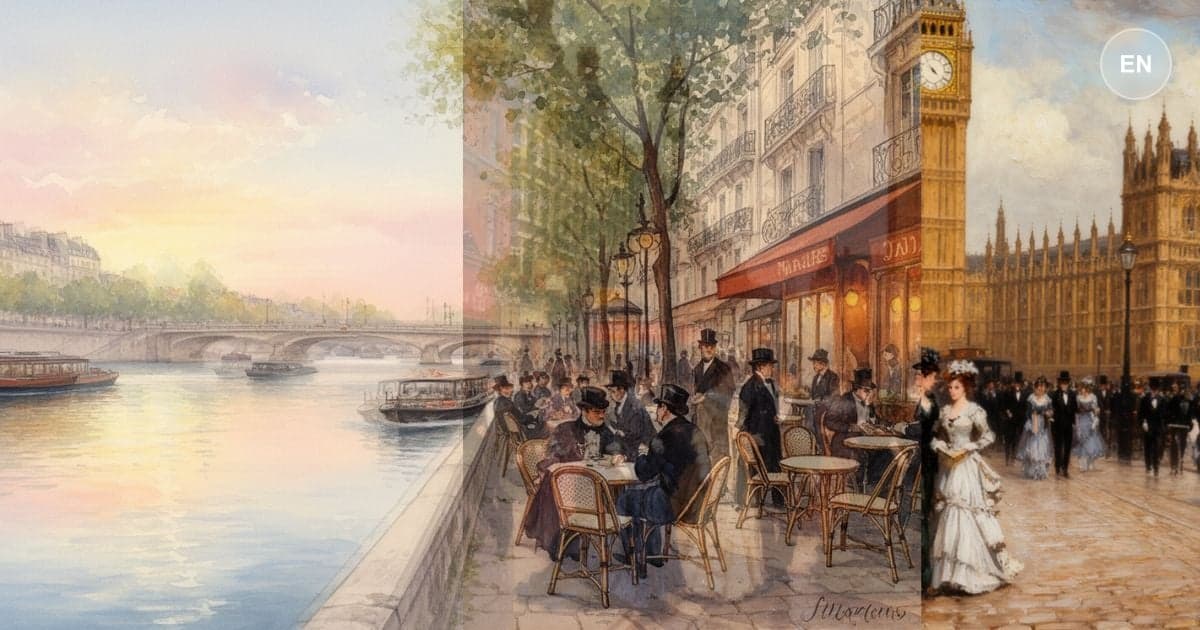
A Tale of Two Cities is not the opening line. Dickens wrote what corruption produces.

Installment 4
The Brothers Karamazov is not a philosophy novel. Dostoevsky never wrote one.
Installment 3
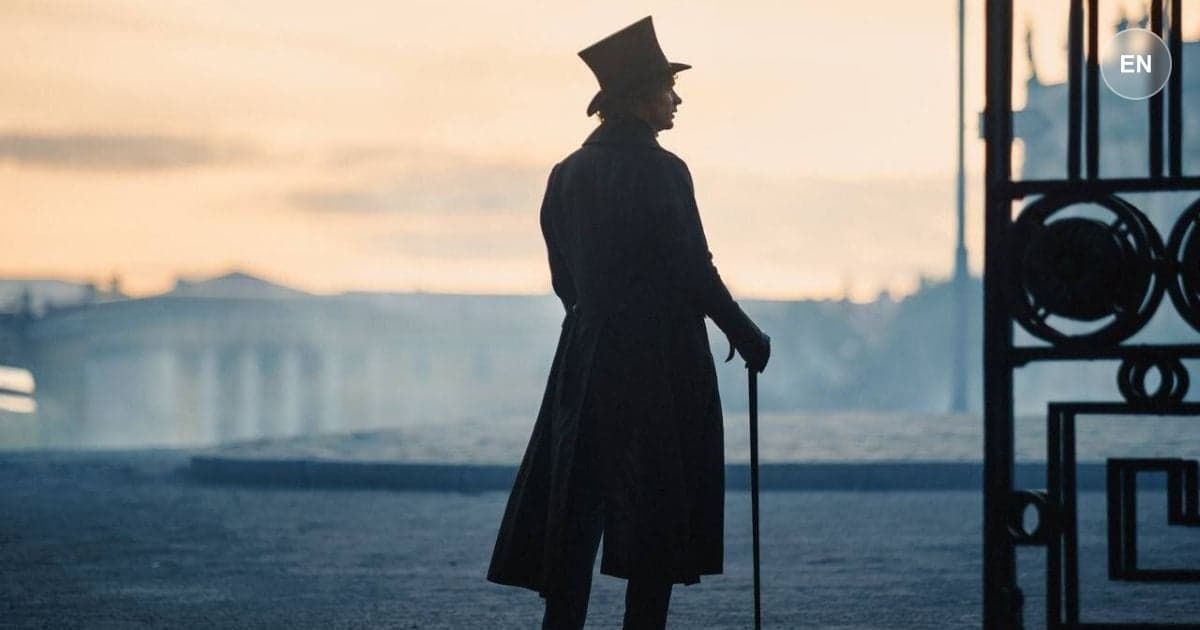
The Count of Monte Cristo is not a revenge story. Alexandre Dumas wrote a limit.

Installment 2
Madame Bovary is not a love story. Gustave Flaubert wrote a bill.
Installment 1
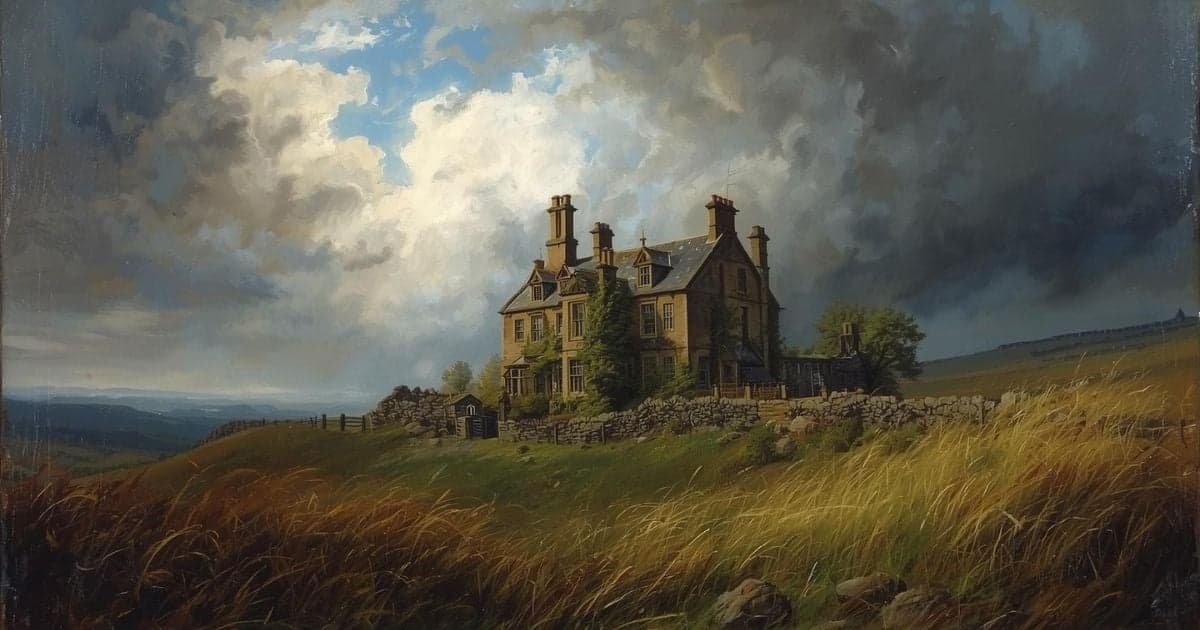
Wuthering Heights is not a love story. Emily Brontë never wrote one.
Source encounters
The classics this chronicle grew from — read the encounters that shaped the series.
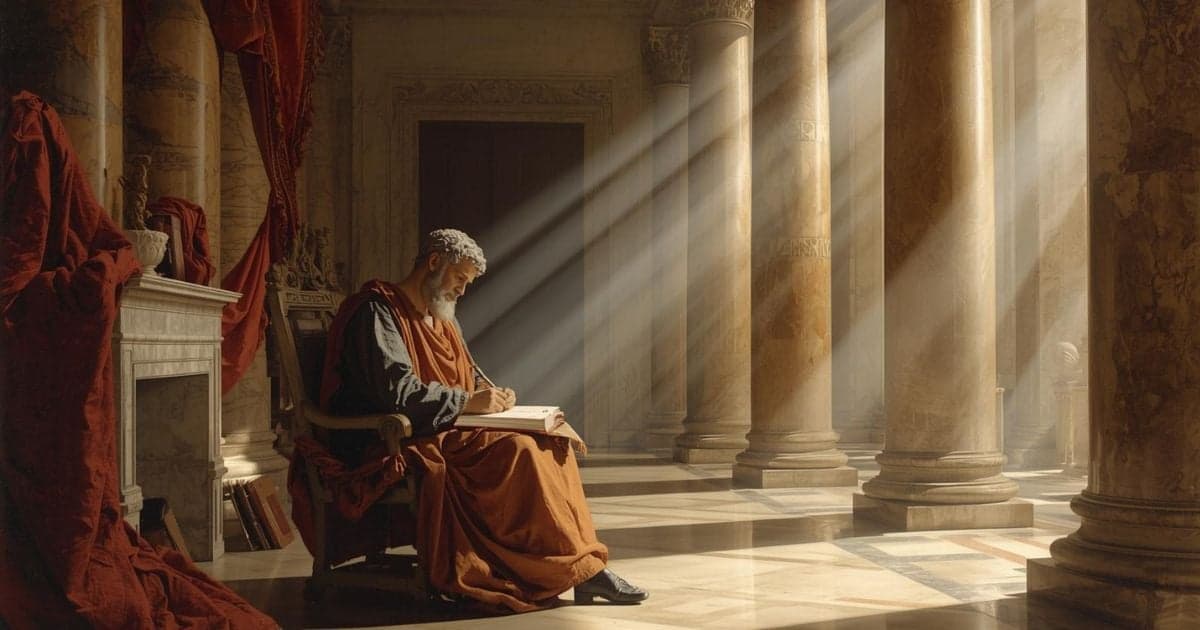
Letters from a Stoic
Seneca
A crumbling estate forces the question: what have you been refusing to see?
Gulliver's Travels
Jonathan Swift
The dead correct the record; the official chronicle was purchased.
Interior Castle
St. Teresa of Ávila
Rapture reframed as fortification — nearness that would kill if the soul stayed fully alert.

Ecclesiastes
Anonymous
Vanity named, then the ordinary day returned as gift.
Madame Bovary
Gustave Flaubert
The syllabus sells a heroine; the novel sells Vaubyessard, Rodolphe's calculation, and Lheureux's bill.
The Brothers Karamazov
Fyodor Dostoevsky
Not a debate about God — a bow, a false conviction, a breakdown, boys at a grave.
A Tale of Two Cities
Charles Dickens
The famous paradox opens the book; Carton and the wine cask write what follows.
The Adventures of Tom Sawyer
Mark Twain
Performance at the fence; substance at the graveyard, Muff's cell, and the sealed cave.
The House of Mirth
Edith Wharton
Not a doomed romance — tea at Grand Central, Trenor's bill, Bertha's yacht, Selden's stairs.
Emma
Jane Austen
The happiest novel on the poster; the carriage, Box Hill, and blind spots on the page.
The Awakening
Kate Chopin
Not a liberation poster — the swim, the pigeon house, Robert's note, and the Gulf.
Beyond Good and Evil
Friedrich Nietzsche
Not a nihilist licence — the will to truth, slave morality as genealogy, nobility without a borrowed rulebook.
A Christmas Carol
Charles Dickens
Not a redemption poster — Marley's name on the door, Fred's yearly knock, surplus population thrown back with Ignorance and Want.
The Jungle
Upton Sinclair
Not a food-safety poster — Durham's Pure Leaf Lard sits inside a chapter about inspectors the packers themselves pay.

The Art of War
Sun Tzu
Not a conquest poster — supreme excellence is breaking resistance without fighting; siege ranked last.
Symposium
Plato
Not the missing half. Aristophanes tells the cut. The rest of the night will not let that speech finish the argument.
More chronicles