
Chronicle I · Wide Reads Press
Collision
When books collide — the bestseller meets the source, both change, and both win
Arvin Lioanag · 21 installments
“Margaret responds to her father's blessing, then immediately fears the response was wrong. Honesty and loyalty are not the same thing.”
— Elizabeth Gaskell, North and South
About this chronicle
Collision is what happens before understanding — when two fully loaded scripts share one room and neither can pretend the other is background noise. Family and hunger. The story you rehearsed on the drive over and the person actually standing in front of you. The shelf's confident answer and the older text that said the same thing harder, with no promise the obstacle pays you back. Nothing is resolved in the first minute. The air has already changed, and you know — without having language for it yet — that whatever you say next will cost something.
The classics rarely resolve these meetings the same day. Heathcliff and Catherine on the moor. Darcy and Elizabeth in one drawing room. Don Quixote and the Knight of the Mirrors on the same hard ground.
Notice how the bestsellers are made — and how self-help authors manufacture their so-called wisdom without inventing much of it. A thesis shaved to a poster line. A philosopher's notebook repackaged as a five-step method. A parable from a sermon retold as a Personal Legend. The ancient move arrives wearing a new cover, with the difficulty trimmed and a guarantee attached: the obstacle will pay you back, the habit will compound, the treasure was waiting at home all along. The marketing is fresh. The insight is borrowed. Collision is what happens when someone reads both shelves and the air changes again.
That's what neither survives unchanged means — and why both can win. The bestseller doesn't stay innocent. Once you read the source, the poster line feels thinner. You see what was trimmed, what was guaranteed, what was borrowed. You can't unsee that the new wisdom has an older author. The source doesn't stay abstract. Once you've lived with the self-help version, the classic isn't just homework — it's the same argument you already felt, now with the difficulty put back in. Marcus isn't a slogan; he's a notebook from a plague frontier. You don't walk out the same either. You're not simply team bestseller or team classic. You're someone who's seen both scripts in one room — and whatever clarity you had before the meeting has already shifted.
This chronicle follows those impacts in modern life — the promotion that splits a friendship, the diagnosis that rewrites every plan you were building on, the person recognized too late. And it follows what happens on the shelf: when the self-help author's wisdom meets the classic that wrote the move first. Clear, Holiday, Coelho are not fools. They are gifted translators — they name what you already feel, shave an ancient argument down to a line you can carry to work on Monday, and sell you the feeling of clarity before breakfast. Their wisdom lands because it is true enough to change a week. The collision is not that they are wrong. It is that the source text said more, cost more, and never promised the obstacle would pay you back. Not the lesson. The moment before understanding — when both versions share a room, the air changes, and nothing can be taken back.
Earlier installments

Installment 20
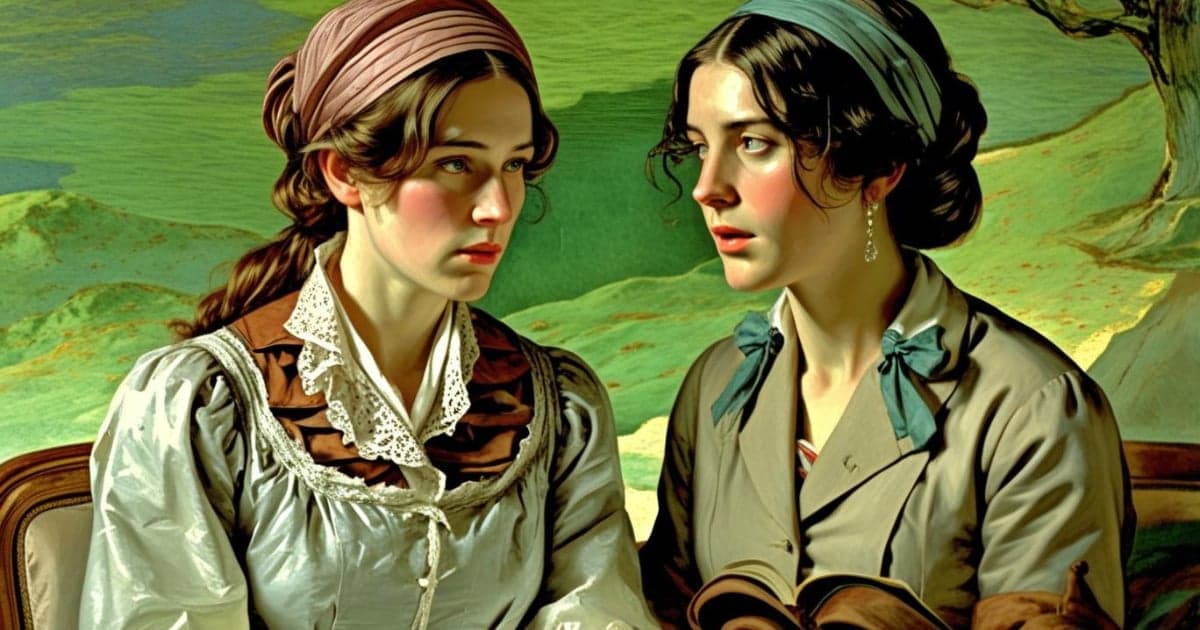
Before Fifty Shades of Grey, Brontë wrote the woman who left.

Installment 19
Before Think and Grow Rich, Cervantes wrote the man who believed.
Installment 18
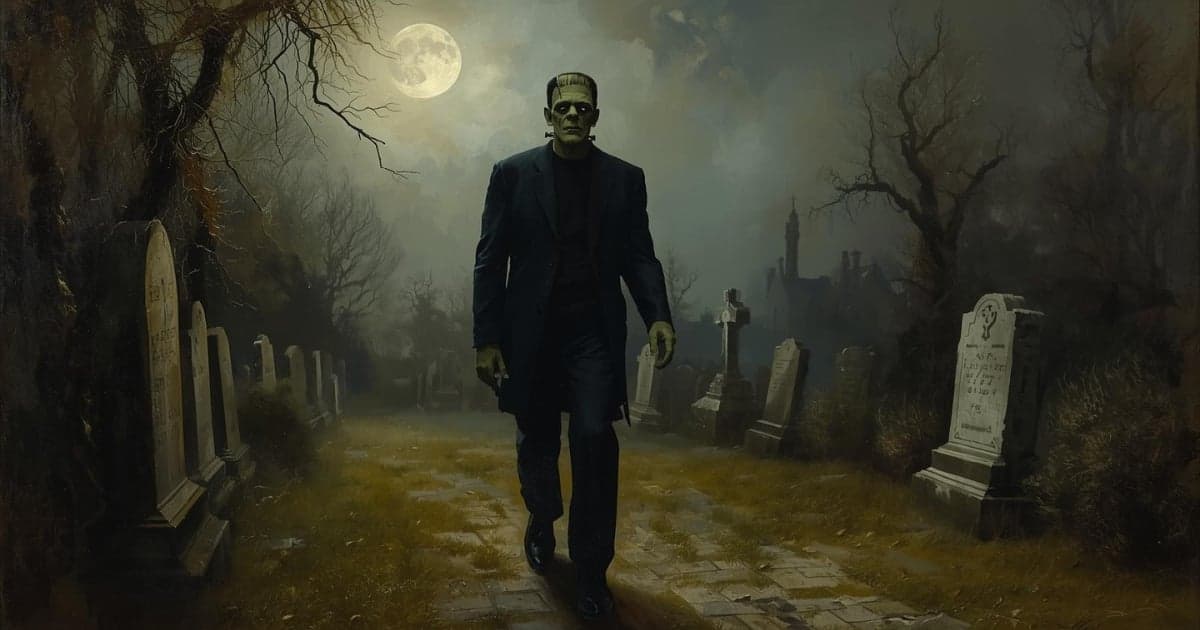
Before The Coming Wave, Shelley wrote the maker who wouldn't pace himself.

Installment 17
Before Meditations for Mortals, Seneca counted the hours — and refused the comfort.

Installment 16
Before The Power of Now, Nietzsche named the gateway This Moment — and refused the pause.
Installment 15
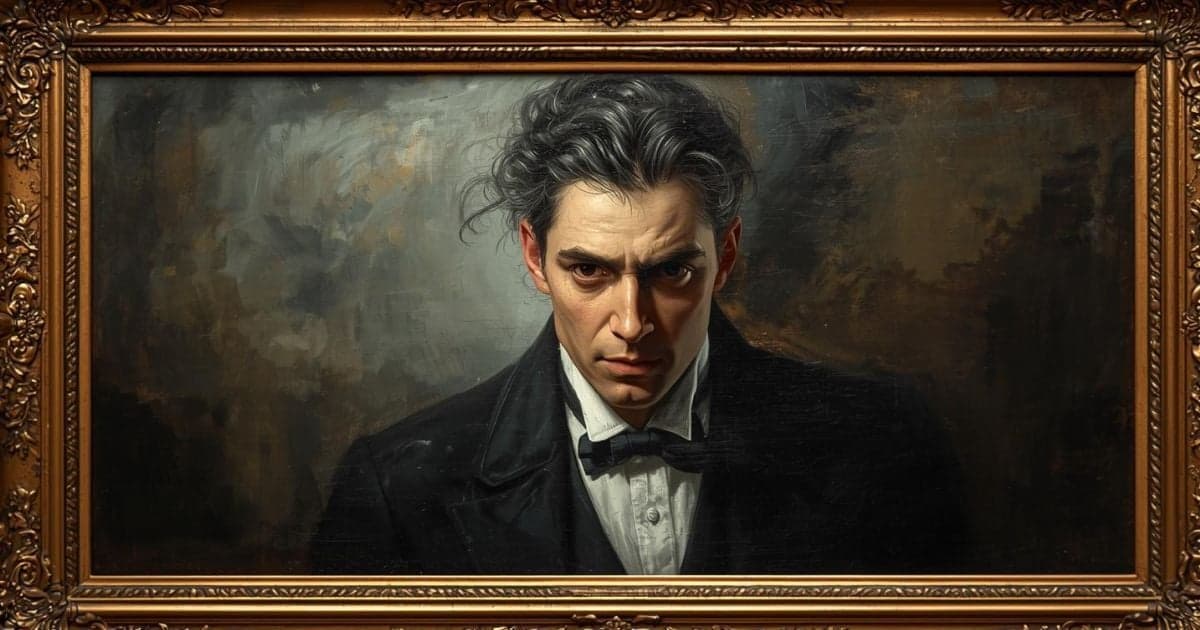
Before The Art of Seduction, Wilde wrote Lord Henry — and kept the charming voice outside the schoolroom.

Installment 14
Before The Four Agreements, the Buddha named the wound — and refused to shrink it to four rules.

Installment 13
Before Can't Hurt Me, Musashi wrote victory over yourself — and refused the mirror.

Installment 12
Before The Secret, verse 2.47 split work from payoff — and refused the vision board.
Installment 11
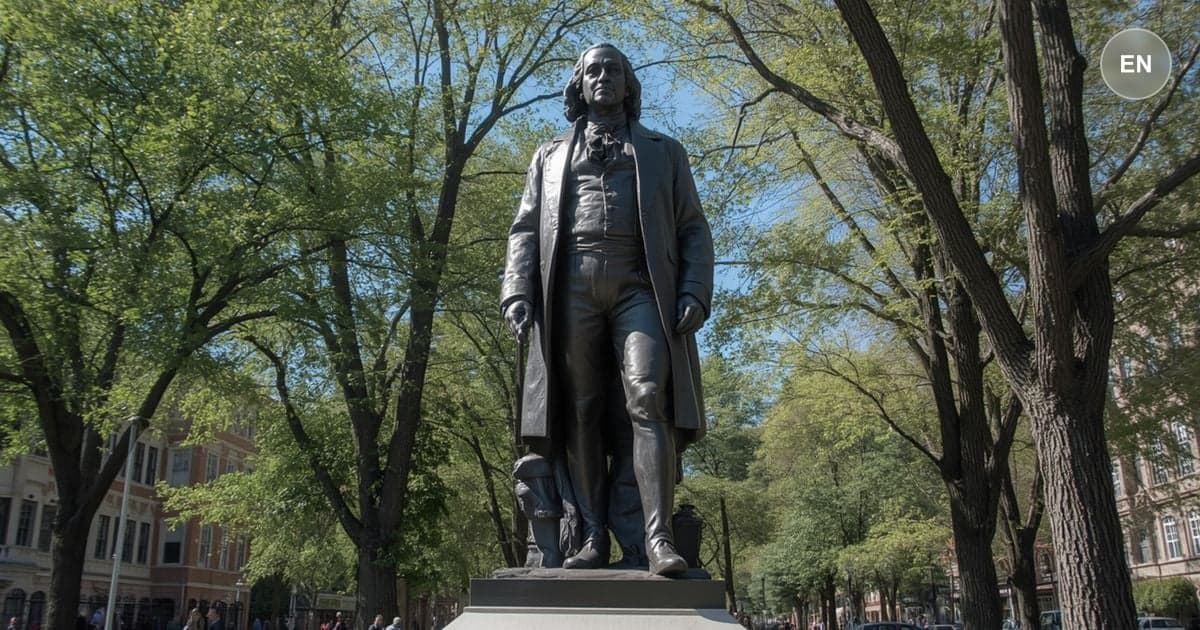
Before The 7 Habits, Franklin kept a virtue ledger — and refused to call it finished.

Installment 10
Before a modern bestseller, Forster wrote the move first — and refused the easy ending.

Installment 9
Before Situated, Thoreau moved to the pond — and refused to stay when the path wore a groove.

Installment 8
Before The Subtle Art, a former slave drew the line — and refused the comfort.
Installment 7
Before Untamed, Lucy had the view — and refused to call it knowing.

Installment 6
Before The Body Keeps the Score, Homer wrote the soldier who could not come home whole.
Installment 5
Before The Five Love Languages, Darcy wrote the letter — and refused to call it love.

Installment 4
Before Let Them, Lao Tzu taught wu wei — and refused the pause.

Installment 3
Atomic Habits sold 20 million copies. Aristotle got there first — in 340 BC.
Installment 2
Before The Obstacle Is the Way, an emperor wrote the same line — and refused the win.

Installment 1
Before The Alchemist (1988), a sermon buried the treasure under the farm you sold.
Source encounters
The classics this chronicle grew from — read the encounters that shaped the series.
North and South
Elizabeth Gaskell
Industrial north meets genteel south; every conversation is a collision of class and conscience.

Wuthering Heights
Emily Brontë
Two households, two temperaments, one moor — collision as inheritance.

Don Quixote
Miguel de Cervantes
Two knights meet in a grove, each living inside a rival script of love and honor.
Pride and Prejudice
Jane Austen
First impressions as controlled collision — wit as armor before the wound opens.
More chronicles