
The Reframe · No. 19
The Art of War is not a manual for aggression. Sun Tzu wrote a ledger for making the fight unnecessary.
Most readers arrive calling it the strategy bible for ruthless winners — the book you quote before the launch, the negotiation, the campaign. That is the cliché. It is not what Sun Tzu put on the page.
Tradition gives the text to Sun Tzu and the state of Wu, likely compiled around 500 BC. Later readers made it a business book, a sports book, and a poster. The compiled text is colder. It inventories chariots and silver, ranks attacks from strategy down to siege, and ends by saying that grudging the cost of spies is a kind of cruelty, because ignorance spends lives.
The reframe is not that Sun Tzu refuses force. He uses it. The reframe is that he treats every fight as a bill you pay daily, and prefers the outcome that never required the siege at all.
What most readers assume
“A ruthless manual for winning every fight — the strategy bible executives quote before they go on the attack.”
LinkedIn posts · locker-room speeches · “know your enemy” mugs
What Sun Tzu actually stages
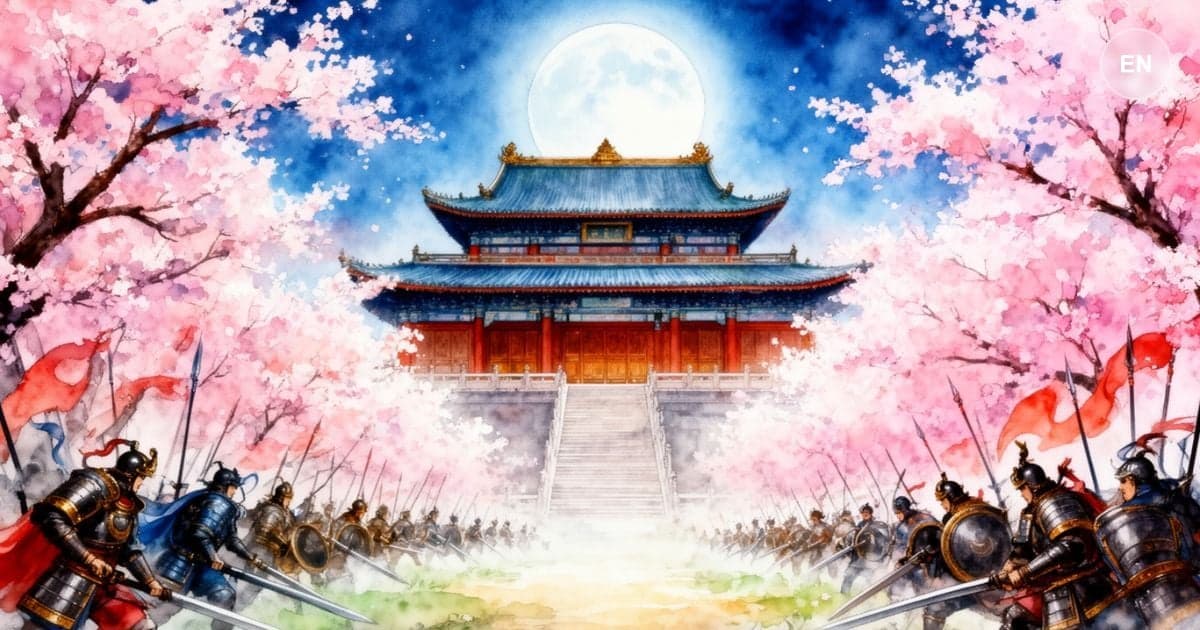
A temple count before the sword moves, a daily ledger of chariots and silver, siege ranked last, and supreme excellence defined as resistance that breaks before anyone draws a blade.
The Art of War · Sun Tzu · c. 500 BC
Posters sell a manual for winning every fight. The book ranks siege last, counts silver before chariots move, and calls supreme excellence the resistance that breaks before the blades cross.
The temple is the first battlefield
Sun Tzu does not open with a charge. In Chapter 1, he calls war a matter of life and death, a road either to safety or to ruin, and insists that no serious leader can treat it casually. Before anyone commits, he names five constant factors: moral law, heaven, earth, the commander, method and discipline. Then he lists seven comparisons a general must run between two armies and claims he can forecast victory or defeat from the score.
The chapter closes on the contrast that runs through the whole book: the general who wins makes many calculations in his temple before the battle is fought; the one who loses makes few. Planning is not preparation for war. In Sun Tzu's account, it is the first act of war — and often the act that makes the later acts unnecessary.
Prolonged war is a bill, even when you win
Chapter 2 turns romance into arithmetic. Raising a hundred thousand men and marching them great distances costs enormous sums at home and at the front. Sun Tzu's blunt line is easy to miss because it does not sound like strategy advice: there is no instance of a country having benefited from prolonged warfare. Even victors are weakened by long fights. The goal should be quick, decisive victory, or avoiding the engagement entirely.
That is not pacifism. It is accounting. The poster version of Sun Tzu wants you to stay hard. The text wants you to ask whether the campaign you are prolonging is already costing more than the city is worth.
 Read chapter 3
The source · Chapter III, The Art of War
“Hence to fight and conquer in all your battles is not supreme excellence; supreme excellence consists in breaking the enemy's resistance without fighting.”Sun Tzu, The Art of War, Chapter III — Attack by Stratagem
Supreme excellence ranks siege last
Chapter 3 is where the misread breaks. Sun Tzu ranks the attacks from best to worst: attack the enemy's strategy first, then their alliances, then their army in the field, and only then their cities. Besieging walled cities is, in his words, the worst policy of all — slow, costly, and often futile. The skilful leader subdues troops without fighting, captures regiments whole rather than destroying them, and prefers the country intact to the country shattered.
Culture files the book under aggression because the line everyone remembers is “know the enemy and know yourself.” Sun Tzu does say that. He also says the highest victory is the one that never required the battle the annual report still celebrates.
The book closes on intelligence, not triumph
Thirteen chapters later, Sun Tzu does not end with a victory parade. In Chapter 13, he returns to the arithmetic of a single day. Hostile armies may face each other for years, striving for the victory which is decided in a day. To remain ignorant of the enemy's condition because you grudged the outlay of a hundred ounces of silver in honours and emoluments is, in his words, the height of inhumanity.
Foreknowledge cannot be obtained from spirits, he writes, or from abstract theory alone. It comes from people who actually know the enemy's situation. All the plans, all the terrain analysis, all the psychology in the middle chapters matter less without that paid knowledge. The treatise ends where a conquest poster never begins: on the cost of not knowing before you move.
Bring this to the table
You know the win-at-all-costs quote. Can you name what Sun Tzu ranks below attacking the enemy's army — or say what he calls supreme excellence before a single blade crosses?
Common Questions
Search questions about The Art of War — supreme excellence, siege ranked last, prolonged war as a bill, and what Sun Tzu staged beyond the conquest poster.
Is The Art of War actually about winning without fighting?
That is Sun Tzu's stated highest aim in Chapter 3, not a modern soft reading. He ranks ways to win from best to worst: disrupt the enemy's strategy, break their alliances, confront their army, and only then besiege a city — the option he calls the worst policy of all. Supreme excellence is breaking resistance before blades cross, not winning every battle you enter.
Did Sun Tzu advocate aggression?
He advocated calculation. Chapter 1 treats war as a road to safety or ruin and insists no serious leader can neglect the count. Chapter 2 turns war into a ledger of chariots, provisions, and silver spent per day. The general who fights from anger, ignores terrain, or prolongs a campaign is already losing in Sun Tzu's account — not because aggression is immoral, but because it is expensive and predictable.
What does supreme excellence mean in The Art of War?
In Chapter 3 Sun Tzu defines it directly: breaking the enemy's resistance without fighting. Fighting and conquering in every battle is not supreme excellence. The skilful leader subdues troops without battle, captures cities without lengthy siege, and overthrows kingdoms without wearing the army down in the field.
Why does Sun Tzu rank siege warfare last?
Because it is slow, costly, and often fails. Besieging walled cities sits at the bottom of his hierarchy after attacking plans, alliances, and armies in the field. A commander who loses patience may lose a third of his men while the town remains untaken. Sun Tzu prefers the outcome that leaves the city intact and the treasury less drained.
Is The Art of War just a business strategy book now?
Later readers made it one — sports coaches, executives, and poster shops turned it into a slogan machine. The compiled text is colder than that. It inventories chariots and silver, treats deception as method rather than personality, and ends by insisting that ignorance of the enemy, if you grudged paying for spies, costs more lives than the intelligence would have cost in gold.
Which chapter should I read first for Sun Tzu's real argument?
Start with Chapter 3, Attack by Stratagem, for the hierarchy and the line about supreme excellence. Then read Chapter 1 for the five factors and pre-battle audit, and Chapter 2 for the economics of prolonged war. Together those three chapters overturn the poster version before you reach tactics, terrain, or spies.
Read what Sun Tzu actually staged.
The Art of War is thirteen chapters on calculation before commitment — five factors in the temple, siege ranked last, prolonged war named a drain, and foreknowledge priced in silver before the single day of battle. We narrate it chapter by chapter in plain language so the ledger actually lands. The first chapter's audio is free. The rest is $2.99 a month, every book on the shelf.