
Chronicle III · Wide Reads Press
Recognition
When you finally see what was always there
Arvin Lioanag · 6 installments
“The visible and vocal claim recognition while the actual contributors work in shadows and get forgotten.”
— Charles Dickens, A Tale of Two Cities
About this chronicle
Recognition is not praise. It is the moment the pattern becomes visible — sometimes too late. Sydney Carton saves a life and disappears. Stryver takes the room. Gulliver meets the captain who won Actium and learns the command went to the emperor's mistress's son. Montaigne watches honors multiply until none of them mean anything.
The classics distinguish between being seen and being known. Recognition can arrive as love, as justice, as theft, as humiliation. You can be recognized by the wrong person for the wrong reason and still never be known. You can do the essential work in silence and watch the plaque go to someone who spoke louder.
This chronicle follows those reckonings: the employee of the year who was not in the room when the fix happened, the parent who sees their child clearly for the first time, the witness who confirms what the official record erased. Not the moral. The moment the mask slips and everyone knows what they are looking at.

Earlier installments

Installment 1
Who gets named in On the Shortness of Life? Seneca writes the reckoning before Paulinus knows he needs one.

Installment 1
Franklin made America great. Why did we forget how? The method scales — the naming is what we let slip.

Installment 1
Smith counted the day-labourer's wool coat, not the treasury's gold. We named the hand and forgot the coat.

Installment 1
Beowulf got the fame. Wiglaf got the truth. The poet never signed the page.
Installment 1
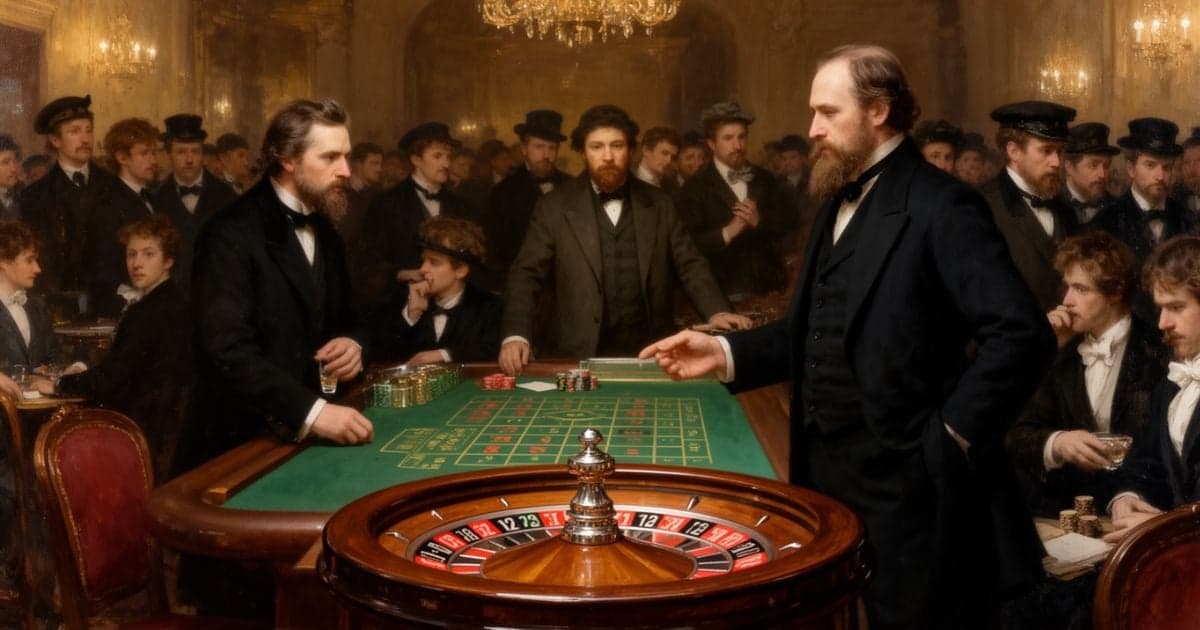
The Gambler named the cost of risk. We named willpower. Lose 10% and you need 11% to recover.
Source encounters
The classics this chronicle grew from — read the encounters that shaped the series.

A Tale of Two Cities
Charles Dickens
Carton does the work; Stryver claims the victory.
Gulliver's Travels
Jonathan Swift
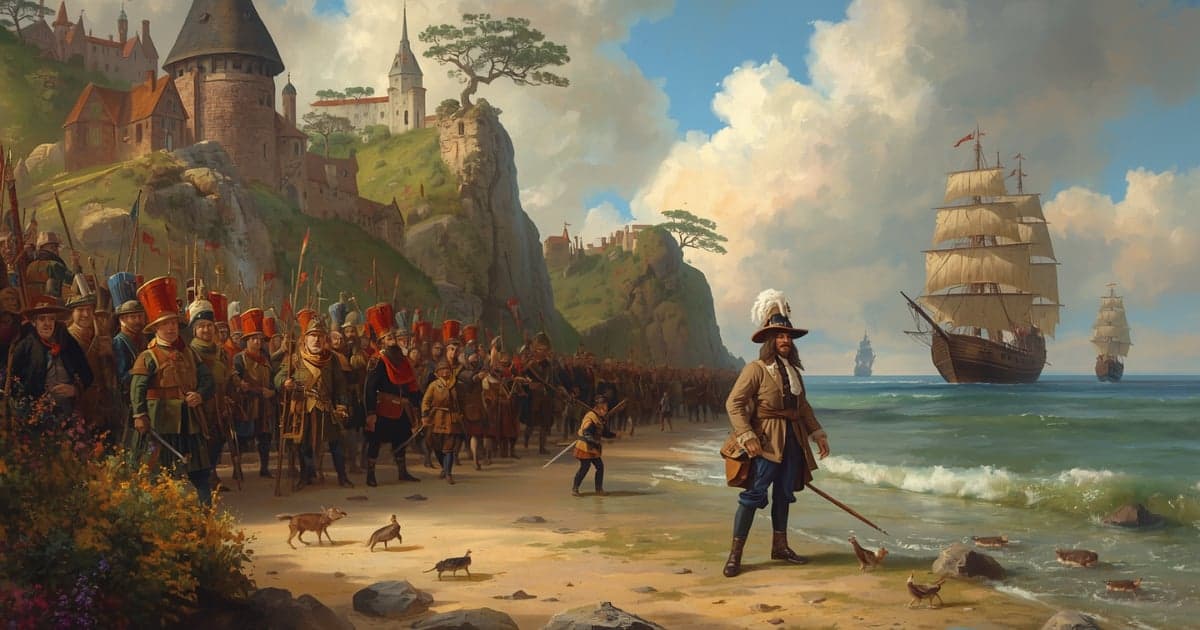
Modern chronicles crown cowards; the Actium captain is passed over.

Montaigne: Essays
Michel de Montaigne
When everyone gets the award, none of the awards mean anything.

Les Misérables
Victor Hugo
Jean Valjean recognized at last — mercy that names what the law could not.
More chronicles