
The Reframe · No. 20
The Iron Heel is not a revolution blueprint. Jack London wrote a defeat.
Most readers arrive calling it a prophetic dystopia — oligarchy named, workers awakened, revolution just around the corner. That is the cliché. It is not the book Jack London actually wrote.
London shovelled coal, rode freight trains, educated himself in public libraries reading Darwin and Marx at night, and became famous for animal stories while running for mayor of Oakland on a socialist ticket. He published The Iron Heel in 1908, before the wars readers later matched to his pages, and spent twenty-five chapters showing concentrated capital capture the university, the pulpit, the press, and the union hall while the ballot still looks intact.
The reframe is not that the warning is invented. Wickson names the heel. The reframe is that the book refuses the poster ending — organise, expose, revolt, win. Ernest is executed offstage. The First Revolt fails. The manuscript goes into a tree.
What most readers assume
“A prophetic dystopia that warns oligarchy will fall if workers organise — the socialist novel that predicted fascism before anyone had the word.”
Dystopia units · prophecy posters · “London called it”
What London actually stages
Not a revolution blueprint — a defeat. A dinner where facts beat metaphysics, a book whose plates are damaged, unions bought into a labor aristocracy, Chicago used as bait, and a memoir buried for readers not yet born.
The Iron Heel · Jack London · 1908
Posters sell a prophecy that organises and wins. The book opens after the execution, buys the strongest unions, springs the Chicago trap, and leaves the manuscript in a tree for a century that has not arrived.
The novel opens after the execution
Avis Cunningham does not save the story for a late reveal. In Chapter 1, she writes from Wake Robin Lodge after Ernest Everhard's death, with footnotes from Anthony Meredith seven hundred years later reminding you the First Revolt failed. The Berkeley dinner where ministers reason from subjectivity while workers live inside facts arrives as backstory, not as a promise that exposure will be enough.
London's structural choice matters: you are not reading to find out whether the oligarchy can be named. You are reading to watch what naming costs once the institutions start closing ranks.
Wickson says the quiet part at the Philomath Club
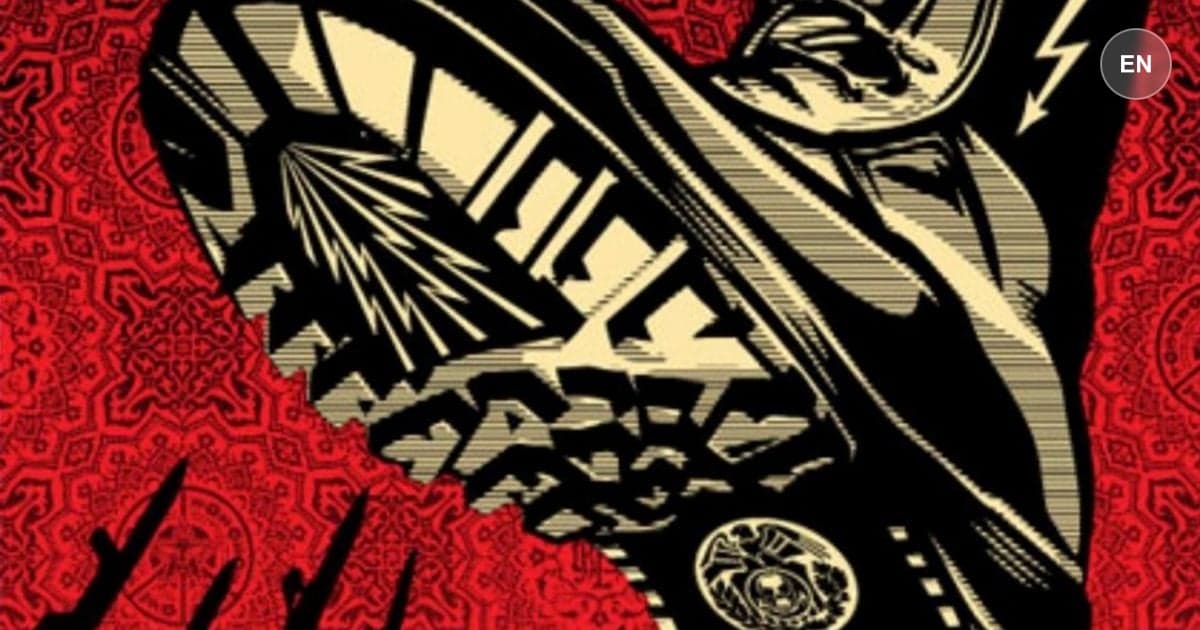
The scene everyone quotes from summaries is in Chapter 5. Ernest tells the richest men in America they have made a shambles of civilisation. Mr Wickson stops pretending and answers with the title: they will grind the workers under their heel. That is not a villain monologue waiting for a final election. It is the oligarchy naming the method while the room still looks like a debate.
What the poster version drops is everything before and after the line: Jackson's crushed arm by the marsh, the officials who will not pay, the social freeze that punishes Avis for class treason, and the bribes disguised as opportunities that arrive in the very next chapters.
 Read chapter 5
The source · Chapter 5, The Iron Heel
“We will grind you revolutionists down under our heel, and we shall walk upon your faces.”Jack London, The Iron Heel, Chapter 5 (public domain)
The university calls censorship a gift to science
Institutional capture is not only Wickson at a club dinner. In Chapter 10, Dr John Cunningham publishes Economics and Education on how capitalistic bias shapes the schools. The plates are damaged. His resignation is announced as a gift to science. The papers print the story the funders need. London stages the heel inside the language of reason, not the language of boots.
This is the reform the poster skips: not a cartoon tyrant you can vote out next Tuesday, but a university president offering a paid European leave while social arbiters freeze out the daughter who investigated Jackson's arm.
Chicago is bait, not a breakthrough
Chapters 22 through 24 are the First Revolt readers were waiting for — and London refuses to let it land as triumph. In Chapter 23, the people of the abyss rise in the streets. The revolt was planned, baited, and measured in decades. Avis wakes in ruins. Ernest is already gone. The Cause is in pieces, and terrorists are filling the gap he warned against.
Prophecy is not the same as a blueprint. London is not saying revolt is pointless. He is saying revolt inside captured institutions, without long-term networks and without reading divide-and-conquer in a favored union raise, can be turned into a trap the heel already priced.
The ending is a hollow tree, not a parade
Chapter 25 does not hand you Brotherhood of Man on schedule. Avis buries the manuscript in a hollow tree for readers who were not yet born. Meredith's footnotes arrive centuries later. London's answer to defeat is documentation and delay — trust a later century to recognise the night a ballot, a pulpit, or a union hall quietly changed owners.
Bring this to the table
You know London “called it.” Can you name what happens in Chicago — or say why Cunningham's resignation is printed as a gift to science?
Common Questions
Search questions about The Iron Heel — the heel, Ernest Everhard, Chicago, oligarchy, and what London staged beyond the revolution poster.
Is The Iron Heel actually a revolution blueprint?
Not in the way the cultural shorthand claims. London stages Ernest Everhard naming the oligarchy at a Berkeley dinner, winning elections on paper, and still being executed offstage while the First Revolt is crushed in Chicago. The novel opens after the execution and closes with Avis burying the memoir in a hollow tree for readers seven hundred years later. The warning is organised resistance under captured institutions — not a poster that says organise and you will win on schedule.
Does the revolution succeed in The Iron Heel?
No. The First Revolt fails. Chapters 22 through 24 are Chicago used as bait: the people of the abyss rise in the streets and are slaughtered. Ernest is captured and killed offstage. The Brotherhood of Man arrives only in footnotes from Anthony Meredith centuries later. London refuses the cheap ending where naming the system is enough to defeat it in one generation.
What is The Iron Heel really about?
How concentrated capital captures universities, pulpits, presses, and union halls while elections still look intact. Dr Cunningham publishes the truth about education and loses his job when the plates are damaged. Bishop Morehouse preaches what he saw in the slums and is sent to a sanitarium. Favored unions are bought into a labor aristocracy. Wickson stops pretending and says the quiet part: they will grind you under their heel.
Why do people call it prophetic of fascism?
Because London wrote in 1908 about oligarchy, emergency rule, and institutions that keep democratic forms while power moves elsewhere — patterns readers later matched to twentieth-century regimes. Prophecy is not the same as a blueprint. The book's argument is that the heel can win on the page and still leave a manuscript for a later century, not that every revolt fails because workers lacked spirit.
Who is Ernest Everhard?
A working-class socialist the privileged call a bear, who walks into dining rooms of ministers and oligarchs and treats metaphysics as evasion and statistics as a moral demand. He tells the Philomath Club they have made a shambles of civilisation, and Wickson answers with the heel. He wins the argument in the room and loses the century. London never makes him a prophet the world rewards on schedule.
Why does Avis bury the memoir in a hollow tree?
Because the readers who need it are not born yet. Avis writes from Wake Robin Lodge after Ernest's death, knowing the Cause is in pieces and terrorists are filling the gap he warned against. The hollow tree is London's answer to defeat without surrendering the record: you document, you hide, you trust a later century to recognise the night a university, a pulpit, or a union hall quietly changed owners.
Read what London actually staged.
The Iron Heel is twenty-five chapters on oligarchy that wins on the page — the Berkeley dinner, damaged plates, bought unions, Chicago used as bait, and a memoir in a hollow tree. We narrate it chapter by chapter in plain language so the defeat actually lands. The first chapter's audio is free. The rest is $2.99 a month, every book on the shelf.