Teaching Notes from Underground
by Fyodor Dostoevsky (1864)
Teaching Map
This guide is not only for literature teachers. Parents, tutors, book clubs, and anyone reading Notes from Underground together can use it to open conversation — not just recap plot. Each Why it matters note is a question-starter: ask toward a Collision (two views meet and something shifts), a Reframe (the same facts suddenly mean something different), or a Recognition (what was always there finally becomes visible). The map shows how the book breaks into stages, which anchor scenes to lean on, and where each Lesson fits — whether you are planning a term or a single evening.
Part I
Chapters 1–11 · Underground
The sword feud that names real spite
“I am a sick man.... I am a spiteful man. I am an unattractive man. I believe my liver is…”
Why it matters
Ask a question — toward Collision, Reframe, or Recognition.
The most elaborate form of self-destruction does not announce itself; it masquerades as superior understanding. When the Underground Man admits he refuses to see a doctor purely out of spite, knowing it harms only himself, Dostoevsky shows us the mechanism whole: awareness of the trap does nothing to spring it. Spot the pattern this week by noticing when you are analyzing why something will not work instead of trying it anyway.
Reading Performed Vulnerability
“I am a sick man.... I am a spiteful man. I am an unattractive man. I believe my liver is…”
Why it matters
Ask a question — toward Collision, Reframe, or Recognition.
The most elaborate form of self-destruction does not announce itself; it masquerades as superior understanding. When the Underground Man admits he refuses to see a doctor purely out of spite, knowing it harms only himself, Dostoevsky shows us the mechanism whole: awareness of the trap does nothing to spring it. Spot the pattern this week by noticing when you are analyzing why something will not work instead of trying it anyway.
Holding a Grievance as Identity
“I am a sick man.... I am a spiteful man. I am an unattractive man. I believe my liver is…”
Why it matters
Ask a question — toward Collision, Reframe, or Recognition.
The most elaborate form of self-destruction does not announce itself; it masquerades as superior understanding. When the Underground Man admits he refuses to see a doctor purely out of spite, knowing it harms only himself, Dostoevsky shows us the mechanism whole: awareness of the trap does nothing to spring it. Spot the pattern this week by noticing when you are analyzing why something will not work instead of trying it anyway.
Understanding Free Will vs. Rational Self-Interest
“I am a sick man.... I am a spiteful man. I am an unattractive man. I believe my liver is…”
Why it matters
Ask a question — toward Collision, Reframe, or Recognition.
The most elaborate form of self-destruction does not announce itself; it masquerades as superior understanding. When the Underground Man admits he refuses to see a doctor purely out of spite, knowing it harms only himself, Dostoevsky shows us the mechanism whole: awareness of the trap does nothing to spring it. Spot the pattern this week by noticing when you are analyzing why something will not work instead of trying it anyway.
Seeing Through Intellectual Pride
“I want now to tell you, gentlemen, whether you care to hear it or not, why I could not even…”
Why it matters
Ask a question — toward Collision, Reframe, or Recognition.
At a certain point, being smart stops helping you live better and starts making every choice feel impossible. The Underground Man explains with perfect precision why he never sought revenge for a real injury, even while smarting from it: he saw too many sides of every option to commit to any of them. When you have thought through the same decision three times and still have not moved, pick a direction in two minutes and act before the analysis restarts.
Breaking the Analysis Paralysis Loop
“I want now to tell you, gentlemen, whether you care to hear it or not, why I could not even…”
Why it matters
Ask a question — toward Collision, Reframe, or Recognition.
At a certain point, being smart stops helping you live better and starts making every choice feel impossible. The Underground Man explains with perfect precision why he never sought revenge for a real injury, even while smarting from it: he saw too many sides of every option to commit to any of them. When you have thought through the same decision three times and still have not moved, pick a direction in two minutes and act before the analysis restarts.
The mouse and the bull
“With people who know how to revenge themselves and to stand up for themselves in general, how is it done?…”
Why it matters
Ask a question — toward Collision, Reframe, or Recognition.
Envy feels cleanest when it wears the costume of judgment. The Underground Man watches the direct man charge at obstacles like an infuriated bull and calls him stupid, but admits through gritted teeth that the stupidity may actually be a virtue because the man acts, finishes things, and stops. When you catch yourself dismissing someone's success as naive or simple, ask what it would cost you to act that directly even once.
Twice two makes four as an insult
“Gentlemen, I am joking, and I know myself that my jokes are not brilliant, but you know one can take…”
Why it matters
Ask a question — toward Collision, Reframe, or Recognition.
The desire for suffering is not a malfunction; it is proof that being fully alive matters more to some people than being comfortable. The Underground Man concedes he is joking, then stops joking to ask the genuine question: how do we know it is desirable to reform man according to rational interests, when man clearly loves building things he has no intention of living in? When you find yourself drawn to a problem you keep refusing to solve, ask whether the struggle itself is what you actually need and what solving it would cost you.
The crystal palace rebellion
“You believe in a palace of crystal that can never be destroyed—a palace at which one will not be able…”
Why it matters
Ask a question — toward Collision, Reframe, or Recognition.
Refusing a bad deal is easy; the harder thing is admitting you have not decided what you would accept instead. The Underground Man rejects the crystal palace not because he can deny it is better than nothing, but because it is indestructible, and he needs the right to stick out his tongue at whatever he lives under. Name one thing you are currently refusing without having defined what a yes would look like, because that gap is where forward motion starts.
Part II
Chapters 12–21 · Apropos of the Wet Snow
The dinner party disaster
“PART II — À Propos of the Wet Snow Chapter IV I had been certain the day before that I…”
Why it matters
Ask a question — toward Collision, Reframe, or Recognition.
Being ignored is often harder to survive than being attacked, because at least an attack requires the other person to acknowledge you are there. The Underground Man arrives an hour early to find the dinner relocated and the room empty; he sits alone while distant French laughter filters in, and when the others arrive none of them pretend he is not there so much as they simply stop bothering to pretend anything at all. When you feel invisible in a group, ask whether the invisibility is what the situation actually requires or whether it is something you are performing to avoid the riskier act of speaking first.
Meeting Liza
“PART II — À Propos of the Wet Snow Chapter VI ... Somewhere behind a screen a clock began wheezing,…”
Why it matters
Ask a question — toward Collision, Reframe, or Recognition.
A speech given to rescue someone can also be a performance designed to prove you are not the person you fear you are. The Underground Man delivers a long and technically accurate account of Liza's probable future and the alternative available to her, then watches her cry and realizes with the loathsome clarity he cannot escape that the speech was not for her: it was for himself, a chance to feel powerful and noble at precisely the moment he had never felt more pathetic. Before giving advice that requires the other person to be in a worse position than you, check whose situation you are actually trying to improve.
Recognizing Self-Sabotage Patterns
“PART II — À Propos of the Wet Snow Chapter VI ... Somewhere behind a screen a clock began wheezing,…”
Why it matters
Ask a question — toward Collision, Reframe, or Recognition.
A speech given to rescue someone can also be a performance designed to prove you are not the person you fear you are. The Underground Man delivers a long and technically accurate account of Liza's probable future and the alternative available to her, then watches her cry and realizes with the loathsome clarity he cannot escape that the speech was not for her: it was for himself, a chance to feel powerful and noble at precisely the moment he had never felt more pathetic. Before giving advice that requires the other person to be in a worse position than you, check whose situation you are actually trying to improve.
The crumpled note in the snow
“PART II — À Propos of the Wet Snow Chapter X A quarter of an hour later I was rushing…”
Why it matters
Ask a question — toward Collision, Reframe, or Recognition.
The worst thing a person can do with the truth is use it to justify never changing. After Liza leaves, the Underground Man writes for pages about how right he was, how his cruelty was honesty carried to its logical conclusion, and how the underground is the only honest response to modern life, until even he can sense that the writing is a performance: addressed to no one, changing nothing, the last defense of a man who cannot stop arguing with himself. When your most sophisticated reasoning arrives to prove that a genuinely wrong thing you did was actually correct, treat that sophistication as a warning sign rather than a conclusion.
Why Teach Notes from Underground?
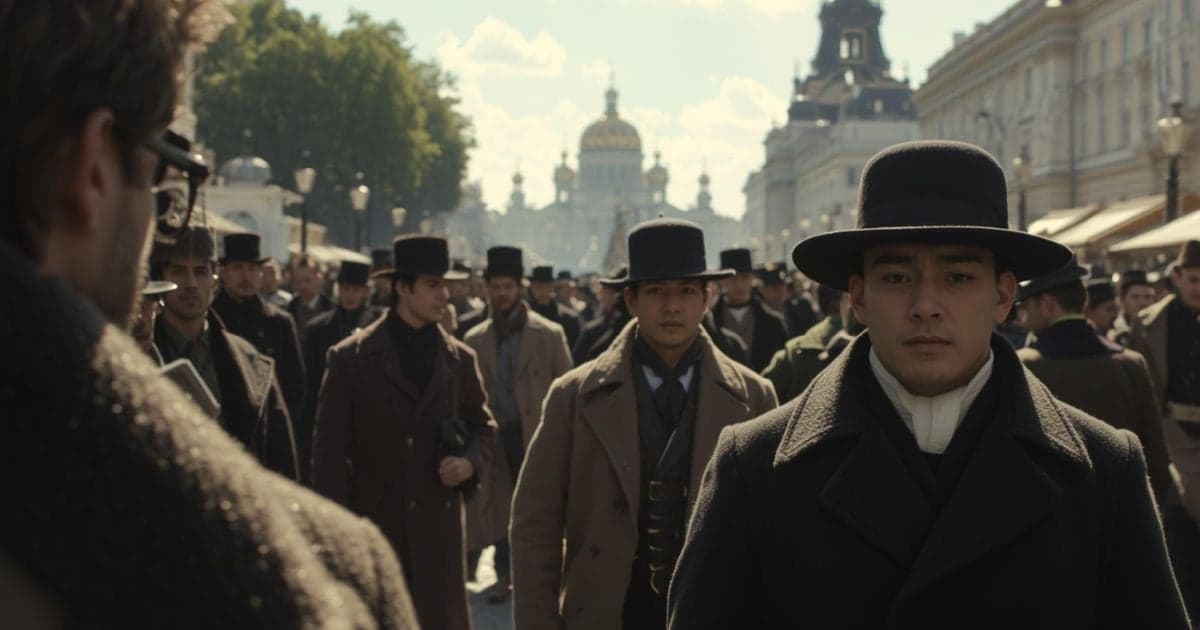
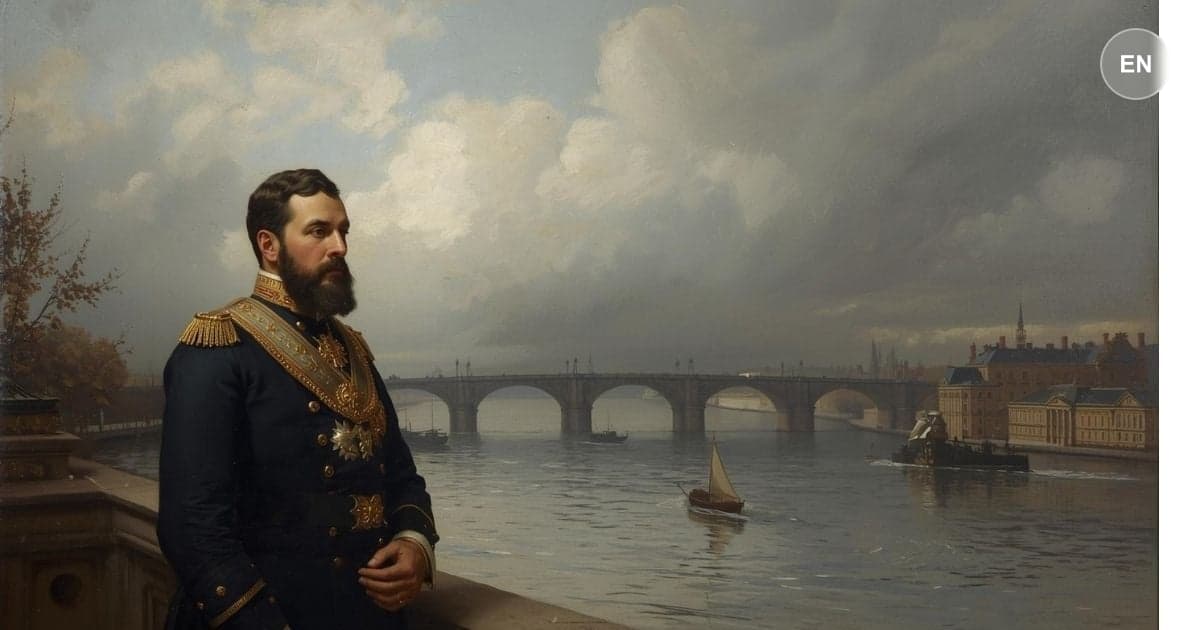
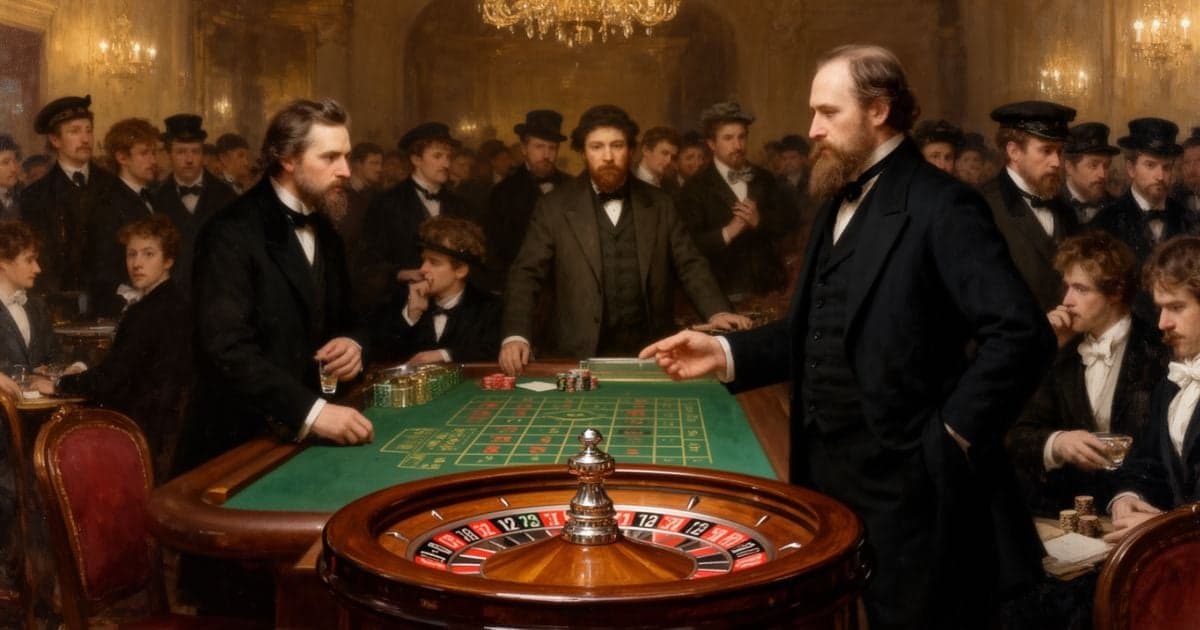
A forty-year-old retired clerk writes out decades of resentment in a notebook, admitting in the first lines that he is probably lying and that the lie is the point. Part I argues with imagined critics about a feud he ran for eighteen months over an officer's clanking sword, and about why intelligence keeps him from choosing anything at all. Part II jumps back to age twenty-four: he forces his way into a dinner nobody wants him at, chases the men who snubbed him through wet snow, and meets Liza, a young woman in a brothel who believes the speech he makes about dignity. Days later she comes to his room to collect on it, and he rages, offers her money, and drives her out into the snow.
Lessons from Notes from Underground
Six named pressures the book tests, each tied to a chapter and a deeper lesson page. Send students to one when a theme hooks them, then back to the scene that proves it.
Reading Performed Vulnerability
Tell a real confession from the performance of honesty: the opening lies, the toothache moans, the masks when Liza knocks.
Seeing Through Intellectual Pride
Catch consciousness worn as rank, the dinner he forces his way into, and superiority that cannot survive being seen.
Holding a Grievance as Identity
Follow the eighteen-month sword feud, the rehearsed bump, and the sledge through wet snow until a slight is a self.
Recognizing Self-Sabotage Patterns
Sit with Liza after the speech: she believes him, then he rages, offers money, and drives her out.
Breaking the Analysis Paralysis Loop
Watch consciousness become a disease, the mouse lose to the bull, and insight turn into a reason not to move.
Understanding Free Will vs. Rational Self-Interest
Hear why twice two makes four can feel like an insult, and why people smash a crystal palace to stay free.
Suggested Teaching Approach
1Before class: map the setup
Read Chapters 1 through 3 for the opening admission that he is lying, the eighteen-month feud over a clanking sword, and the mouse-versus-bull image that names the whole method: insight that never leaves the room.
2Discussion starter: name the mechanism
Skip plot recall. Ask where students see this book's pressures play out in their own lives, from The sword feud that names real spite (Ch. 1) to The crumpled note in the snow (Ch. 21). Tie every answer to a chapter number, not a theme label alone.
3Modern connections: use the six lessons
Six patterns Dostoevsky traces through the same notebook: breaking the analysis paralysis loop before insight becomes a reason not to move, seeing through intellectual pride that mistakes consciousness for rank, holding a grievance as identity long after the original slight would have faded, understanding free will against the promise that pure reason makes people good, reading performed vulnerability even in a confession, and recognizing self-sabotage in the way he treats the one person who believed him. Each spoke ties named scenes to chapter proof.
4Assessment: application, not recall
Essay prompts that work: compare The sword feud that names real spite (Ch. 1) to The crystal palace rebellion (Ch. 10); trace how it pays off by the ending. Pair with a current-events angle, then require a scene from the book as counterweight. Assess application, not recall. AI cannot help with lived experience.
Chapter-by-Chapter Resources
The Spite That Hides Our Pain
Why it matters: The most elaborate form of self-destruction does not announce itself; it masquerades as superior understanding. When the Underground Man admits he refuses…
The Disease of Too Much Thinking
Why it matters: At a certain point, being smart stops helping you live better and starts making every choice feel impossible. The Underground Man explains…
The Mouse and the Bull
Why it matters: Envy feels cleanest when it wears the costume of judgment. The Underground Man watches the direct man charge at obstacles like an…
The Pleasure of Pain
Why it matters: Some suffering is genuine; some is a performance staged for an audience of one, designed not for relief but for something stranger.
The Paralysis of Overthinking
Why it matters: Genuine emotion and performed emotion can coexist in the same moment, and knowing which is which does not necessarily free you from…
The Beautiful Delusion of Being Something
Why it matters: There is a kind of comfort in having any identity at all, even a shameful one, because at least it puts you…
The Rebellion Against Logic
Why it matters: The most stubborn thing about people is not ignorance but the need to prove they authored whatever happened to them. The Underground…
The Problem with Being Predictable
Why it matters: A system that predicts your choices perfectly has not given you the best life; it has replaced you. The Underground Man responds…
The Joy of Destruction
Why it matters: The desire for suffering is not a malfunction; it is proof that being fully alive matters more to some people than being…
The Crystal Palace Rebellion
Why it matters: Refusing a bad deal is easy; the harder thing is admitting you have not decided what you would accept instead. The Underground…
The Contradictions of Self-Awareness
Why it matters: The sharpest insights about yourself can be the last thing standing between you and a change you desperately need. The Underground Man…
The Underground Man at Twenty-Four
Why it matters: The slights that cost us the most are rarely the biggest ones; they are the ones we cannot argue away because they…
Escape into Dreams and Forced Social Contact
Why it matters: The version of yourself that lives only in your imagination is always more capable, more admired, and more powerful than the one…
Forcing My Way In
Why it matters: Some invitations feel like traps because they are, and the only reason you accept them is that the longing for inclusion is…
The Dinner Party Disaster
Why it matters: Being ignored is often harder to survive than being attacked, because at least an attack requires the other person to acknowledge you…
The Sledge Ride to Reckoning
Why it matters: The person who cannot stop circling a humiliation is rarely still angry about the original event; they are angry about what the…
The Underground Man Meets Liza
Why it matters: A speech given to rescue someone can also be a performance designed to prove you are not the person you fear you…
The Cruel Truth About Salvation
Why it matters: The cruelest thing you can do with someone's genuine suffering is turn it into a demonstration of your superior understanding. The Underground…
The Masks We Wear When Cornered
Why it matters: The moment you are most desperate to protect your image is usually the moment your behavior most reliably destroys it. When Liza…
The Moment of Truth Arrives
Why it matters: The desire to hurt someone and the desire to be close to them can occupy the same moment, and what you do…
The Final Cruelty and Underground Retreat
Why it matters: The worst thing a person can do with the truth is use it to justify never changing. After Liza leaves, the Underground…
Start with one chapter
Assign Chapter 1 with the summary and audio, then open discussion with a life-skill question instead of a plot question. Expand chapter by chapter from there.