Free study guide · no paywall
Notes from UndergroundStudy Guide
by Fyodor Dostoevsky (1864)
A retired clerk diagnoses his own spite with surgical precision and still cannot stop acting on it, mapped across 21 chapters and six lessons.

Start here
Plot, characters & chapter jump
21 chapter summaries · 5 key figures · discussion questions · quotes · free
Plot summary
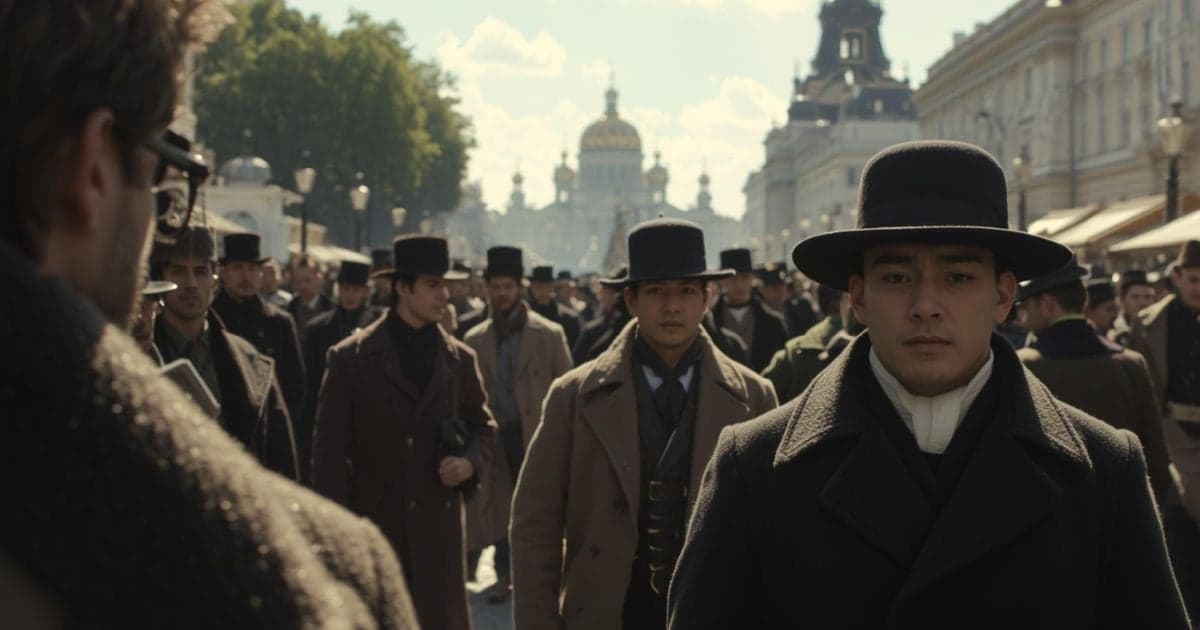
A forty-year-old retired clerk writes out decades of resentment in a notebook, admitting in the first lines that he is probably lying and that the lie is the point. Part I argues with imagined critics about a feud he ran for eighteen months over an officer's clanking sword, and about why intelligence keeps him from choosing anything at all. Part II jumps back to age twenty-four: he forces his way into a dinner nobody wants him at, chases the men who snubbed him through wet snow, and meets Liza, a young woman in a brothel who believes the speech he makes about dignity. Days later she comes to his room to collect on it, and he rages, offers her money, and drives her out into the snow.
Key characters
Jump to chapter
What readers search for
Common questions about Notes from Underground
What is Notes from Underground about?
A forty-year-old retired clerk writes out forty years of resentment in a notebook nobody asked for, admitting in the first lines that he is probably lying and that the lie is the point. Part I argues with imagined critics about why intelligence keeps him from choosing anything at all. Part II spends the same mind on a dinner nobody wanted him at and a young woman named Liza who believes a speech he never meant to keep. Dostoevsky published it in 1864 as a direct attack on the idea that reason alone makes people good.
Breaking the Analysis Paralysis LoopWhy does the Underground Man call himself spiteful in Notes from Underground?
He tells you in the opening pages: he is a sick man, a spiteful man, an unattractive man, and he says so before the reader can decide it alone. Refusing a doctor out of spite and feuding eighteen months over a clanking sword are not asides. They are proof that naming his own cruelty clearly has never once stopped him from acting on it.
Seeing Through Intellectual PrideWhat happens to Liza in Notes from Underground?
Liza is the young woman in the brothel who believes the speech he makes about dignity and a better life. Days after he paints her that future, she comes to his room to take him up on it. He panics, rages, offers her money instead of the closeness she came for, and drives her out into the wet snow. She leaves a crumpled note behind, and he stays underground.
Recognizing Self-Sabotage PatternsWhat does the crystal palace mean in Notes from Underground?
It stands for Chernyshevsky's promise of a perfectly rational society, one so well designed that nobody would ever choose to be unhappy inside it. The Underground Man insists people would rather smash the palace than live as piano keys inside someone else's tidy arithmetic. Saying twice two makes four is meant as an insult in this book, not a comfort, because it is the kind of truth that leaves no room to choose otherwise.
Understanding Free Will vs. Rational Self-InterestWhy does the Underground Man feud with the officer over his sword in Notes from Underground?
An officer who clanks his sword through the office refuses to treat him as anyone worth noticing, so the Underground Man carries on a feud with him for eighteen months until the man finally stops clanking it. He later admits the whole campaign was not real spite at all, only a way to fill days that would otherwise sit empty. Keeping the grudge alive turned out to matter more to him than winning it.
Holding a Grievance as IdentityFast track
Short on time? Start here
Seven scenes hold Dostoevsky's argument together: the sword feud, the mouse and the bull, the crystal palace speech, the forced dinner, and the two nights with Liza that open and close the book's second half. Read these first if you need the argument's spine before all twenty-one chapters.
Full coverage
Everything in this study guide
The same surfaces readers expect from a traditional study guide — plot, characters, themes, quotes, and homework help — grouped across 2 parts, with audio and the source text on every chapter. Free, no paywall.
Plot overview
Summary, context, and why the book still matters
21 chapter summaries
Every chapter with audio narration
5 key figures
Who drives the plot and what each one does
6 lessons
Themes traced to scenes, not generic labels
15+ important quotes
Verified lines with chapter links and analysis
Discussion questions
Five per chapter, with suggested answers for class and essays
Original text
Author's words beside every summary
This is not a plot cheat sheet. Wide Reads walks Notes from Underground as Dostoevsky's argument against the idea that understanding your own patterns is the same as escaping them. Use the Part I / Part II path below to keep your bearings from the sword feud to the wet snow, follow the six lesson deep dives when a pattern hooks you, and open individual chapters for summaries, quotes, and audio.
For plot and theme questions about Notes from Underground, see Common Questions on the book page.
How to use this guide
How to Read This Book with Wide Reads
Start with the confession
Read Chapters 1 through 3 for the opening admission that he is lying, the eighteen-month feud over a clanking sword, and the mouse-versus-bull image that names the whole method: insight that never leaves the room.
Follow the argument to its floor
Chapters 4 through 11 close Part I: the pleasure he takes in his own toothache, the romantic costumes he can only wear alone, and the crystal palace he would rather see smashed than live inside as a piano key.
Watch the theory meet a person
Chapters 12 through 21 are Part II: forcing his way into Zverkov's farewell dinner, the sledge ride through wet snow, and Liza, the one person who takes his words seriously enough to test them. Read Chapter 21 last. The crumpled note is not a redemption.
Plot & context
Book Overview
The first sentence names a sick man, a spiteful man, an unattractive man. Then the speaker admits he is probably lying, and that the lie is the point. Dostoevsky published Notes from Underground in 1864. Seeing yourself this clearly does not make you free. It can make you crueler. The confession still sounds like therapy. It works like a weapon instead.
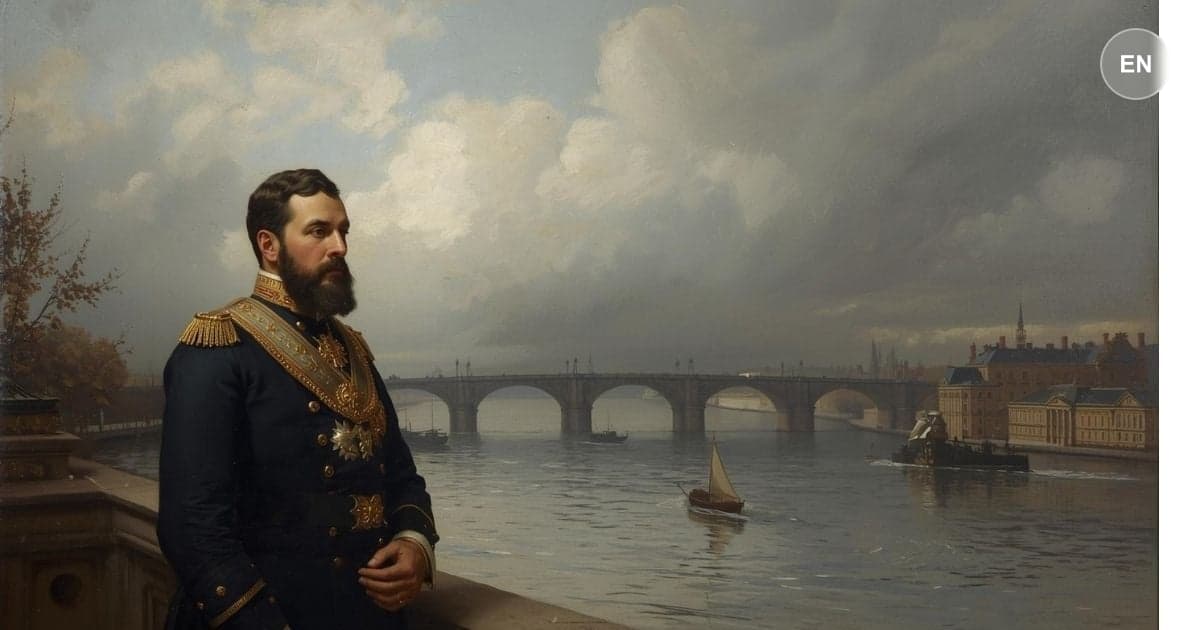
The Underground Man is forty, a retired collegiate assessor living on six thousand roubles in a wretched Petersburg room. He is too conscious to become anything definite, and he treats that failure as proof of intelligence. At twenty-four he is the same man with less money and more theater: he rehearses bumping an officer, crashes a dinner where Simonov and three schoolfellows do not want him, and hunts them through wet snow. Liza is the young woman in the brothel who believes the speech about dignity. Apollon is the servant he cannot command. The imagined gentlemen he argues with in Part I never leave the room.
He refuses a doctor out of spite and feuds eighteen months over a clanking sword. He calls consciousness a disease and envies the bull who acts without a second thought. He says twice two makes four is the beginning of death, and that people will smash a crystal palace just to prove they are not piano keys. At twenty-four he prepares all night for a dinner that humiliates him, races a sledge through wet snow, and finds Liza. He paints her a future of love so exact she weeps. Days later she comes to his room. He rages, offers money, and drives her out. She leaves the crumpled note. He stays underground.
Dostoevsky is answering Nikolai Chernyshevsky's What Is to Be Done?, the fashionable claim that once people understand their rational self-interest they will choose virtue and build a perfect society. He had stood before a firing squad, served four years in a Siberian prison, and watched people choose suffering they could name. He never treats the Underground Man as a villain you can dismiss, or as a prophet you should copy. The man knows the kind act and still performs the cruel one. Insight is not the cure. It is the weapon he turns on himself and on anyone who gets close enough to see him. A theory built to flatter its believer was exactly what a Siberian barracks had already taught him not to trust.
Read the full summary on the book page →
Why this book now
People still arrive at this book after they have diagnosed their own pattern in precise language and found that the diagnosis changed nothing. Dostoevsky does not let self-awareness double as a cure, and he does not let the reader enjoy the insight from a safe distance either: a man can see exactly how his spite works, narrate it beautifully, and still drive away the one person who took him at his word. This guide keeps that argument tied to a clanking sword, a forced dinner, and a crumpled note in the snow.
About Fyodor Dostoevsky
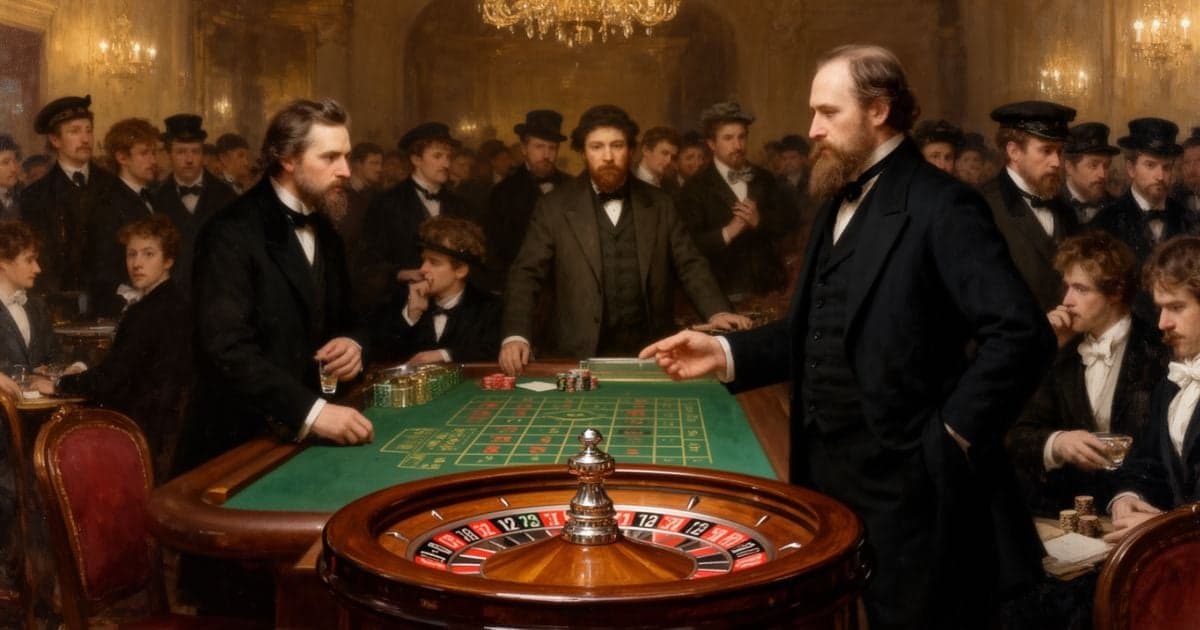
Fyodor Dostoevsky (1821-1881) was born in Moscow, the son of a doctor, and sent to a military engineering school he hated. In 1849 he was arrested with the Petrashevsky Circle, stood before a firing squad, and received a last-minute reprieve. Four years of hard labor in Siberia and more years of forced service followed. Epilepsy, gambling, and the deaths of his first wife and his brother belong to the same season as this book. Notes from Underground appeared in 1864 as a direct attack on Chernyshevsky's rational utopia. The unnamed narrator, spiteful and paralyzed, became the template for the modern antihero. Dostoevsky went on to Crime and Punishment, The Idiot, Demons, and The Brothers Karamazov. His gift was refusing the comforting claim that people will do the good once they understand it. He had seen prisoners and officials choose dignity over advantage, and cruelty over peace. This short book is where he first said it plainly: freedom matters more to us than happiness, and the deepest suffering is often inflicted by the person who sees himself most clearly.
Themes with proof
Lessons from Notes from Underground
Six patterns Dostoevsky traces through the same notebook: breaking the analysis paralysis loop before insight becomes a reason not to move, seeing through intellectual pride that mistakes consciousness for rank, holding a grievance as identity long after the original slight would have faded, understanding free will against the promise that pure reason makes people good, reading performed vulnerability even in a confession, and recognizing self-sabotage in the way he treats the one person who believed him. Each spoke ties named scenes to chapter proof.
Breaking the Analysis Paralysis Loop
Watch consciousness become a disease, the mouse lose to the bull, and insight turn into a reason not to move.
To be too conscious is an illness—a real thorough-going illness.
Recognizing Self-Sabotage Patterns
Sit with Liza after the speech: she believes him, then he rages, offers money, and drives her out.
Self-sabotage starts before the destruction. It starts when a real encounter arrives and the identity that needed isolation has to decide whether…
Deep dives
Chapter-by-chapter breakdowns
Understanding Free Will vs. Rational Self-Interest
Hear why twice two makes four can feel like an insult, and why people smash a crystal palace to stay free.
I refuse to consult a doctor from spite. That you probably will not understand. Well, I understand it, though.
Reading Performed Vulnerability
Tell a real confession from the performance of honesty: the opening lies, the toothache moans, the masks when Liza knocks.
I was lying when I said just now that I was a spiteful official. I was lying from spite.
Character guide
Key Figures
Who drives the plot, what each one wants, and why they matter to the argument of the book.
The Underground Man
Unnamed narrator, forty, a retired clerk who treats his own precise self-diagnosis as proof of intelligence rather than a reason to change anything.
Liza
Young woman in a brothel who believes the speech he makes about dignity and a different life, then comes to collect on it.
Apollon
His servant, whose calm refusal to be commanded needles the narrator far more than any argument from an equal ever could.
Zverkov
Former schoolfellow, now an officer, whose farewell dinner the narrator forces his way into after preparing all night for a snub he then receives anyway.
Simonov
Another former schoolfellow who organizes Zverkov's dinner and reluctantly lends the narrator money he cannot really spare.
Memorable lines
Key Quotes
Verified passages with chapter links — the lines teachers and essays keep returning to.
“I am a sick man.... I am a spiteful man. I am an unattractive man.”
“I refuse to consult a doctor from spite. That you probably will not understand. Well, I understand it, though.”
“I tell you solemnly, that I have many times tried to become an insect. But I was not equal even to that.”
“To be too conscious is an illness—a real thorough-going illness.”
“Such a gentleman simply dashes straight for his object like an infuriated bull with its horns down, and nothing but a wall will stop him.”
“I envy such a man till I am green in the face. He is stupid. I am not disputing that, but perhaps the normal man should be stupid.”
“They are not candid moans, they are malignant moans, and the malignancy is the whole point.”
“The consciousness that you have no enemy to punish, but that you have pain.”
“It was very dull to sit with one's hands folded, and so one began cutting capers.”
“In the depth of my heart there was no faith in my suffering, only a faint stir of mockery, but yet I did suffer, and in the real, orthodox way.”
“Oh, if I had done nothing simply from laziness! Heavens, how I should have respected myself, then.”
“Sluggard—why, it is a calling and vocation, it is a career.”
“Oh, the babe! Oh, the pure, innocent child! Why, in the first place, when in all these thousands of years has there been a time when man has acted only from his own interest?”
“Within a quarter of an hour, without any sudden outside provocation, but simply through something inside him which is stronger than all his interests, he will go off on quite a different tack.”
“What is a man without desires, without free will and without choice, if not a stop in an organ?”
Class & essay prep
Discussion Questions
Sample prompts drawn from the chapter guides — each with suggested answers for seminars and written work.
The narrator opens by calling himself sick, spiteful, and unattractive, then immediately admits he may be lying. What does this double move tell us about his relationship with honesty?
From Chapter 1Why does the Underground Man refuse to see a doctor despite knowing his refusal only harms himself?
From Chapter 1The Underground Man says he tried many times to become an insect but was not equal even to that. What was he actually trying to achieve?
From Chapter 2How does the Underground Man's resentment cycle work, where bitterness turns into sweetness and then into real enjoyment? What is actually happening to him?
From Chapter 2What is the key difference the Underground Man identifies between the direct man, the bull, and himself?
From Chapter 3He claims to envy the direct man intensely but also calls him stupid. What is he actually feeling, and why does he disguise it as contempt?
From Chapter 3The Underground Man distinguishes between candid moans and malignant moans. What makes a moan malignant, and who is it aimed at?
From Chapter 4Why does he say there is no enemy to punish in toothache, and why is that absence of an enemy the worst part?
From Chapter 4The Underground Man says he was most liable to get into trouble when he was not to blame. Why does the absence of guilt make the trouble worse rather than better?
From Chapter 5He describes weeping genuine tears of penitence and then noticing a faint stir of mockery underneath it. What is this mockery, and does it cancel the emotion?
From Chapter 5What specific quality would laziness give the Underground Man that he currently lacks?
From Chapter 6Why does the Underground Man specifically imagine a good round belly and a treble chin as signs of success? What is he actually describing?
From Chapter 6What is the rationalist premise the Underground Man attacks in this chapter, and what historical evidence does he offer against it?
From Chapter 7How does the Underground Man use the example of the man who gives a speech about his virtuous future and then does the opposite within fifteen minutes?
From Chapter 7What does the Underground Man mean when he says a man without desires and free will would be a stop in an organ?
From Chapter 8Chapter by chapter
All Chapters
Grouped by 2 sections — the same structure as the book hub.
Part I
Chapters 1–11 · Underground
Ch. 1 · The Spite That Hides Our PainThe sword feud that names real spite
We meet our narrator: a 40-year-old former government clerk, now retired on a small inheritance, living alone in a wretched room on the outskirts of S...
Ch. 2 · The Disease of Too Much Thinking
The Underground Man opens with a question he left hanging at the end of Chapter 1: why couldn't he even become an insect? He tried, he says, many time...
Ch. 3 · The Mouse and the BullThe mouse and the bull
This chapter delivers the book's most memorable image: the bull and the mouse. The "direct" man, the man of action, charges at his object like an infu...
Ch. 4 · The Pleasure of Pain
The chapter opens mid-argument. An imagined voice mocks him: "Ha, ha, ha! You will be finding enjoyment in toothache next." He answers flatly: yes, ev...
Ch. 5 · The Paralysis of Overthinking
The chapter opens by picking up directly from Chapter 4's closing question about self-respect. He clarifies he isn't being remorseful, he couldn't sta...
Ch. 6 · The Beautiful Delusion of Being Something
This is the shortest chapter in Part I and the funniest. It opens with a sigh: if only he had done nothing simply from laziness. Then at least he'd ha...
Ch. 7 · The Rebellion Against Logic
The Underground Man dismisses his sluggard fantasy as "golden dreams" and pivots to his most sustained philosophical attack. The target: the rationali...
Ch. 8 · The Problem with Being Predictable
The chapter opens with a voice cutting in: "Science has succeeded in so far analysing man that we know already that choice and what is called freedom ...
Ch. 9 · The Joy of DestructionTwice two makes four as an insult
The Underground Man opens with a concession: he is joking, he knows his jokes are not brilliant, but one can take everything as a joke. He is, perhaps...
Ch. 10 · The Crystal Palace RebellionThe crystal palace rebellion
The shortest chapter in Part I and its closing argument. The Underground Man turns the crystal palace image directly on the reader: you believe in a p...
Ch. 11 · The Contradictions of Self-Awareness
The last chapter of Part I opens with what sounds like a conclusion: the long and short of it is that conscious inertia is best. Hurrah for undergroun...
Part II
Chapters 12–21 · Apropos of the Wet Snow
Ch. 12 · The Underground Man at Twenty-Four
Part II begins. The Underground Man is twenty-four. His life is gloomy, ill-regulated, solitary as a savage. He makes no friends, buries himself in hi...
Ch. 13 · Escape into Dreams and Forced Social Contact
After each period of dissipation comes remorse, and then he grows used to the remorse too. His escape: the sublime and the beautiful. He was a terribl...
Ch. 14 · Forcing My Way In
He arrives at Simonov's to find two old schoolfellows already there. They scarcely notice his entrance, "evidently they looked upon me as something on...
Ch. 15 · The Dinner Party DisasterThe dinner party disaster
He had been certain the day before that he should be the first to arrive. He was right about that, but for the wrong reason. The dinner had been chang...
Ch. 16 · The Sledge Ride to Reckoning
He runs headlong downstairs after them. "So this is it, this is it at last, contact with real life," he mutters. "This is very different from the Pope...
Ch. 17 · The Underground Man Meets LizaMeeting Liza
The Underground Man awakens in a brothel beside Liza, a twenty-year-old woman from Riga who has been working there for two weeks. What begins as awkwa...
Ch. 18 · The Cruel Truth About Salvation
The Underground Man is in the middle of a long monologue to Liza, and he knows exactly what he's doing. He tells her he is speaking stiffly, artificia...
Ch. 19 · The Masks We Wear When Cornered
He wakes up the next morning and refuses the truth. Last night's emotion with Liza? "Such an attack of womanish hysteria, pah!" He has given her his a...
Ch. 20 · The Moment of Truth Arrives
The chapter opens on the exact scene he had imagined in a fit of depression, and it is worse. He stands before Liza crushed, crestfallen, revoltingly ...
Ch. 21 · The Final Cruelty and Underground RetreatThe crumpled note in the snow
He is pacing the room in frenzied impatience, going up to the screen every few minutes to peek through the crack. Liza is sitting on the ground with h...
Using this guide
Study Guide FAQ
How to use Wide Reads for class, essays, and revision — and how this guide compares to traditional study sites.
Why Wide ReadsWhat makes this different from SparkNotes or CliffsNotes?
Traditional study guides summarise what happens in Notes from Underground. This guide gives you that coverage: all twenty-one chapters, five key figures, four quotes per chapter, and five discussion questions with suggested answers. Wide Reads adds Breaking the Analysis Paralysis Loop and Holding a Grievance as Identity traced through named scenes like the sword feud and the dinner at Zverkov's. Summaries include audio; the original text sits beside every chapter. Free, no paywall.
Is Notes from Underground hard to read?
Notes from Underground is rated intermediate difficulty. Our chapter-by-chapter analysis breaks down complex passages, explains historical context, and highlights key themes to make the text more accessible. Each chapter includes summaries, character analysis, and discussion questions to deepen your understanding.
Can I use this study guide for essays and homework?
Yes — use this reading guide alongside Notes from Underground, not instead of it. Wide Reads exists to show you why the book still matters: lessons, chapter summaries with audio, and life skills you can carry into real life. That context can sharpen essays on themes, characters, and quotes. Always read Fyodor Dostoevsky's original text, though. We are the guide at the trailhead; the classic is still the point.
Begin with the confession
Chapter 1 opens with a man admitting he is probably lying before he has told you anything at all. Each chapter adds summaries, quotes, audio, and the life-skill thread that makes this notebook argue with you directly.
Wide Reads is different.
Plot, characters, and themes — plus audio, source text, and patterns you can use after class
Two ways in
Read & listen to the summary
Chapter by chapter, with audio. The meaning arrives because you experienced it — not because someone listed bullet points.
Start with this.
Read the original text
The actual words the author wrote, alongside every summary. Use the guide, then step into the source.
Then step into the source.
Either way, the door opens inward.
— and most of all, Why does this matter?
Continue Exploring
Guides, life skills, and the full library.More ways to read Notes from Underground: guides, life skills, and the wider library.