Wide Reads
Literature MattersLife IndexEducators
Sign in
Where to Begin

The Cruel Truth About Salvation — Notes from Underground

Notes from Underground - The Cruel Truth About Salvation

Fyodor Dostoevsky

Notes from Underground

The Cruel Truth About Salvation

Home›Books›Notes from Underground›Chapter 18: The Cruel Truth About Salvation
Previous
18 of 21
Next

Analysis by the Wide Reads editorial team·Reviewed against the source text·Updated September 1, 2024

Summary

The Cruel Truth About Salvation

Notes from Underground by Fyodor Dostoevsky

0:000:00
Listen to Next Chapter

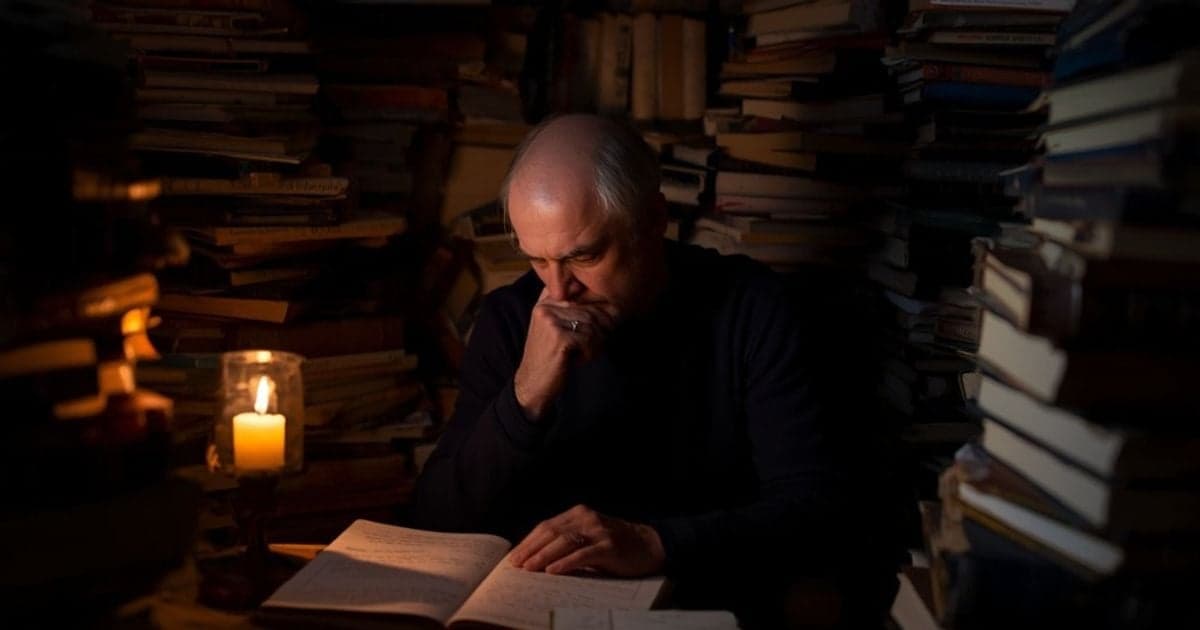
The Underground Man is in the middle of a long monologue to Liza, and he knows exactly what he's doing. He tells her he is speaking stiffly, artificially, even bookishly: "I could not speak except 'like a book.'" But that does not trouble him. He knows he will be understood. He suspects the bookishness might even help.

The speech itself moves through several registers. First, the contrast: here, at this place, he felt sick the moment he came to himself. One can only come here when drunk. But if she were anywhere else, living as good people live, he might have been attracted to her, might have fallen in love with her, would have gone down on his knees to her, looked upon her as his betrothed, thought it an honour to be allowed to. Here, he has only to whistle and she must come whether she likes it or not. Even the lowest labourer who hires himself out retains the knowledge that he will be free again presently. When is she free? What is it she is making a slave of? Her soul, together with her body. She is selling her soul which she has no right to dispose of. Love, he says, is a priceless diamond, a maiden's treasure, and she is giving it to be outraged by every drunkard.

Then the mechanics of her ruin: she is in debt and will always be in debt. When her youth goes, she will be kicked out, but not simply kicked out; long before that the madam will nag her and abuse her as though she had beggared the establishment, not the other way around. Her companions will turn on her too, all are in slavery here and have lost all conscience and pity. At twenty-two she will look like a woman of five-and-thirty.

Then the New Year's Day woman. He saw her himself: turned out as a joke at nine in the morning because she had been crying too much, to give her a taste of the frost. She was drunk, dishevelled, half-naked, covered with bruises, face powdered, black eye, blood from her nose, sitting on stone steps holding a salt fish and beating the steps with it. Cabmen and drunken soldiers crowding in the doorway, taunting her. Eight or ten years ago, he says, that woman came here fresh as a cherub, innocent, blushing at every word. Perhaps she was like Liza. Perhaps she knew what happiness was in store for the man she would love.

Then the death scene. Thrust dying into the filthiest cellar corner, damp and darkness. Strange hands will lay her out with grumbling and impatience. They will buy a cheap coffin, take her to the grave like that poor woman today, and celebrate her memory at the tavern. In the grave, sleet, filth, wet snow. "Let her down, Vanuha, it's just like her luck, even here she is head-foremost." The blue clay scattered as fast as possible, everyone off to the tavern. Other women have children to go to their graves, fathers, husbands. For her: neither tear, nor sigh, nor remembrance. As though she had never been born. Nothing but filth and mud, however she knocks at her coffin lid at night, however she cries: "Let me out, kind people, to live in the light of day! My life was no life at all; my life has been thrown away like a dish-clout."

He works himself up to such a pitch that he gets a lump in his throat, and then stops. Sits up in dismay. Listens with a beating heart.

Here is the confession within the speech: he had felt for some time that he was turning her soul upside down and rending her heart, and the more he was convinced of it, the more eagerly he desired to gain his object as quickly and as effectually as possible. It was the exercise of his skill that carried him away. Yet it was not merely sport.

He had never witnessed such despair. She is lying face down, face thrust into the pillow, clutching it in both hands, her youthful body shuddering all over as though in convulsions. Suppressed sobs rent her bosom, bursting into weeping and wailing, then pressing closer into the pillow, she did not want a living soul to know of her anguish. She bites the pillow, bites her hand until it bleeds. He begins saying something, trying to calm her, but feels he does not dare. In a cold shiver, almost in terror, he fumbles in the dark, trying hurriedly to dress and get away.

He finds a box of matches, lights a candle. In the sudden light: Liza springs up, sits in bed, looks at him with a contorted face and a half-insane smile, almost senselessly. He sits beside her, takes her hands. She makes an impulsive movement toward him, would have caught hold of him, but does not dare. She bows her head slowly.

He says he was wrong, asks forgiveness. She squeezes his hand so hard that he knows he is saying the wrong thing and stops. He gives her his address. "Come to me." She answers resolutely: "I will come."

He moves to leave. She flushes, wraps a shawl around herself, gives a sickly smile. Then, in the passage, she stops him with her hand on his overcoat, puts down the candle, and runs off. She returns a minute later with a piece of paper, a love letter from a medical student who had known her as a child in Riga, had danced with her all evening at a party at a good family's house three days ago, had talked to her and knew her parents but knew nothing, nothing, of her life here. His face was positively beaming with naïve, almost childish, triumph as she held it out.

The poor girl was keeping that letter as her only treasure. She had run to fetch it because she did not want him to go away without knowing that she, too, was honestly and genuinely loved; that she, too, was addressed respectfully. He says nothing. Presses her hand. Goes out.

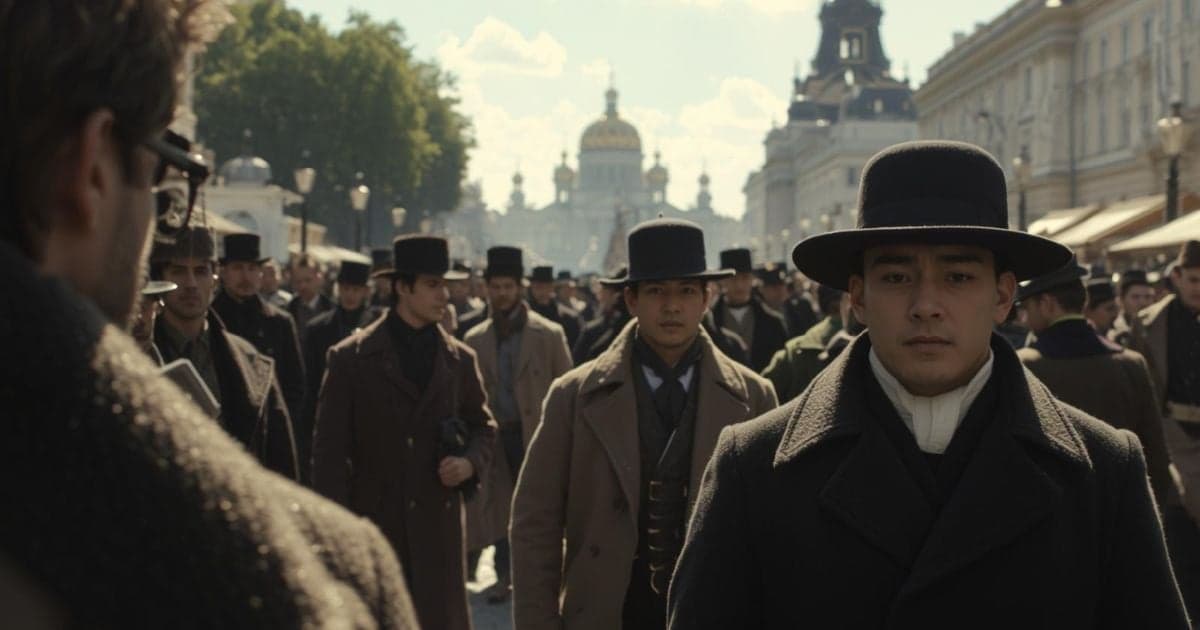
He walks the whole way home through the heavy wet snow. Exhausted, shattered, in bewilderment. "But behind the bewilderment the truth was already gleaming. The loathsome truth."

In this chapter: Terms Characters Key Quotes Themes Modern Story

Why This Matters

Connect literature to life

Skill: Reading Power Dynamics

The cruelest thing you can do with someone's genuine suffering is turn it into a demonstration of your superior understanding. The Underground Man continues his speech to Liza knowing he is speaking artificially and bookishly, even liking the bookishness because it puts him in control, while Liza receives it as real because she has no reason yet to know it is not, and by the time he rides home through the wet snow the loathsome truth is already gleaming: he used her pain to feel effective. When you are about to share something true and important with someone who is vulnerable, check whether you are doing it to help them or to feel capable.

Coming Up in Chapter 19

The Underground Man returns to his apartment, but his encounter with Liza isn't over. What happens when someone you've tried to 'save' actually shows up at your door, ready to take you at your word?

Share it with friends

PreviousPrevious ChapterNextNext Chapter
Original text
3,014 wordscomplete

Chapter 18

The Cruel Truth About Salvation

PART II — À Propos of the Wet Snow Chapter VII “Oh, hush, Liza! How can you talk about being like a book, when it makes even me, an outsider, feel sick? Though I don’t look at it as an outsider, for, indeed, it touches me to the heart.... Is it possible, is it possible that you do not feel sick at being here yourself? Evidently habit does wonders! God knows what habit can do with anyone. Can you seriously think that you will never grow old, that you will always be good-looking, and that they will keep you here…

Public-domain chapter text, formatted for reading.

Master this chapter. Complete your experience

Purchase the complete book to access all chapters and support classic literature

Buy at Powell's

Available in paperback, hardcover, and e-book formats

Now let's explore the literary elements.

Key Quotes & Analysis

"I knew I was speaking stiffly, artificially, even bookishly, in fact, I could not speak except 'like a book.' But that did not trouble me: I knew, I felt that I should be understood and that this very bookishness might be an assistance."

— Narrator

Context: His internal commentary while delivering the monologue to Liza

He is aware — in real time — that his passion is performed. He is not moved by Liza's situation; he is exercising a skill. And crucially: he thinks the artificiality might actually work better, because it has a literary quality she can follow. He is using the tools of sincerity without the thing itself.

In Today's Words:

I was performing, I knew I was performing, and I kept going because the content was true even if the delivery was theater. I had made a kind of peace with this split: the words could be genuine even when the speaker was not. Whether Liza deserved a less managed version of the truth did not occur to me in the moment.

"My life was no life at all; my life has been thrown away like a dish-clout; it was drunk away in the tavern at the Haymarket; let me out, kind people, to live in the world again."

— Narrator

Context: The imagined cry from the coffin — the climax of his speech to Liza about where her life is heading

He puts these words in the mouth of a dead woman who is also a future Liza. It is rhetorical, borrowed, theatrical — and it works. The image is grotesque and specific: a dish-clout, drunk away in a tavern, knocking on a coffin lid. His bookishness finds its most powerful moment in a scene he has constructed entirely from imagination.

In Today's Words:

My skill carried me away, which is a precise description of what happened. The skill is real. The carrying away is real. What is not real, or not quite real, is any claim that the skill was in service of Liza rather than in service of demonstrating the skill.

"The poor girl was keeping that student's letter as a precious treasure ... because she did not want me to go away without knowing that she, too, was honestly and genuinely loved; that she, too, was addressed respectfully."

— Narrator

Context: Interpreting why Liza ran back to fetch the medical student's letter as he was leaving

This is the chapter's emotional centre, and it does not belong to him. She is not trying to impress him or manipulate him — she simply cannot bear to be thought of as only what she is here. The letter is three days old and will lead nowhere. She has kept it. The naïve triumph on her face as she holds it out is the most devastating thing in the chapter.

In Today's Words:

I gave her the speech about her life being thrown away like a dish-clout, not loved and not remembered, and meant every word of it, and used every word of it deliberately. The truth value and the instrumental value were both present. I am not sure which made the other worse.

"But behind the bewilderment the truth was already gleaming. The loathsome truth."

— Narrator

Context: Walking home alone through the wet snow after leaving Liza

He knows what he has done — not the speech, but the reason for it. The truth is loathsome because it is about him, not her. He had wielded her despair like an instrument. He had felt power over her suffering and pressed harder because of it. He is beginning to understand what kind of person he is.

In Today's Words:

She had kept the student's letter somewhere on her body, not because it said anything particularly true, but because someone had written it to her. Someone had taken the time to put her into words and give the words to her. That was the whole of what she needed, and it was not what I had given her.

Thematic Threads

Power

In This Chapter

The Underground Man wields his intellectual superiority like a weapon, enjoying his ability to devastate Liza with words

Development

Evolved from his earlier resentment of others' power to him actively exercising destructive power over someone vulnerable

In Your Life:

You might recognize this when you find yourself enjoying someone's discomfort after you've 'corrected' or 'educated' them

Class

In This Chapter

The Underground Man uses his education and social position to psychologically torture someone from a lower class

Development

Developed from his earlier class anxiety into active exploitation of class differences

In Your Life:

You see this when people use their professional knowledge or social status to make others feel small

Identity

In This Chapter

Liza's desperate need for dignity is revealed through her treasured love letter - proof someone once saw her as worthy

Development

Builds on earlier themes of seeking recognition, now showing how identity depends on others' validation

In Your Life:

You might recognize this in your own need for certain possessions or memories that prove your worth to yourself

Deception

In This Chapter

The Underground Man deceives himself about his motivations, claiming to help while actually enjoying his cruelty

Development

Deepened from earlier self-deception into active self-justification of harmful behavior

In Your Life:

You see this when you tell yourself you're 'being honest' or 'helping' someone while actually being cruel

Human Connection

In This Chapter

Liza's love letter represents authentic human connection, contrasting sharply with the Underground Man's manipulative interaction

Development

Introduced here as a counterpoint to the Underground Man's twisted relationships

In Your Life:

You recognize this in the difference between relationships that build you up versus those that tear you down

You now have the context. Time to form your own thoughts.

Discussion Questions

This is not a test. Five prompts guide you through the chapter, from how it opens to how it closes, so you notice context and rhythm rather than facts to memorize. Sit with each question in your own words. When you see "One way to read it," treat it as a starting point, not the only answer.

  1. 1

    The Underground Man says he is speaking bookishly but expects to be understood anyway. What allows him to believe that an artificial performance will produce a genuine response in Liza?

    ▶One way to read it

    He knows the content is true even if the delivery is artificial. He is betting that the truth of what he says will reach her regardless of how he says it, and he is right. But this confidence is also self-serving: it lets him take credit for the emotional effect without having to be genuinely present.

    analysis • surface
  2. 2

    He realizes riding home that the speech to Liza was primarily about his need to feel effective. At what point in the scene did that become clear, and what made it visible?

    ▶One way to read it

    The moment Liza breaks down crying, he expects to feel moved on her behalf and instead notices he is satisfied with his own performance. The satisfaction tips him off. He produced the feeling of someone who has won an argument, not the feeling he expected to have.

    analysis • medium
  3. 3

    He admits he spoke stiffly and artificially, then says this did not matter because he was going to be understood anyway. When have you communicated something important in a way you knew was not quite authentic? Did it land?

    ▶One way to read it

    The chapter suggests it sometimes works when the content is powerful enough to survive the delivery. But the speaker pays a price: they cannot fully take credit for the connection because they know the truth was doing the work, not them.

    application • medium
  4. 4

    Liza receives the Underground Man's speech as a genuine offer of rescue. He knows it was not. Who bears responsibility for the effect of a communication when the receiver's interpretation differs from the sender's intent?

    ▶One way to read it

    The chapter implies that the Underground Man bears significant responsibility because he knew the gap existed and used it deliberately. The fact that Liza may have been genuinely helped does not dissolve the manipulation; it makes the situation more complicated rather than less.

    application • deep
  5. 5

    The chapter closes with the phrase the loathsome truth. What is that truth, and why does he find it loathsome rather than simply disappointing?

    ▶One way to read it

    The truth is that he used a vulnerable person's pain to feel powerful at his lowest moment. It is loathsome rather than disappointing because he cannot claim ignorance; he knew exactly what he was doing and did it anyway. The self-knowledge that has always been his most prominent feature here convicts him without mercy.

    reflection • deep

Critical Thinking Exercise

10 minutes

Check Your Helping Motives

Think of a recent time you gave someone advice, corrected them, or shared your knowledge. Write down exactly what you said and how they reacted. Then honestly examine: Were you focused on helping them succeed, or on showing how much you knew? Did you enjoy their discomfort when you pointed out their mistake?

Consider:

  • •Notice if you felt satisfaction when the person seemed impressed by your knowledge
  • •Pay attention to whether you chose the kindest way to share information or the most dramatic
  • •Consider whether you followed up to see if your 'help' actually helped them

Journaling Prompt

Write about a time when someone's 'helpful' advice felt more like an attack. What would genuine help have looked like in that situation? How can you offer that kind of help to others?

Coming Up Next...

Chapter 19: The Masks We Wear When Cornered

The Underground Man returns to his apartment, but his encounter with Liza isn't over. What happens when someone you've tried to 'save' actually shows up at your door, ready to take you at your word?

Continue to Chapter 19
Previous
The Underground Man Meets Liza
Contents
Next
The Masks We Wear When Cornered
Keep exploring

Continue Exploring

Study guides, teaching tools, themes, and the full library.More ways to read Notes from Underground: study guides, teaching tools, and the wider library.

  • Notes from Underground Study Guide
  • Teaching Resources
  • Essential Life Index
  • Browse by Theme
  • All Books

You Might Also Like

Crime and Punishment cover

Crime and Punishment

Fyodor Dostoevsky

Also by Fyodor Dostoevsky

The Brothers Karamazov cover

The Brothers Karamazov

Fyodor Dostoevsky

Also by Fyodor Dostoevsky

The Gambler cover

The Gambler

Fyodor Dostoevsky

Also by Fyodor Dostoevsky

The Idiot cover

The Idiot

Fyodor Dostoevsky

Also by Fyodor Dostoevsky

Browse all 106+ books

Share This Chapter

Know someone who'd enjoy this? Spread the wisdom!

TwitterFacebookLinkedInEmail

Go further with Prestige

Unlock study guides and downloads, early access, and exclusive content — and support free access for everyone.

Subscribe to PrestigeCreate free account
Intelligence Amplifier
Intelligence Amplifier™Powering Wide Reads

Exploring human-AI collaboration through books, essays, and philosophical dialogues. Classic literature transformed into navigational maps for modern life.

2025 Books

→ The Amplified Human Spirit→ The Alarming Rise of Stupidity Amplified→ San Francisco: The AI Capital of the World
Visit intelligenceamplifier.org
hello@widereads.com

WideReads Originals

→ You Are Not Lost→ The Last Chapter First→ The Lit of Love→ Wealth and Poverty→ Wisdom for the Wounded
Arvintech
arvintechAmplify your Mind
Visit at arvintech.com

Navigate

  • Home
  • Library
  • Essential Life Index
  • How It Works
  • Subscribe
  • Account
  • About
  • Contact
  • Authors
  • Suggest a Book
  • Landings

Made For You

  • Trending
  • Students
  • Educators
  • Families
  • Readers
  • Literary Analysis
  • Finding Purpose
  • Letting Go
  • Recovering from a Breakup
  • Corruption
  • Gaslighting in the Classics

Newsletter

Weekly insights from the classics. Amplify Your Mind.

Legal

  • Privacy Policy
  • Terms of Service
  • Editorial Standards
  • Cookie Policy
  • Accessibility

Why Public Domain?

We focus on public domain classics because these timeless works belong to everyone. No paywalls, no restrictions—just wisdom that has stood the test of centuries, freely accessible to all readers.

Public domain books have shaped humanity's understanding of love, justice, ambition, and the human condition. By amplifying these works, we help preserve and share literature that truly belongs to the world.

A Pilgrimage

Powell's City of Books

Portland, Oregon

If you ever find yourself in Portland, walk to the corner of Burnside and 10th. The building takes up an entire city block. Inside is over a million books, new and used on the same shelf, organized by color-coded rooms with names like the Rose Room and the Pearl Room. You can lose an afternoon. You can lose a weekend. You will find a book you have been looking for your whole life, and three you did not know existed.

It is a pilgrimage. We cannot find a bookstore like it anywhere on earth. If you read the classics, and you ever get the chance, go. It belongs on every reader's bucket list.

Visit powells.com

We are not in any way affiliated with Powell's. We are just a very big fan.

© 2026 Wide Reads™. All Rights Reserved.

Intelligence Amplifier™ and Wide Reads™ are proprietary trademarks of Arvin Lioanag.

Copyright Protection: All original content, analyses, discussion questions, pedagogical frameworks, and methodology are protected by U.S. and international copyright law. Unauthorized reproduction, distribution, web scraping, or use for AI training is strictly prohibited. See our Copyright Notice for details.

Disclaimer: The information provided on this website is for general informational and educational purposes only and does not constitute professional, legal, financial, or technical advice. While we strive to ensure accuracy and relevance, we make no warranties regarding completeness, reliability, or suitability. Any reliance on such information is at your own risk. We are not liable for any losses or damages arising from use of this site. By using this site, you agree to these terms.