Wide Reads
Literature MattersLife IndexEducators
Sign in
Where to Begin
Notes from Underground - The Sledge Ride to Reckoning

Fyodor Dostoevsky

Notes from Underground

The Sledge Ride to Reckoning

Home›Books›Notes from Underground›Chapter 16
Previous
16 of 21
Next

Summary

The Sledge Ride to Reckoning

Notes from Underground by Fyodor Dostoevsky

0:000:00
Listen to Next Chapter

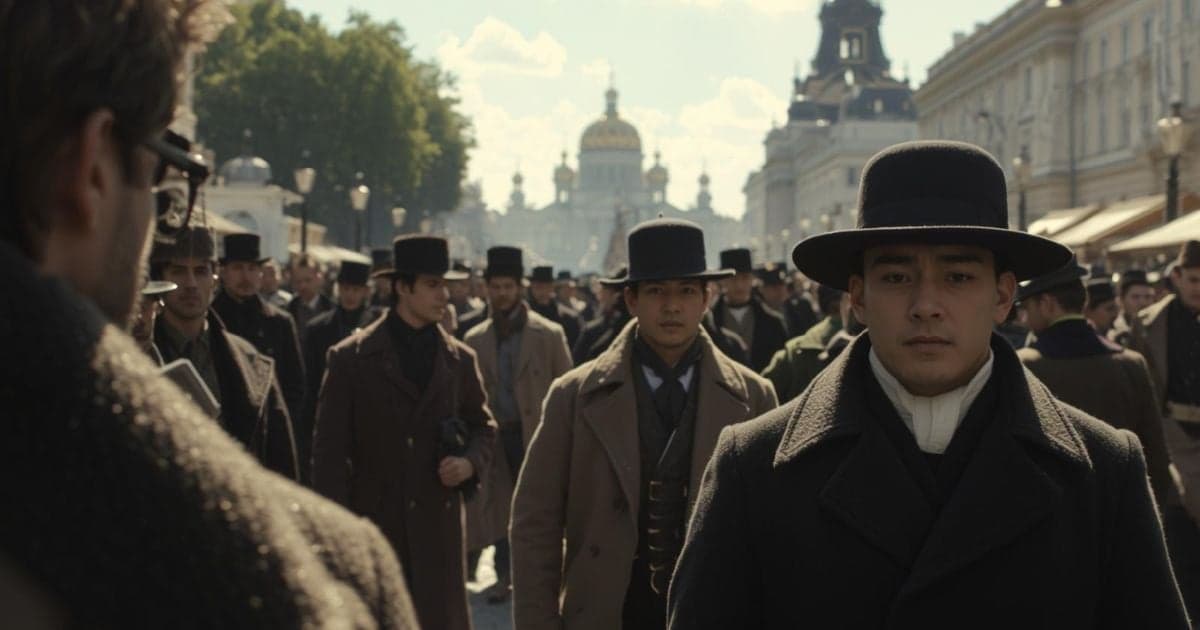
He runs headlong downstairs after them. "So this is it, this is it at last — contact with real life," he mutters. "This is very different from the Pope's leaving Rome and going to Brazil, very different from the ball on Lake Como!" The fantasy has collided with the actual world — and the actual world is a snowy Petersburg street at night. He hails a sledge. But as he raises his foot to climb in, the recollection of Simonov having just given him six roubles doubles him up and he tumbles into it like a sack. "No, I must do a great deal to make up for all that. But I will make up for it or perish on the spot this very night." His mind works out the plan with manic precision. He cannot hope they will beg for his friendship — "That is a mirage, cheap mirage, revolting, romantic and fantastical — that's another ball on Lake Como." Therefore he is bound to slap Zverkov's face. It is his duty. The logic of honour demands it: a slap brands a man, and cannot be wiped out by blows or anything except a duel. Zverkov will be forced to fight. He imagines the sequence: they will all beat him and kick him out — no matter; he will have had the initiative. At the door he will call out that they are not worth his little finger. The practicalities: pistols (salary in advance), a second (the first person on the street is bound to consent, by the laws of chivalry — even the director himself), the duel at daybreak. He works through it all. He also pictures what happens if Zverkov refuses to fight: he will turn up at the posting station when Zverkov sets off tomorrow, catch him by the leg, pull off his coat, bite his hand — "See what lengths you can drive a desperate man to!" He will shout to the assembled multitude. Then the fifteen-year fantasy. Prison, Siberia; fifteen years later he trudges back, a beggar in rags, to find Zverkov married and happy in a provincial town, a grown-up daughter. He will say: "Look, monster, at my hollow cheeks and my rags! I've lost everything — my career, my happiness, art, science, the woman I loved, and all through you." Then he will fire into the air and Zverkov will hear nothing more of him. He is on the point of tears — then catches himself: he knows perfectly well that all of this is out of Pushkin's Silvio and Lermontov's Masquerade. He is overcome with shame. He stops the horse. Gets out. Stands still in the snow in the middle of the street. The driver gazes at him, sighing, astonished. He cannot go on — it is evidently stupid. He cannot leave things as they are — that would be as though he had accepted the insult. "No! It is ordained! It is fate! Drive on!" He throws himself back into the sledge and, in his impatience, punches the driver on the back of the neck. He unbuttones himself against the wet snow, regardless of it. Forgetting everything else. "I had finally decided on the slap, and felt with horror that it was going to happen now, at once, and that no force could stop it." All was lost, anyway. The deserted street lamps gleam sullenly in the snowy darkness like torches at a funeral. He arrives almost unconscious, knocks and kicks at the door, feeling fearfully weak in his legs and knees. Simonov had warned them — another gentleman might arrive. It is one of those "millinery establishments" that were abolished by the police some time ago: a shop by day, a brothel by night if you had an introduction. There is no one there. They have already separated. And here is the shock he doesn't expect: he feels "as though I had been saved from death" — joyfully, all over. He should have given the slap, he is certain of it — but now they are not here and everything has vanished and changed. The entire furious, righteous purpose of the ride evaporates in an instant. He is relieved. He begins looking at the girl who has come in. A fresh, young, rather pale face, straight dark eyebrows, grave wondering eyes that attract him at once. He would have hated her if she had been smiling. Something simple and good-natured in her face — something that stood in her way here, he is sure, and that none of those fools had noticed. Something loathsome stirs in him. He goes straight up to her. He chances to look in the glass. His harassed face strikes him as revolting in the extreme — pale, angry, abject, dishevelled hair. "No matter, I am glad of it. I am glad that I shall seem repulsive to her; I like that."

Coming Up in Chapter 17

The Underground Man's encounter with this unnamed young woman will become the most significant relationship in his story. What begins as a chance meeting in a brothel will force him to confront deeper truths about himself than any imagined duel ever could.

Share it with friends

Previous ChapterNext Chapter
GO ADS FREE — JOIN US
Original text
complete·1,778 words
P

ART II — À Propos of the Wet Snow
Chapter V

“So this is it, this is it at last—contact with real life,” I muttered as I ran headlong downstairs. “This is very different from the Pope’s leaving Rome and going to Brazil, very different from the ball on Lake Como!”

“You are a scoundrel,” a thought flashed through my mind, “if you laugh at this now.”

“No matter!” I cried, answering myself. “Now everything is lost!”

There was no trace to be seen of them, but that made no difference—I knew where they had gone.

At the steps was standing a solitary night sledge-driver in a rough peasant coat, powdered over with the still falling, wet, and as it were warm, snow. It was hot and steamy. The little shaggy piebald horse was also covered with snow and coughing, I remember that very well. I made a rush for the roughly made sledge; but as soon as I raised my foot to get into it, the recollection of how Simonov had just given me six roubles seemed to double me up and I tumbled into the sledge like a sack.

1 / 12

Master this chapter. Complete your experience

Purchase the complete book to access all chapters and support classic literature

Buy at Powell's

Available in paperback, hardcover, and e-book formats

GO ADS FREE — JOIN US

Why This Matters

Connect literature to life

Skill: Recognizing Mental Theater

This chapter teaches how to identify when your brain is running elaborate scenarios that serve no practical purpose beyond emotional stimulation.

Practice This Today

This week, notice when you catch yourself rehearsing conversations or planning confrontations—set a five-minute timer to vent, then redirect that energy toward one concrete action you can actually take.

GO ADS FREE — JOIN US

Now let's explore the literary elements.

Key Quotes & Analysis

"So this is it, this is it at last—contact with real life. This is very different from the Pope's leaving Rome and going to Brazil, very different from the ball on Lake Como!"

— Narrator

Context: Running down the stairs after Zverkov and the others, throwing himself into a sledge

The Lake Como fantasy from Chapter 13 is named directly — and dismissed. The grandiose dreams are not just wrong in content; they are the wrong mode of being entirely. Real life, as it turns out, is a snowy street, a borrowed six roubles, and a plan that makes no sense.

In Today's Words:

So this is reality. Not the heroic version I rehearsed. This.

"They won't go down on their knees to beg for my friendship. That is a mirage, cheap mirage, revolting, romantic and fantastical—that's another ball on Lake Como. And so I am bound to slap Zverkov's face! It is my duty to."

— Narrator

Context: Working out the logic of what he must do, inside the racing sledge

The reasoning is internally coherent. If reconciliation is fantasy, then the only alternative within his honour-code framework is the slap. He is not being irrational — he is working through a system of logic that happens to be catastrophically misapplied to the situation.

In Today's Words:

They'll never respect me willingly. So I have to force a confrontation. That's the only other option.

"I was actually on the point of tears, though I knew perfectly well at that moment that all this was out of Pushkin's Silvio and Lermontov's Masquerade."

— Narrator

Context: After the fifteen-year revenge fantasy — returning from Siberia, his hollow cheeks, firing into the air

He knows where the script comes from. He names the sources. This doesn't stop him feeling it — being moved by it — until the shame catches up with the emotion. Knowing that his suffering is borrowed from literature does not make the suffering less real. It just makes it also humiliating.

In Today's Words:

I was genuinely moved by a fantasy I had plagiarised from novels I'd read.

"I felt as though I had been saved from death and was conscious of this, joyfully, all over: I should have given that slap, I should certainly, certainly have given it! But now they were not here and ... everything had vanished and changed!"

— Narrator

Context: Arriving at the brothel to find Zverkov and the others already gone

The relief is total — and it reveals what the whole ride actually was. He never wanted to give the slap. He wanted the drama of wanting to give it. The absence of Zverkov doesn't frustrate him; it releases him. He had been performing righteous fury for no one but himself.

In Today's Words:

They were gone. And honestly? I was relieved. Which tells you everything.

"No matter, I am glad of it. I am glad that I shall seem repulsive to her; I like that."

— Narrator

Context: Looking in the glass and seeing his dishevelled, abject face before approaching Liza

This is not passive resignation — it is active choice. He decides to use his repulsiveness as an instrument. Against a girl in a brothel, who has no power to defend against him, he will weaponise his own degradation. The cruelty begins here.

In Today's Words:

I look wrecked. Good. I want her to see that. I want to use it on her.

Thematic Threads

Self-Deception

In This Chapter

The Underground Man recognizes his fantasies come from literature yet continues indulging them

Development

Evolved from earlier passive self-awareness to active participation in his own delusions

In Your Life:

You might catch yourself rehearsing arguments you know you'll never have but can't stop planning.

Social Performance

In This Chapter

He wants to appear 'revolting' to the prostitute, performing even his self-disgust

Development

Deepened from earlier social awkwardness to deliberately crafted repulsiveness

In Your Life:

You might find yourself performing your worst qualities when you feel judged or rejected.

Literary Influence

In This Chapter

His revenge fantasies explicitly mirror Pushkin and Lermontov's romantic heroes

Development

First direct acknowledgment of how literature shapes his behavior patterns

In Your Life:

You might notice your relationship expectations come from movies rather than real experience.

Anticlimax

In This Chapter

All his dramatic preparation leads to finding his targets already gone

Development

Introduced here as the gap between internal drama and external reality

In Your Life:

You might spend hours preparing for confrontations that never materialize as expected.

Shame Cycles

In This Chapter

He feels ashamed of his literary fantasies but cannot stop creating them

Development

Intensified from general self-consciousness to specific shame about his mental processes

In Your Life:

You might feel embarrassed about your daydreams yet find yourself returning to them compulsively.

GO ADS FREE — JOIN US

You now have the context. Time to form your own thoughts.

Discussion Questions

  1. 1

    What elaborate fantasies does the Underground Man create during his sledge ride, and what actually happens when he arrives at his destination?

    analysis • surface
  2. 2

    Why does the Underground Man continue spinning dramatic revenge scenarios even though he recognizes they come from romantic novels and serve no real purpose?

    analysis • medium
  3. 3

    Where do you see people today getting caught up in internal dramas—rehearsing confrontations, planning perfect comebacks, or replaying grievances—that consume mental energy but accomplish nothing?

    application • medium
  4. 4

    How would you help someone recognize when they're stuck in 'mental theater mode' versus actually preparing for something useful?

    application • deep
  5. 5

    What does this chapter reveal about how our brains can become addicted to dramatic internal narratives, and why might this pattern be particularly strong in modern life?

    reflection • deep

Critical Thinking Exercise

10 minutes

Track Your Internal Theater

For the next 24 hours, notice when you catch yourself spinning elaborate mental scenarios—rehearsing conversations, planning confrontations, or replaying grievances. Each time, briefly note: What triggered it? How long did you spend on it? What were you hoping to accomplish? At the end, review your notes and identify your most common patterns.

Consider:

  • •Pay attention to when these mental dramas feel most compelling—during commutes, before sleep, or after conflicts
  • •Notice whether you're preparing for something real or just venting emotional energy
  • •Observe how these internal scenarios make you feel versus how they actually help you

Journaling Prompt

Write about your biggest 'mental theater' pattern. What situations trigger your most elaborate internal dramas? How much time and energy do you spend on scenarios that never play out as imagined? What would you do with that mental energy if you redirected it toward actual problem-solving?

GO ADS FREE — JOIN US

Coming Up Next...

Chapter 17: The Underground Man Meets Liza

The Underground Man's encounter with this unnamed young woman will become the most significant relationship in his story. What begins as a chance meeting in a brothel will force him to confront deeper truths about himself than any imagined duel ever could.

Continue to Chapter 17
Previous
The Dinner Party Disaster
Contents
Next
The Underground Man Meets Liza

Continue Exploring

Notes from Underground Study GuideTeaching ResourcesEssential Life IndexBrowse by ThemeAll Books

You Might Also Like

Crime and Punishment cover

Crime and Punishment

Fyodor Dostoevsky

Also by Fyodor Dostoevsky

The Brothers Karamazov cover

The Brothers Karamazov

Fyodor Dostoevsky

Also by Fyodor Dostoevsky

The Idiot cover

The Idiot

Fyodor Dostoevsky

Also by Fyodor Dostoevsky

Jane Eyre cover

Jane Eyre

Charlotte Brontë

Explores personal growth

Browse all 47+ books
GO ADS FREE — JOIN US

Share This Chapter

Know someone who'd enjoy this? Spread the wisdom!

TwitterFacebookLinkedInEmail

Read ad-free with Prestige

Get rid of ads, unlock study guides and downloads, and support free access for everyone.

Subscribe to PrestigeCreate free account
Intelligence Amplifier
Intelligence Amplifier™Powering Wide Reads

Exploring human-AI collaboration through books, essays, and philosophical dialogues. Classic literature transformed into navigational maps for modern life.

2025 Books

→ The Amplified Human Spirit→ The Alarming Rise of Stupidity Amplified→ San Francisco: The AI Capital of the World
Visit intelligenceamplifier.org
hello@widereads.com

WideReads Originals

→ You Are Not Lost→ The Last Chapter First→ The Lit of Love→ Wealth and Poverty→ 10 Paradoxes in the Classics · coming soon
Arvintech
arvintechAmplify your Mind
Visit at arvintech.com

Navigate

  • Home
  • Library
  • Essential Life Index
  • How It Works
  • Subscribe
  • Account
  • About
  • Contact
  • Authors
  • Suggest a Book
  • Landings

Made For You

  • Students
  • Educators
  • Families
  • Readers
  • Literary Analysis
  • Finding Purpose
  • Letting Go
  • Recovering from a Breakup
  • Corruption
  • Gaslighting in the Classics

Newsletter

Weekly insights from the classics. Amplify Your Mind.

Legal

  • Privacy Policy
  • Terms of Service
  • Cookie Policy
  • Accessibility

Why Public Domain?

We focus on public domain classics because these timeless works belong to everyone. No paywalls, no restrictions—just wisdom that has stood the test of centuries, freely accessible to all readers.

Public domain books have shaped humanity's understanding of love, justice, ambition, and the human condition. By amplifying these works, we help preserve and share literature that truly belongs to the world.

A Pilgrimage

Powell's City of Books

Portland, Oregon

If you ever find yourself in Portland, walk to the corner of Burnside and 10th. The building takes up an entire city block. Inside is over a million books, new and used on the same shelf, organized by color-coded rooms with names like the Rose Room and the Pearl Room. You can lose an afternoon. You can lose a weekend. You will find a book you have been looking for your whole life, and three you did not know existed.

It is a pilgrimage. We cannot find a bookstore like it anywhere on earth. If you read the classics, and you ever get the chance, go. It belongs on every reader's bucket list.

Visit powells.com

We are not in any way affiliated with Powell's. We are just a very big fan.

© 2026 Wide Reads™. All Rights Reserved.

Intelligence Amplifier™ and Wide Reads™ are proprietary trademarks of Arvin Lioanag.

Copyright Protection: All original content, analyses, discussion questions, pedagogical frameworks, and methodology are protected by U.S. and international copyright law. Unauthorized reproduction, distribution, web scraping, or use for AI training is strictly prohibited. See our Copyright Notice for details.

Disclaimer: The information provided on this website is for general informational and educational purposes only and does not constitute professional, legal, financial, or technical advice. While we strive to ensure accuracy and relevance, we make no warranties regarding completeness, reliability, or suitability. Any reliance on such information is at your own risk. We are not liable for any losses or damages arising from use of this site. By using this site, you agree to these terms.