Wide Reads
Literature MattersLife IndexEducators
Sign in
Where to Begin
Notes from Underground - The Joy of Destruction

Fyodor Dostoevsky

Notes from Underground

The Joy of Destruction

Home›Books›Notes from Underground›Chapter 9
Previous
9 of 21
Next

Summary

The Joy of Destruction

Notes from Underground by Fyodor Dostoevsky

0:000:00
Listen to Next Chapter

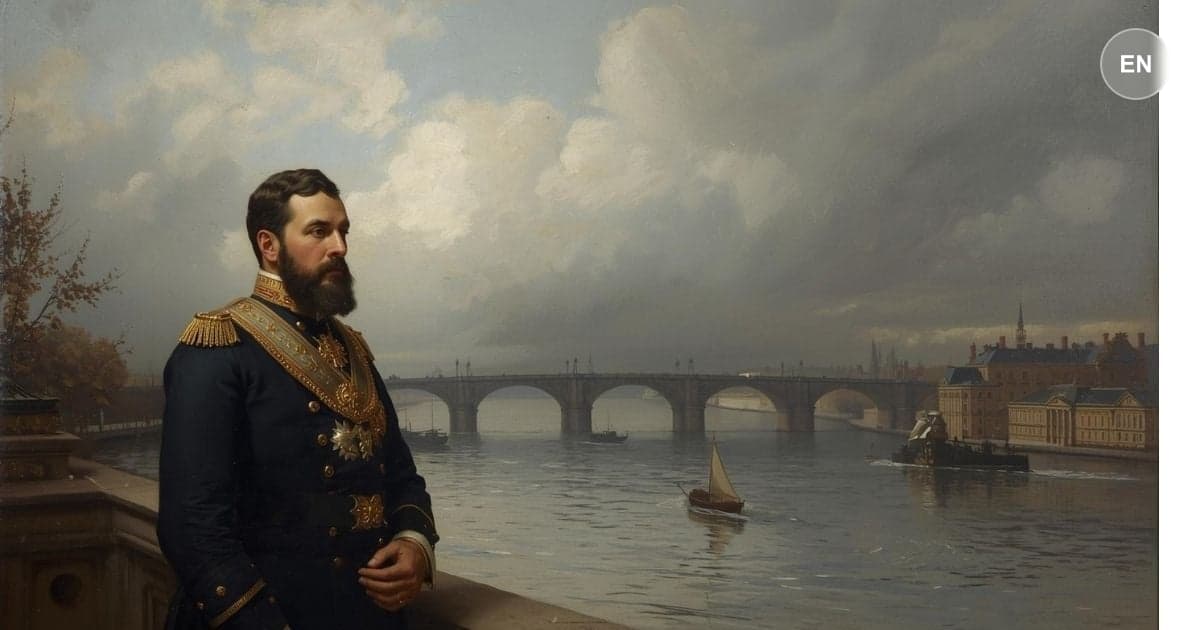
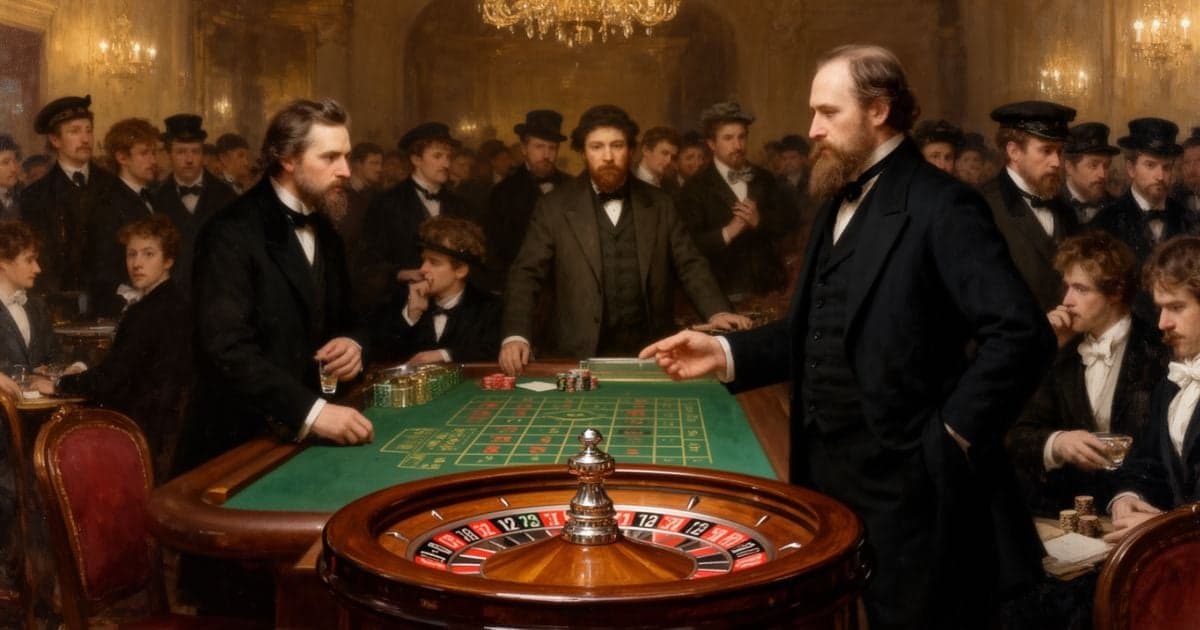
The Underground Man opens with a concession: he is joking, he knows his jokes are not brilliant, but one can take everything as a joke. He is, perhaps, jesting against the grain. Then immediately: he is tormented by questions. Answer them. The questions are genuine. You want to reform man's will in accordance with science and good sense — but how do you know it is even DESIRABLE to reform man that way? How do you know his inclinations NEED reforming? Why are you so convinced that acting in accordance with reason and arithmetic is always to man's advantage? "So far, you know, this is only your supposition. It may be the law of logic, but not the law of humanity." He concedes the creativity argument: man is pre-eminently a creative animal, predestined to make new roads wherever they may lead. But perhaps he goes off at a tangent precisely because he is predestined to make roads — and the destination is less important than the process of making it. And why does man also love chaos and destruction? Perhaps because he is instinctively afraid of attaining his object and completing the edifice. He may love the building from a distance but not want to live in it once finished. He'll leave it, when complete, for the use of les animaux domestiques — the ants, the sheep, and so on. The ants, he notes, have a marvellous edifice that endures forever. Greatest credit to their perseverance. But man is "frivolous and incongruous" — like a chess player, he loves the process of the game, not the end. Perhaps, he suggests, the only goal on earth to which mankind strives is the incessant process of attaining — life itself, not the thing to be attained. Because the thing to be attained must always be expressed as a formula, as certain as twice two makes four. And such certainty is not life — it is the beginning of death. Man quests for mathematical certainty but dreads finding it, because when he finds it there will be nothing left to look for. When workmen finish a job they at least get their pay, go to the tavern, get taken to the police station — occupation for a week. Where can man go once he has attained everything? "Twice two makes four is a pert coxcomb who stands with arms akimbo barring your path and spitting. I admit that twice two makes four is an excellent thing, but if we are to give everything its due, twice two makes five is sometimes a very charming thing too." On suffering: he is not arguing for it. He holds no brief for suffering nor for well-being either. He is standing for his caprice — and for it being guaranteed to him when necessary. But suffering would be out of place in the Palace of Crystal — the Crystal Palace requires no doubt, no negation. And yet man will never renounce real suffering, because suffering is the sole origin of consciousness. Though consciousness is the greatest misfortune, man prizes it and would not give it up. Once you have mathematical certainty there is nothing left to do or understand. But with consciousness you can at least, at times, flog yourself — and that will, at any rate, liven you up. "Reactionary as it is, corporal punishment is better than nothing."

Coming Up in Chapter 10

Having demolished the foundations of rational progress, the Underground Man prepares to get even more personal, diving deeper into his own twisted psychology and the price of his radical individualism.

Share it with friends

Previous ChapterNext Chapter
GO ADS FREE — JOIN US
Original text
complete·1,182 words
P

ART I — Underground
Chapter IX

1 / 4

Master this chapter. Complete your experience

Purchase the complete book to access all chapters and support classic literature

Buy at Powell's

Available in paperback, hardcover, and e-book formats

GO ADS FREE — JOIN US

Why This Matters

Connect literature to life

Skill: Recognizing Perfection Anxiety

This chapter teaches how to identify when resistance to positive change stems from fear of losing agency rather than actual problems with the change itself.

Practice This Today

This week, notice when you or others resist obviously good advice or opportunities, and ask: 'What would we lose if this problem got solved?'

GO ADS FREE — JOIN US

Now let's explore the literary elements.

Key Quotes & Analysis

"How do you know, not only that it is possible, but also that it is desirable to reform man in that way? It may be the law of logic, but not the law of humanity."

— Narrator

Context: Challenging the foundational premise of rationalist utopianism

This is the chapter's sharpest point and often overlooked. He is not arguing that reform fails — he is questioning whether anyone ever asked whether it is wanted. The distinction between what is logically sound and what is humanly true is the whole of his argument in miniature.

In Today's Words:

Just because it makes logical sense to improve people doesn't mean people want to be improved.

"Perhaps he only loves building it and does not want to live in it, but will leave it, when completed, for the use of les animaux domestiques—such as the ants, the sheep, and so on."

— Narrator

Context: On why man loves creation but also loves destruction — because completion terrifies him

The 'les animaux domestiques' is deliberate condescension: the perfected rational society is fit for creatures that don't mind being determined. Man, who is frivolous and incongruous, builds toward goals he secretly hopes never to reach — because reaching them would end the process, and the process is what he actually loves.

In Today's Words:

We build toward things we don't really want to arrive at. The journey is the point. The destination is for people with no imagination.

"Twice two makes four is a pert coxcomb who stands with arms akimbo barring your path and spitting. I admit that twice two makes four is an excellent thing, but if we are to give everything its due, twice two makes five is sometimes a very charming thing too."

— Narrator

Context: On mathematical certainty as a form of insolence

The personification of arithmetic as a smug obstacle is exact. He is not denying that two and two make four. He is denying that correct answers have the right to be triumphant about it. 'Twice two makes five' is charming not because it's true but because it refuses to be subordinated.

In Today's Words:

The right answer doesn't get to be smug about being right. Sometimes the wrong answer has better manners.

"Suffering is the sole origin of consciousness. Though I did lay it down at the beginning that consciousness is the greatest misfortune for man, yet I know man prizes it and would not give it up for any satisfaction."

— Narrator

Context: Closing the chapter — on why man will never renounce suffering even in a perfect world

This is the paradox that ties together all of Part I. Consciousness is what makes the Underground Man miserable. It is also what he would refuse to trade for anything. The Palace of Crystal offers happiness without doubt — which is happiness without consciousness — which is, in his terms, not life at all.

In Today's Words:

Awareness hurts. But the alternative — not being aware — is worse. Most people sense this even if they can't say why.

Thematic Threads

Identity

In This Chapter

The Underground Man argues that human contradictions and irrationality aren't flaws to fix but core aspects of identity

Development

Evolved from earlier shame about his nature to defending it as essentially human

In Your Life:

You might find yourself resisting good advice because accepting it feels like losing who you are

Social Expectations

In This Chapter

He rejects society's assumption that rational progress and human improvement are universally good

Development

Deepened from personal resentment to philosophical challenge of reform movements

In Your Life:

You might feel pressured to 'better yourself' in ways that don't honor your actual needs or values

Class

In This Chapter

Challenges the educated class's belief that they can rationally solve human nature through systems and reforms

Development

Expanded from personal class anxiety to critique of intellectual arrogance

In Your Life:

You might encounter people who think they know what's best for you without understanding your actual experience

Human Relationships

In This Chapter

Suggests that trying to perfect or rationalize human relationships kills what makes them meaningful

Development

Building toward his later interactions where theory meets messy reality

In Your Life:

You might find that relationships work better when you accept their imperfections rather than trying to optimize them

Personal Growth

In This Chapter

Argues that consciousness itself requires struggle and that 'growth' might mean accepting rather than changing our nature

Development

Shifted from self-hatred to defending the value of psychological complexity

In Your Life:

You might discover that some of your 'problems' are actually sources of creativity, empathy, or awareness

GO ADS FREE — JOIN US

You now have the context. Time to form your own thoughts.

Discussion Questions

  1. 1

    What does the Underground Man mean when he says humans might not want to be 'fixed' or perfected? What examples does he give?

    analysis • surface
  2. 2

    Why does the Underground Man get angry at 'twice two makes four'? What does this mathematical certainty represent to him?

    analysis • medium
  3. 3

    Think about someone you know who seems to sabotage their own success or pick fights when things are going well. How might the Underground Man's ideas explain this behavior?

    application • medium
  4. 4

    When you're trying to help someone improve their situation, how could you offer support without triggering their resistance to being 'fixed'?

    application • deep
  5. 5

    The Underground Man argues that struggle and even suffering keep us conscious and alive. What's the difference between choosing meaningful challenges versus being trapped in destructive patterns?

    reflection • deep

Critical Thinking Exercise

10 minutes

Track Your Own Resistance Patterns

Think of three times in your life when you resisted help, advice, or positive changes that would have been good for you. Write down each situation and identify what you were afraid of losing - was it control, identity, the right to struggle, or something else? Look for patterns in your resistance.

Consider:

  • •Consider both big moments (job opportunities, relationships) and small ones (daily habits, health changes)
  • •Notice if your resistance was about the change itself or about feeling like someone else was controlling your choices
  • •Think about times when you accepted help easily - what was different about those situations?

Journaling Prompt

Write about a current area of your life where you know you should make changes but find yourself resisting. What would it mean to honor both your need for improvement and your need for agency in that situation?

Coming Up Next...

Chapter 10: The Crystal Palace Rebellion

Having demolished the foundations of rational progress, the Underground Man prepares to get even more personal, diving deeper into his own twisted psychology and the price of his radical individualism.

Continue to Chapter 10
Previous
The Problem with Being Predictable
Contents
Next
The Crystal Palace Rebellion

Continue Exploring

Notes from Underground Study GuideTeaching ResourcesEssential Life IndexBrowse by ThemeAll Books

You Might Also Like

Crime and Punishment cover

Crime and Punishment

Fyodor Dostoevsky

Also by Fyodor Dostoevsky

The Brothers Karamazov cover

The Brothers Karamazov

Fyodor Dostoevsky

Also by Fyodor Dostoevsky

The Idiot cover

The Idiot

Fyodor Dostoevsky

Also by Fyodor Dostoevsky

Jane Eyre cover

Jane Eyre

Charlotte Brontë

Explores personal growth

Browse all 47+ books

Share This Chapter

Know someone who'd enjoy this? Spread the wisdom!

TwitterFacebookLinkedInEmail

Read ad-free with Prestige

Get rid of ads, unlock study guides and downloads, and support free access for everyone.

Subscribe to PrestigeCreate free account
Intelligence Amplifier
Intelligence Amplifier™Powering Wide Reads

Exploring human-AI collaboration through books, essays, and philosophical dialogues. Classic literature transformed into navigational maps for modern life.

2025 Books

→ The Amplified Human Spirit→ The Alarming Rise of Stupidity Amplified→ San Francisco: The AI Capital of the World
Visit intelligenceamplifier.org
hello@widereads.com

WideReads Originals

→ You Are Not Lost→ The Last Chapter First→ The Lit of Love→ Wealth and Poverty→ 10 Paradoxes in the Classics · coming soon
Arvintech
arvintechAmplify your Mind
Visit at arvintech.com

Navigate

  • Home
  • Library
  • Essential Life Index
  • How It Works
  • Subscribe
  • Account
  • About
  • Contact
  • Authors
  • Suggest a Book
  • Landings

Made For You

  • Students
  • Educators
  • Families
  • Readers
  • Literary Analysis
  • Finding Purpose
  • Letting Go
  • Recovering from a Breakup
  • Corruption
  • Gaslighting in the Classics

Newsletter

Weekly insights from the classics. Amplify Your Mind.

Legal

  • Privacy Policy
  • Terms of Service
  • Cookie Policy
  • Accessibility

Why Public Domain?

We focus on public domain classics because these timeless works belong to everyone. No paywalls, no restrictions—just wisdom that has stood the test of centuries, freely accessible to all readers.

Public domain books have shaped humanity's understanding of love, justice, ambition, and the human condition. By amplifying these works, we help preserve and share literature that truly belongs to the world.

A Pilgrimage

Powell's City of Books

Portland, Oregon

If you ever find yourself in Portland, walk to the corner of Burnside and 10th. The building takes up an entire city block. Inside is over a million books, new and used on the same shelf, organized by color-coded rooms with names like the Rose Room and the Pearl Room. You can lose an afternoon. You can lose a weekend. You will find a book you have been looking for your whole life, and three you did not know existed.

It is a pilgrimage. We cannot find a bookstore like it anywhere on earth. If you read the classics, and you ever get the chance, go. It belongs on every reader's bucket list.

Visit powells.com

We are not in any way affiliated with Powell's. We are just a very big fan.

© 2026 Wide Reads™. All Rights Reserved.

Intelligence Amplifier™ and Wide Reads™ are proprietary trademarks of Arvin Lioanag.

Copyright Protection: All original content, analyses, discussion questions, pedagogical frameworks, and methodology are protected by U.S. and international copyright law. Unauthorized reproduction, distribution, web scraping, or use for AI training is strictly prohibited. See our Copyright Notice for details.

Disclaimer: The information provided on this website is for general informational and educational purposes only and does not constitute professional, legal, financial, or technical advice. While we strive to ensure accuracy and relevance, we make no warranties regarding completeness, reliability, or suitability. Any reliance on such information is at your own risk. We are not liable for any losses or damages arising from use of this site. By using this site, you agree to these terms.