Wide Reads
Literature MattersLife IndexEducators
Sign in
Where to Begin
Notes from Underground - Forcing My Way In

Fyodor Dostoevsky

Notes from Underground

Forcing My Way In

Home›Books›Notes from Underground›Chapter 14
Previous
14 of 21
Next

Summary

Forcing My Way In

Notes from Underground by Fyodor Dostoevsky

0:000:00
Listen to Next Chapter

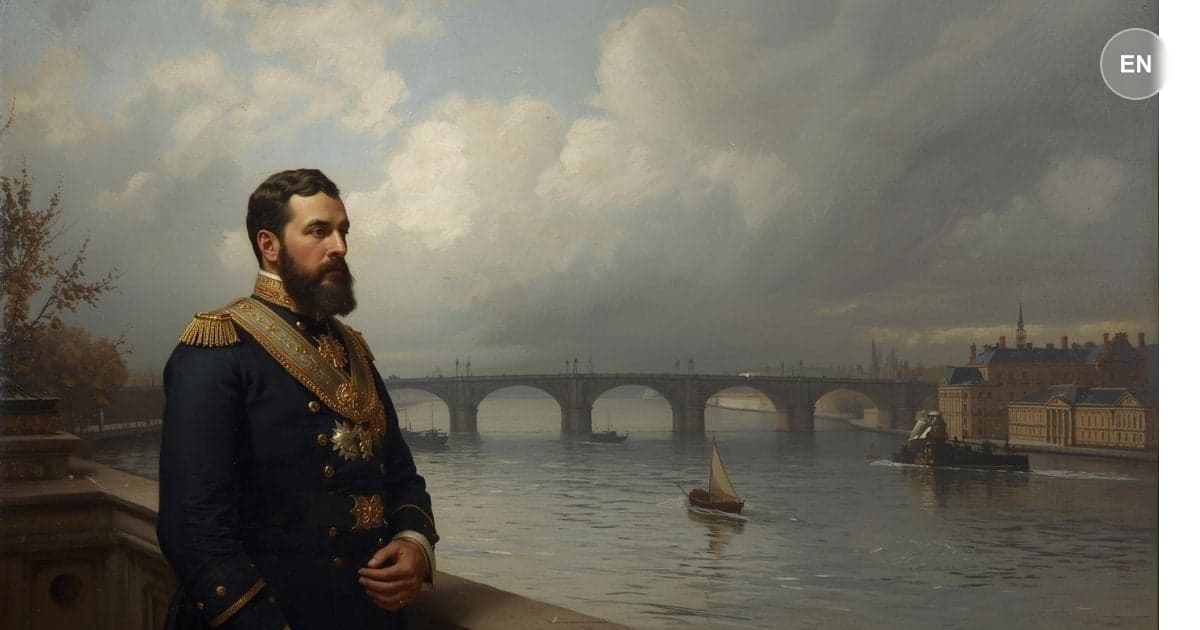
He arrives at Simonov's to find two old schoolfellows already there. They scarcely notice his entrance — "evidently they looked upon me as something on the level of a common fly." He had not been treated quite like that even at school, though they all hated him. They are planning a farewell dinner for Zverkov, an officer about to leave for a distant province. Zverkov: a portrait. At school, pretty, playful, liked by everyone, always bad at lessons, left with a good certificate through "powerful interests," came in for an estate of two hundred serfs and took up a swaggering tone. Vulgar but good-natured; everyone grovelled before him anyway. The Underground Man hated his self-confident voice, his stupid witticisms he found brilliant, his handsome but stupid face (which he would have gladly exchanged for his own intelligent one). When Zverkov once boasted that he would not leave a single village girl on his estate unnoticed — his droit de seigneur — and the others applauded, the Underground Man attacked him. Not from compassion for the girls: simply because they were applauding such an insect. He got the better of the argument; the laugh ended up on Zverkov's side. The other two: Ferfitchkin — monkey face, blockhead, bitter enemy, affected personal honour while being a wretched coward at heart, one of those who worshipped Zverkov from interested motives and borrowed money from him. Trudolyubov — tall, army, cold face, only capable of thinking of promotion, a distant relation of Zverkov's; thought the Underground Man of no consequence whatever. The dinner is being planned at seven roubles each — twenty-one roubles for three. The Underground Man blurts out: if you count me, it will be twenty-eight roubles. Simonov looks at him with no appearance of pleasure. He knew him through and through. The Underground Man is furious that Simonov knows him so thoroughly. Ferfitchkin and Trudolyubov push back — he was never on good terms with Zverkov. He forces himself in anyway, voice shaking, insisting his very estrangement is why he wishes to come now. They put his name down and leave without warmth. Alone with Simonov, who asks awkwardly about the subscription money — and the Underground Man suddenly flushes crimson, remembering that he has owed Simonov fifteen roubles for ages. He has never forgotten it. He has also never paid it. He leaves with an "astonishingly free-and-easy air" that was the last thing he expected of himself. On the street, grinding his teeth: what possessed him? He resolves to send a note. But he knows for certain he will go — and that the more tactless and unseemly the going would be, the more certainly he will go. He has nine roubles. Seven must go to Apollon — his servant, "that plague of mine" — for monthly wages. He knows he will not pay Apollon. That night, hideous dreams of school. He had been sent there by distant relations upon whom he depended — arriving a forlorn, silent boy, already crushed by reproaches, looking at everyone with savage distrust. His schoolfellows met him with spiteful jibes because he was not like them. Their faces degenerated and grew stupider over the years; by sixteen he was struck by the pettiness of their thoughts, the stupidity of their pursuits. He forced his way to the top academically to escape their derision. The mockery ceased; the hostility remained. Once, finally, he had a single friend — but he was already a tyrant at heart. He wanted unbounded sway, instilled contempt for the friend's surroundings, frightened him with passionate affection, reduced him to tears and hysterics. When the friend devoted himself entirely, the Underground Man immediately began to hate and repulse him — as though all he had needed was to win a victory over him and nothing else. Morning: excitement — as always with any external event, the feeling that a radical change was at hand. He sneaks away from the office two hours early. Agonises over timing the arrival — not first, or they'll think he's overjoyed. Polishes his boots a second time himself, secretly, to avoid Apollon's contempt. The yellow stain on the knee of his trousers: he knows it will deprive him of nine-tenths of his personal dignity. He knows he is monstrously exaggerating. He cannot help it. He pictures each person's contempt precisely: Zverkov's cold disdain, Trudolyubov's dull-witted contempt, Ferfitchkin's impudent sniggering to curry favour. And worst: how "paltry, unliterary, commonplace it would all be." He passionately longs to dominate them all, crush Zverkov with his elevation of thought and unmistakable wit, perhaps achieve reconciliation and everlasting friendship. But — and this is the worst of it — he knows even then, fully and for certain, that he needs none of this, that he doesn't really want to crush or attract them, that he doesn't care a straw for the result even if he achieves it. He watches the wet snow from his window. His clock hisses out five. He seizes his hat, slips past Apollon — who has been waiting all day for his wages but, in his stubbornness, unwilling to be first to speak — and, spending his last half rouble on a high-class sledge, drives up in grand style to the Hôtel de Paris.

Coming Up in Chapter 15

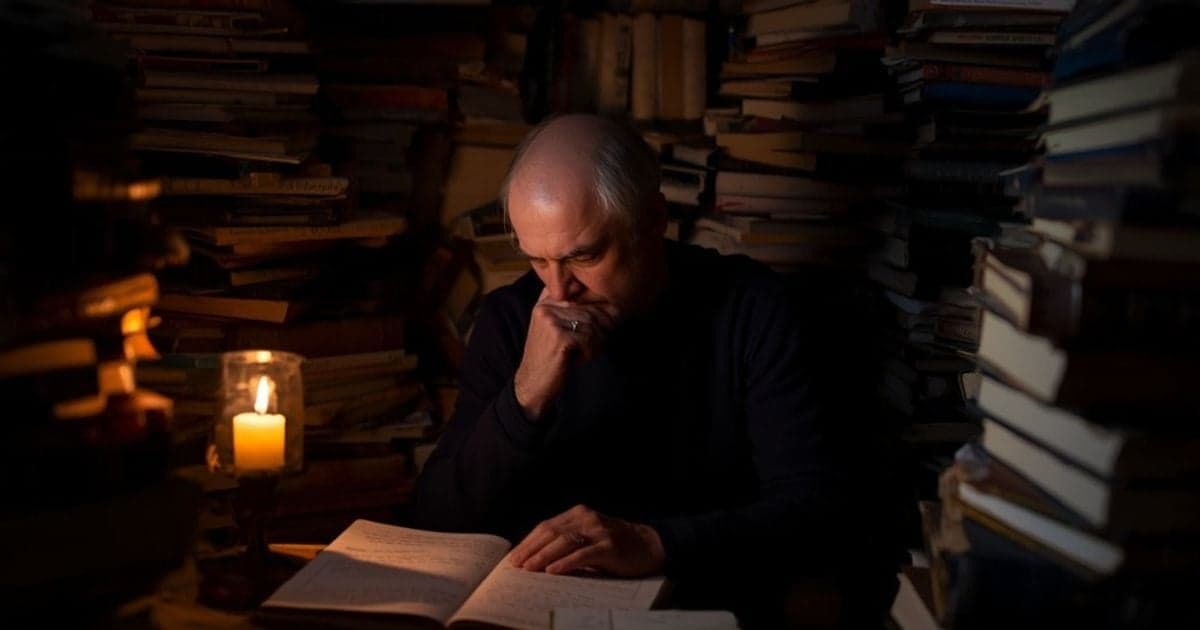
The dreaded dinner arrives, and the Underground Man's worst fears about the evening begin to materialize. His desperate attempts to assert himself among his former classmates will lead to increasingly erratic behavior and a confrontation that changes everything.

Share it with friends

Previous ChapterNext Chapter
GO ADS FREE — JOIN US
Original text
complete·3,511 words
P

ART II — À Propos of the Wet Snow
Chapter III

I found two of my old schoolfellows with him. They seemed to be discussing an important matter. All of them took scarcely any notice of my entrance, which was strange, for I had not met them for years. Evidently they looked upon me as something on the level of a common fly. I had not been treated like that even at school, though they all hated me. I knew, of course, that they must despise me now for my lack of success in the service, and for my having let myself sink so low, going about badly dressed and so on—which seemed to them a sign of my incapacity and insignificance. But I had not expected such contempt. Simonov was positively surprised at my turning up. Even in old days he had always seemed surprised at my coming. All this disconcerted me: I sat down, feeling rather miserable, and began listening to what they were saying.

1 / 10

Master this chapter. Complete your experience

Purchase the complete book to access all chapters and support classic literature

Buy at Powell's

Available in paperback, hardcover, and e-book formats

GO ADS FREE — JOIN US

Why This Matters

Connect literature to life

Skill: Reading Toxic Belonging Patterns

This chapter teaches how to recognize when you're seeking validation from people whose approval requires betraying your own values.

Practice This Today

This week, notice when you feel drawn to groups or people you usually criticize—ask yourself what they have that you want, and whether there are healthier sources for those needs.

GO ADS FREE — JOIN US

Now let's explore the literary elements.

Key Quotes & Analysis

"I had begun to hate him particularly in the upper forms. In the lower forms he had simply been a pretty, playful boy whom everybody liked. I had hated him, however, even in the lower forms, just because he was a pretty and playful boy."

— Narrator

Context: Introducing Zverkov — who has done nothing specific to him yet

The logic is pure Underground Man. He hated Zverkov for being liked, before Zverkov had done anything to earn or lose the hatred. The hatred predates the offence. This is important: the dinner isn't about a specific injury — it's about a type that has always infuriated him simply by existing easily.

In Today's Words:

I hated him before he'd done anything. His crime was being the kind of person things come easily to.

"It infuriated me that he knew me so thoroughly."

— Narrator

Context: After Simonov greets his self-invitation with 'no appearance of pleasure'

This is the Underground Man's specific torture in this scene. He can't perform surprise or indignation because Simonov sees through all of it instantly. Being known removes the possibility of dignity. He would rather be misjudged than correctly understood.

In Today's Words:

What made it unbearable wasn't that he disapproved — it was that he could see exactly what I was doing.

"What made me furious was that I knew for certain that I should go, that I should make a point of going; and the more tactless, the more unseemly my going would be, the more certainly I would go."

— Narrator

Context: On the street after leaving Simonov's, swearing to send a note cancelling

The mechanism of self-sabotage stated with clinical precision. He is not going despite knowing it will be terrible — the terribleness is the draw. The more certain the humiliation, the more compelled he feels. He is not making a decision; something in him has already decided, and he is watching it happen.

In Today's Words:

The worse I knew it would be, the more certain I was that I'd go. I couldn't have explained why.

"When he devoted himself to me entirely I began to hate him immediately and repulsed him—as though all I needed him for was to win a victory over him, to subjugate him and nothing else."

— Narrator

Context: About the only friend he ever had at school

The school friend episode is the most damaging thing in the chapter. It shows that his problems are not caused by others' cruelty or his social circumstances — the same pattern emerges when someone gives him exactly what he claims to want. Victory is the only goal; connection is just the contest.

In Today's Words:

Once I'd won him over completely, I didn't want him anymore. I'd never wanted him — I'd wanted to win.

Thematic Threads

Class Resentment

In This Chapter

The Underground Man's bitter envy of Zverkov's aristocratic ease and social success despite intellectual inferiority

Development

Intensifies from earlier abstract discussions to specific personal grievances

In Your Life:

When you find yourself resenting someone's advantages while craving their approval

Self-Sabotage

In This Chapter

Deliberately pursuing a social situation he knows will humiliate him, lacking proper clothes or money

Development

Moves from theoretical self-harm to concrete self-destructive action

In Your Life:

When you put yourself in situations you know will end badly but feel compelled to anyway

Wounded Pride

In This Chapter

School memories of isolation and intellectual superiority paired with social rejection fuel current behavior

Development

Reveals the deep roots of his contradictory nature established earlier

In Your Life:

When old hurts drive you toward people or situations that will likely create new wounds

Social Performance

In This Chapter

Forcing his way into the dinner invitation despite obvious reluctance from the group

Development

First concrete example of the social desperation hinted at in earlier chapters

In Your Life:

When you push for inclusion in groups where you're clearly not wanted

Recognition Hunger

In This Chapter

Desperate need for acknowledgment from former classmates who represent social success he can't achieve

Development

Crystallizes the abstract need for validation discussed in earlier philosophical sections

In Your Life:

When you find yourself seeking approval from people whose opinions shouldn't matter to you

GO ADS FREE — JOIN US

You now have the context. Time to form your own thoughts.

Discussion Questions

  1. 1

    Why does the Underground Man force his way into Zverkov's dinner when he knows he's not wanted and can't afford proper clothes?

    analysis • surface
  2. 2

    What does the Underground Man's relationship with Zverkov reveal about the difference between intellectual superiority and social power?

    analysis • medium
  3. 3

    Where do you see this pattern today - people seeking approval from those they claim to dislike or look down on?

    application • medium
  4. 4

    How could the Underground Man have handled his need for recognition in a healthier way?

    application • deep
  5. 5

    What does this chapter teach us about why we sometimes pursue situations we know will hurt us?

    reflection • deep

Critical Thinking Exercise

10 minutes

Recognition Audit

Think of someone whose approval you seek despite claiming you don't respect them or their values. Write down what they have that you want - is it status, belonging, recognition, or something else? Then identify three people or groups who share your actual values and could provide that same need in a healthier way.

Consider:

  • •Be honest about what you actually want, not what you think you should want
  • •Consider whether the person's approval would actually satisfy you or just create more resentment
  • •Think about whether you're confusing validation with genuine connection

Journaling Prompt

Write about a time when you pursued approval from someone incompatible with your values. What were you really seeking, and how did it turn out?

GO ADS FREE — JOIN US

Coming Up Next...

Chapter 15: The Dinner Party Disaster

The dreaded dinner arrives, and the Underground Man's worst fears about the evening begin to materialize. His desperate attempts to assert himself among his former classmates will lead to increasingly erratic behavior and a confrontation that changes everything.

Continue to Chapter 15
Previous
Escape into Dreams and Forced Social Contact
Contents
Next
The Dinner Party Disaster

Continue Exploring

Notes from Underground Study GuideTeaching ResourcesEssential Life IndexBrowse by ThemeAll Books

You Might Also Like

Crime and Punishment cover

Crime and Punishment

Fyodor Dostoevsky

Also by Fyodor Dostoevsky

The Brothers Karamazov cover

The Brothers Karamazov

Fyodor Dostoevsky

Also by Fyodor Dostoevsky

The Idiot cover

The Idiot

Fyodor Dostoevsky

Also by Fyodor Dostoevsky

Jane Eyre cover

Jane Eyre

Charlotte Brontë

Explores personal growth

Browse all 47+ books
GO ADS FREE — JOIN US

Share This Chapter

Know someone who'd enjoy this? Spread the wisdom!

TwitterFacebookLinkedInEmail

Read ad-free with Prestige

Get rid of ads, unlock study guides and downloads, and support free access for everyone.

Subscribe to PrestigeCreate free account
Intelligence Amplifier
Intelligence Amplifier™Powering Wide Reads

Exploring human-AI collaboration through books, essays, and philosophical dialogues. Classic literature transformed into navigational maps for modern life.

2025 Books

→ The Amplified Human Spirit→ The Alarming Rise of Stupidity Amplified→ San Francisco: The AI Capital of the World
Visit intelligenceamplifier.org
hello@widereads.com

WideReads Originals

→ You Are Not Lost→ The Last Chapter First→ The Lit of Love→ Wealth and Poverty→ 10 Paradoxes in the Classics · coming soon
Arvintech
arvintechAmplify your Mind
Visit at arvintech.com

Navigate

  • Home
  • Library
  • Essential Life Index
  • How It Works
  • Subscribe
  • Account
  • About
  • Contact
  • Authors
  • Suggest a Book
  • Landings

Made For You

  • Students
  • Educators
  • Families
  • Readers
  • Literary Analysis
  • Finding Purpose
  • Letting Go
  • Recovering from a Breakup
  • Corruption
  • Gaslighting in the Classics

Newsletter

Weekly insights from the classics. Amplify Your Mind.

Legal

  • Privacy Policy
  • Terms of Service
  • Cookie Policy
  • Accessibility

Why Public Domain?

We focus on public domain classics because these timeless works belong to everyone. No paywalls, no restrictions—just wisdom that has stood the test of centuries, freely accessible to all readers.

Public domain books have shaped humanity's understanding of love, justice, ambition, and the human condition. By amplifying these works, we help preserve and share literature that truly belongs to the world.

A Pilgrimage

Powell's City of Books

Portland, Oregon

If you ever find yourself in Portland, walk to the corner of Burnside and 10th. The building takes up an entire city block. Inside is over a million books, new and used on the same shelf, organized by color-coded rooms with names like the Rose Room and the Pearl Room. You can lose an afternoon. You can lose a weekend. You will find a book you have been looking for your whole life, and three you did not know existed.

It is a pilgrimage. We cannot find a bookstore like it anywhere on earth. If you read the classics, and you ever get the chance, go. It belongs on every reader's bucket list.

Visit powells.com

We are not in any way affiliated with Powell's. We are just a very big fan.

© 2026 Wide Reads™. All Rights Reserved.

Intelligence Amplifier™ and Wide Reads™ are proprietary trademarks of Arvin Lioanag.

Copyright Protection: All original content, analyses, discussion questions, pedagogical frameworks, and methodology are protected by U.S. and international copyright law. Unauthorized reproduction, distribution, web scraping, or use for AI training is strictly prohibited. See our Copyright Notice for details.

Disclaimer: The information provided on this website is for general informational and educational purposes only and does not constitute professional, legal, financial, or technical advice. While we strive to ensure accuracy and relevance, we make no warranties regarding completeness, reliability, or suitability. Any reliance on such information is at your own risk. We are not liable for any losses or damages arising from use of this site. By using this site, you agree to these terms.