Wide Reads
Literature MattersLife IndexEducators
Sign in
Where to Begin
Notes from Underground - The Spite That Hides Our Pain

Fyodor Dostoevsky

Notes from Underground

The Spite That Hides Our Pain

Home›Books›Notes from Underground›Chapter 1
1 of 21
Next

Summary

The Spite That Hides Our Pain

Notes from Underground by Fyodor Dostoevsky

0:000:00
Listen to Next Chapter

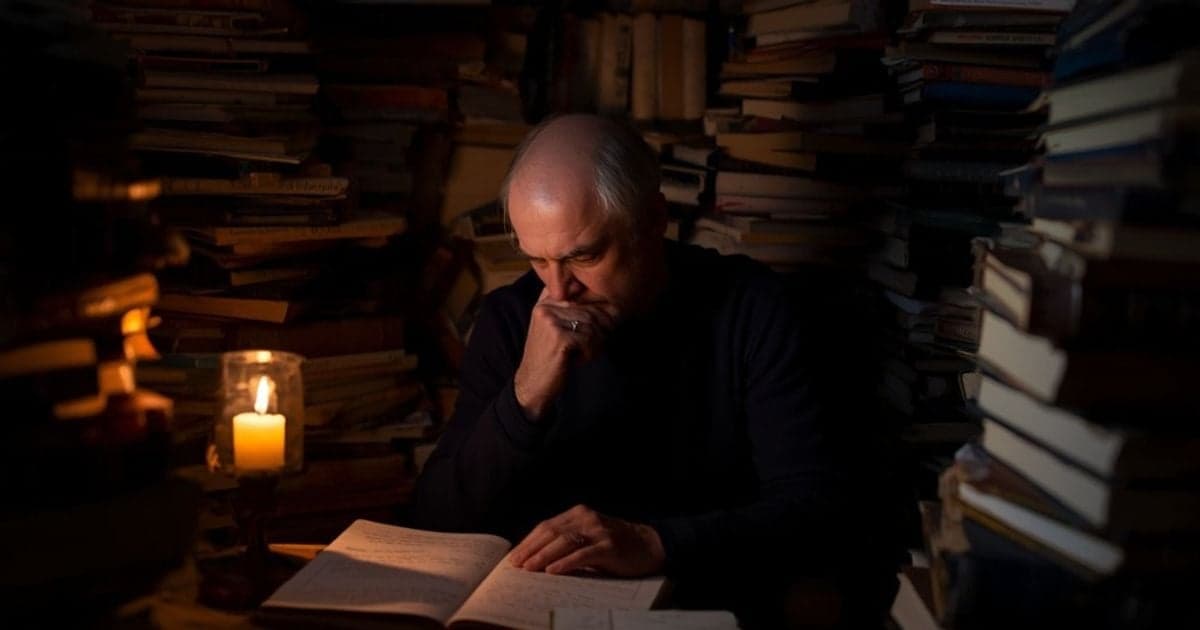
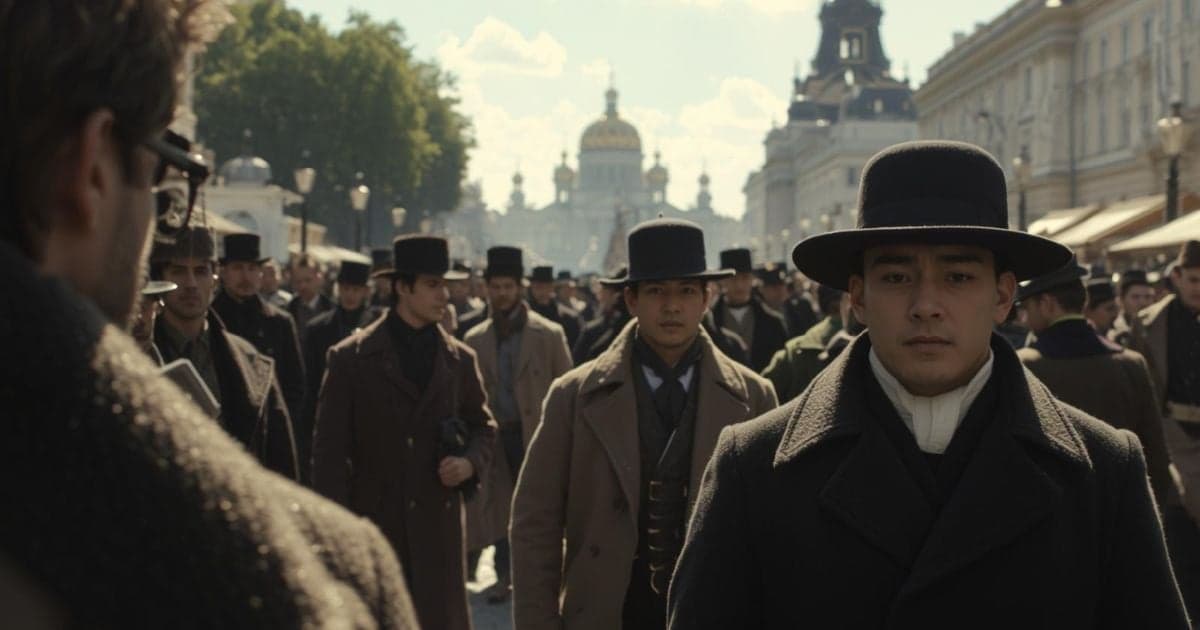
We meet our narrator: a 40-year-old former government clerk, now retired on a small inheritance, living alone in a wretched room on the outskirts of St. Petersburg. He opens with three blunt declarations — sick, spiteful, unattractive — and immediately demonstrates all three by admitting he refuses to see a doctor purely out of spite, knowing it only harms himself. He's been doing this for twenty years and sees no reason to stop. He describes his years as a government official, where he took real pleasure in grinding his teeth at petitioners and making their visits as miserable as possible. His longest campaign: an eighteen-month feud with a particular officer who simply would not be humble — who walked with a swagger and refused to defer. The narrator eventually "won" by getting the man to stop clanking his sword. He offers this as evidence of his spite, then immediately undercuts it. Because here is the confession that defines everything: he was never truly spiteful. At the very moment of his worst behavior, he was inwardly ashamed, knowing he was just "scaring sparrows" — performing meanness while being perfectly capable of being appeased by a doll to play with or a cup of tea with sugar. He could foam at the mouth one moment and be genuinely touched the next, then spend months lying awake in shame over his own softness. The deeper admission follows: he couldn't become anything at all — not spiteful, not kind, not a rascal, not an honest man. He felt what he calls "opposite elements" swarming in him constantly, craving an outlet he deliberately refused them. He ends with his central philosophical claim: an intelligent man in the nineteenth century cannot seriously become anything, because intelligence reveals too many sides of everything. Only fools, he argues, can act with real conviction — and so only fools can become anything. He will talk about himself to prove it.

Coming Up in Chapter 2

Our underground man isn't finished with his confessions. He's about to dive deeper into his philosophy of why conscious, intelligent people are doomed to inaction—and why he believes this makes them superior to those who can act decisively.

Share it with friends

Next Chapter
GO ADS FREE — JOIN US
Original text
complete·1,155 words
P

ART I — Underground
Chapter I

I am a sick man.... I am a spiteful man. I am an unattractive man. I believe my liver is diseased. However, I know nothing at all about my disease, and do not know for certain what ails me. I don’t consult a doctor for it, and never have, though I have a respect for medicine and doctors. Besides, I am extremely superstitious, sufficiently so to respect medicine, anyway (I am well-educated enough not to be superstitious, but I am superstitious). No, I refuse to consult a doctor from spite. That you probably will not understand. Well, I understand it, though. Of course, I can’t explain who it is precisely that I am mortifying in this case by my spite: I am perfectly well aware that I cannot “pay out” the doctors by not consulting them; I know better than anyone that by all this I am only injuring myself and no one else. But still, if I don’t consult a doctor it is from spite. My liver is bad, well—let it get worse!

1 / 8

Master this chapter. Complete your experience

Purchase the complete book to access all chapters and support classic literature

Buy at Powell's

Available in paperback, hardcover, and e-book formats

GO ADS FREE — JOIN US

Why This Matters

Connect literature to life

Skill: Recognizing Self-Sabotage Patterns

This chapter teaches how to identify when your own intelligence becomes a prison that prevents authentic action.

Practice This Today

This week, notice when you're analyzing your own motivations instead of simply acting—set a timer, make a decision, and move forward before the overthinking spiral begins.

GO ADS FREE — JOIN US

Now let's explore the literary elements.

Key Quotes & Analysis

"I am a sick man.... I am a spiteful man. I am an unattractive man."

— Narrator

Context: The opening lines of his confession

Three blunt declarations that he immediately begins qualifying and undercutting. The ellipsis after 'sick man' is deliberate — even in his very first sentence, he is already hesitating, already aware his confession will be complicated.

In Today's Words:

I'm a mess, I'm bitter, and I'm not much to look at — or so I claim.

"I refuse to consult a doctor from spite. That you probably will not understand. Well, I understand it, though."

— Narrator

Context: Explaining why he refuses medical treatment for his liver

He knows the choice is irrational and harmful to no one but himself. He makes it anyway — not out of ignorance but as an assertion of will. The aside 'you probably will not understand' shows his contempt for an imagined audience he's addressing throughout.

In Today's Words:

I won't go to the doctor just to prove I don't have to, even though I know it's stupid.

"I was simply scaring sparrows at random and amusing myself by it."

— Narrator

Context: Admitting his spite was never real — even at his most vicious, he knew he was performing

This is the confession beneath the confession. All the grinding teeth and manufactured cruelty was theater. He was never the bitter man he claimed to be — which is its own kind of torment, because it means he has no stable identity at all.

In Today's Words:

I was just going through the motions of being awful. Even my meanness wasn't real.

"It was not only that I could not become spiteful, I did not know how to become anything; neither spiteful nor kind, neither a rascal nor an honest man, neither a hero nor an insect."

— Narrator

Context: The core of his self-diagnosis

This is the real wound. Not that he's bad, but that he's nothing — unable to fully inhabit any identity because he can see through all of them. Every role feels like a performance he's watching himself give.

In Today's Words:

I couldn't be mean. But I also couldn't be good. I couldn't be anything, really.

Thematic Threads

Self-Awareness

In This Chapter

The narrator's painful consciousness of his own spite and the performative nature of his cruelty

Development

Introduced here

In Your Life:

That moment when you catch yourself being fake and feel disgusted, but keep doing it anyway

Spite

In This Chapter

Refusing medical treatment and tormenting government office visitors, not from genuine malice but from self-punishment

Development

Introduced here

In Your Life:

When you hurt yourself just to prove a point, like staying in a bad situation because leaving would mean admitting you were wrong

Authenticity

In This Chapter

The desperate desire to be genuine while being trapped in performed emotions and reactions

Development

Introduced here

In Your Life:

Feeling like every nice thing you do is calculated, so you stop being nice altogether

Isolation

In This Chapter

Living alone in a dingy room, cutting himself off from human connection through deliberate unpleasantness

Development

Introduced here

In Your Life:

Pushing people away because you're convinced they wouldn't like the 'real' you anyway

Intelligence

In This Chapter

Viewing his own intelligence as a curse that prevents him from taking simple, direct action like 'characterless' people

Development

Introduced here

In Your Life:

When being smart becomes an excuse for not making hard decisions or taking risks

You now have the context. Time to form your own thoughts.

Discussion Questions

  1. 1

    The narrator admits he was spiteful to visitors at work but says he was never truly spiteful deep down. What does he mean by this contradiction?

    analysis • surface
  2. 2

    Why does the narrator refuse to see a doctor even though he knows he's sick? What does this reveal about his relationship with himself?

    analysis • medium
  3. 3

    The narrator describes having 'opposite elements' inside him - seeing every angle of his actions until nothing feels genuine. Where do you see this pattern of overthinking leading to paralysis in modern life?

    application • medium
  4. 4

    If someone you cared about was stuck in this cycle of self-awareness leading to self-sabotage, what specific advice would you give them to break free?

    application • deep
  5. 5

    The narrator believes intelligent people become 'characterless creatures' because they see too many sides of everything. Is self-awareness always a blessing, or can it become a curse?

    reflection • deep

Critical Thinking Exercise

10 minutes

Break the Analysis Paralysis Loop

Think of a decision you've been putting off or a situation where you keep second-guessing yourself. Write down the decision, then set a timer for exactly 3 minutes to list all your thoughts about it. When the timer goes off, stop thinking and make the choice based on what you've written. Notice how it feels to act despite imperfection.

Consider:

  • •Pay attention to how much mental energy you spend analyzing versus actually deciding
  • •Notice if your 'reasons' are really just ways to avoid taking action
  • •Consider whether waiting for the 'perfect' choice is actually a choice itself

Journaling Prompt

Write about a time when overthinking a situation made it worse than if you had just acted quickly. What did you learn about the relationship between thinking and doing?

Coming Up Next...

Chapter 2: The Disease of Too Much Thinking

Our underground man isn't finished with his confessions. He's about to dive deeper into his philosophy of why conscious, intelligent people are doomed to inaction—and why he believes this makes them superior to those who can act decisively.

Continue to Chapter 2
Contents
Next
The Disease of Too Much Thinking

Continue Exploring

Notes from Underground Study GuideTeaching ResourcesEssential Life IndexBrowse by ThemeAll Books

You Might Also Like

Crime and Punishment cover

Crime and Punishment

Fyodor Dostoevsky

Also by Fyodor Dostoevsky

The Brothers Karamazov cover

The Brothers Karamazov

Fyodor Dostoevsky

Also by Fyodor Dostoevsky

The Idiot cover

The Idiot

Fyodor Dostoevsky

Also by Fyodor Dostoevsky

Jane Eyre cover

Jane Eyre

Charlotte Brontë

Explores personal growth

Browse all 47+ books

Share This Chapter

Know someone who'd enjoy this? Spread the wisdom!

TwitterFacebookLinkedInEmail

Read ad-free with Prestige

Get rid of ads, unlock study guides and downloads, and support free access for everyone.

Subscribe to PrestigeCreate free account
Intelligence Amplifier
Intelligence Amplifier™Powering Wide Reads

Exploring human-AI collaboration through books, essays, and philosophical dialogues. Classic literature transformed into navigational maps for modern life.

2025 Books

→ The Amplified Human Spirit→ The Alarming Rise of Stupidity Amplified→ San Francisco: The AI Capital of the World
Visit intelligenceamplifier.org
hello@widereads.com

WideReads Originals

→ You Are Not Lost→ The Last Chapter First→ The Lit of Love→ Wealth and Poverty→ 10 Paradoxes in the Classics · coming soon
Arvintech
arvintechAmplify your Mind
Visit at arvintech.com

Navigate

  • Home
  • Library
  • Essential Life Index
  • How It Works
  • Subscribe
  • Account
  • About
  • Contact
  • Authors
  • Suggest a Book
  • Landings

Made For You

  • Students
  • Educators
  • Families
  • Readers
  • Literary Analysis
  • Finding Purpose
  • Letting Go
  • Recovering from a Breakup
  • Corruption
  • Gaslighting in the Classics

Newsletter

Weekly insights from the classics. Amplify Your Mind.

Legal

  • Privacy Policy
  • Terms of Service
  • Cookie Policy
  • Accessibility

Why Public Domain?

We focus on public domain classics because these timeless works belong to everyone. No paywalls, no restrictions—just wisdom that has stood the test of centuries, freely accessible to all readers.

Public domain books have shaped humanity's understanding of love, justice, ambition, and the human condition. By amplifying these works, we help preserve and share literature that truly belongs to the world.

A Pilgrimage

Powell's City of Books

Portland, Oregon

If you ever find yourself in Portland, walk to the corner of Burnside and 10th. The building takes up an entire city block. Inside is over a million books, new and used on the same shelf, organized by color-coded rooms with names like the Rose Room and the Pearl Room. You can lose an afternoon. You can lose a weekend. You will find a book you have been looking for your whole life, and three you did not know existed.

It is a pilgrimage. We cannot find a bookstore like it anywhere on earth. If you read the classics, and you ever get the chance, go. It belongs on every reader's bucket list.

Visit powells.com

We are not in any way affiliated with Powell's. We are just a very big fan.

© 2026 Wide Reads™. All Rights Reserved.

Intelligence Amplifier™ and Wide Reads™ are proprietary trademarks of Arvin Lioanag.

Copyright Protection: All original content, analyses, discussion questions, pedagogical frameworks, and methodology are protected by U.S. and international copyright law. Unauthorized reproduction, distribution, web scraping, or use for AI training is strictly prohibited. See our Copyright Notice for details.

Disclaimer: The information provided on this website is for general informational and educational purposes only and does not constitute professional, legal, financial, or technical advice. While we strive to ensure accuracy and relevance, we make no warranties regarding completeness, reliability, or suitability. Any reliance on such information is at your own risk. We are not liable for any losses or damages arising from use of this site. By using this site, you agree to these terms.