
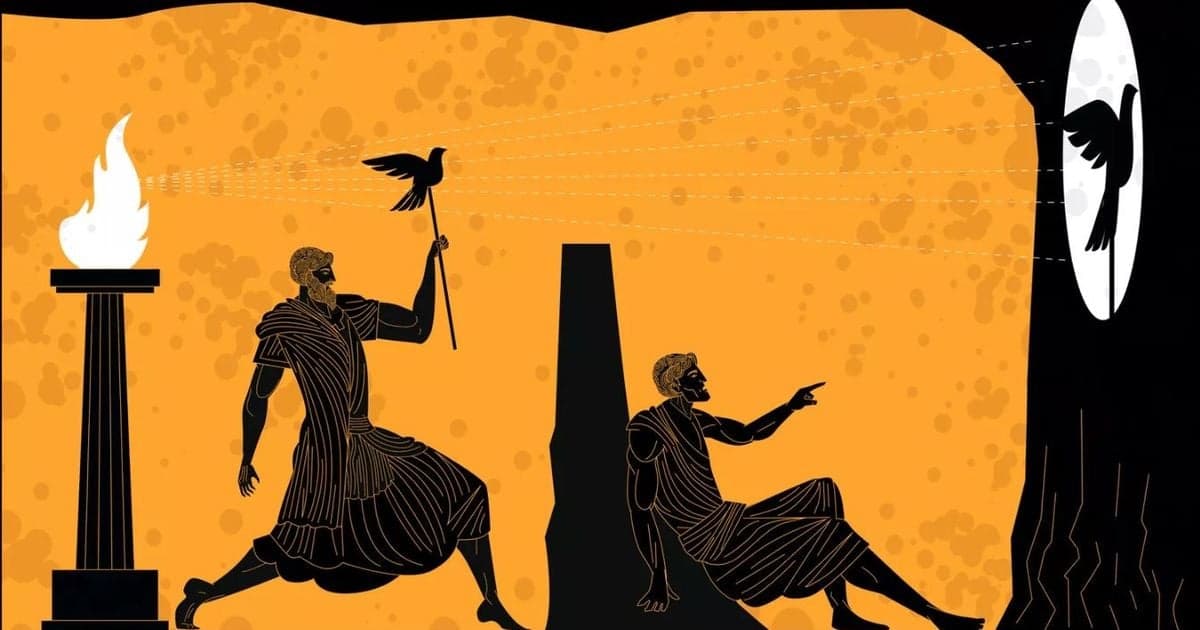
Book 8 is not a cartoon about villains seizing a good city. It is a sequence in which each generation keeps a genuine good and lets it become the only good. Honor was a virtue until it could not imagine a life that was not a contest. Thrift was a discipline until it ranked human beings by property. Freedom was a relief until nothing was allowed to be more important than the next appetite. The tyrant does not invent a new desire. He harvests the leftover of the last one.
Plato insists that cities have the characters of the people in them. That is not mysticism. It is a hiring and parenting claim. If you raise people who can only score honor, you will get a timocracy even if you still use the old words. If you raise people who can only score net worth, the laws will follow. If you raise people who treat every no as oppression, a champion will offer to be their yes. The system is the soul's habit wearing institutions.
The practical skill is catching the moment a virtue stops governing and starts colonizing. You can love courage without making every disagreement a battlefield. You can love prosperity without making poverty a moral verdict. You can love freedom without treating discipline as a crime. Book 9's tyrant is the end of the sequence, but the sequence is already running in smaller rooms: a team, a family, a feed. The question is which of your real values is currently eating the others.
The Central Lesson
Bad systems are usually good values with the governor removed. Honor, wealth, and freedom each wreck a city by refusing to stay in their lane. The tyrant is not a new species. He is the leftover hunger of the last stage wearing a human face. Plato's sequence is a diagnostic for any group, including the group inside your own chest: watch which virtue is currently eating the rest, and restore a limit while the limit still looks like disloyalty to that virtue.
Applying This to Your Life
Name the Virtue That Is Colonizing
Pick the value you are most proud of this year: grit, kindness, freedom, excellence, thrift. Ask where it has started to veto every other good. Decay does not feel like vice. It feels like being more consistent.
Watch What You Are Hiring For
A group becomes the character of the people it rewards. If you only promote the contest-winner, you will get a timocracy with better branding. If you only promote the rainmaker, you will get two cities in one office. Change the scoreboard before the champion arrives.
Do Not Outsource Your No
When a room can no longer bear ranking any desire, it starts looking for a person who will rank them by force. Keep a smaller, earlier no: this appetite does not get a vote tonight. That is boring. It is also how you avoid auditioning a master.
Other lessons in this book
More life-skill deep dives from the same classic.
Owning the Life You Choose
Read the Tuesday inside the prize before you grab it, and stop transferring the blame for the pick.
4 chapters·Explore AnalysisRuling Yourself First
Read reason, spirit, and appetite as offices in an inner city, and notice which one is writing tonight's laws.
3 chapters·Explore AnalysisThe Cave
Notice which contest you are currently ranked in, and whether it only works if nobody turns toward the fire.
4 chapters·Explore AnalysisWhat Makes a Leader Worth Following
Separate the fight for the helm from the craft of reading weather, and follow the person who can steer without milking the chair.
4 chapters·Explore AnalysisWhy Be Good When You Could Get Away With It
Treat Glaucon's ring as a weekly test: would this still be your rule if no one could check, and the just man still went to the rack?
5 chapters·Explore Analysis
Continue exploring
Explore this theme
The same lessons in other books
See how other books teach the same life skills.

Les Misérables: Essential Edition
Navigating Poverty and Social ClassTrace Fantine from 1817 hope to factory gossip, and the class that treats need as indictment.
The Jungle
Reading Graft as Everyday GovernmentStay with Duane's cell and chapter 25: votes, inspectors, and a city that prices justice.
Hard Times
Understanding Worker DignityWatch Stephen refuse both mill-owner and union when each side treats him as a unit, and see what integrity costs when neither camp will have you.
Where the lesson lives in the book
Honor Eats Wisdom
The just city does not fall to a cartoon villain. It falls when the next generation loves victory more than the thing victory was for. Timocracy is rule by honor-lovers: spirited, competitive, ashamed of softness, hungry for distinction. The fathers still remember a reason for the contests. The sons remember only the contests. A real value (courage, reputation, not being a coward) colonizes the whole soul.
Key Insight:
Decay starts as loyalty to something genuinely good. Honor is not a vice. Honor as the only scoreboard is. When a culture cannot imagine a win that does not look like a medal, it has already begun to forget what the medal was measuring.
Wealth Eats Honor
Timocracy becomes oligarchy when property qualifications replace honor. The city becomes two cities, rich and poor, living in the same walls and plotting against each other. Thrift, which looked like discipline, becomes a religion of accumulation. A drone class appears: people who have spent themselves and now live off the hive. The oligarchic soul is orderly in public and secretly starved, because appetite has been shut in a vault rather than educated.
Key Insight:
Money as a tool can serve a life. Money as the ranking of a life will split a room and a person. Plato's oligarch is not only a stingy politician. He is anyone whose respectability is a lid on a hunger they will not name. The lid does not make the hunger smaller. It makes the next revolution inevitable.
“Such a city is not one, but two, a city of the rich and a city of the poor, dwelling together, and always plotting against one another.”
Freedom Eats Order
The poor win. Democracy arrives with a festival of equality: every desire gets a vote, every way of life is a flavor. Plato is not sneering at self-rule as such. He is watching what happens when freedom means that nothing may be ranked. The democratic soul is a bazaar. One day it is philosophy, the next it is a flute, the next it is politics. Variety feels like health. It is often just the absence of a helm.
Key Insight:
Freedom is a real good. Freedom as the refusal to rank any good will not stay free. A person or a city that treats every impulse as equally entitled is already training a champion to promise order. The bazaar is exciting. It is also a vacancy.
“Democracy is a charming form of government, full of variety and disorder, and dispensing a sort of equality to equals and unequals alike.”
The Champion Becomes the Master
From the democratic feast a protector rises. He is for the people. He needs a bodyguard. He needs enemies. He tastes blood. The city that wanted no masters gets the hardest master, because it would not let any lesser authority hold. Tyranny is not the opposite of the previous stages. It is their leftover hunger wearing a face.
Key Insight:
Bad systems rarely arrive as a foreign invasion of values. They arrive as the last remaining way to satisfy a value that has had no limit. If your only remaining political emotion is rage at being told no, you are already auditioning a tyrant. He will say yes to that rage until you cannot say no to him.
The Soul That Matches the City
Book 9 locks the sequence inside a person. The tyrannical soul is not born monstrous. It is a democratic soul in which one devouring desire has enslaved the rest. He is poor, hungry, and surrounded by people he has bought or broken. The many-headed beast stands over the lion, and the man is underneath. The political story was always a soul story drawn large.
Key Insight:
You do not need a palace to live this pattern. One ungoverned appetite (status, appetite, grievance, a metric) can occupy a life the way a champion occupies a city. The people around you will look like subjects and threats, not companions. That is how you know the system has moved inside.
“The tyrannical man is always poor and starving, and he is the real slave.”