
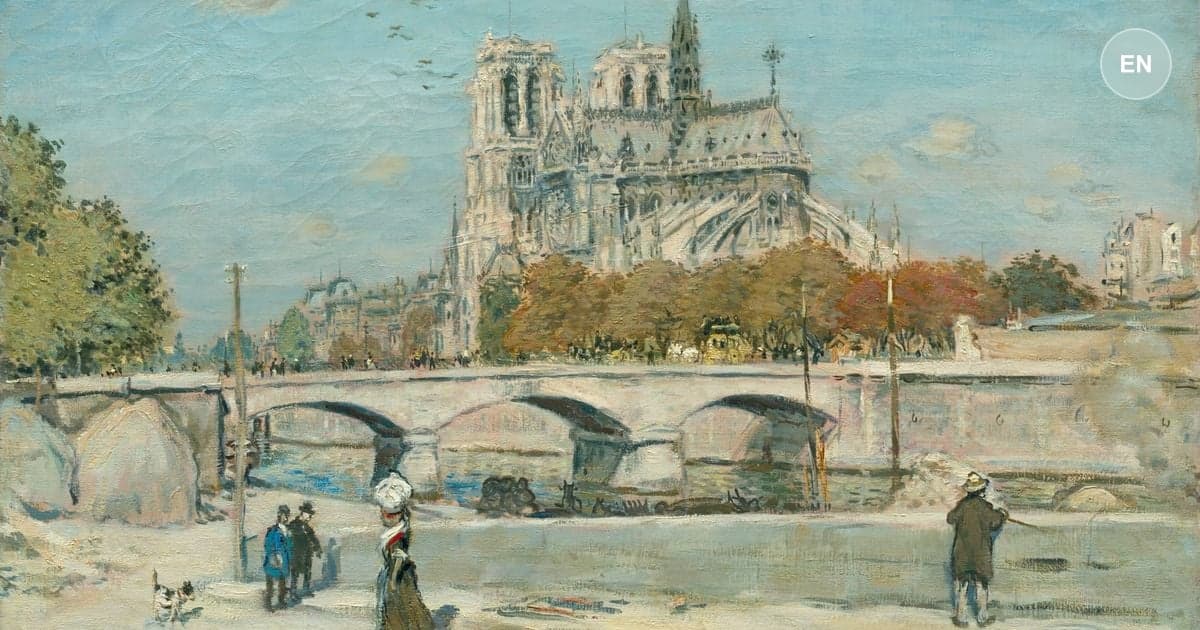
The book opens on a crowd that has already decided what it wants. The mystery, the cardinal, and the Flemish envoys are pretexts. Coppenole says the quiet part: heads through a hole, and the ugliest face wins. When the winning face is not a mask, the hall does not recoil for long. It names him, dresses him as Pope of Fools, and carries him out. Hugo's argument is that a monster, in this city, is a decision the crowd makes together and then forgets it made.
The decision does not stay in the hall. Neighbours drive a pin into the hump for fun. The pillory on the day after the feast is the same laugh with a whip added. Quasimodo cannot hear the sentence in court because the judge is deaf too, and the hall laughs at the mismatch. By then the face has a job. He is the person the square already hates, so any punishment looks like confirmation. The dancer who brings water is the interruption. The crowd did not ask for an interruption.
Later ages keep the bell-ringer and call the book a romance. Hugo spends the opening on the people who manufactured the figure they later fear. Gringoire, who wrote the day's play, is left in the street with his own music walking away from him. A crowd that makes a monster does not need a villain's plan. It needs a bored hall, a game from Ghent, and the pleasure of agreeing. The lesson is to notice the moment a room elects someone, because the pillory will treat that election as a fact.
The Central Lesson
A Crowd That Makes a Monster is the book's opening machine. A hall that will not sit through a mystery elects Quasimodo Pope of Fools because his face is not a mask, and the square repeats the election on the pillory the next day. Nobody writes a plot to ruin him. They agree, and the agreement hardens into a fact. Hugo's lesson is that the monster is often the person a bored crowd needed, and that the need comes before the evidence.
Prestige deep dive
A Psychological Reading of The Hunchback of Notre-Dame
Notre-Dame studies a city that finishes a marked body into a monster so the room can stay innocent, and a priest who renames desire as fate so he never has to ask.
Read the full psychological readingApplying This to Your Life
Ask What the Room Came For
If the stated reason bores them in the first hour, the room is waiting for a person to laugh at. Name that wait before you join it.
A Joke Can Become a Post
The cardboard tiara is a costume. The pin in the hump, a week later, is a habit. Treat the first public laugh as a job the group may keep offering.
Do Not Let the Laugh Confirm the Charge
Once a square already hates someone, the next punishment looks like proof. Separate what the person did from what the room enjoys believing.
Other lessons in this book
More life-skill deep dives from the same classic.
Beauty Used as a Verdict
The Goat Spells a Name
Notice when a dance, a goat, or a smile is treated as proof.
9 chapters·Explore AnalysisBelonging When You Are Shut Out
The Gourd, the Cell and Montfaucon
Watch the bell-ringer the crowd crowns, mocks, and then needs.
13 chapters·Explore AnalysisDesire That Turns into Possession
The Word Cut into the Wall
See what a priest does when he names want as fate.
15 chapters·Explore AnalysisSanctuary and the Law
The King Cancels the Refuge
Ask how long a church can hide someone once the king is bored.
14 chapters·Explore AnalysisWhat Stone Remembers
This Will Kill That
Read the cathedral and the city as arguments, not scenery.
9 chapters·Explore Analysis
Continue exploring
The same lessons in other books
See how other books teach the same life skills.
Les Misérables: Essential Edition
Navigating Poverty and Social ClassTrace Fantine from 1817 hope to factory gossip, and the class that treats need as indictment.
The Jungle
Reading Graft as Everyday GovernmentStay with Duane's cell and chapter 25: votes, inspectors, and a city that prices justice.
Hard Times
Understanding Worker DignityWatch Stephen refuse both mill-owner and union when each side treats him as a unit, and see what integrity costs when neither camp will have you.
Where the lesson lives in the book
A Hall That Has Waited Since Dawn
On 6 January 1482 the Palace of Justice fills for a mystery, a bonfire, and the Feast of Fools. Most people choose the roofed hall. Students mock the university procession. Noon strikes with the Flemish envoys still not there. The people have waited since dawn, and they are already bored with the play they came to see.
Key Insight:
The crowd arrives ready to replace the show. The monster has not appeared yet. The appetite has.
The Play Loses the Room
The crowd hoots Jupiter down. Gringoire steps out, starts his mystery, and listens in delight until Jehan Frollo spots the beggar Clopin on a cornice and shouts. The prologue stops. Clopin begs, and the students applaud. When a listener asks what has already been said, Gringoire turns away. The usher breaks in for the cardinal.
Key Insight:
Any interruption beats the work in front of them. Attention goes to the loudest new face.
Every Head Turns
Gringoire had wanted the finest ear in the hall to hear his praise of the dauphin. Instead every head turns for Charles, Cardinal de Bourbon, in a scarlet robe. The students swear at the cassocks. What troubles the cardinal is the Flemish embassy he must welcome in public. The usher mangles their titles, and the hall hides its laughter. One face, Guillaume Rym, looks as sharp as a fox.
Key Insight:
Rank is another show. The crowd drops the mystery the moment a scarlet robe enters.
A Hosier the Hall Prefers
Jacques Coppenole will not let the usher hide his trade. He shouts that he is a hosier, salutes the cardinal as an equal, and takes Clopin's hand when the cardinal orders the beggar thrown into the river. The people cheer. Gringoire's play is forgotten. Coppenole calls the quarrel dull and proposes the Ghent game: heads through a hole, and the ugliest face wins.
Key Insight:
The crowd did not come for a mystery. It came to pick a face. Coppenole only says the wish aloud.
The Winning Face Is No Mask
Heads come through the broken rose window, one grimace after another, and the hall becomes a single shout. The cardinal leaves. The winning face is no mask. The crowd knows him at once and names Quasimodo, bellringer of Notre-Dame. Women hide. Beggars and clerks put the cardboard tiara and mock robe on him, set him on a litter, and carry him out.
Key Insight:
They do not discover a monster. They elect one, and the election is the joke.
“’Tis Quasimodo, the bellringer!”
The Audience Leaves with the Joke
Gringoire hopes again when the procession leaves. The hope dies at once: they were the whole audience. A scholar shouts that La Esmeralda is in the Place. Everyone left runs to the windows. The mystery stops because the ladder has been stolen. Gringoire, last to leave, calls the Parisians a rabble, come for a mystery they would not hear.
Key Insight:
A crowd that has found its monster will not sit through the thing it claimed to want.
What the Feast Leaves Behind
Night has darkened the streets when Gringoire leaves the Courts. The Pope of the Fools comes out with torches and with Gringoire's own music, and he flees. Fireworks and banners turn him from the bridges. He looks at the Seine and says he would drown himself if the water were not so cold. The man who wrote the day has nowhere in it.
Key Insight:
The crowd's holiday uses his music and does not know his name. He is the scrap the feast drops.
A Dead Man's Pallet
Gringoire lies stunned before the Holy Virgin. Barefoot children drag up the straw pallet of a merchant who has just died, meaning to burn it for the Flemish turn, and fling it onto him without seeing him. Caught between fire and water, he rises and flees. They cry that he is the merchant's ghost.
Key Insight:
Even the children of the feast treat a body on the ground as part of the show.
A Pin in the Hump
The people who live near the cathedral have little love for the archdeacon or the bellringer. When the two walk out, jokes, curses, and insults follow them. A child will risk a beating for the pleasure of driving a pin into Quasimodo's hump. A girl brushes the priest's robe and sings that the devil is caught. Quasimodo is too deaf to hear them. Claude is too deep in his thoughts to notice.
Key Insight:
The election in the hall becomes a street habit. The joke no longer needs a feast day.
The Square Finishes the Joke
A crowd fills the Place de Grève hoping for a whipping. Quasimodo arrives tied to a cart, and the square hoots when it knows him. Master Pierrat Torterue whips him while the wheel turns. When the blows stop, the extra hour remains. People who already hate him throw insults and stones. He cries out for drink. They answer with a sponge, a stone, and a broken jug.
Key Insight:
The Pope of Fools and the man on the wheel are the same election. The crowd does not change its mind between them.