
Justice & Fairness in Classic Literature
When systems fail, literature often steps in. Trials go wrong, punishments fall on the wrong person, and communities rally around a scapegoat while calling it order.
These books examine what fairness requires when law, custom, and mob instinct disagree. They are essential reading for anyone asking whether justice is possible, and what it demands of bystanders as well as judges.
Books Exploring Justice & Fairness
Inequality rarely announces itself. It hides in procedure, precedent, and polite language. These novels make structural unfairness visible through individual stories, which is why they still matter in debates about law, work, and public accountability.
A Tale of Two Cities
Charles Dickens • 1859
Adventures of Huckleberry Finn
Mark Twain • 1884
Das Kapital
Karl Marx • 1867
Hard Times
Charles Dickens • 1854
Hard Times is Dickens's 36-chapter attack on facts-only schools and Coketown mills: Gradgrind's children, Stephen Blackpool, and a bank robbery show what a society loses when it values only what it can measure.
Les Misérables: Essential Edition
Victor Hugo • 1862
Noli Me Tángere
José Rizal • 1887
Noli Me Tángere by José Rizal: free 63-chapter guide to colonial corruption, resistance, and reform. Ibarra summaries, key quotes, themes, and audio.
On Liberty
John Stuart Mill • 1859
On Liberty by John Stuart Mill: free 5-chapter guide to the harm principle, free speech, and majority tyranny. Summaries, quotes, themes, and audio.
Tess of the d'Urbervilles
Thomas Hardy • 1891
The Apology
Plato • -399
The Count of Monte Cristo
Alexandre Dumas • 1844
The Count of Monte Cristo by Alexandre Dumas: wrongful imprisonment, hidden fortune, and methodical revenge. Free 117-chapter guide with summaries and audio.
The Iron Heel
Jack London • 1908
The Jungle
Upton Sinclair • 1906
Life-skill deep dives
What classic books teach about justice & fairness — chapter-by-chapter analysis.

Les Misérables: Essential Edition
A Bad ExampleFantine's child is a line on a form. Hugo shows how a prosperous town can still price a mother out of work and call it example.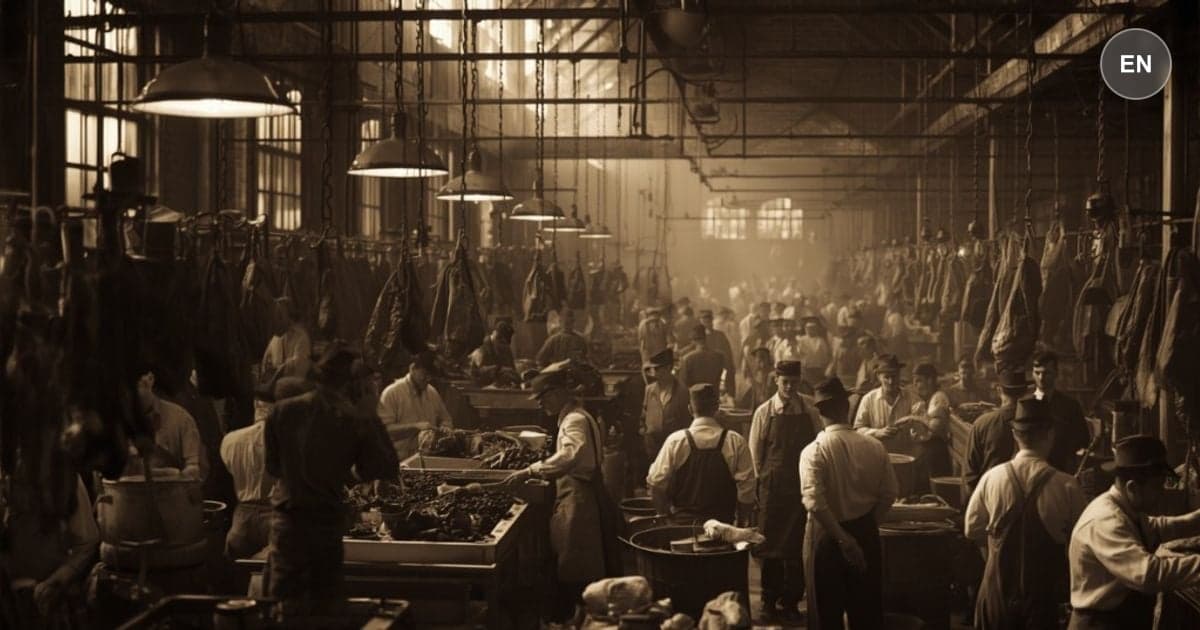
The Jungle
A Bill He Cannot ChangeTwo grafter sets call themselves parties. A hundred-dollar bill has nowhere safe to sleep. The city is another packing house.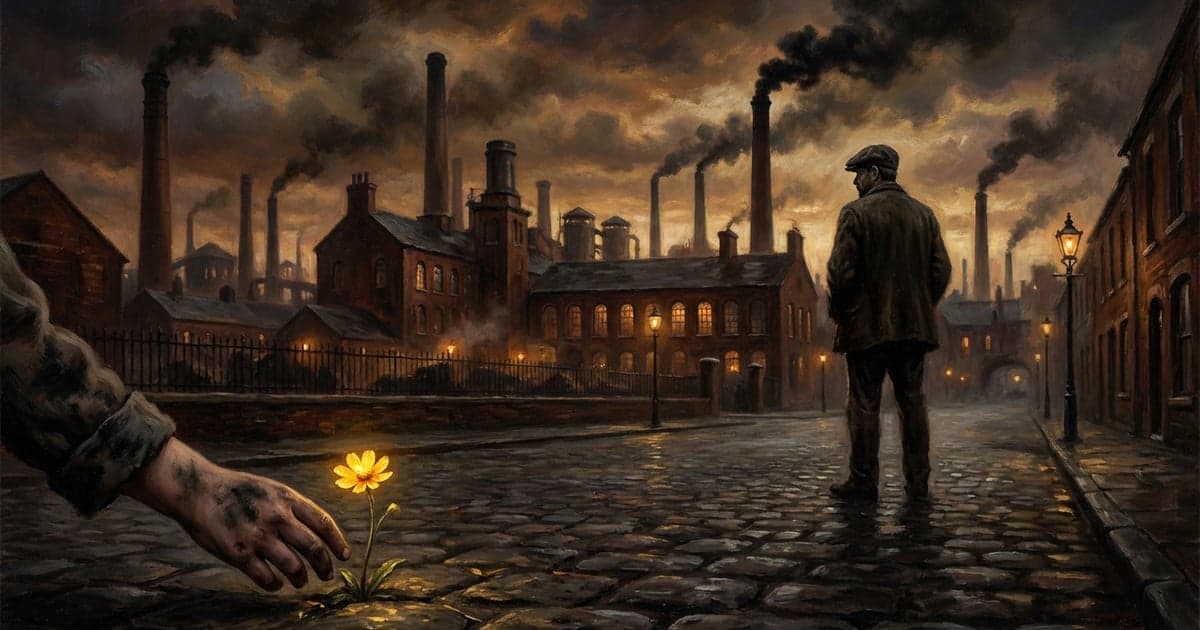
Hard Times
A Hand with a NameStephen will not be a Hand or a vote. Dickens follows a weaver both camps discard, then a pit that still has to hear his name.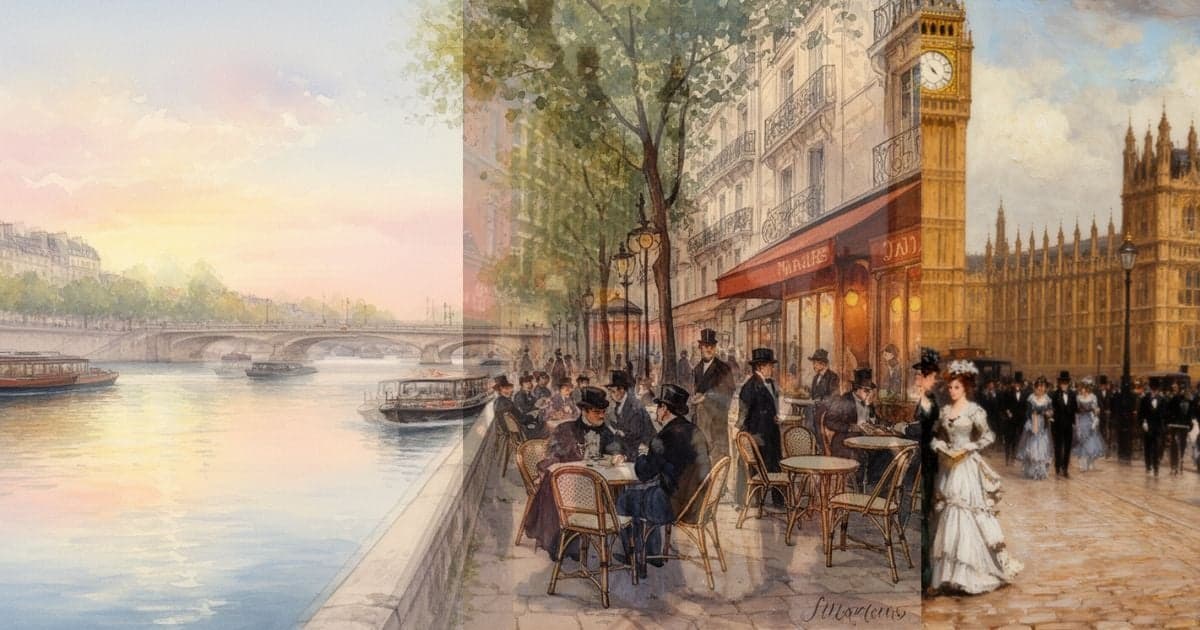
A Tale of Two Cities
A House He Would Rather Keep Than EnterCarton tells Lucie he would die to keep a life she loves. Then he does it, and asks for nothing.A Tale of Two Cities
A Jackal Who Finally Keeps the BriefCarton does Stryver's briefs and drinks the rest. Then the Conciergerie asks for those years.Les Misérables: Essential Edition
A Just ManMyriel lives on less so others can eat. Hugo prices mercy as a daily allocation, then as the life Valjean later refuses to take.A Tale of Two Cities
A Ledger That Will Not CloseMadame Defarge knits past the guilty man to the child. Revenge that will not close the ledger.
Tess of the d'Urbervilles
A Picture That Could Not ForgiveAngel loves a daughter of Nature until the woman in front of him has a history. Mercy is what a principle does when it costs.A Tale of Two Cities
A Room That Has Already ChosenThe Old Bailey wants a hanging. Paris wants a grindstone. A crowd that has already decided.A Tale of Two Cities
A Tossed Coin Comes Back as a CityA wine cask. BLOOD on a wall. A coin for a dead child. How contempt becomes a city.Les Misérables: Essential Edition
A Yellow PassportA gendarme does not return a salute. Hugo shows how a completed sentence still walks through town as a finished person.
The Moonstone
An Unendurable NuisanceGodfrey calls charity a nuisance once the audience is a curtain. Watch what the public saint says when he thinks you are gone.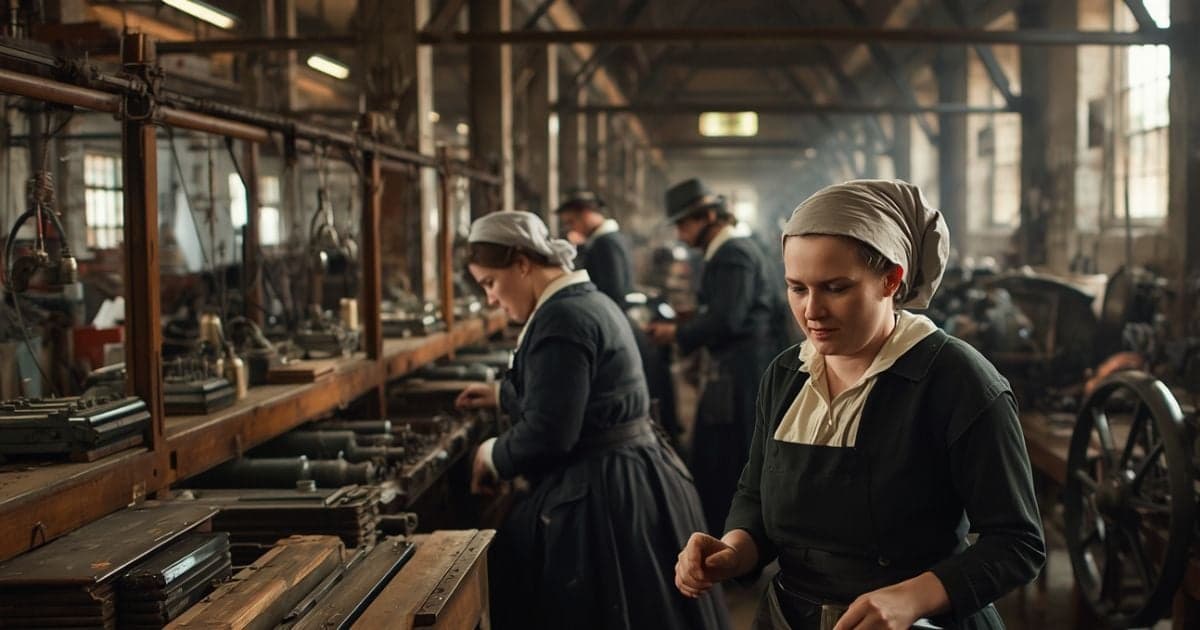
Das Kapital
Analyzing Class InterestsMr. Peel arrives with capital. There is no servant to fetch water from the river.
On Liberty
Applying the Harm PrincipleLabel the poison. Stop the walker on a rotten bridge. Do not seize a grown person because you would have chosen better.The Moonstone
As Far As We SawFranklin wants a record. Each witness may write only what they saw. Truth arrives as a stack of partial rooms.The Moonstone
Because I WonRachel will not open the wardrobe, and the house calls that guilt. Silence is a fact in the room, not a confession.Hard Times
Bitzer's CirculationBitzer answers a heart with circulation. Dickens lets the prize pupil quote the catechism back at its author, and will not let regret rewrite the product.Hard Times
Born in a DitchBounderby manufactures a ditch, an egg-box, and a vanished mother. Dickens shows a self-made hymn that collapses when the woman who raised him walks in.
Adventures of Huckleberry Finn
Building Authentic FriendshipsTwo runaways share a raft, a watch, and a sky. The law calls one of them property.The Jungle
Chicago Will Be OursA hall names what hustle could not. The slogan does not restore the dead. Reform can win a night and still leave a family as evidence.The Moonstone
Collar Me AgainBetteredge pins Cuff to the wall after fifty years in the house. Loyalty can look exactly like obstruction.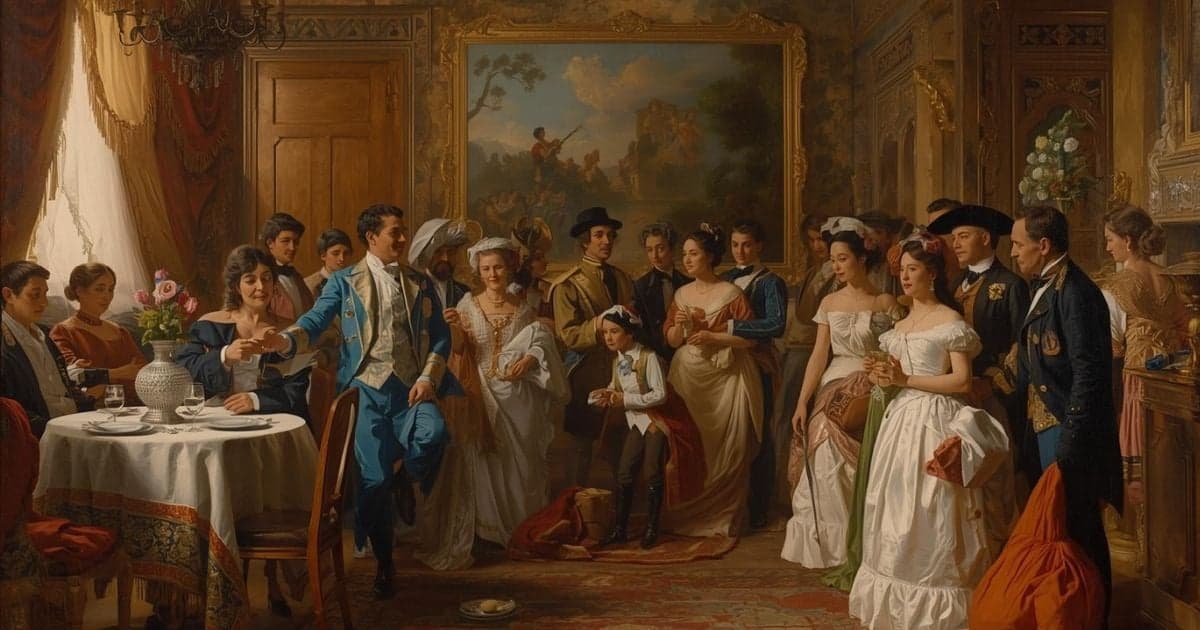
Noli Me Tángere
Colonial Identity and BelongingNavigate colonial identity in Noli Me Tángere. Rizal chapters on returning home changed, performing belonging, and split loyalties under empire.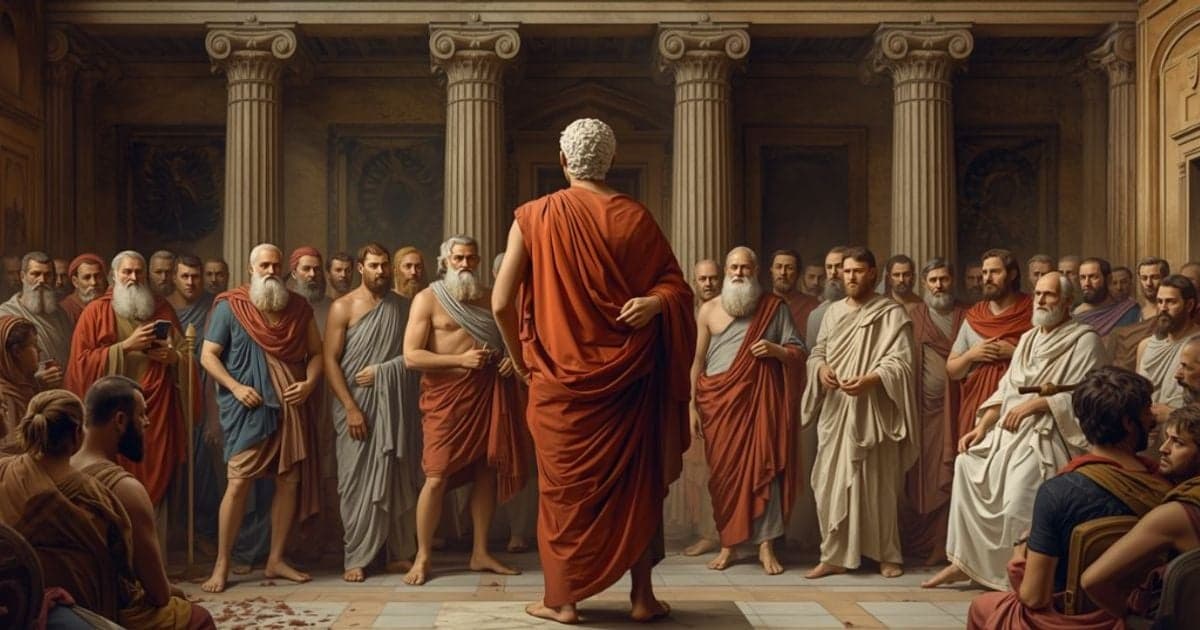
The Apology
Cross-Examining Weak AccusationsWatch Meletus's charge collapse when Socrates asks who actually improves the youth.On Liberty
Cultivating IndividualityA person built after a model can look respectable and still have no character left to follow.