
What Makes a Leader Worth Following
The Helm Goes to the Person Who Can Steer
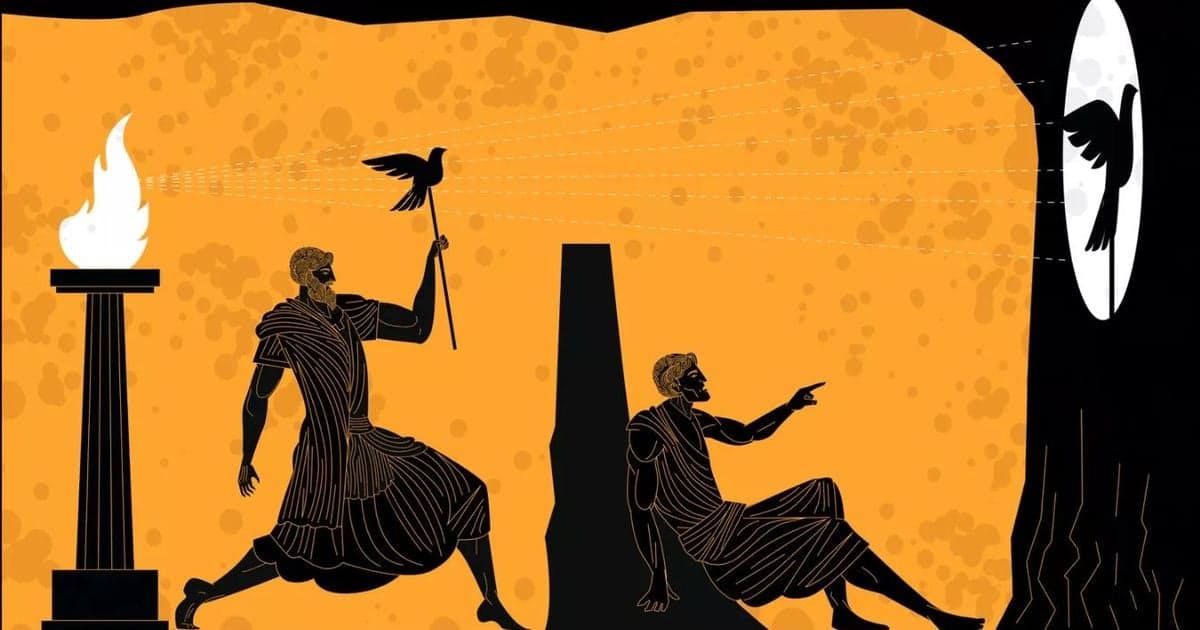
We still hire the way Plato's sailors vote. We watch who wants the wheel, who can win the room, who looks busy at the fight. The navigator studying stars looks unemployed. Adeimantus already asked the rude question: if philosophers are so wise, why are they useless in actual cities? Socrates does not deny the appearance. He explains the scoring system. A ship whose crew has never learned the sea will call knowledge of the sea a hobby.
The guardian argument is the same claim in another register. If the office is a prize, the prize will be milked. Gold in the soul, Socrates says, is ruined by gold in the hand. Reluctance is not meekness. It is a tell. People who need the chair to feel real will use the chair to stay real. People who would rather stay with the work itself have to be talked into the chair. That is why they should sit in it.
Book 7 adds the cost. The person who can see more still has to walk back into a room that cannot see yet. They will look clumsy at the only contest the room knows how to run. A leader worth following is not the one who never loses a popularity fight. It is the one whose competence survives looking pointless until the weather proves the point. Wanting the helm is easy. Reading the weather is the job.
The Central Lesson
A leader worth following is not the person who wants the helm most. It is the person who can steer, who does not need the office as a personal harvest, and who can bear looking useless to a crew that only scores the fight. Plato's ship, his reluctant rulers, and the prisoner sent back down are one claim: popularity is a different craft from navigation. If you only follow the sailor who wins the brawl, you have already chosen the rocks.
Applying This to Your Life
Ask What the Office Does for Them
Before you follow someone, name what they personally harvest from the role: status, safety, a story about themselves. The more the role is a rescue, the more their judgment will protect the rescue. Plato's guardians are built to need the work, not the perks.
Separate Navigation from the Brawl
In a meeting, notice who is fighting for the wheel and who is talking about the actual sea: numbers, constraints, weather nobody wants to hear. The stargazer look is often the tell. Competence that cannot be shouted will lose the first vote and still be the only map.
Tolerate Looking Useless on the Way Back
If you know something the room does not, your first returns will look like incompetence at their game. Do not rush to win the shadow contest just to feel employed. The descent is the work. Applause from the wall is not a compass.
Other lessons in this book
More life-skill deep dives from the same classic.
How Good People Become Bad Systems
Catch the moment a real virtue (honor, thrift, freedom) stops governing and starts colonizing everything else.
2 chapters·Explore AnalysisOwning the Life You Choose
Read the Tuesday inside the prize before you grab it, and stop transferring the blame for the pick.
4 chapters·Explore AnalysisRuling Yourself First
Read reason, spirit, and appetite as offices in an inner city, and notice which one is writing tonight's laws.
3 chapters·Explore AnalysisThe Cave
Notice which contest you are currently ranked in, and whether it only works if nobody turns toward the fire.
4 chapters·Explore AnalysisWhy Be Good When You Could Get Away With It
Treat Glaucon's ring as a weekly test: would this still be your rule if no one could check, and the just man still went to the rack?
5 chapters·Explore Analysis
Continue exploring
Explore this theme
The same lessons in other books
See how other books teach the same life skills.

Les Misérables: Essential Edition
Navigating Poverty and Social ClassTrace Fantine from 1817 hope to factory gossip, and the class that treats need as indictment.
The Jungle
Reading Graft as Everyday GovernmentStay with Duane's cell and chapter 25: votes, inspectors, and a city that prices justice.
Hard Times
Understanding Worker DignityWatch Stephen refuse both mill-owner and union when each side treats him as a unit, and see what integrity costs when neither camp will have you.
Where the lesson lives in the book
Guardians Who Are Not Paid in Luxury
Adeimantus objects that the guardians sound miserable: no private land, no gold, none of the comforts power is supposed to buy. Socrates answers that the aim is not to make one class especially happy. It is to make the whole city as happy as possible. A cobbler who tries to be a general is not improved by the extra title. The guardian whose judgment is for sale has already left the craft.
Key Insight:
Leadership as a prize is already a corrupted job description. If the position is how you get rich, famous, or safe, your decisions will protect the position. Plato's test is crude and useful: what does this person need the office to do for them? The less they need it as a personal rescue, the more their judgment can belong to the work.
“We are not aiming to make one class especially happy, but to make the whole city as happy as possible.”
Competence Has No Gender
Socrates argues that women should receive the same guardian education, limited only by differences of strength. If the relevant quality is a philosophical nature, sex is not the relevant quality. The objections are custom, not argument. In a fourth-century dialogue this is a shock. The logic is cold: exclude a capable person and the city loses capacity. Fill the role by category and you have already stopped asking who can steer.
Key Insight:
Once you name the actual skill a role requires, every other filter is a tax on that skill. Plato is being consistent, not fashionable. If wisdom is the qualification, then refusing a wise woman is like refusing a wise man. The same test applies anywhere people confuse a social type with a competence.
The Ship of Fools
Why do the best minds look useless in politics? Because the ship is already a brawl. The owner is half deaf. Sailors quarrel, drug him, and call the person who studies sky and season a stargazer. They have never learned that a true pilot must attend to year, wind, and stars whether the crew wants that knowledge or not. Wanting the helm is not the same as knowing the sea.
Key Insight:
Popularity and navigation are different crafts. A room that can only score the fight for the wheel will keep promoting the loudest sailor. The person worth following is often the one who looks idle by that scoreboard: they are watching weather the brawl cannot see.
“The true pilot must give his attention to the year and seasons and sky and stars and winds.”
Those Who Must Be Compelled to Rule
The philosopher who has seen the Good does not want to go back down into the cave's politics. Socrates says the best rulers must be compelled. The people who want power as a treat will use it as a treat. Reluctance is not a personality quirk. It is evidence that the office is being taken as a duty rather than a harvest.
Key Insight:
Ambition is not always a warning, but hunger for the chair is. Ask what the candidate loses if they never get the role. If the answer is identity, income, or revenge, you already know what the role will be used for. Plato's paradox is practical: the person who needs the helm least is the one whose hands are freest on it.
“The state in which the rulers are most reluctant to govern is always the best and most quietly governed.”
Going Back Down
The freed prisoner does not get to stay in the sun. The city that educated him has a claim. He must go back among people whose eyes are still trained on the wall, and he will look ridiculous there. Leadership, in this picture, is not a peak experience. It is a descent. The people still watching the fire will not experience your clearer sight as a gift. They will experience it as spoiled vision.
Key Insight:
A leader worth following can tolerate looking useless to the room they are trying to help. If you need the cave to applaud your eyesight, you will start describing shadows again. The descent is the job. The sun was the training.