Master this chapter. Complete your experience
Purchase the complete book to access all chapters and support classic literature
As an Amazon Associate, we earn a small commission from qualifying purchases at no additional cost to you.
Available in paperback, hardcover, and e-book formats
Why This Matters
Connect literature to life
This chapter teaches you to identify when 'that's impossible' really means 'that would change everything'—and why that's exactly what broken systems need.
Practice This Today
This week, notice when someone dismisses a solution as 'too radical'—then ask yourself if the real objection is that it would actually work.
Now let's explore the literary elements.
Key Quotes & Analysis
"Friends have all things in common"
Context: The phrase Socrates used earlier that his friends now demand he explain fully
This seemingly simple statement contains radical implications about property, family, and social organization. It's the seed from which Plato grows his vision of communal living among guardians.
In Today's Words:
Real friends share everything - but what if we took that literally?
"Do you think that we have come hither to dig for gold, or to hear you discourse?"
Context: Expressing frustration at the lengthy philosophical discussion
Thrasymachus represents practical people who think philosophy is a waste of time compared to making money. His sarcasm highlights the tension between material and intellectual pursuits.
In Today's Words:
Did we come here to get rich or to talk about impossible dreams?
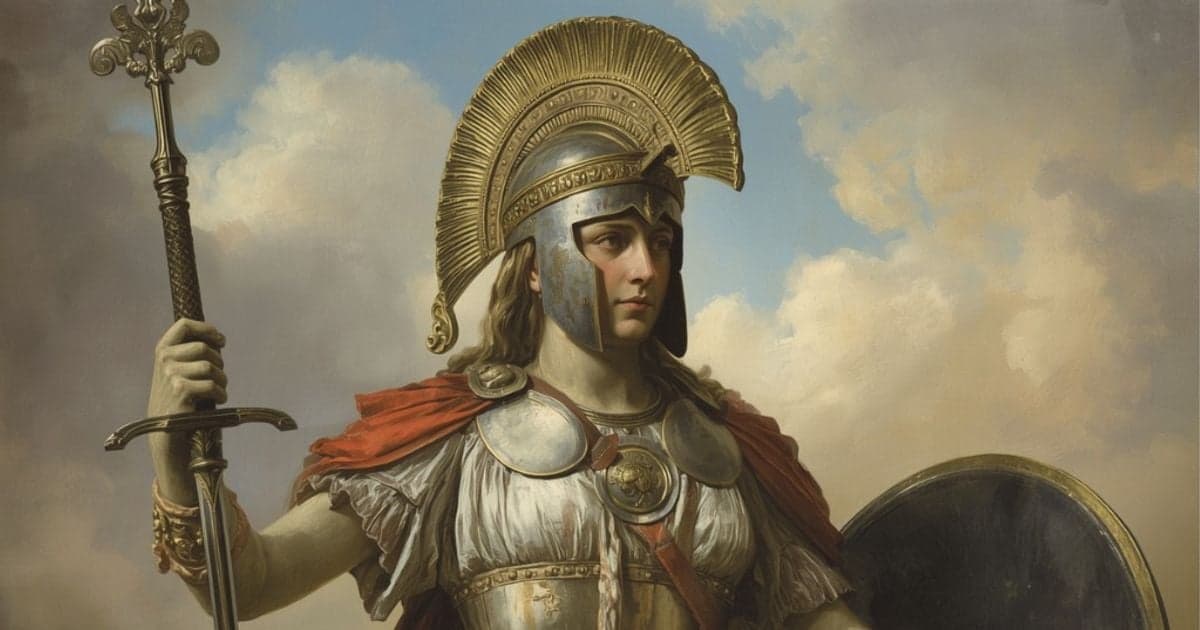
"There is no practice of a profession which belongs to woman as woman or to man as man; natural capacities are equally distributed in both sexes"
Context: Arguing for gender equality among guardians
Revolutionary for ancient Greece, Socrates argues that gender differences are superficial compared to individual talents. He's not saying men and women are identical, but that both can be warriors or philosophers.
In Today's Words:
Being male or female doesn't determine what job you can do - talent does
"Until philosophers are kings, or the kings and princes of this world have the spirit and power of philosophy... cities will never have rest from their evils"
Context: Presenting his most radical proposal
The climax of Plato's political philosophy - only those who understand truth itself should rule. This seems impossible because philosophers don't want power and powerful people rarely seek wisdom.
In Today's Words:
Nothing will get better until the people in charge actually know what they're doing
Thematic Threads
Equality
In This Chapter
Women should be guardians with identical training and roles as men
Development
Extends justice principle from city structure to gender roles
In Your Life:
When you're told you can't do something because of who you are, not what you can do
Unity
In This Chapter
Abolishing private families creates one unified guardian class
Development
Builds on earlier theme of city harmony through specialized roles
In Your Life:
When personal interests conflict with what's best for your team or workplace
Truth vs Opinion
In This Chapter
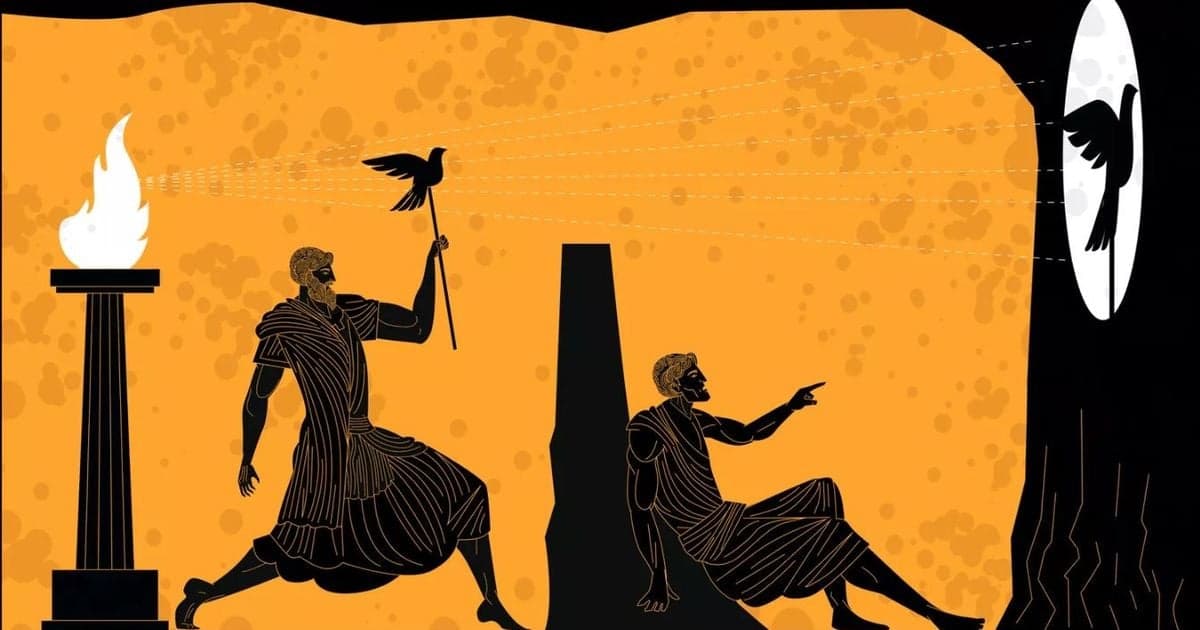
Only philosophers who see reality, not shadows, should rule
Development
Introduced here as foundation for philosopher-king concept
In Your Life:
When you need someone who understands the real problem, not just what it looks like
Radical Solutions
In This Chapter
Three 'waves' of increasingly shocking proposals to fix society
Development
Escalates from city structure to complete social revolution
In Your Life:
When fixing something properly means suggesting changes that make people uncomfortable
You now have the context. Time to form your own thoughts.
Discussion Questions
- 1
What were Socrates' three radical proposals for the guardian class, and which one did he think would be most shocking?
analysis • surface - 2
Why does Socrates use the example of guard dogs to argue for women guardians? How does this strategy help him make his point?
analysis • medium - 3
Where do you see 'that's how we've always done it' blocking obvious improvements in your workplace or community?
application • medium - 4
If you had to propose a 'radical' fix for a broken system you deal with daily, how would you present it to overcome resistance?
application • deep - 5
What does this chapter reveal about why people defend broken systems even when better solutions exist?
reflection • deep
Critical Thinking Exercise
Design Your Guard Dog Argument
Think of a 'radical' change you'd like to see in your workplace, family, or community. Now find a simple comparison (like Socrates' guard dogs) where your idea already works naturally. Write out how you'd present your idea using this comparison to bypass emotional resistance.
Consider:
- •What obvious example shows your 'radical' idea is actually normal somewhere else?
- •What emotional objections will people raise that your comparison can defuse?
- •How can you acknowledge the change is hard while showing it's not wrong?
Journaling Prompt
Describe a time when you or someone else successfully introduced a big change by making it seem less threatening. What strategies worked?
Coming Up Next...
Chapter 6: The Ship of Fools
Having declared that philosophers must rule, Socrates now faces the harder question: what exactly makes someone a true philosopher? The answer will challenge everything Glaucon thinks he knows about wisdom, power, and the nature of reality itself.