Master this chapter. Complete your experience
Purchase the complete book to access all chapters and support classic literature
As an Amazon Associate, we earn a small commission from qualifying purchases at no additional cost to you.
Available in paperback, hardcover, and e-book formats
Why This Matters
Connect literature to life
This chapter teaches you to identify which part of your psyche is currently in control—rational planning, emotional fire, or raw appetite—and recognize when they're at war.
Practice This Today
This week, when you feel torn about a decision, pause and ask: Is this my appetite talking, my spirit getting fired up, or my reason trying to plan?
Now let's explore the literary elements.
Key Quotes & Analysis
"The eye must be an eye, and you should look at the statue as a whole."
Context: Responding to criticism about the guardians' austere lifestyle
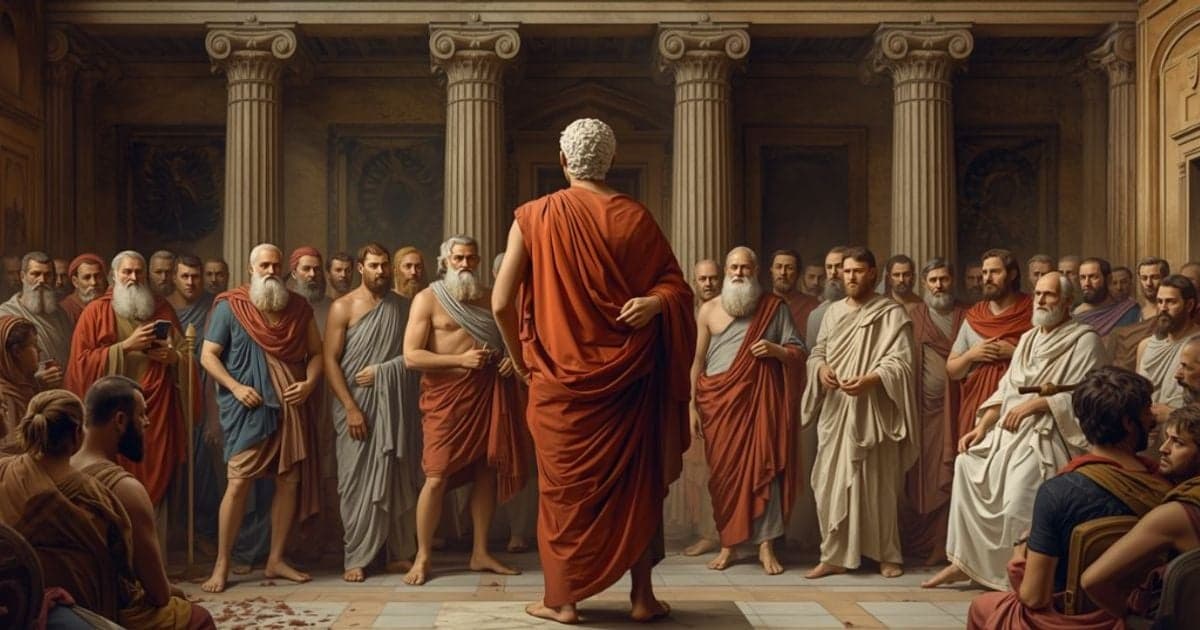
This metaphor reveals Plato's core belief: parts serve the whole. Just as an eye painted purple would ruin a statue, guardians living in luxury would corrupt the state. Individual desires must yield to collective harmony.
In Today's Words:
You can't give the quarterback all the credit - you need to look at the whole team
"I was angry with myself and my desires, and I said to my eyes: 'You wretches, feast yourselves on this fair sight.'"
Context: Giving in to his morbid desire to look at corpses while hating himself for it
This disturbing moment proves we can be at war with ourselves. Leontius experiences simultaneous attraction and revulsion, showing the soul contains opposing forces. This internal conflict is universal human experience.
In Today's Words:
I hate myself for watching this trash, but I can't look away
"Justice is doing one's own work and not meddling with what isn't one's own."
Context: Defining justice after extensive argument about the soul and state
This deceptively simple definition has radical implications. Justice isn't about fairness or equality, but about everyone fulfilling their natural role. When people try to do jobs they're unsuited for, both they and society suffer.
In Today's Words:
Stay in your lane and do what you're built for
"The same three elements exist in the soul of each one of us as exist in the state."
Context: Drawing the parallel between individual psychology and political structure
This connection between personal and political is revolutionary. The conflicts in our souls mirror conflicts in society. Understanding one helps us understand the other. Personal harmony creates social harmony.
In Today's Words:
The drama in your head is the same drama playing out in society
Thematic Threads
Identity
In This Chapter
Reveals we're not unified selves but collections of competing parts—reason, spirit, and appetite—that must be properly ordered.
Development
Evolved from discussing city structure to discovering the same three-part structure exists within each person.
In Your Life:
When you feel torn between what you want, what you believe is right, and what makes logical sense.
Class
In This Chapter
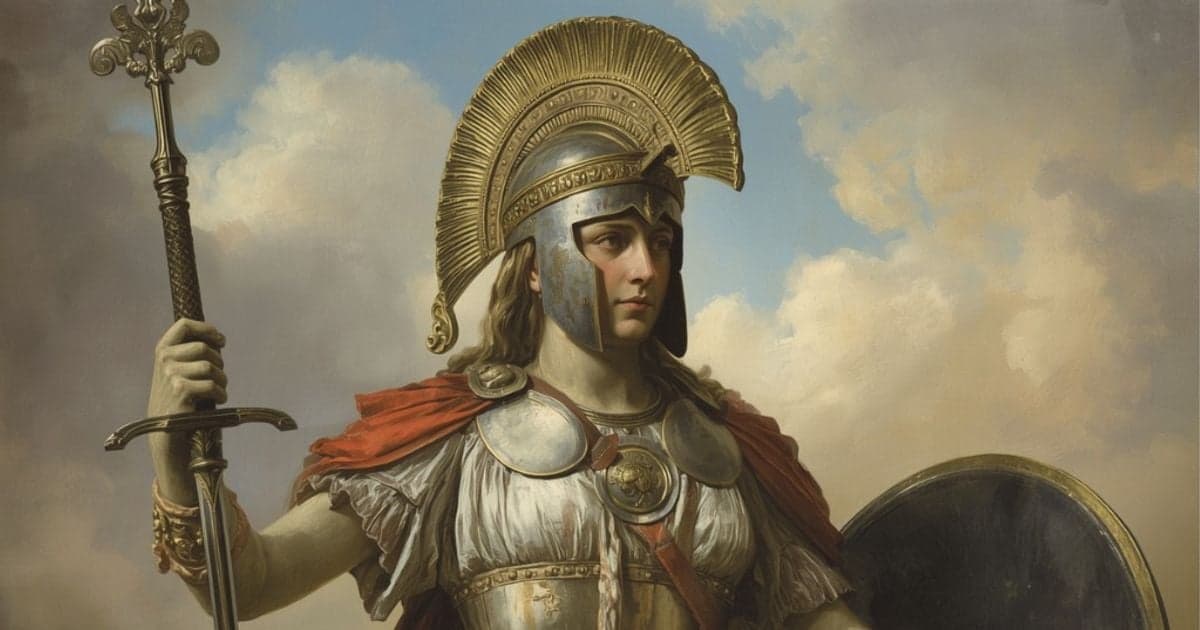
Each part of the soul mirrors a class in the city: rulers (reason), guardians (spirit), producers (appetite).
Development
Deepens from external social classes to internal psychological classes that must work in harmony.
In Your Life:
When different parts of your personality clash like coworkers who don't respect each other's roles.
Personal Growth
In This Chapter
True growth means achieving internal justice—each part of yourself doing its proper job without overstepping.
Development
Shifts from growing through education to growing through internal ordering and self-mastery.
In Your Life:
When you realize growth isn't about suppressing parts of yourself but organizing them properly.
Social Expectations
In This Chapter
Guardians must sacrifice personal wealth for collective good, paralleling how reason must sacrifice immediate gratification.
Development
Evolved from discussing social roles to showing how accepting limitations leads to greater harmony.
In Your Life:
When doing what's best for everyone means giving up what you personally want most.
You now have the context. Time to form your own thoughts.
Discussion Questions
- 1
What are the three parts of the soul that Socrates identifies, and what does each part want?
analysis • surface - 2
Why does Leontius both want to look at the corpses and hate himself for wanting to? What does this reveal about internal conflict?
analysis • medium - 3
Think of someone you know who seems constantly at war with themselves - always starting diets they break, making promises they don't keep, or saying one thing but doing another. Which part of their soul might be winning most often?
application • medium - 4
You're exhausted after a double shift, but your kid needs help with homework. Your appetite says 'just zone out with TV,' your spirit says 'be a good parent,' and your reason knows the homework matters. How do you get these three parts working together instead of fighting?
application • deep - 5
If humans are really 'walking committees' with different parts that can disagree, what does this mean for concepts like willpower, self-control, or personal responsibility?
reflection • deep
Critical Thinking Exercise
Map Your Internal Committee Meeting
Think of a recent decision where you felt torn - maybe staying in bed versus getting up early, speaking up versus staying quiet, or spending versus saving. Draw three circles labeled Reason, Spirit, and Appetite. Write what each part was 'saying' during your internal debate. Then draw arrows showing which part won and why.
Consider:
- •Which part tends to speak loudest in your daily decisions?
- •When does your spirit (emotions/values) help your reason, and when does it side with appetite?
- •Are there certain times of day or situations where one part consistently overpowers the others?
Journaling Prompt
Write about a time when your reason knew the right thing to do, but lost the internal vote. What would it take to change the outcome if you faced that same situation tomorrow?
Coming Up Next...
Chapter 5: The Great Wave of Equality
The conversation takes an unexpected turn when Adeimantus and Polemarchus conspire to confront Socrates about something he's been avoiding - the role of women and children in his ideal state. They refuse to let him off the hook this time.