Teaching War and Peace
by Leo Tolstoy (1869)
Teaching Map
This guide is not only for literature teachers. Parents, tutors, book clubs, and anyone reading War and Peace together can use it to open conversation — not just recap plot. Each Why it matters note is a question-starter: ask toward a Collision (two views meet and something shifts), a Reframe (the same facts suddenly mean something different), or a Recognition (what was always there finally becomes visible). The map shows how the book breaks into stages, which anchor scenes to lean on, and where each Lesson fits — whether you are planning a term or a single evening.
Books One–Three
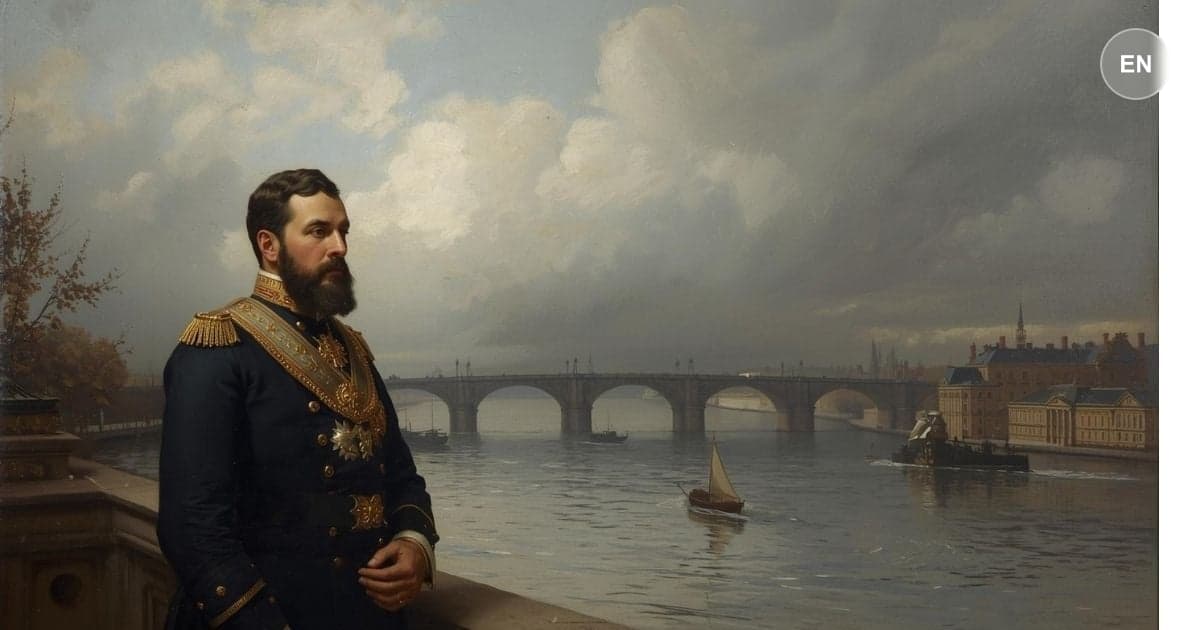
Chapters 1–68 · 1805 — Anna Pavlovna's salon, Austerlitz, and the sky that shrinks an emperor
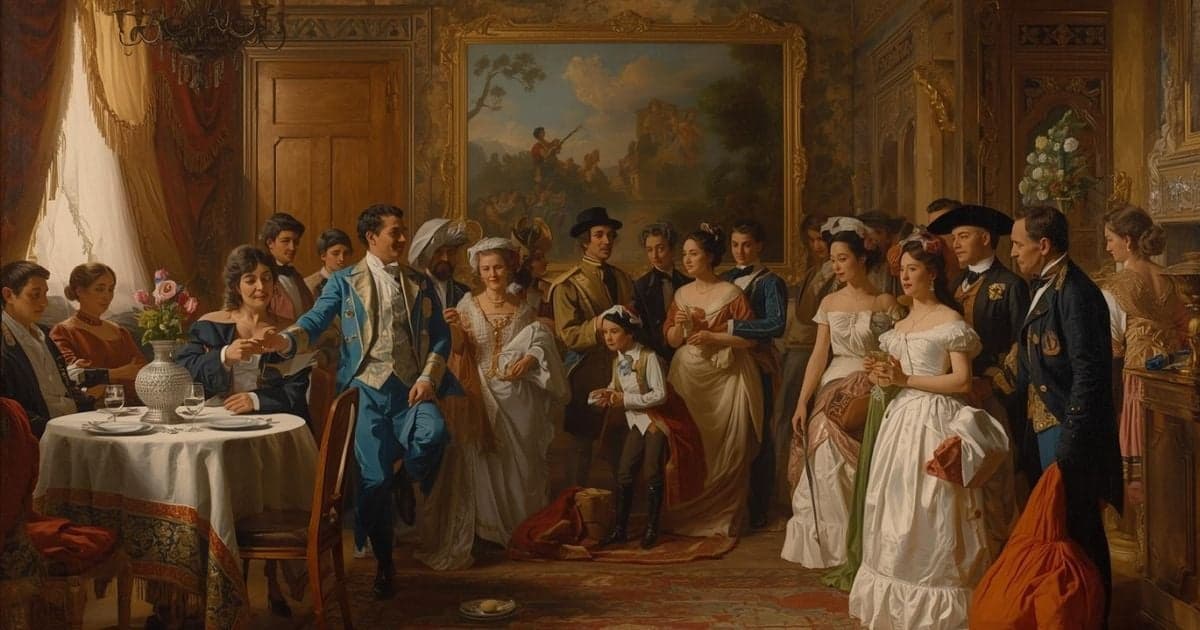
Anna Pavlovna's salon
“Well, Prince, so Genoa and Lucca are now just family estates of the Buonapartes. But I warn you, if you…”
Why it matters
Ask a question — toward Collision, Reframe, or Recognition.
Grand talk often hides a small, concrete ask. Anna Pavlovna performs fury at Napoleon, then steers Prince Vasili from a Vienna appointment toward marrying his son to Princess Mary. Before you treat someone's public outrage as conviction, name the favor they need once the room is warm.
Finding Meaning in Chaos
“Anna Pávlovna’s drawing room was gradually filling. The highest Petersburg society was assembled there: people differing widely in age and…”
Why it matters
Ask a question — toward Collision, Reframe, or Recognition.
Groups often punish the person who mistakes performance for honesty. Pierre skips the aunt ritual and lectures the abbe while Anna Pavlovna manages the room like a foreman fixing stalled machines. Before you speak at a high-stakes gathering, decide whether the event rewards connection or choreography, and match your depth to the room's actual product.
Questioning Success
“Pierre, after all, had not managed to choose a career for himself in Petersburg, and had been expelled from there…”
Why it matters
Ask a question — toward Collision, Reframe, or Recognition.
Polite rooms often orbit money no one will say aloud. Boris tells Pierre that gossip links them to the fortune, but he and his mother will not ask the rich count for anything because wealth makes the tie awkward. When everyone is circling, one plain sentence can reset trust.
Building Authentic Relationships
“In November, 1805, Prince Vasíli had to go on a tour of inspection in four different provinces. He had arranged…”
Why it matters
Ask a question — toward Collision, Reframe, or Recognition.
Hosted kindness can become a leash. Pierre circles Hélène for six weeks, drowns in expectation at her name day, and marries though he knew better. Before the room closes your choice, leave once, say you need time, and ask someone outside the cast what they see.
Andrei wounded at Austerlitz
“Kutúzov accompanied by his adjutants rode at a walking pace behind the carabineers. When he had gone less than half…”
Why it matters
Ask a question — toward Collision, Reframe, or Recognition.
A unit can bleed from fear before bodies pile up. Kutúzov points at fleeing soldiers as the true wound; Andrew charges with a standard then sees only the sky. When someone shouts all is lost, map what is still true before you run or play hero.
Facing Mortality
“Kutúzov accompanied by his adjutants rode at a walking pace behind the carabineers. When he had gone less than half…”
Why it matters
Ask a question — toward Collision, Reframe, or Recognition.
A unit can bleed from fear before bodies pile up. Kutúzov points at fleeing soldiers as the true wound; Andrew charges with a standard then sees only the sky. When someone shouts all is lost, map what is still true before you run or play hero.
Books Four–Eight
Chapters 69–167 · 1806–1811 — Peacetime marriages, debts, and Pierre's search for a system to hold his life
No anchor scene or lesson keyed to this stretch — assign it as connective reading.
Books Nine–Eleven
Chapters 168–263 · 1812 — Invasion, Borodino, and history overtaking every private plan
Embracing Simplicity
“In the tavern, before which stood the doctor’s covered cart, there were already some five officers. Mary Hendríkhovna, a plump…”
Why it matters
Ask a question — toward Collision, Reframe, or Recognition.
Happiness can be assembled from little. Rostov's soaked officers share muddy tea, one spoon, and Mary Hendrikhovna's smile until the doctor's gloom ends the game. Add warmth to the room you are in instead of waiting for perfect conditions.
Pierre wanders toward Borodino
“After the Emperor had left Moscow, life flowed on there in its usual course, and its course was so very…”
Why it matters
Ask a question — toward Collision, Reframe, or Recognition.
Moscow parties while Napoleon marches. When a circle gets funnier as danger nears, ask what fear is being outsourced to gossip and games. Ask what fear your circle is outsourcing to wit before the city empties.
Understanding Free Will vs Fate
“On the twenty-fourth of August the battle of the Shevárdino Redoubt was fought, on the twenty-fifth not a shot was…”
Why it matters
Ask a question — toward Collision, Reframe, or Recognition.
Tolstoy dismantles Borodino's neat map. Before admiring a leader's plan, ask what terrain and accidents actually forced. Separate accident from the genius story told once the wounded are counted.
The Battle of Borodino
“Many historians say that the French did not win the battle of Borodinó because Napoleon had a cold, and that…”
Why it matters
Ask a question — toward Collision, Reframe, or Recognition.
Napoleon shot no one; soldiers fought because Moscow drew them on. When one face owns a national story, ask whose wills actually moved. Count actors on the ground before you credit or blame the portrait on the wall.
Books Twelve–Fifteen
Chapters 264–337 · 1812 — Moscow burns, captivity with Karataev, and the retreat that ends an empire
Karataev in the prison shed
“After the execution Pierre was separated from the rest of the prisoners and placed alone in a small, ruined, and…”
Why it matters
Ask a question — toward Collision, Reframe, or Recognition.
Pierre's mainspring is gone after execution; Karataev shares potatoes and sayings; world stirs on new foundations. Ask what simple rest you crave after overload. Receiving Simple Restoration maps Andrew's road through Pierre's captivity.
Epilogue
Chapters 338–361 · 1813–1820 — Domestic peace and the argument that no great man steered any of it
Pierre and Natasha, years later
“The conversation at supper was not about politics or societies, but turned on the subject Nicholas liked best—recollections of 1812.…”
Why it matters
Ask a question — toward Collision, Reframe, or Recognition.
Nicholas admires Mary's moral diary while defending farm work over Pierre's reform talk; she loves him though he will never grasp her spiritual world. Partners can devote themselves differently and still build a strong home. Before you demand identical values, ask what their devotion adds.
Why Teach War and Peace?
Anna Pavlovna Scherer opens her Petersburg salon in 1805 arguing about Napoleon while Pierre Bezukhov, freshly rich and already out of place, refuses to let the debate stay settled. Prince Andrei is wounded at Austerlitz and finds the sky above the battlefield larger than the war beneath it; Natasha Rostova dances, nearly elopes with Anatole Kuragin, and later nurses Andrei as he dies. Napoleon invades in 1812, Moscow burns, and Pierre is taken prisoner, where a peasant named Platon Karataev teaches him more than any salon or Masonic lodge managed to. Years later Pierre and Natasha build a quiet domestic life while Tolstoy closes the book arguing that no great man steered any of it.
Lessons from War and Peace
Six named pressures the book tests, each tied to a chapter and a deeper lesson page. Send students to one when a theme hooks them, then back to the scene that proves it.
Building Authentic Relationships
Watch Natasha's first dance, Anatole's playbook, and the epilogue marriage that includes reproach.
Embracing Simplicity
Start with a tavern in the rain, then Karataev, Nicholas at the plow, and the domestic language after the war.
Facing Mortality
Stay with Andrei under the Austerlitz sky, then at Yaroslavl, when pride finally has no work left.
Finding Meaning in Chaos
Follow Pierre from the salon and the inheritance through Borodino to Karataev's prison circle, and see purpose arrive when the systems fail.
Questioning Success
Put Pierre's fortune and Hélène's match next to Napoleon in occupied Moscow, and ask what the triumph was for.
Understanding Free Will vs Fate
Sit with Tolstoy at Borodino and in the Second Epilogue, and watch the great-man story come apart.
Suggested Teaching Approach
1Before class: map the setup
Read Books One through Three for Anna Pavlovna's salon, Pierre's inheritance, and Austerlitz, where the sky shrinks Napoleon to a fly. You need the peacetime pressures in place before the 1812 invasion gives them a battlefield.
2Discussion starter: name the mechanism
Skip plot recall. Ask where students see this book's pressures play out in their own lives, from Anna Pavlovna's salon (Ch. 1) to Pierre and Natasha, years later (Ch. 352). Tie every answer to a chapter number, not a theme label alone.
3Modern connections: use the six lessons
When a chapter raises a question you cannot shake, such as whether Napoleon actually commanded anything, or why Pierre's fortune did not fix him, jump to the matching lesson page, then return to the chapter list. Do not skip the Second Epilogue. It is the argument, not an appendix.
4Assessment: application, not recall
Essay prompts that work: compare Anna Pavlovna's salon (Ch. 1) to The Battle of Borodino (Ch. 218); trace how it pays off by the ending. Pair with a current-events angle, then require a scene from the book as counterweight. Assess application, not recall. AI cannot help with lived experience.
Chapter-by-Chapter Resources
The Art of Salon Politics
Why it matters: Grand talk often hides a small, concrete ask. Anna Pavlovna performs fury at Napoleon, then steers Prince Vasili from a Vienna appointment…
The Art of Social Theater
Why it matters: Groups often punish the person who mistakes performance for honesty. Pierre skips the aunt ritual and lectures the abbe while Anna Pavlovna…
The Art of Social Performance
Why it matters: A host can serve scandal and silence ideas in the same hour. Anna Pavlovna rings the vicomte's Enghien tale for effect, then…
The Art of Social Leverage
Why it matters: Power brokers treat favors as finite capital. Princess Drubetskaya corners Prince Vasili with tears and old debts until he promises her son…
When Politics Divides the Room
Why it matters: Tables often punish nuance before they test it. Pierre calls the Enghien execution political necessity and praises the Revolution while Anna Pavlovna…
The Awkward Exit and Hidden Motives
Why it matters: Big moves often hide personal exits. Pierre's clumsy kindness survives Anna's demand that he change his opinions; Prince Andrew tells Pierre he…
The Strain of War Preparations
Why it matters: Two people can argue about the same decision while optimizing for different futures. Lise tells Pierre she cannot understand why Andrew needs…
The Marriage Warning
Why it matters: Absolute life rules often carry someone else's regret. Over supper Prince Andrew tells Pierre never to marry until he has ceased to…
The Dangerous Bet
Why it matters: Clever excuses often arrive after the decision to break a promise is already made. Pierre tells himself words of honor mean nothing…
Social Networks and Family Connections
Why it matters: In tight networks, the story people repeat can matter more than your official record. At the Rostov name day a visitor describes…
When Children Burst the Adult Facade
Why it matters: One person's unfiltered feeling can expose everyone else's performance. Natasha runs into the Rostov drawing room with her doll Mimi, laughs until…
Young Hearts on Display
Why it matters: Strong feeling often leaks through manners that pretend otherwise. Sonya smiles in the Rostov drawing room while her eyes follow Nicholas, then…
First Kiss in the Conservatory
Why it matters: People often perform feelings they saw work for someone else. Natasha hides, watches Nicholas comfort Sonya, then leads Boris through the doll…
Family Dynamics and Social Maneuvering
Why it matters: Scarcity pushes people toward control or connection. Vera scolds the young couples and threatens to tell; Anna Mikhaylovna cries to the countess,…
Navigating Power and Desperation
Why it matters: Power often appears first as access rules. The porter refuses Anna Mikhaylovna and Boris while the count is dying; she reaches Prince…
The Art of Speaking Your Truth
Why it matters: Polite rooms often orbit money no one will say aloud. Boris tells Pierre that gossip links them to the fortune, but he…
The Weight of Money and Friendship
Why it matters: A gift can relieve a crisis and still wound the person who takes it. Countess Rostova blushes, begs Anna not to refuse,…
The Art of Social Performance
Why it matters: Formal gatherings reward the story you tell about yourself, not the person you are under pressure. Berg recites his pay scale while…
War Talk and Dinner Courage
Why it matters: Loud certainty is often borrowed, especially when the stakes are new to the speaker. Nicholas declares Russians must die or conquer while…
When Family Drama Crashes the Party
Why it matters: The right move is often presence before advice. Natasha finds Sonya sobbing on the passage chest over Nicholas's departure and Vera's threat,…
Vultures Circle the Dying Count
Why it matters: High stakes show who people are under the mask. Undertakers wait beyond Bezukhov's gates while Prince Vasili presses Princess Catherine to find…
The Power of Guided Authority
Why it matters: Respect can arrive because your position changed, not because you earned it today. Pierre enters Bezukhov's house ignored and minutes later receives…
A Father's Final Moments
Why it matters: Ceremony can bury the only honest second you get. Pierre follows tapers and chanting until his father's helpless smile pierces the theater…
The Deathbed Power Struggle
Why it matters: The decisive move often happens beside the ceremony, not in it. While tea cools, Catiche and Anna fight over a portfolio at…
The Clockwork Prince and His Daughter
Why it matters: Harsh order often masks a world someone cannot steer. The old prince times every meal and shouts over geometry while Mary trembles;…
Family Rituals and War Plans
Why it matters: Familiar routine can block the talk you came for. Andrew waits through his father's nap while war starts tomorrow; the old man…
Dinner Table Power Dynamics
Why it matters: Inclusion offered from the top is often a loyalty test, not shared power. The old prince seats Michael Ivanovich to prove equality,…
The Weight of Farewell
Why it matters: Leaving often splits you into masks. Andrew tells Mary he is not happy, performs calm for Lise, and absorbs his father's lecture…
The Inspection That Backfired
Why it matters: Effort misaimed is humiliation in uniform. Officers bow too low and polish parade gear while Kutuzov wanted marching greatcoats and holey boots…
The General's Inspection
Why it matters: Leaders sometimes repair a unit by sparing one person in public. Kutuzov praises Timokhin, summons Dolokhov, and leaves the colonel grateful while…
When Bad News Arrives
Why it matters: Catastrophe shows who serves the mission and who serves the mood. Kutuzov delays with polished French while Mack's entrance ends the fiction;…
The Stolen Purse and Honor's Price
Why it matters: Right action inside your own tribe can leave you grieving instead of triumphant. Rostov recovers Denisov's gold and still weeps at the…
Honor vs Pride in Military Life
Why it matters: Groups often protect their name by leaning on the person who spoke up. Rostov is right about theft yet Kirsten demands he…
War Games and Nervous Energy
Why it matters: The same danger produces hosts and hawks. Nesvitski offers refreshment while the general curses wasted time and fires a gun for fun.
Chaos on the Bridge
Why it matters: Badges thin out when everyone is squeezed. Nesvitski smiles uselessly at the rail until Denisov's saber opens the bridge. When a crisis…
Under Fire for the First Time
Why it matters: First danger magnifies your mistakes in your own eyes. Rostov stumbles on the bridge and calls himself coward while the colonel barely…
Victory's Hollow Taste
Why it matters: Headquarters often grades a battle you bled for as mail. Andrew helps wounded men on the road, then watches a minister mourn…
Reality Check from a Friend
Why it matters: A personal win can be real and politically small at once. Bilíbin tells Andrew Vienna is lost while he still smells victory.
The Diplomatic Game
Why it matters: Power often wants reassurance, not truth. Bilíbin coaches Andrew to praise supply routes; Andrew says the facts will not allow it. Decide…
When Opportunity Knocks During Crisis
Why it matters: Honors can arrive while nobody listens. Francis checks questions off; Andrew still gets a cross; then the bridge bluff exposes real peril.
When Systems Collapse Around You
Why it matters: Large failure does not excuse small cruelty. Andrew clears a woman's cart and confronts a drunken officer on a retreating road; Kutuzov…
The Art of Strategic Deception
Why it matters: A ceasefire can be cover, not mercy. Murat offers Bagration three days while Kutuzov rushes wagons toward Znaim; Napoleon then orders the…
The Calm Before the Storm
Why it matters: Panic and competence swap places by distance. Andrew passes clogged wagons, then finds soldiers cooking and Dólokhov swearing at French pickets while…
The View from the Battery
Why it matters: Overview and philosophy both comfort until impact arrives. Andrew maps the field while Túshin speaks of death; a cannonball ends the sentence.
The Battle Begins
Why it matters: Orders lag, but tone travels. Bagration says very good under fire and will not magnify a nearby death; Andrew feels the field…
When the Smoke Clears
Why it matters: Maps fail in smoke. Bagration reforms troops, walks forward with God, and shouts hurrah while Andrew follows. When reports conflict, do one…
When Leadership Fails in Crisis
Why it matters: One avoided duty can endanger everyone when timing is tight. Zherkóv abandons his retreat order while two commanders feud and Rostóv meets…
When Panic Meets Courage
Why it matters: One shouted fear can empty a line faster than facts return. Timókhin charges back while Túshin fires alone until Andrew helps withdraw…
In the Darkness After Battle
Why it matters: Abandoned workers get blamed unless someone with standing speaks. Túshin trembles while Zherkóv invents glory; Andrew says success owed the battery that…
The Art of Social Manipulation
Why it matters: Kindness can invoice later when power is grooming you. Vasíli houses Pierre, pockets rents, and Anna Pávlovna pairs him beside Hélène until…
The Inevitable Engagement
Why it matters: Hosted kindness can become a leash. Pierre circles Hélène for six weeks, drowns in expectation at her name day, and marries though…
When Suitors Come Calling
Why it matters: Being styled for someone else's verdict can feel like care while it teaches you you are not enough. Mary endures ribbons and…
The Marriage Market Opens
Why it matters: Loneliness can turn a handsome silence into a whole future. Mary dreams of marriage while Anatole watches Bourienne's foot under the clavichord.
When Truth Shatters Illusions
Why it matters: Politeness can keep a bad bargain alive until something undeniable breaks it. Mary hears her father's bitter joke, then sees Anatole embrace…
News from the Front
Why it matters: The same letter can crush or comfort depending on who tells it and when. Anna Mikháylovna softens dinner before the countess reads…
Old Friends, Different Paths
Why it matters: Shame can dress itself as honor and pick fights that prove nothing. Rostóv reads home's letter, mocks adjutant work, then inflates Schön…
The Power of Shared Purpose
Why it matters: Big stages can make you surrender judgment while feeling noble. Rostóv would die for Alexander after drums and hurrahs, and forgives Bolkónski…
Playing the Unwritten Rules
Why it matters: Titles on paper rarely tell you who can stall or launch a decision. Boris watches a general wait while Andrew talks, and…
The Emperor's Eyes
Why it matters: Being near power can feel like winning when you were sidelined. Rostóv's wasted day turns golden after Alexander's glance, though he never…
The Clock Begins to Tick
Why it matters: Organizations can keep moving after the decisive yes. Kutúzov predicts loss while the Emperor jokes about supper and the army stirs like…
The War Council's Deadly Dance
Why it matters: Meetings can be theater after the real yes upstairs. Weyrother reads while Kutúzov sleeps; Andrew fears thousands die for etiquette. Before the…
Night Watch and Napoleon's Fire
Why it matters: Exhaustion makes you cast yourself as the one the boss will pick. Rostóv dreams the Emperor will order him forward, then scouts,…
Battle in the Fog
Why it matters: Teams march blind while someone above waits for the right moment. Soldiers blame Germans in the fog; Napoleon watches Russians leave Pratzen…
When Authority Meets Reality
Why it matters: Leaders often want motion before units are ready because it looks decisive. Kutúzov tells Alexander this is not the Empress Field parade;…
The Sky Above the Battle
Why it matters: A unit can bleed from fear before bodies pile up. Kutúzov points at fleeing soldiers as the true wound; Andrew charges with…
Chaos in the Fog of War
Why it matters: Sometimes the task exists to avoid a decision, not to finish it. Bagratión sends Rostóv knowing the ride may not return by…
When Leaders Disappear and Soldiers Must Choose
Why it matters: Rehearsed heroism can stop you from doing the small thing that matters. Rostóv finds Alexander alone but rides away rather than deliver…
The Sky Above Napoleon
Why it matters: What flatters in peacetime can insult in extremity. Napoleon calls Andrew's wound a fine death while Andrew stares at the sky and…
Nicholas Returns Home to Love
Why it matters: Generosity is not the same as your decision. Sónya tells Nicholas to forget his promise so he can be free, and he…
Coming Home Changed
Why it matters: Communities often crown a safe hero instead of facing why they lost. Moscow invents Bagratión and whispers against Kutúzov while Andrew goes…
The Hero's Uncomfortable Welcome
Why it matters: Banquets after defeat comfort the hosts more than the hero. Bagratión is trapped with verses while Rostóv breaks glasses for the Emperor.
When Suspicion Becomes Certainty
Why it matters: Rumors hurt most when you answer them with the wrong ritual. Pierre accepts Hélène's guilt the moment he challenges Dólokhov over a…
The Duel's Aftermath
Why it matters: Winning a fight can still leave you wrong about the person. Pierre wounds Dólokhov, then hears him beg Rostóv to spare his…
The Terrible Truth Revealed
Why it matters: Comfortable self-deception ends in harm. Pierre admits he never loved Hélène, then nearly attacks her when she names a price for leaving.
When Bad News Arrives
Why it matters: The same loss hits people differently. Kutúzov leaves hope open; the old prince screams killed; Mary weeps beside pregnant Lise who still…
Birth and Arrival
Why it matters: Birth and return can silence rank. Servants and princes wait alike while Lise labors and Andrew appears on the stairs. When a…
Birth, Death, and the Weight of Guilt
Why it matters: Sudden loss can make you hear blame in every memory. Andrew says my darling once, then meets his son beside Liza's reproachful…
When Mothers Make Excuses for Bad Men
Why it matters: Groups often defend a harmful guest with loyalty stories. Mary Ivánovna calls Fédya noble while Natásha says he is calculating and predicts…
Love, Duty, and Difficult Choices
Why it matters: Confession can keep you virtuous while leaving someone else waiting. Nicholas loves Sónya, makes no promise, and still asks her to consider…
Dancing Into Love at the Ball
Why it matters: Happiness can be real even when trouble waits outside the door. Natásha delights at Iogel's ball while Denísov's mazurka stuns her; war…
The Gamble That Changes Everything
Why it matters: Shame can keep you at a table after wisdom told you to go. Rostóv remembers Dolokhov's line about fools and luck, stays…
When Luck Runs Out
Why it matters: A loss can be engineered to hit your weakest tie, not your wallet alone. Dólokhov stops at forty-three thousand because it equals…
When Music Cuts Through Shame
Why it matters: Shame can make you invisible in a loving room. Nicholas plans confession or a bullet while Natásha sings and tells herself he…
The Weight of Confession
Why it matters: Understanding can wound more than anger when you know you deserve worse. Nicholas hears it happens to everyone, then sobs and begs…
The Stripped Screw of Existence
Why it matters: Big questions without action become a cage. Pierre spins on good and evil at Torzhók while a postmaster lies and a peddler…
A Stranger Offers Salvation
Why it matters: People invested in your comfort rarely total your waste. Bazdéev lists Pierre's feasts, neglected wife, and idle wealth, then hands him Willarski's…
Pierre's Initiation into the Brotherhood
Why it matters: Desperation can make any closed door look like salvation. Pierre says yes to Willarski before he sees the skull, coffin, or price…
Pierre's Masonic Initiation
Why it matters: Investment can bully you into finishing what you no longer believe. Pierre almost asks if they are laughing, then prostrates because stopping…
Pierre Finds His Voice
Why it matters: Good rules can be twisted to keep you passive. Pierre remembers be kindly and courteous while Vasili rewrites the duel until whispered…
The Art of Social Survival
Why it matters: Groups protect their own by changing who looks mad or moral. Vasili calls Pierre touched while Anna says she always knew; Helene…
The Art of Social Performance
Why it matters: Power often summons before it explains. Helene orders Boris to Tuesday and then whispers he must come to dinner without giving a…
When Crisis Reveals Character
Why it matters: Stress makes co-caregivers attack each other when the real danger will not obey. Andrew whispers for drops while Mary begs to let…
Letters from the Front Lines
Why it matters: Groups under pressure often fight each other while the real threat advances. Bilibin describes generals dodging Buxhovden and starving soldiers looting while…
Good Intentions Meet Hard Reality
Why it matters: Absent leaders often see the gratitude they want, not the system that stayed. Pierre tours bread-and-salt receptions and empty new buildings while…
When Old Friends Become Strangers
Why it matters: Harsh pragmatism often protects an old wound, not truth. Andrew says he lives only to avoid remorse and illness while Pierre defends…
The Ferry Crossing Conversation
Why it matters: Transformation often needs grief answered by hope, not debate scored like court. Andrew tells Pierre he looked into the abyss when Lise…
Faith, Doubt, and Family Tensions
Why it matters: Clever doubt can land like a slap. Pierre calls Pelagéya's miracle a fraud and Andrew jokes about the Holy Mother as general…
Finding Your People
Why it matters: People rarely need you to agree first; they need to feel seen. Pierre respects Pelagéya, hears Mary's fear for Andrew, and spars…
Finding Home in Structure
Why it matters: Clear duty can calm a chaotic inner life. Rostóv feels at home in the regiment while civilians starve around them and he…
When Good Intentions Go Wrong
Why it matters: Good motives do not guarantee safe methods. Denísov seizes wagons to stop starvation, then finds Telyánin and turns supply theft into assault…
The Hospital Visit
Why it matters: Overload can look like cruelty. Rostóv meets a doctor who jokes about typhus, then enters a ward where men beg for water…
Pride vs. Pragmatism in Crisis
Why it matters: Being right does not pick the form that saves you. Denísov exposes supply thieves, refuses the Emperor's pardon, then hands Rostóv the…
When Old Friends Become Strangers
Why it matters: Success rewires how people answer old friends. Boris passes the Buonaparte test, then tells Rostóv to take Denísov's petition to a corps…
When Power Says No
Why it matters: Justice needs a door that is open. Rostóv storms the Emperor's house in mufti on peace-signing day and hears that the law…
When Leaders Meet: Power and Doubt
Why it matters: Painful contrast can make you defend what hurts you. Rostóv sees Lazarev decorated while Denísov stays unpardoned, then shouts that soldiers must…
Real Life Goes On
Why it matters: Capitals perform friendship while bodies keep their own calendar. Tolstoy notes emperors called arbiters even as health, toil, and love proceed apart…
The Oak That Refused to Bloom
Why it matters: A bleak inner season can look like the world's verdict. Andrew reforms estates while a leafless oak convinces him spring is a…
The Girl in the Yellow Dress
Why it matters: Other people's happiness can unsettle you when you have gone numb. Andrew watches Natasha glory in the moon while he feels he…
The Oak Tree's Second Chance
Why it matters: Coming back to life can sound like contempt for those who stayed. The oak greens and Andrew decides life is not over,…
Bureaucratic Power Games
Why it matters: Good work can die in a frightened waiting room. Andrew's regulations reach Arakchéev, who rules by terror and rejects the memo as…
The Power Player's Game
Why it matters: Important people often recruit through charm plus tests. Speránski has heard of Andrew, praises freeing serfs, then debates honor while offering a…
The Seductive Power of Brilliant People
Why it matters: A confident mentor can feel like the mind you lost to busy work. Andrew schedules Petersburg to the minute while Speránski's reason-without-doubt…
When Organizations Lose Their Way
Why it matters: One banner can hide four reasons to show up. Pierre funds charity yet sinks in a bog of mystics, climbers, and ceremony…
The Weight of Forgiveness
Why it matters: Noble frames can hide exhaustion after failure. Pierre forgives Hélène while living on the upper floor, treating reunion as discipline more than…
The Performance of Intelligence
Why it matters: A salon can mint intellect by invitation alone. Hélène's emptiness wins raptures while Pierre, who knows better, feels like an exposed conjuror.
Pierre's Spiritual Diary Entries
Why it matters: Tracking virtue can hide the war you are losing. Pierre prays against anger and lust, then hates Boris in the dark chamber…
The Business of Marriage
Why it matters: Moral language can mask a cash negotiation. Berg says he scorns marrying for money, then demands a dowry figure before the wedding…
When Old Promises Collide with New Ambitions
Why it matters: Delay can look polite while it damages every path. Borís means to free Natásha, then spends whole days at the Rostóvs while…
Mother-Daughter Midnight Confessions
Why it matters: Kindness is not the same as leaving a door open forever. Natásha wants Borís just so; the countess talks with him privately…
Getting Ready for the Grand Ball
Why it matters: Public grace often rests on private panic. The Rostóvs fear missing invitations and hems while crowds outside decode plumes; Natásha's dress is…
Natasha's First Ball
Why it matters: Rooms full of performers reward real presence. Natásha cannot hold a majestic air and arrives flushed; that unplanned attitude wins the hostess…
The Dance That Changes Everything
Why it matters: High-status rooms punish invisibility fast. Natásha hears the polonaise turn sad while Pierre tells Andrew to ask the young Rostóva, and one…
The Magic of Being Fully Present
Why it matters: One mood does not describe the whole party. Natásha says she has never enjoyed herself so much while Pierre broods, humiliated by…
When Heroes Disappoint
Why it matters: Distance builds idols; proximity tests them. Andrew hears Speránski's unnatural laugh, sits through mocking anecdotes, then wonders why he spent months on…
When Love Awakens the Soul
Why it matters: Numbness can feel like strength until something breaks through. Andrew weeps while Natásha sings, then lies awake planning tutor, travel, and happiness.
The Art of Social Climbing
Why it matters: Some invitations are auditions, not friendship. Berg courts Pierre after Hélène refuses, preaches acquaintances above you, and ends with a party exactly…
Love Transforms Everything
Why it matters: Rooms announce attraction before couples do. Natásha looks indifferent until Andrew arrives and Pierre feels something important beginning while Véra's cousin talk…
Love Declared and Witnessed
Why it matters: You can rejoice for a friend and still feel your own life darken. Andrew divides the world in two for Pierre while…
The Price of Love's Approval
Why it matters: Families often say yes while engineering delay. The old prince orders a year abroad, Natásha suffers unexplained silence, then sobs at the…
Love's Quiet Revolution
Why it matters: Love should name who helps when you leave. Andrew gives Natásha freedom, daily hand-kiss formality, and Pierre's heart of gold before departure.
Letters from the Heart
Why it matters: Loyalty can blind relatives to change. Mary forgives her father's cruelty through love's law yet tells Julie Andrew will never marry Natásha…
When Love Meets Duty's Wall
Why it matters: Joy can detonate a household if it arrives wrong. Andrew announces Natásha from Switzerland while Mary must face their father's wait-till-I'm-dead reply…
The Comfort of Avoidance
Why it matters: Structured escape feels virtuous until home breaks. Nicholas loves compulsory idleness until his mother begs him back, then finds Natásha serene while…
When Good Intentions Meet Reality
Why it matters: Performance fury hides missing skills. Nicholas knows less than Mítenka what an account should be, learns seven hundred rubles were carried forward,…
The Hunter's Call
Why it matters: Ideal conditions hijack prudence fast. Nicholas meant to rest his hounds yet the melting sky and Daniel's wink send him hunting while…
The Wolf Hunt Begins
Why it matters: Teams fail at the gap, not in the plan. Every hunter and hound knows place until the count daydreams with snuffbox in…
The Perfect Hunt
Why it matters: A long wait for proof can make you mistake the climax for a solo act. Nicholas prays for the wolf while Daniel…
The Hunt and Hidden Rivalries
Why it matters: A gracious enemy can still want to win the afternoon. Nicholas rides to punish Ilágin and instead gets regret, hospitality, and a…
Uncle's Musical Evening
Why it matters: Plenty without pretense can show what your usual rooms withhold. Natasha eats Anisya's feast, corrects Nicholas's cool praise, dances, then says she…
The Weight of Family Expectations
Why it matters: Crisis makes families rename economics as duty. Nicholas asks if he must sell honor for money while Sonya is frozen out and…
The Restless Heart Waits
Why it matters: Stillness can feel like waste when the person you need is elsewhere. Natasha wants Andrew now, wanders the house, then hates the…
Memories, Dreams, and Winter Magic
Why it matters: A single evening can carry grief about time and sudden joy that feels truer than the grief. Natasha and Nicholas mourn what…
Masks Off, Hearts Revealed
Why it matters: Daily roles can hide the person beside you until ritual changes the light. Nicholas calls himself a fool for missing Sonya until…
Love Confessions and Mirror Magic
Why it matters: Love declared in the snow can sit beside a mirror lie told from kindness. Nicholas commits to Sonya while Natasha begs for…
When Love Meets Money
Why it matters: Crisis makes families rename love as plotting. Nicholas keeps his word while the countess refuses blessing and calls Sonya intriguer; the count…
Pierre's Comfortable Cage
Why it matters: When meaning collapses, comfort can masquerade as wisdom. Pierre flees to Moscow, gives to every cause, and tells himself he will untangle…
The Burden of Caregiving
Why it matters: Respect at the door can mislead you about life inside. Guests see the prince's tea; Mary endures Bourienne, conscription, and her own…
The French Doctor's Expulsion
Why it matters: External threat can turn inward fast. The prince expels Metivier, punishes Mary, and praises Rostopchin's French sermon at the same table. When…
When Loneliness Makes Us Desperate
Why it matters: A single honest talk can expose two dangers at once. Pierre names Boris's heiress hunt while Mary admits she would marry anybody…
The Art of Strategic Romance
Why it matters: Effort can bully you into a yes your instinct refused. Boris writes gloom for Julie, dreads her face, then proposes because the…
The Wise Woman's Guidance
Why it matters: Passion does not remove family physics. Marya Dmitrievna says the old prince is crotchety and tells Natasha to win Mary peacefully before…
When First Impressions Go Wrong
Why it matters: Some families punish with manners, not shouting. The prince's fake apology in nightclothes humiliates Natasha while Bourienne prevents the talk about Andrew.
The Theater of Social Performance
Why it matters: Pain does not respect the social calendar. Natasha is sent to the opera still raw from the Bolkonskis and wishes Andrew could…
The Seductive Power of Performance
Why it matters: Settings can change what you tolerate. Natasha first despises the opera's fakery, then enjoys it beside Helene while Anatole watches. When you…
The Moment Everything Changes
Why it matters: Wrong can feel right under lights. Natasha enjoys Anatole's nearness, then at home calls herself lost and feels her love for Andrew…
The Charming Predator's Playbook
Why it matters: Character is not only smile but structure. Anatole spends, hides a wife, borrows from Pierre, and hunts Natasha while Dolokhov says she…
The Weight of Waiting
Why it matters: Praise that arrives with a third party's desire is rarely neutral. Natasha waits for Andrew, drowns in guilt, then hears Helene sigh…
Dangerous Attraction at Hélène's Salon
Why it matters: A crowd can numb you while a host clears the room. Anatole whispers behind Natasha during George's recital, then kisses her when…
The Heart Divided
Why it matters: Ultimatums sound like destiny when you are already worn out. Marya Dmitrievna says go home and wait; Princess Mary asks to meet;…
When Love Becomes Obsession
Why it matters: Love talk can exile the person who sees danger. Natasha calls Sonya an enemy, writes Mary to end the engagement, and signals…
The Point of No Return
Why it matters: Plans gain gravity once money, witnesses, and drivers are booked. Dolokhov counts rubles, warns of criminal court, and Anatole still orders horses…
The Elopement Trap
Why it matters: Momentum feels like proof until a calm servant blocks the door. Anatole toasts his youth while Dolokhov later shouts betrayed and Gabriel…
The Morning After Shame
Why it matters: Some crises look like stubborn silence, not tears. Natasha lies dry-eyed, mutters she will die, and shouts at Marya Dmitrievna while the…
When the Truth Comes Out
Why it matters: Hard news needs clarity, not pile-on. Marya Dmitrievna calls the affair disgraceful; Natasha asks one question; Pierre answers yes with his word…
Pierre Confronts Anatole
Why it matters: Action beats outrage only if it sticks. Pierre hunts Anatole, seizes letters, and orders him out yet still apologizes and offers money.
The Cold Aftermath of Betrayal
Why it matters: You can end a bond without punishing a person near death. Natasha takes arsenic; Pierre rewrites gossip; Andrew returns letters and refuses…
Pierre's Moment of Grace
Why it matters: Shame tells people they are finished; grace restores a future. Natasha begs Pierre to ask Andrew to forgive her while Pierre offers…
The Machinery of History
Why it matters: Big harm rarely has one switch. Tolstoy opens 1812 and mocks historians who reduce slaughter to a duke's wrongs or Napoleon's ambition…
Napoleon Crosses the Rubicon
Why it matters: Leaders can soothe while advancing. Napoleon assures Alexander of peace yet accelerates troops and orders the Niemen crossed while Uhlans drown for…
Dancing While the World Burns
Why it matters: Crisis can be public before it penetrates pleasure. Alexander's Vilna month stays unready while Napoleon crosses on the night of Bennigsen's ball.
The Diplomatic Mission Begins
Why it matters: Messages change weight at the border. Balashov leaves imperial courtesy and meets insult, then Murat's Naples act before Davout. Pack clarity on…
Power's Cruel Servants
Why it matters: Harsh gatekeepers often serve a system, not a moment. Davout works in a shed on purpose, seizes Alexander's letter, and leaves Balashov…
Napoleon's Power Performance Unravels
Why it matters: Real leverage listens; insecurity lectures. Napoleon says he wants peace yet quivers, interrupts, and screams at Balashov's Niemen line. Watch the body…
Napoleon's Dangerous Charm Offensive
Why it matters: Warmth can be control, not repair. Napoleon dines amiably, quizzes Moscow, misses Spain, and pulls Balashov's ear while mocking Alexander. Do not…
The Weight of Unfinished Business
Why it matters: Absent offenders can still steer your life. Andrew cannot meet Kuragin, dreads old horizons, snaps at Mary, and leaves home bitter. Before…
Nine Parties at War Headquarters
Why it matters: Many smart voices can still freeze a crisis. Andrew sees Drissa factions, ninety-nine parts opportunists, and elders saying the sovereign should reign,…
The Dangerous Expert
Why it matters: Bad plans can arrive with medals on them. Michaud shows Andrew that Pfuel's Drissa masterpiece is an absurdity, and Pfuel still treats…
The Illusion of Military Genius
Why it matters: Many voices can sound like wisdom while nothing is knowable yet. Paulucci rages, Pfuel sneers, Toll reads notes, and Andrew decides war…
When Duty Calls Louder Than Love
Why it matters: Sacrifice can be real and still be convenient. Nicholas writes Sonya about honor at the campaign's start while Tolstoy notes that timing,…
Finding Joy in Simple Moments
Why it matters: Happiness can be assembled from little. Rostov's soaked officers share muddy tea, one spoon, and Mary Hendrikhovna's smile until the doctor's gloom…
Mastering Fear Through Mental Discipline
Why it matters: Fear shrinks when focus moves. Rostov rides toward guns having learned to manage his thoughts, not to pretend danger away. Before your…
The Weight of Victory
Why it matters: A medal can arrive before meaning does. Rostov earns a cross for a charge that sickens him once he sees the young…
The Theater of Healing
Why it matters: Crisis makes families need something to do. Tolstoy shows doctors and pill boxes comforting the Rostovs while grief runs its own course.
Finding God in the Darkness
Why it matters: Shame can forbid joy. Natasha finds calm not by forcing happiness but through dawn prayers, repentance, and a week of disciplined preparation.
Prayer in a Time of Crisis
Why it matters: Natasha cannot wish enemies destroyed while trying to forgive Anatole, yet the service moves her anyway. Moral life is rarely clean. When…
Finding Purpose Through Love and Prophecy
Why it matters: Love quiets Pierre's Why, then numerology convinces him he must wait for apocalypse. Feeling chosen is seductive in scary times. When signs…
Unspoken Love and Patriotic Fervor
Why it matters: Love and duty collide when words stay unsaid. Pierre hears Natasha sing again, nearly confesses, and leaves inventing business. Before you withdraw…
Pétya's Imperial Encounter
Why it matters: Admiration can shrink your morality. Petya nearly dies in the crowd, then shoves an old woman for an imperial biscuit. When you…
When the Room Turns Against You
Why it matters: Being right can make you the enemy. Pierre asks for troop numbers and becomes the crowd's hate object. Before you offer logistics…
When Crisis Calls for Sacrifice
Why it matters: Tears in the room can spend money you have not counted. Pierre promises a thousand men when the Emperor weeps; nobles groan…
The Invisible Hand of History
Why it matters: Big wins often get genius plans retrofitted. Tolstoy says Napoleon marched on vanity while Russian commanders feuded, yet the French army was…
When Denial Meets Reality
Why it matters: Leaders sometimes forget the warning they just heard. Mary sees her father ignore Andrew's letter and fixate on Poland. When facts cannot…
A Restless Night of Memory
Why it matters: Two hours of paper samples can mean a man avoiding a letter. The prince finally reads that Smolensk may fall in days.
When Orders Collide with Reality
Why it matters: A governor's letter says Smolensk is safe while Andrew writes evacuate now. Paper lags shells. When official calm contradicts what you see,…
The Weight of Command and Loss
Why it matters: Estates burn but soldiers call Andrew our prince. When your old world is gone, purpose may live in the regiment beside you.
The Art of Political Survival
Why it matters: Vasili mocks Kutuzov as blind, then says he sees well enough when promoted. Salon talk tracks power, not truth. When praise arrives…
Napoleon Meets a Russian Peasant
Why it matters: A CEO tour can be theater. Lavrushka feeds Napoleon's vanity while keeping inner freedom. When someone with power asks what you really…
A Daughter's Final Vigil
Why it matters: Mary wanted rest and loved her father at once. Caregivers need language for contradiction. Wishing suffering would end does not cancel devotion…
When Authority Meets Resistance
Why it matters: Dron's I understand buys time while the commune decides. In crisis, polite agreement without logistics is a red flag. Ask what happens…
When Grief Meets Crisis
Why it matters: Bourienne offers safety that humiliates. Vulnerable mourners get pushed toward others' convenience. Pause big decisions until you ask what your deepest loyalties…
When Good Intentions Meet Resistance
Why it matters: Mary speaks solidarity; peasants hear bondage. Ask what your offer looks like from the weaker side of the table. Listening first can…
The Weight of Unspoken Words
Why it matters: Mary listened outside instead of entering. One word Dearest now must carry a lifetime. If someone is still reachable, imperfect presence today…
When Duty Meets Distress
Why it matters: Rostov could boast; he offers escort and leaves with low bow. Real aid respects the person's dignity. In crisis, watch whether help…
Authority in Crisis
Why it matters: Rostov saves Mary then resents jokes about marrying an heiress because Sonya exists. Good deeds do not simplify life. Name new duties…
Old Wisdom Meets New Plans
Why it matters: Kutuzov looks bored at genius plans yet weeps with Andrew. Choose leaders who understand people and timing. Expertise talks; experience knows what…
Wisdom of Patience and Time
Why it matters: Andrew declines staff; Kutuzov blesses the regiment. Impact often lives where risk is shared. Before taking the shiny post, ask who actually…
When Danger Approaches, Society Chooses Distraction
Why it matters: Moscow parties while Napoleon marches. When a circle gets funnier as danger nears, ask what fear is being outsourced to gossip and…
Pierre Faces the Coming Storm
Why it matters: Pierre repeated the same question until brutality in the square made staying obscene. If you already know, do not wait for a…
The Truth Behind Famous Battles
Why it matters: Tolstoy dismantles Borodino's neat map. Before admiring a leader's plan, ask what terrain and accidents actually forced. Separate accident from the genius…
The Weight of Twenty Thousand
Why it matters: Pierre hears twenty thousand wounded with dressings for six thousand. One cart and one doctor turn math into duty. Link one statistic…
Before the Storm: A Battlefield Blessing
Why it matters: Pierre cannot see the battle lines but sees thousands bow to the icon. When plans blur, shared ritual may be what holds…
Playing All Sides Before Battle
Why it matters: Boris whispers doubt, then praises Kutuzov when overheard. When someone serves two bosses before a verdict, ask which story they tell in…
The Fog of War
Why it matters: Bennigsen moves troops that were hidden on purpose. When an outsider fixes what looks obvious, ask whether command designed the mistake as…
The Cold White Light of Truth
Why it matters: Andrew sees life as crude slides and greets Pierre with hostility. When someone faces death plainly, do not demand their old social…
The Night Before Battle
Why it matters: Andrew says tomorrow depends on soldiers who refuse to run, not staff diagrams. When stakes are existential, measure will before measuring position.
The Emperor's Morning Ritual
Why it matters: Napoleon pampers himself, performs fatherhood, then hides the portrait before battle. When power choreographs tenderness, ask what doubt the show is armoring.
When Perfect Plans Meet Reality
Why it matters: Napoleon's four disposition orders none execute as written. When a plan looks perfect in headquarters, ask what breaks once distance and smoke…
The Myth of the Great Man
Why it matters: Napoleon shot no one; soldiers fought because Moscow drew them on. When one face owns a national story, ask whose wills actually…
The Night Before Battle
Why it matters: Napoleon cannot sleep, checks Guards' rice, and defines war at 4 AM. When someone fusses over handled details before a big hour,…
The Beauty of Battle
Why it matters: Smoke puffs and cannon booms make Borodino beautiful from the knoll. When crisis looks gorgeous from far away, ask what the view…
Pierre's Baptism of Fire
Why it matters: Pierre is mocked, adopted, and ignited beside gunners who joke between shells. When a group pulls you in under danger, ask what…
When Instinct Takes Over
Why it matters: Pierre seizes a French throat before either knows who is prisoner. When adrenaline hits, notice what your hands do before your story…
The Fog of War
Why it matters: Napoleon's adjutants bring false news because battle outruns messengers. When updates gallop in from far away, ask who saw it and when.
When Victory Turns to Nightmare
Why it matters: Napoleon knows the battle is lost yet still says the chessboard is unclear. When a proven playbook fails, leaders may deny before…
The Weight of Command
Why it matters: Kutuzov rejects defeat talk and orders attack tomorrow while sobbing. When facts are messy, leaders may speak will into exhausted people. Steward…
The Moment Before Everything Changes
Why it matters: Andrew who faced death calmly suddenly loves grass and air when the shell spins. Do not shame the body for wanting life…
Compassion in the Field Hospital
Why it matters: Andrew weeps for Anatole and names love of enemies as life's meaning. When a rival suffers beside you, ask what pride kept…
When Power Confronts Its Own Horror
Why it matters: Napoleon wants rest for a moment, then says let them have more, later calls the field superb. When a leader's humanity flickers,…
The Hollow Victory at Borodinó
Why it matters: Neither army can finish the other, yet French spirit breaks at Borodino. When both sides are shattered, ask whose certainty died first.
The Math of History
Why it matters: Clock hands at ten do not ring church bells; Napoleon does not alone produce millions' movement. When one face owns a mass…
The Reality of Command Decisions
Why it matters: Kutuzov cannot simply take the Kaluga road because events and time do not wait. Before asking why a leader did not choose…
The Weight of Impossible Decisions
Why it matters: Kutuzov knows Moscow cannot be held yet rides to Fili before he can say abandon. When all sides discuss what comes after,…
The Burden of Impossible Choices
Why it matters: Kutuzov calls abandon Moscow senseless as rhetoric and orders retreat to save Russia. When a room uses sacred language, ask the military…
When Leaders Panic and People Act
Why it matters: Russians left Moscow by implanted feeling while Rostopchin called them cowards. When a people moves together, look past the official contradicting himself.
Hélène's Religious Conversion Strategy
Why it matters: Helene renders account only to God while arranging divorce and two suitors. When piety arrives beside desire and money, ask what institution…
The Art of Social Manipulation
Why it matters: Helene makes Petersburg ask which suitor, not whether remarriage is lawful. When clever society fears looking stupid, scandal can become fashion. Hear…
Finding Brotherhood in the Darkness
Why it matters: Pierre becomes Peter Kirilych over mash and almost tips the soldiers but stops. When someone feeds you in crisis, do not turn…
Pierre's Dream of Unity and Purpose
Why it matters: Pierre almost understands harness in sleep; the groom's harness call destroys it. When dawn duty echoes a dream word, save the meaning…
The Scapegoat's Father
Why it matters: Rostopchin threatens hanging over a translated proclamation while officials already know Moscow cannot be held. When courage is printed and a youth…
Pierre's Dangerous Associations
Why it matters: Rostopchin orders Pierre out; Pierre exits the back gate and vanishes. When officials want you found, ask whether hiding is survival or…
A Mother's Terror and Moscow's Last Days
Why it matters: The countess wants only Petya while Natasha and Petya laugh because war near Moscow excites. When a city faces ruin, terror and…
When Crisis Reveals Character
Why it matters: Natasha asks the major, wakes her mother, and offers half the house while others pack. Ask what simple rest you crave after…
Crisis Leadership and Unexpected Returns
Why it matters: Natasha repacks carpets, presses the lid shut, and servants soon ask her about carts. Ask what simple rest you crave after overload.
The Cost of Compassion
Why it matters: Count Rostov unloads carts for wounded men; the countess refuses consent for the children's property. Ask what simple rest you crave after…
The Furniture and the Wounded
Why it matters: Natasha asks if they are despicable Germans; the count weeps and the household loads wounded with pleasure. Ask what simple rest you…
Secrets in the Carriage
Why it matters: Sonya hides Andrew from Natasha; Natasha joyfully greets Pierre who mutters good-by. Ask what simple rest you crave after overload. Carrying Secrets…
Pierre's Great Escape
Why it matters: Pierre slips past the French messenger and chooses peasant clothes in Bazdeev's house. Ask what simple rest you crave after overload. Exiting…
The Empty Victory
Why it matters: Napoleon imagines boyars and inscriptions while Moscow is empty and generals dread telling him. Ask what simple rest you crave after overload.
The Empty Hive
Why it matters: Moscow still smells of honey from afar but rots within like a hive without a queen. Ask what simple rest you crave…
When Authority Breaks Down
Why it matters: Soldiers loot the Bazaar while officers say not my business until Ermolov threatens cannon fire. Ask what simple rest you crave after…
Kindness in an Empty House
Why it matters: Mavra Kuzminichna gives a twenty-five-ruble note and blessing when the count is gone and the officer is one day late. Ask what…
When Authority Fails the People
Why it matters: Factory hands chase police after a broadsheet fails and gentry flee. Ask what simple rest you crave after overload. Reading the Vacuum…
When Leaders Lose Control
Why it matters: Rostopchin believed he directed Moscow's heart yet never prepared for abandonment. Ask what simple rest you crave after overload. Seeing Performed Leadership…
The Scapegoat's Blood
Why it matters: Rostopchin tells the mob Vereshchagin destroyed Moscow and says deal with him as you think fit. Ask what simple rest you crave…
When Order Dissolves Into Chaos
Why it matters: French orders forbid looting yet troops dissolve into mansions; Tolstoy says wooden Moscow had to burn. Ask what simple rest you crave…
When Crisis Reveals Who We Really Are
Why it matters: Pierre must kill Napoleon alone or perish; Makar shouts Bonaparte at the pistol. Ask what simple rest you crave after overload. Spotting…
When Crisis Reveals True Character
Why it matters: Pierre meant to hide yet saves Ramballe and speaks French without thinking. Ask what simple rest you crave after overload. Reading Reflex…
The Disarming Power of Human Connection
Why it matters: Ramballe's friendship destroys Pierre's gloom and assassination resolve. Ask what simple rest you crave after overload. When Hatred Meets Dinner maps Andrew's…
Moscow Burns in the Distance
Why it matters: Servants watch Little Mytishchi burn then see another glow and slowly realize Moscow is afire. Ask what simple rest you crave after…
Love Conquers Fear
Why it matters: Natasha crosses the cold passage while Moscow burns because seeing Andrew is necessary though painful. Ask what simple rest you crave after…
Divine Love in Delirium
Why it matters: Andrew's delirium reveals divine love and cruelty toward Natasha before she kneels and whispers forgive me. Ask what simple rest you crave…
Fire Saves a Soul
Why it matters: Pierre meant to kill Napoleon but runs into fire for Katie and feels freed from weighted ideas. Ask what simple rest you…
The Price of Standing Up
Why it matters: Pierre saves a child then fights looters and is arrested with a dagger as incendiary. Ask what simple rest you crave after…
Salon Games While Moscow Burns
Why it matters: Petersburg salons gossip angina and applaud bishop rhetoric on Borodino eve while Moscow will burn. Ask what simple rest you crave after…
When News Becomes Truth
Why it matters: Petersburg thanks God for victory then condemns Kutuzov when Moscow falls; Vasili reverses his praise. Ask what simple rest you crave after…
The Emperor's Defiant Stand
Why it matters: Alexander weeps for Moscow then speaks Providence and peasant potatoes before disgrace. Michaud says the army fears only peace. Crisis leadership reframes…
When Personal Interests Trump History
Why it matters: Tolstoy says private interests often did more than performed sacrifice; Nicholas buys remounts gladly. Ask what simple rest you crave after overload.
The Matchmaker's Gambit
Why it matters: Nicholas flirts, confesses Sonya, calls Mary fate, then fears the governor's wife will act. Ask what simple rest you crave after overload.
When Love Transforms Everything
Why it matters: Mary shines with new life force; Nicholas cannot picture married life with her and is afraid. Ask what simple rest you crave…
Prayer Answered, Freedom Found
Why it matters: Nicholas prays to be released from Sonya; her letter frees him that night. Ask what simple rest you crave after overload. Honoring…
The Weight of Sacrifice
Why it matters: Sonya almost binds Nicholas forever then writes release after prophecy and Andrew news. Ask what simple rest you crave after overload. Seeing…
The Machinery of Justice
Why it matters: Pierre becomes No. 17 while judges channel questions away from child rescue toward conviction. Essence excluded is guilt assumed.
The Machine of War
Why it matters: Pierre feels a chip in a machine; Davout's look saves him briefly; adjutant news resumes annihilation by system. Ask what simple rest…
Witnessing the Unthinkable
Why it matters: Pierre's soul tears at drums; he asks who is doing this when all suffer; spared sixth yet traumatized. Ask what simple rest…
Meeting Platon Karataev in Prison
Why it matters: Pierre's mainspring is gone after execution; Karataev shares potatoes and sayings; world stirs on new foundations. Ask what simple rest you crave…
The Wisdom of Simple Living
Why it matters: Karataev embodies Russian kindly roundness; sleeps as stone, wakes as loaf; words flow as whole not parts. Ask what simple rest you…
The Journey to Truth
Why it matters: Mary travels on duty; Natasha's face holds pity without self-interest; sobs tell truth words shield. Ask what simple rest you crave after…
When Love Meets Death's Threshold
Why it matters: Andrew's gaze says you are alive while I am not; gospel thoughts cannot reach Mary; Nicholas understands and weeps. Ask what simple…
Prince Andrew's Final Awakening
Why it matters: Andrew says death is awakening; love is God; Mary and Natasha understand without words. Ask what simple rest you crave after overload.
The Myth of Great Men
Why it matters: Tolstoy says minds snatch first intelligible cause; hero will is controlled; flank march was obvious provisions move mythologized later. Ask what simple…
When Momentum Shifts Everything Changes
Why it matters: Army arcs to provisions naturally; Kutuzov understands and restrains; Lauriston moans; clock strikes when strength flips. Ask what simple rest you crave…
When Orders Come From Above
Why it matters: Petersburg plans fail distance test; Cossack hare chase exposes Murat; Kutuzov approves accomplished fact he called useless. Ask what simple rest you…
When Orders Go Missing
Why it matters: Toll's dispositions win on paper; Ermolov absent; no column on time; staff calls trick. Ask what simple rest you crave after overload.
When Leaders Lose Control
Why it matters: Kutuzov dreads battle; troops never advanced; rage hits Eyukhen; laughingstock feeling; consents again. Ask what simple rest you crave after overload. Tracing…
When Plans Fall Apart
Why it matters: Cossacks take prisoners and guns yet ignore pursuit; columns arrive wrong; Bagovut dies uselessly. Ask what simple rest you crave after overload.
When Plans Meet Reality
Why it matters: Kutuzov holds back; no battle matches plan; Tarutino incongruities achieve retreat-to-advance transition. Ask what simple rest you crave after overload. Reading Messy…
When Genius Meets Its Limits
Why it matters: Napoleon skips simple winning steps yet floods orders; personal will coincides with event laws; historians blame weakened genius. Ask what simple rest…
Napoleon's Grand Illusion of Control
Why it matters: Napoleon grants constitution, markets, philanthropy, and discipline orders while decreeing maraude and forged rubles. Ask what simple rest you crave after overload.
When Leadership Becomes Theater
Why it matters: Measures swing like detached clock hands; army tramples provender; Napoleon like child with carriage strings after Tarutino. Ask what simple rest you…
The Nameless Dog and Human Dignity
Why it matters: Nameless dog untroubled; Pierre alert in captivity; Karataev keeps Friday promise; Frenchman returns scraps; they too have souls. Ask what simple rest…
Finding Peace in Prison
Why it matters: Pierre finds harmony through privation and Karataev; Russia and summer weather not bound; hindrance traits become heroic. Ask what simple rest you…
The Force That Compels
Why it matters: Pierre recognizes execution force in drums; pleas useless; sick Sokolov abandoned; endure not argue. Ask what simple rest you crave after overload.
The Chaos of Retreat
Why it matters: Invisible power moves masses; fatal force returns; proportional independent life grows; immortal soul laugh under stars. Ask what simple rest you crave…
The Unsung Hero Steps Forward
Why it matters: Dokhturov at hardest posts; cogwheel not shaving; silence clearest merit testimony; insists Kutuzov orders at Aristovo. Ask what simple rest you crave…
The Midnight Messenger's Burden
Why it matters: Konovnitsyn regards war not by reason alone; wakes at General Staff; moves dispatch; unnoticed cogwheel. Bolkhovitinov rides twenty muddy miles. Duty chain…
The Patient General's Vindication
Why it matters: Kutuzov says patience and time are warriors; apple ripe not plucked; stampede proof arrives; Russia saved prayer. Ask what simple rest you…
The Emperor's Close Call
Why it matters: We often know a situation is finished long before we leave it. Napoleon's council circles until Mouton says flee, and even the…
The Psychology of Retreat
Why it matters: Long crises require near goals, but near goals can become denial. French soldiers march toward Smolensk though leaders know supplies are scarce,…
When the Rules Don't Apply
Why it matters: Power often assumes you will keep playing by its rulebook after you lose a formal round. Tolstoy's peasants burn hay instead of…
The Spirit Factor in War
Why it matters: Size on paper is not strength in the field. Tolstoy says army power equals mass times spirit, which is why scattered Russians…
The Rise of Guerrilla Warfare
Why it matters: Official channels often arrive after the fight has already changed shape. Denisov tells two generals he already serves the other so his…
Waiting in the Rain
Why it matters: Rare chances rarely arrive with full information. Denisov waits in the rain knowing another detachment may seize the convoy if he delays,…
The Scout Returns
Why it matters: Plans drawn in safety depend on someone willing to walk into danger for facts. Tikhon runs the marsh while Denisov watches from…
The Scout's Dark Comedy
Why it matters: Groups often laugh harm into normalcy. Petya joins Tikhon's comic story about killing a prisoner, then feels uneasy and immediately braces up…
The Eager Young Hero
Why it matters: Wanting in can make you disobey rules and hide kindness. Petya stays with Denisov against orders yet risks ridicule to feed the…
When Heroes Clash Over Honor
Why it matters: Harsh settings split good people into ritual conscience and blunt math. Denisov sends prisoners away with receipts; Dolokhov says most die anyway;…
Infiltrating the Enemy Camp
Why it matters: Dolokhov enters a French camp by acting offended at a password request while Petya trembles beside him. Officers whisper around the fire…
The Music Only He Can Hear
Why it matters: Petya cannot sleep and hears rain, steel, and horses merge into a fugue before dawn. Likhachev sharpens his saber while the boy…
The Price of Glory
Why it matters: Denisov orders Petya to obey and stay back as the partisans ride toward Shamshevo. Petya charges at the first shot and falls…
The Strength to Keep Going
Why it matters: Pierre walks the retreat on ruined feet while prisoners are shot for lagging behind. His mind turns to joyful memories and he…
The Power of Shared Stories
Why it matters: Pierre counts steps in mud while Karataev's merchant tale works inside him like warmth. The innocent man forgives his accuser and dies…
The Sound Behind Us
Why it matters: Pierre hears Karataev's shot and returns to counting stages to Smolensk while prisoners stare forward. The marshal glimpses sympathy and hides it;…
Liberation and Loss
Why it matters: Pierre weeps with rescuers while Denisov follows Petya's body in the same dawn at Shamshevo. A globe dream names life's flow while…
The Collapse of Authority
Why it matters: Berthier reports to Napoleon in polished prose while soldiers throw away arms and flee Smolensk. Titles and majesties continue though each leader…
The Blind Chase Home
Why it matters: The French take the worst road through Krasnoe because panic outruns scouting and news arrives days late. Ney loses nine tenths of…
The Myth of Great Men
Why it matters: Tolstoy shows historians calling Napoleon's abandonment of his army greatness while soldiers froze. Ney's catastrophic losses become soul greatness while the word…
Why Perfect Plans Always Fail
Why it matters: Tolstoy shows historians demanding Kutuzov capture Napoleon while half the Russian army dies in snow without battle. The gardener chases a cow…
The Territory of Grief
Why it matters: Natasha and Mary treat dinner calls and sympathy as wounds while Natasha rewrites Andrew's last conversation alone. Mary returns first because duty…
When Grief Breaks the Walls Down
Why it matters: Natasha ignores family until Petya's death sends her to hold her thrashing mother for days without sleep. Shock opens her to need…
Healing Through Connection
Why it matters: Natasha thinks life ended yet grass shoots sprout under grief while she cares for her mother and befriends Mary. Love for her…
The Cost of Glory
Why it matters: Kutuzov watches generals celebrate Krasnoe prisoners while fifty thousand Russian soldiers vanished to march pace alone. Foreign generals wanted kings captured for…
True Leadership Against Popular Opinion
Why it matters: Effective leaders often look weak because they refuse the drama crowds reward. Tolstoy shows Kutuzov mocked for sparing Russians while agreeing with…
Victory's Human Face
Why it matters: Victory can harden you unless you remember who broke on the other side. Kutuzov pities French prisoners, curses who asked them here,…
Making Do When Everything Falls Apart
Why it matters: In crisis the real work often starts before any order arrives. Tolstoy's regiment prepares camp without orders while officers debate Murat inside…
Survival of the Strong
Why it matters: Teams that look unusually tough may have lost the people who could not keep pace. The army seems cheerful because the weak…
Enemy Becomes Human
Why it matters: Labels collapse when need is plain and someone shares warmth. Russian soldiers feed French stragglers Ramballe and Morel while an elder says…
The Weight of Victory's End
Why it matters: We remember the river crossing because it was visible, not because it ended the army. Krasnoe cost more in guns and men…
When Your Time Is Up
Why it matters: Kutuzov receives the highest honor while everyone knows the Emperor is done with him. His defensive wisdom blocks the new European campaign…
Finding Freedom in Letting Go
Why it matters: Trauma often lands after safety returns, not during the crisis. Pierre stops hunting life's aim and finds God in ordinary bed and…
Pierre's Inner Transformation Revealed
Why it matters: Pierre looks the same yet people seek his company because he listens without agenda. An inner judge guides giving and rebuilding without…
Moscow Rebuilds Like a Living Thing
Why it matters: Burned Moscow still drew people because something intangible held its identity. Scavengers came first, then carpenters and clergy, and life returned through…
The Heart Recognizes What the Mind Forgot
Why it matters: We often guard with vague answers until one face undoes the story. Pierre said yes perhaps to every obligation while filing Natasha…
When Grief Needs Witnesses
Why it matters: Natasha tells Andrew's last weeks only when Pierre and Mary can receive the whole messy story. She repeats herself and leaves spent…
The Healing Power of Honest Conversation
Why it matters: Natasha listens to Pierre's captivity until she catches words he cannot finish aloud. Mary sees love forming in that attention, not in…
Pierre's Heart Finally Awakens
Why it matters: Pierre paces until dawn, then tells Princess Mary he loves Natasha and asks if he may hope. Petersburg plans fade because love…
Pierre's Transformation Through Love
Why it matters: Pierre no longer courts with shame; he replays Natasha with joy and loves people before compiling reasons. That season becomes his touchstone…
Love's Awakening and Guilt's Shadow
Why it matters: New love can feel like betrayal when grief still has witnesses. Natasha brightens, then asks Mary what to do because she is…
The Impossibility of Perfect Judgment
Why it matters: Historians praise Alexander for 1812 and condemn him for Poland from the same life under absolute power. Moral standards shift every decade…
Beyond Chance and Genius
Why it matters: Historians say chance and genius when stated war aims could be reached more peacefully. Those words often mark ignorance, not forces in…
The Making of a Conqueror
Why it matters: Europe needed a leader who could justify the march to Moscow; chances raised Napoleon and inverse chances broke him. We credit the…
The Puppet Master Revealed
Why it matters: Napoleon returns for a final act then is told to wash off the paint while Alexander renounces power at its peak. Crowds…
When the Bills Come Due
Why it matters: Nicholas accepts debts to protect his father's name and loses his career, savings, and peace. Creditors who once dined at the table…
When Pride Meets Understanding
Why it matters: Nicholas greets Mary with stiff pride that says leave me in peace because poverty shames him against her wealth. Tears and an…
Nicholas Becomes a Master Farmer
Why it matters: Nicholas pays debts and runs a productive estate by learning peasant speech and judgment before he commands. He rejects innovation fads and…
Breaking the Ring of Violence
Why it matters: Mary's silent tears after Nicholas beats an elder make him see childhood normal as wrong. He keeps a broken ring as reminder…
Marriage's Hidden Tensions Surface
Why it matters: Nicholas comes cross from farm duties; pregnant Mary reads rejection until a child's kiss opens honest talk. Even happy couples displace external…
The Changed Woman
Why it matters: Natasha abandons social graces and devotes every hour to Pierre and their children until the old self is barely visible. She is…
Pierre Returns Home to Love and Reproach
Why it matters: Natasha greets Pierre with joy then reproaches him for enjoying Petersburg while she nursed a sick baby alone. Pierre knows the storm…
The Household's Many Worlds
Why it matters: Pierre's return means gifts and mood lift for servants, hero worship for young Nicholas, and routine irritation for the grieving countess at…
The Comfort of Coming Home
Why it matters: Pierre keeps tea talk safe for the aging countess while Denisov wants Petersburg scandal she cannot follow. Children's laughter tells him the…
When Children Listen to Adult Conversations
Why it matters: Young Nicholas sits unnoticed absorbing Pierre's reform talk and Nicholas's oath to obey government even against friends. He breaks sealing wax and…
The Diary and the Marriage
Why it matters: Nicholas admires Mary's moral diary while defending farm work over Pierre's reform talk; she loves him though he will never grasp her…
The Language of Love and Dreams
Why it matters: Natasha and Pierre talk in overlapping illogical sentences yet understand perfectly while argument would mean trouble. Their reunion language is feeling not…
The Problem with History Books
Why it matters: Tolstoy shows historians answering what Napoleon felt when we ask what moved millions to war. Confident detail can dodge the hard question.
The Problem with Historical Explanations
Why it matters: French and Russian historians credit different heroes for the same battles while cultural historians blame ideas that do not match the cruelty…
The Forces That Move History
Why it matters: Tolstoy's peasants explain a train with devil wheels or smoke; historians do the same with heroes and ideas. A cause must match…
The Problem of Power
Why it matters: Tolstoy shows historians crediting Napoleon or abstract progress while millions who migrate and kill vanish from the account. Simple leader stories hide…
The Myth of Great Man Leadership
Why it matters: Tolstoy compares historians to someone who credits whichever cow leads the herd while ignoring pasture and herdsman. The front animal is often…
The Cone of Command
Why it matters: Tolstoy shows Napoleon never issued invade Russia as one order but millions of daily commands of which only possible ones linked to…
The True Nature of Power
Why it matters: Tolstoy shows fulfilled opinions retroactively called commands and war aims like liberty attached afterward like a snow broom before a locomotive. Groups…
The Paradox of Human Freedom
Why it matters: Tolstoy ends saying man observes necessity from outside yet knows he is free from within, as lifting a hand shows. History fails…
Start with one chapter
Assign Chapter 1 with the summary and audio, then open discussion with a life-skill question instead of a plot question. Expand chapter by chapter from there.